Dear You — Review
Source: Well Go USA
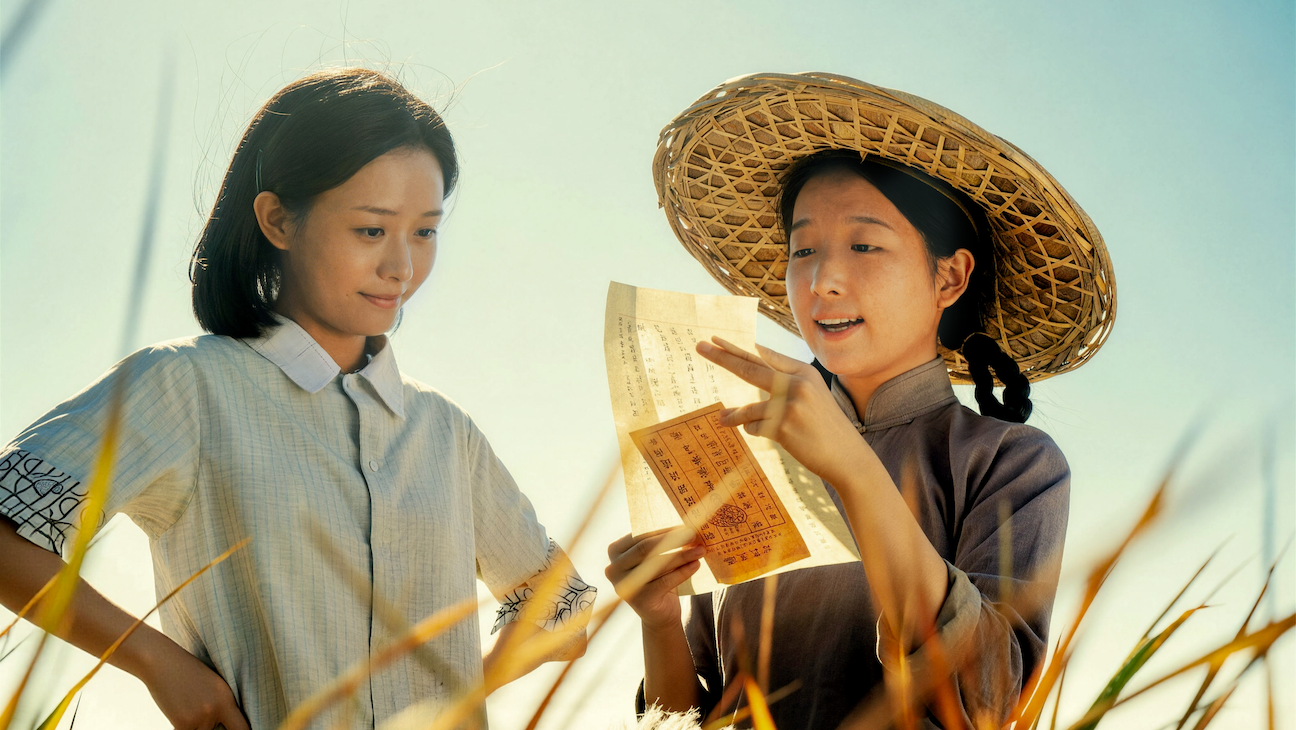
Lan Hongchun’s Dear You is an emotionally stirring family drama that works best when taken at face value. The film begins with a young man named Hiou-ui (Zheng Runqi) trying to pay off a debt, leading him to Thailand in search of his allegedly “billionaire” grandfather, Den Bhagseng. His grandmother, Iap Sogriu, now living in modern-day China, believes her husband remarried and deserted her and their three children after he sent a qiaopi containing a photograph of him with another woman and several children, then ceased contact. Since there are numerous schools named after Den Bhagseng in Thailand, the family assumed he had remarried and become wealthy. What begins as a comedic mystery about a grandson searching for his grandfather rapidly transforms into a poignant journey about love, loss, and misunderstandings.
Dear You tells an expansive story, given its 118-minute runtime. The narrative spans decades, involves two families in different countries, and incorporates a significant language barrier. Due to the film’s vast narrative scope, the pacing can feel somewhat haphazard at times. The opening moves at a breakneck pace. Hiou-ui quickly discovers that his grandfather passed away in 1960 and never remarried. This revelation sets the real story in motion as the family tries to uncover who was actually writing the qiaopi that Sogriu continued to receive after 1960.

Source: Well Go USA
The film immediately flashes back to decades earlier, filling us in on Sogriu and Bhagseng’s love story. The problem is that the pacing is so rushed that it doesn’t give us enough time to fully grasp the life they built together. One moment they’re young and getting acquainted; the next, they’re married with three children, and Bhagseng is fleeing to avoid conscription during the Civil War. Everything happens so fast that the abrupt transitions may initially leave viewers struggling to get their bearings. The film trusts that audiences will believe these characters shared a deep and meaningful life together, even though it doesn’t give those moments enough time or space to breathe.
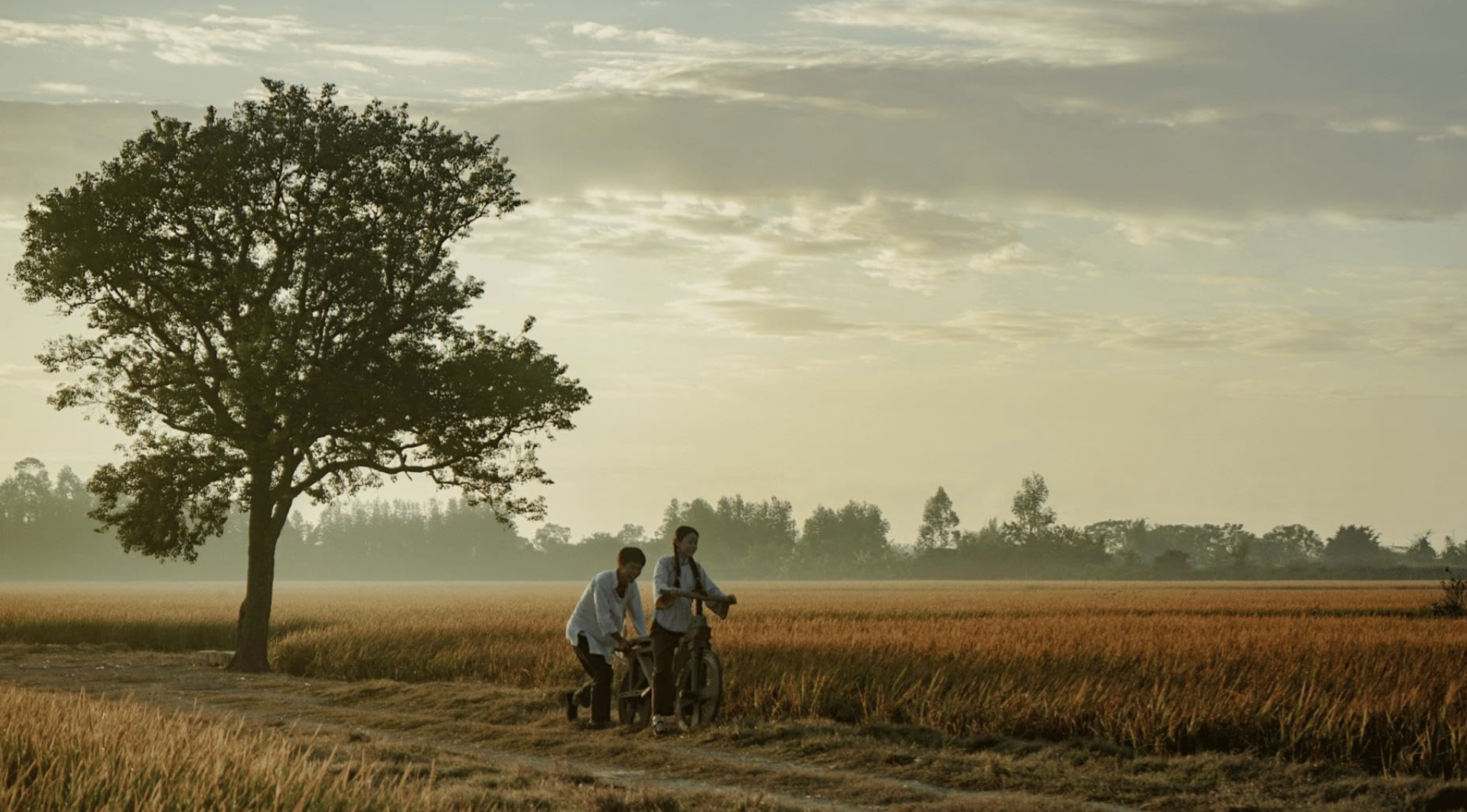
Visually, the film does a great job distinguishing the flashbacks from the present day. The flashbacks feature softer, diffused lighting and a warm, golden color palette. The warmth gives the past a dreamlike, wistful quality. However, most of the film is set in the past. In fact, I became so immersed in that storyline that I nearly forgot about the original setup involving Hiou-ui’s search for his grandfather. The shift in focus is somewhat jarring, as the film introduces Hiou-ui as if he were the main character, but his quest ultimately functions more as a gateway into his grandparents’ story. As the film unfolds, it becomes clear that Dear You is less about solving a mystery and more about understanding the people at the center of it, as well as their intentions.
Source: Well Go USA
The beginning of the film has a more comedic tone, with the editing and playful music cues providing some intentional levity. As the story evolves into something more melodramatic and melancholic, however, those musical choices can begin to feel slightly manipulative. There’s a genuinely heartfelt story here that will likely move most viewers, making the piano and orchestral melodies designed to tug at our heartstrings feel a bit superfluous. Rather than allowing the emotions of a scene to speak for themselves, the score occasionally seems to dictate how the audience is supposed to feel. The film doesn’t necessarily need that extra push; its characters and circumstances are already affecting enough without it.
Another musical choice that perplexed me was the inclusion of a song that samples the SpongeBob SquarePants theme. The moment occurs during a scene set in the 1950s. Anachronistic music isn’t inherently a problem, but the choice felt particularly distracting and out of place within the otherwise period-specific setting. Rather than adding anything meaningful to the scene, the familiar lyrics immediately draw attention to themselves, briefly pulling me out of the story.
Source: Well Go USA
Interestingly, most of my complaints are also part of what gives the film its universal, mainstream appeal. There are aspects of the narrative that feel like plot holes, particularly regarding exactly why Bhagseng cannot return home or even visit his family. The film seems reluctant to address those circumstances in much detail, perhaps because it is intentionally glossing over some of the more difficult aspects of the region’s history. I can’t necessarily fault the film for making that choice, though. By keeping the historical and political context relatively light, Dear You remains a more wholesome and accessible family drama. The film is already a tearjerker, and a heavier exploration of its historical backdrop could have weighed down its central emotional story.
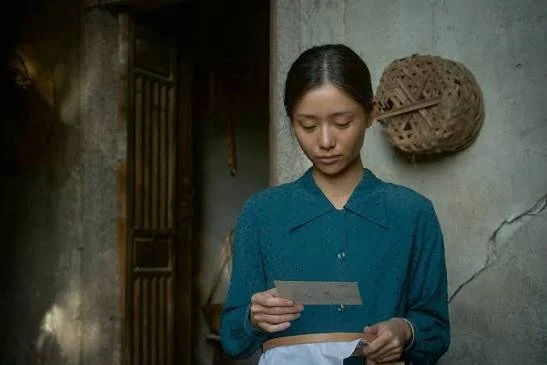
The film’s greatest strength lies with its female characters. Sogriu (Wang Xiaohui) is loyal to her husband and longs to reunite with him, but she also fearlessly raises their three young children on her own. She doesn’t wallow in her circumstances. Instead, she does her best to be the strong parental figure her children need. When she believes her husband has remarried and started a new family, she understandably feels frustrated, but she doesn’t allow herself to sulk or be consumed by self-pity. She picks herself up and continues with her life. Her resilience is one of the film’s most compelling qualities.
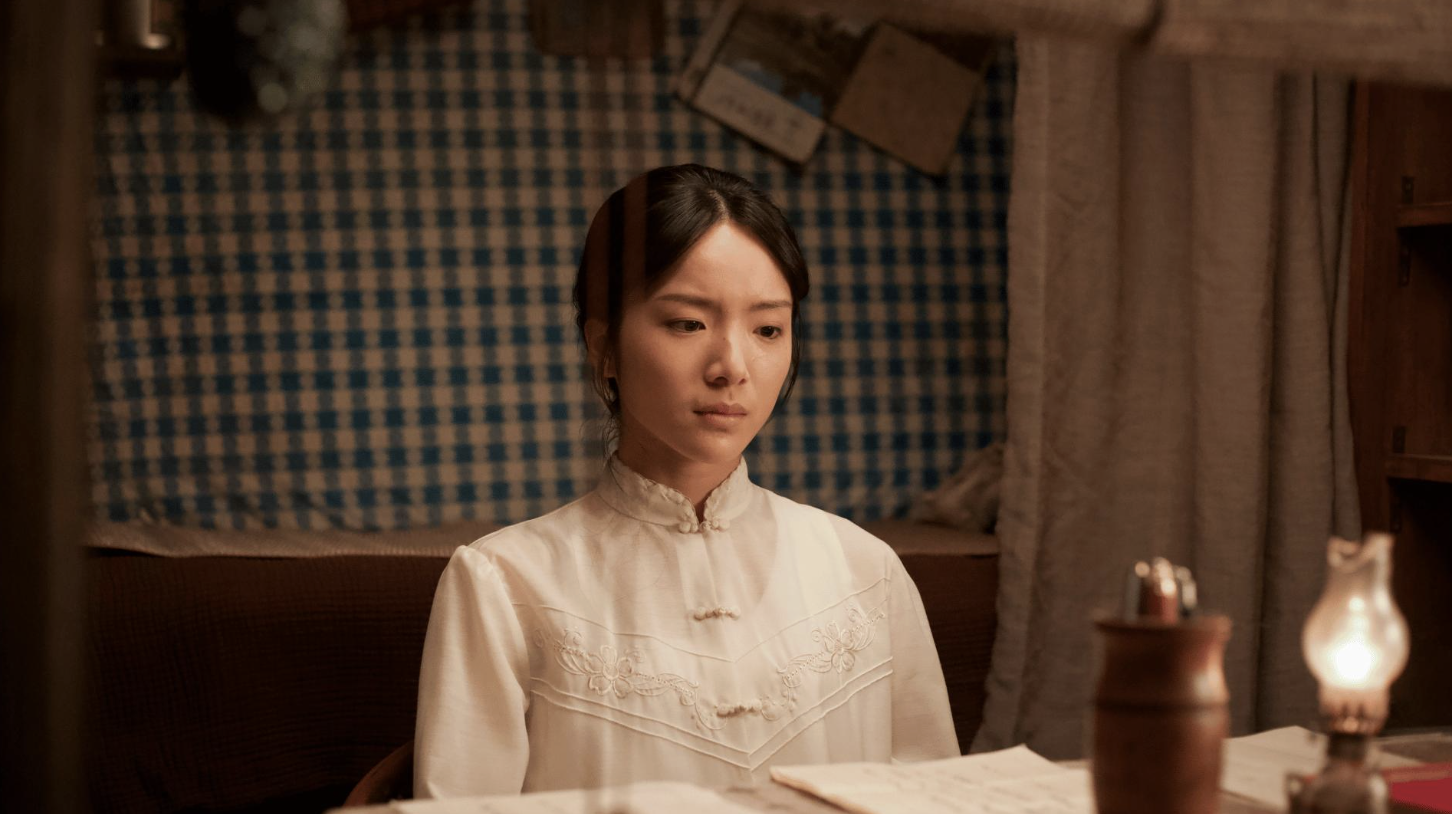
Meanwhile, in Thailand, Zia Lamgi (Li Sitong) manages her family’s boarding house, where Bhagseng stays while separated from his family. Lamgi is a multifaceted and deeply empathetic character whose presence adds another dimension to the story. At times, it almost feels as though Dear You uses the male characters as a sort of Trojan horse, luring us into this heartfelt and heartwarming story about women, their compassion, and their strength. Although the film is ostensibly structured around Bhagseng’s story, it is Sogriu and Lamgi who give the narrative its emotional weight. Best of all, both women are fully realized characters in their own right, rather than simply being defined by their relationship with him.
Source: Well Go USA
The lead actresses deliver remarkable performances, although the acting in some of the smaller roles is more uneven. Wang Xiaohui plays Sogriu in the flashbacks while Wu Shaoqing portrays her in the present day. Both women bring a quiet strength and subtle vulnerability, effectively conveying Sogriu’s devotion without making her feel passive or mawkish. Li Sitong portrays Lamgi in the flashbacks, while Usha Seamkhum depicts her older counterpart in the present day. The actresses playing both women complement each other well, creating a sense of continuity between the characters’ younger and older selves. Their performances are a major reason the film’s female characters feel so captivating.
Despite its hurried pacing, underdeveloped historical context, and occasionally heavy-handed musical cues, Dear You is an immensely rewarding emotional journey. The film may gloss over some of the more complicated circumstances surrounding its characters, but its sincerity and affection for them are difficult to resist. More importantly, its emphasis on the resilience and compassion of its female characters gives the story an emotional backbone that extends beyond its central romance. Ultimately, Dear You is a flawed yet endearing story about love, loyalty, and the misunderstandings that can shape a family’s history. It’s a heartfelt film that’s easy to get swept up in.
Dear You will be released in the United States on September 4, 2026.