Hope — New York Asian Film Festival Review
Source: Neon
Na Hong-jin’s fourth feature film, Hope, received polarizing reactions when it premiered at the Cannes Film Festival. The response following the film’s North American premiere at the New York Asian Film Festival proved to be equally divisive. Some audience members laughed and cheered, but as I exited the theater, I overheard numerous whispers: “What was that?” and “How did that get into Cannes?” Hope feels destined to be a love-it-or-hate-it type of movie, but much to my surprise, I found myself ambivalent, caught somewhere between admiration and frustration.
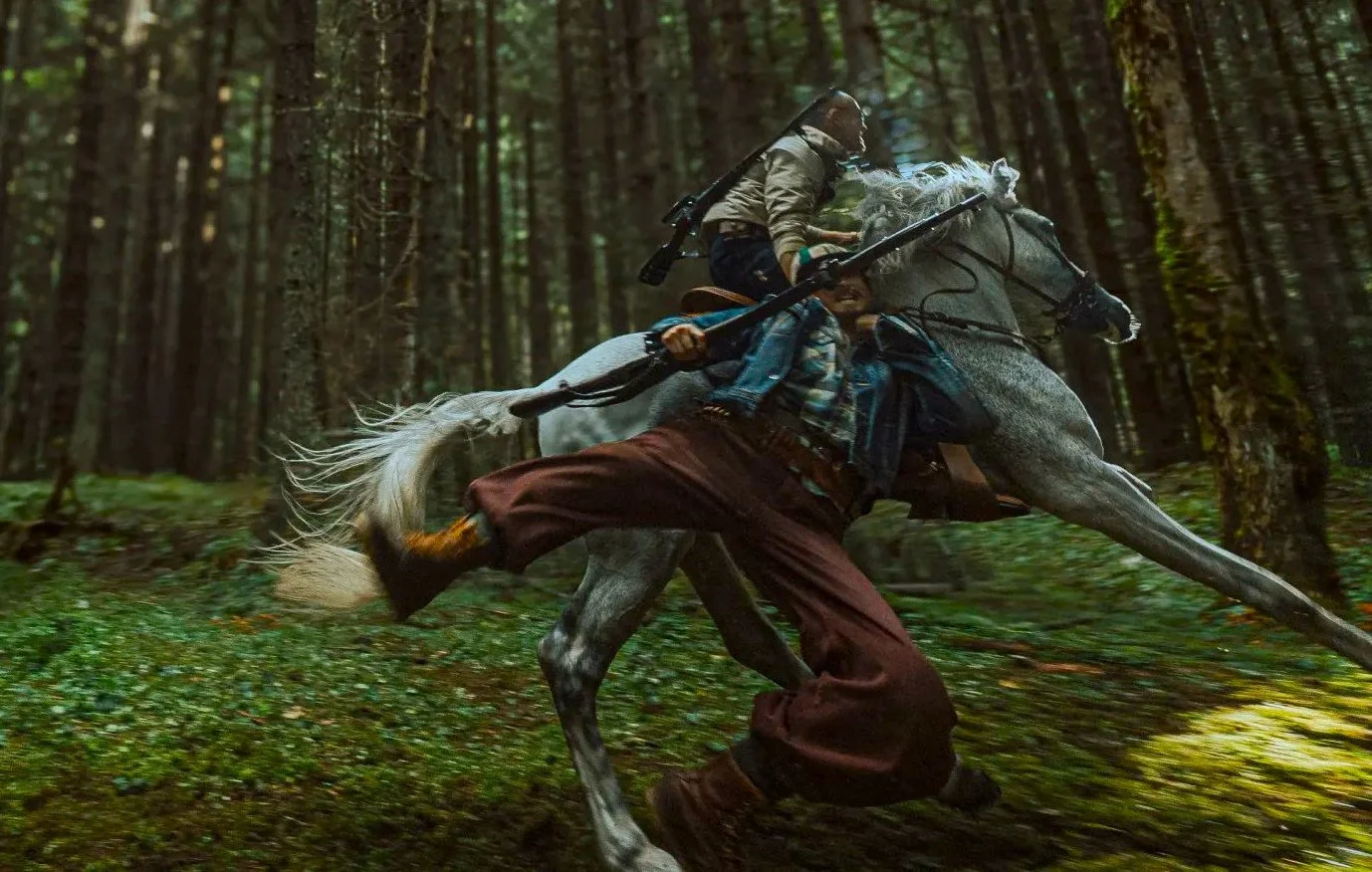
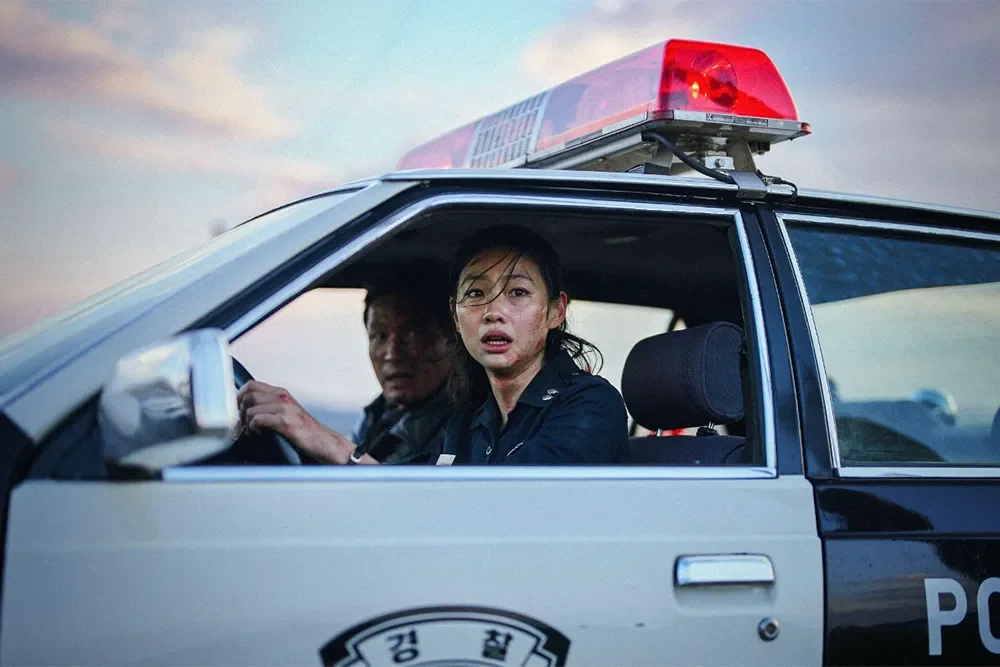
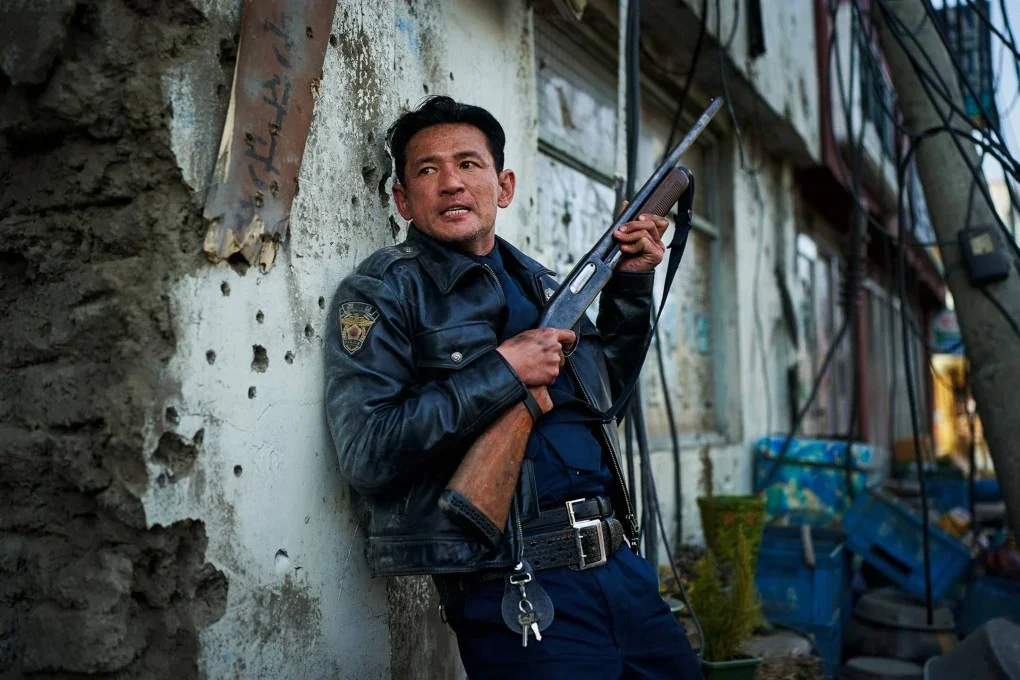
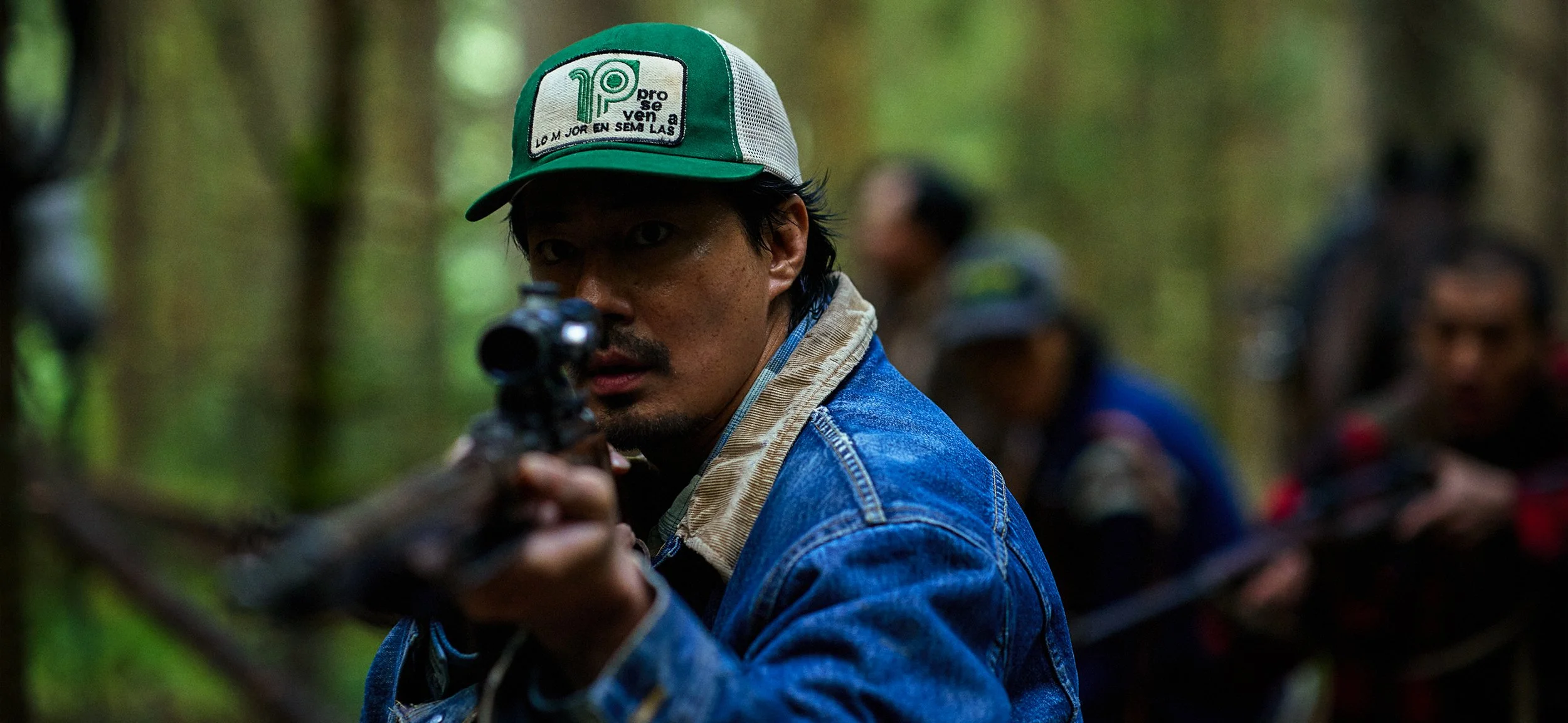
Hope is an epic science fiction action thriller that begins with two interwoven storylines. Hwang Jung-min stars as police chief Bum-seok, who, alongside officer Sung-ae (Hoyeon), is called in to investigate and protect their local community from a mysterious creature. Meanwhile, one of the locals, Sung-ki (Zo In-sung), leads a headstrong hunting party in what quickly becomes a classic case of the hunters becoming the hunted.
Source: Neon
The film’s first act is by far its strongest. The sound design masterfully creates tension and establishes an atmosphere of dread through the rustling of leaves, ominous rummaging, and distant rumbles, roars, and hisses, long before we ever catch a glimpse of the monster plaguing the town. Michael Abels’s score also injects the film with energy, complementing the tension created by the sound design. Cinematographer Hong Kyung-pyo, who previously worked with Na Hong-jin on 2016’s The Wailing, proves to be one of the film’s greatest assets. The slick camerawork makes it feel as though we’re investigating these creatures right alongside the characters. Hope is all about movement, and the camera rarely stays stagnant.
Source: Neon
What makes Hope stand out from other monster movies is its sense of humor. It’s funny without feeling like a parody. Na Hong-jin finds humor in an otherwise terrifying situation. With films like The Wailing and his directorial debut, The Chaser (2008), I’ve come to expect a sense of bleakness and brutality from his work. While those elements are still present here, Hope possesses a levity unlike anything I’ve seen from the filmmaker before. It’s easily his most playful film, with plenty of slapstick, visual gags, and moments of absurdity to balance out the horror.
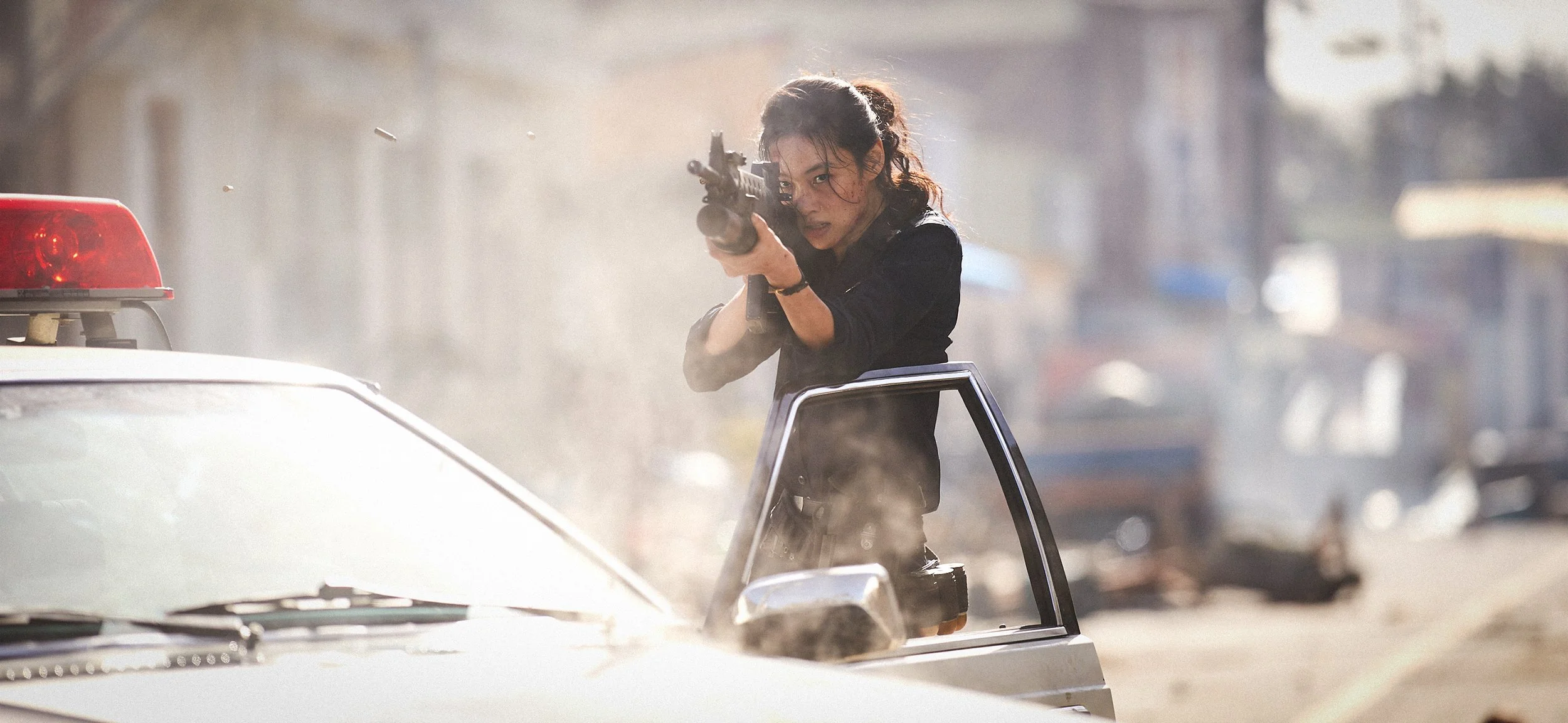
The movie is also relentlessly action-packed. In fact, it relies more on action than dialogue or story. For some viewers, the nonstop action and expertly staged set pieces will be an absolute blast. For others, Hope will feel more like an endurance test, given its hefty 157-minute runtime. Action and humor can only carry a film for so long, and the story here feels stretched far too thin. Had this been closer to 90 minutes, it could have been entertaining from start to finish. Unfortunately, even the most exciting moments begin to feel repetitive by the halfway mark. The climax is exhilarating, but the conclusion is unsatisfying.
Source: Neon
The most surprising thing about Hope is the sheer audacity, scale, and spectacle of it all. From a narrative perspective, however, it rarely surprised me. Maybe I’ve just seen too many monster movies, but I often felt as though I was two steps ahead of the film. I could predict nearly every twist and turn long before it arrived. That is another reason why the film could have benefited from a shorter runtime. The story is stretched so thin that it gives the audience too much time to figure out exactly where it’s headed. However, viewers less familiar with the genres Hope experiments with may still be surprised by where the story goes. Even when the story takes seemingly unexpected turns, those moments rarely carry the emotional weight that they should because the characters themselves are so thinly developed.
Source: Neon
Despite the impressive action sequences, Hope struggles when it comes to its human element. The film introduces a large cast filled with talented actors. Hoyeon steals the show in her feature film debut with a commanding screen presence. However, the people at the center of the story feel too thinly written, making it difficult to become emotionally invested in who survives. There is also very little character development considering the film’s lengthy runtime.
Even worse than its underdeveloped human characters are the creatures themselves. The monsters are the biggest thing holding Hope back. The computer-generated imagery may have been refined since the film premiered at Cannes, but the creatures still suffer from an uncanny valley-like design. Hope feels like a video game, and not only because of its nonstop action, but also because of the way its monsters are designed. Their appearance and movements often resemble something out of a video game. Perhaps it has something to do with how abnormally fast they move, but they look so unnatural that it frequently pulled me out of the story.
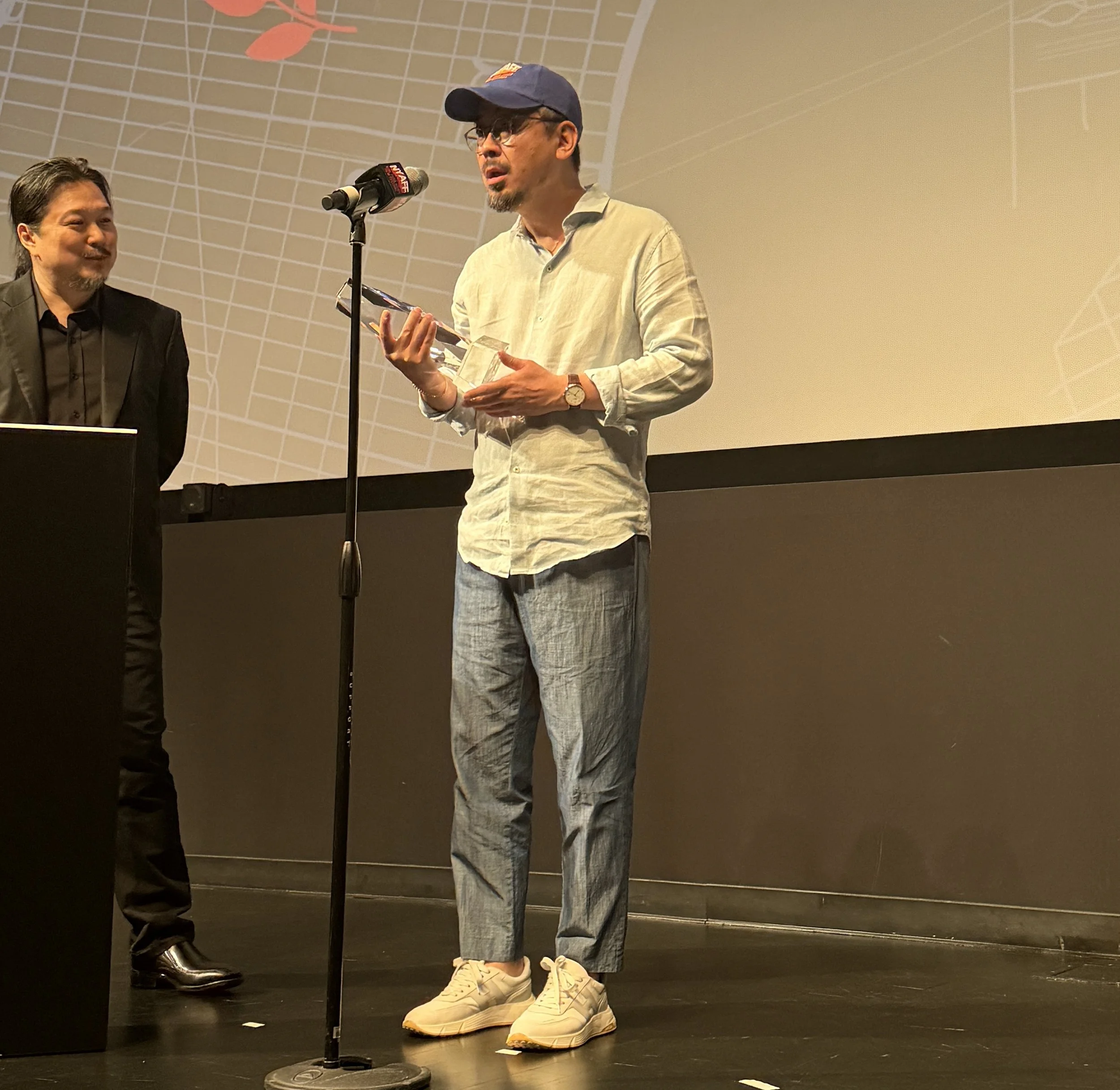
Na Hong-jin accepting the Daniel A. Craft Award for Excellence in Action Cinema at the 2026 New York Asian Film Festival
As much as the CGI monsters hindered my enjoyment of Hope, I can’t help but respect and admire Na Hong-jin’s vision. It’s not every day that we see a filmmaker take such a massive swing with an original creature feature, especially one this big, bold, and bizarre. Hope is messy, overlong, and uneven, but it’s also refreshingly ambitious, and unlike anything else I’ve seen from the filmmaker. I may not have loved Hope as much as I wanted to, but it’s undeniably fun despite all its shortcomings. There were plenty of moments where the CGI took me out of the story, but there were just as many moments where the action sequences had me thinking, “That was awesome!”
Hope had its North American premiere at the New York Asian Film Festival on July 20th, where director Na Hong-jin was awarded the 2026 Daniel A. Craft Award for Excellence in Action Cinema. Hope hits theaters on September 9, 2026.

Na Hong-jin accepting the Daniel A. Craft Award for Excellence in Action Cinema at the 2026 New York Asian Film Festival