Humpty Dumpty X — Tribeca Review
Source: Tribeca
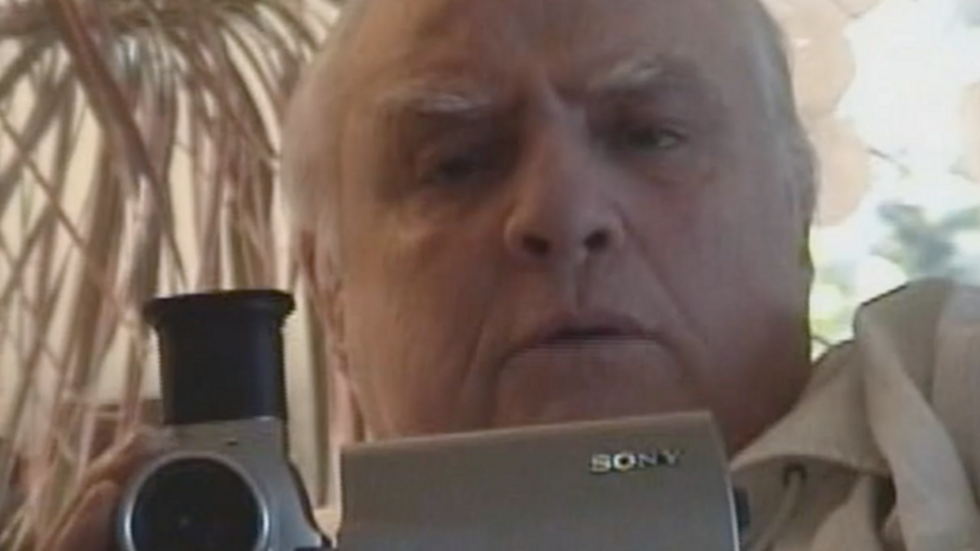
Tony Kaye’s Humpty Dumpty X is unlike any documentary I’ve ever seen before. Whether or not that’s a good thing, however, is up for debate. The film, which has been 23 years in the making, follows the filmmaker’s experiences during the production and aftermath of his 1998 film, American History X. The documentary consists of a variety of Kaye’s own behind-the-scenes footage, phone calls, candid conversations, and bizarrely creative rants.
Kaye famously became embroiled in a battle with the studio over the final cut of American History X. He refused to compromise on his own artistic vision and did not want his name attached to the studio’s version of the film. Instead, he insisted that they credit Humpty Dumpty. Throughout that period, Kaye kept his camera rolling. He documented business meetings, phone calls, and more. With Humpty Dumpty X, he has assembled that footage into a documentary that feels like a cinematic self-portrait.
Humpty Dumpty X is entirely one-sided, presenting Kaye’s perspective and his perspective alone. As a result, it does not necessarily offer a complete picture of what transpired during the post-production process of American History X. Yet the film remains fascinating, functioning almost as a character study of Kaye’s unique and unwavering personality.
The structure of the film is peculiar. It begins with a series of commercials, as Kaye initially made a name for himself as an award-winning commercial director. The film then cuts to Kaye singing and narrating, with his words appearing as text across a black screen and a few animations thrown in for good measure. Kaye also peppers in some footage of Marlon Brando, Orson Welles, and Cecil B. DeMille. These unexpected detours reinforce the film’s collage-like quality, making it feel less like a traditional documentary and more like a journey through Kaye’s own memories and influences. While it may not paint a complete picture of the production of American History X, it does offer a holistic portrait of Tony Kaye as an artist, as he reflects on his inspirations and creative process.
Kaye’s refusal to compromise is admirable, and that same quality is reflected in Humpty Dumpty X. Just as he fought to preserve his vision for American History X, he approaches this documentary with a similarly uncompromising attitude. He rejects conventional documentary structure in favor of something more stream-of-consciousness and freewheeling. At times, the result feels refreshingly original; at others, overwhelmingly self-indulgent. Ultimately, the film is as distinct, eccentric, and unconventional as its creator.
Watching Humpty Dumpty X often feels like a peek inside Kaye’s mind. The film unfolds like a lengthy conversation with someone determined to tell their side of the story, jumping between memories, frustrations, and creative musings. Rather than merely recounting a single chapter of his career, Kaye invites viewers to experience how he thinks. I will admit that I spent much of the film’s runtime with a perplexed expression on my face. However, Kaye is so unapologetically himself that I couldn’t help but respect the conviction behind both his artistic vision and the strange, singular documentary it inspired.
Whether audiences connect with Humpty Dumpty X will largely depend on their tolerance for Kaye himself. Those seeking a definitive account of the behind-the-scenes turmoil surrounding American History X will likely leave disappointed. However, viewers interested in the mind of a fiercely independent artist will probably find the film compelling, even when it veers into chaos and excess. Even when it stumbles, Humpty Dumpty X stands as a testament to Kaye’s relentless commitment to his artistic vision.
Humpty Dumpty X premiered at Tribeca on June 6, 2026.