I Love Boosters — Review
Source: Neon
There’s a moment early in I Love Boosters where a fashion designer comments on a turquoise—or aquamarine, depending on who you ask—dress. She describes the color choice as “ballsy.” That word does more than describe a dress; it also perfectly encapsulates the film itself. Between this and his directorial debut, Sorry to Bother You (2018), it’s become abundantly clear that nobody is making movies quite like Boots Riley. His films refuse any inclination toward restraint. They’re audacious, anarchic, and unapologetically absurd. Every frame is filled to the brim with imagination and visual inventiveness. I swear, Boots Riley has more creativity in one of his fingernails than most people have in their entire bodies. Watching one of his films feels like witnessing someone operating on a creative wavelength that’s light-years ahead of everyone around them.
Source: Neon
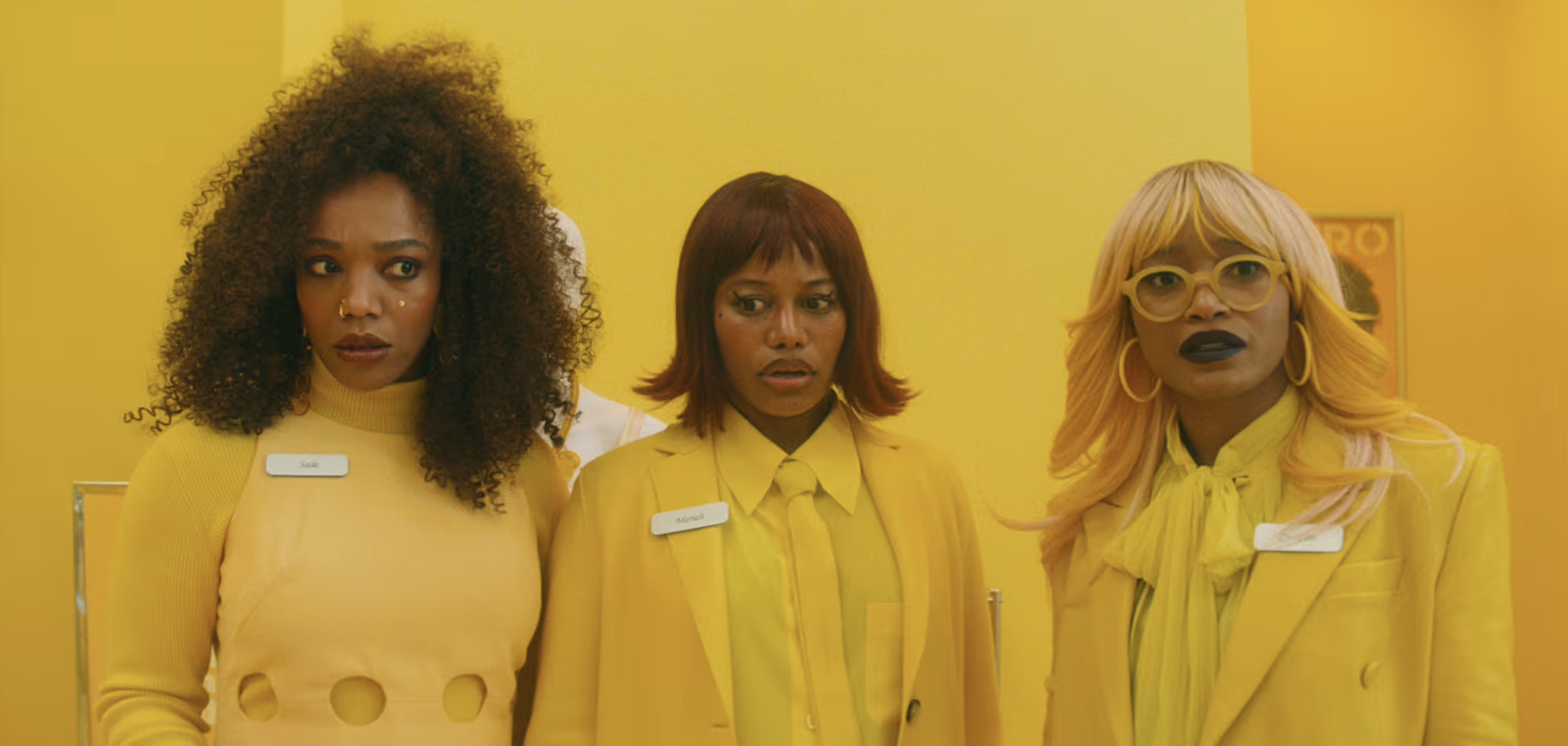
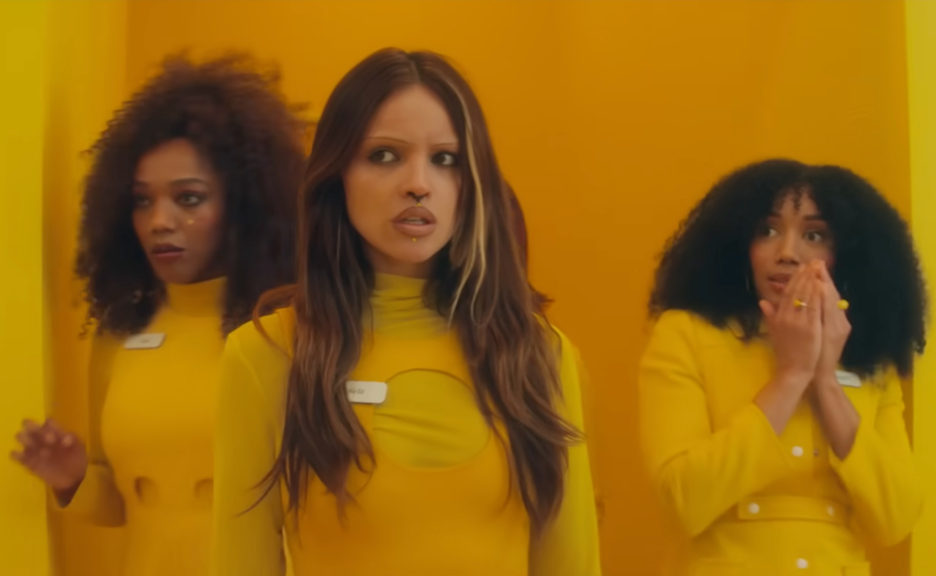
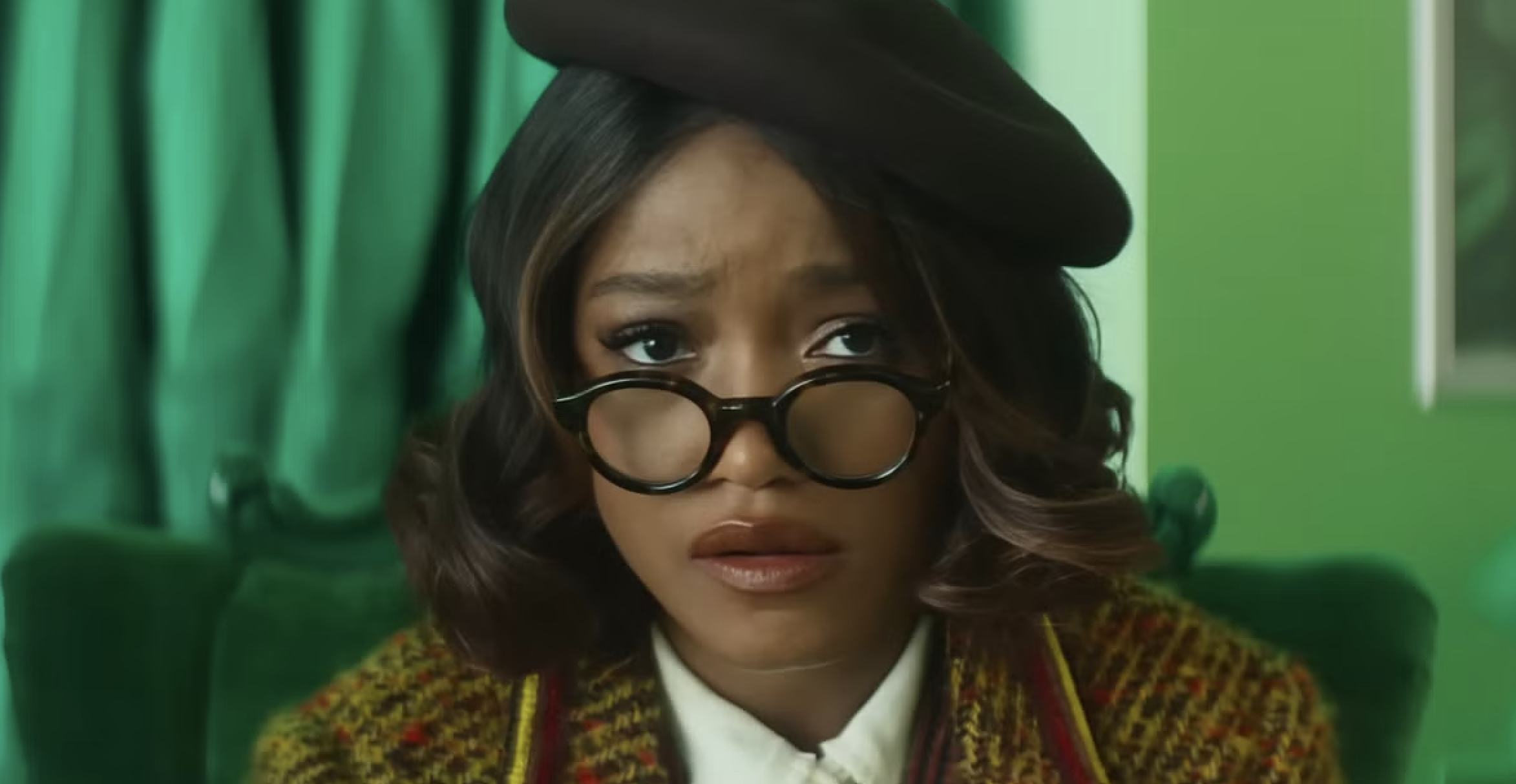
I Love Boosters follows the Velvet Gang, a trio of boosters made up of Corvette (Keke Palmer), Sade (Naomi Ackie), and Mariah (Taylour Paige). They shoplift designer clothing and resell it at discounted prices—an act of defiance that transforms theft into a form of rebellion against a system built on exclusivity and artificial scarcity. To the wealthy elite, they’re criminals; to the people priced out of luxury fashion, they’re something closer to revolutionaries. Christie Smith (Demi Moore), a pompous fashion mogul, repeatedly denounces them in the media as “urban bitches” while profiting from the very people she mocks. When Corvette discovers that Christie has copied one of her original designs, a completely bonkers battle ensues.
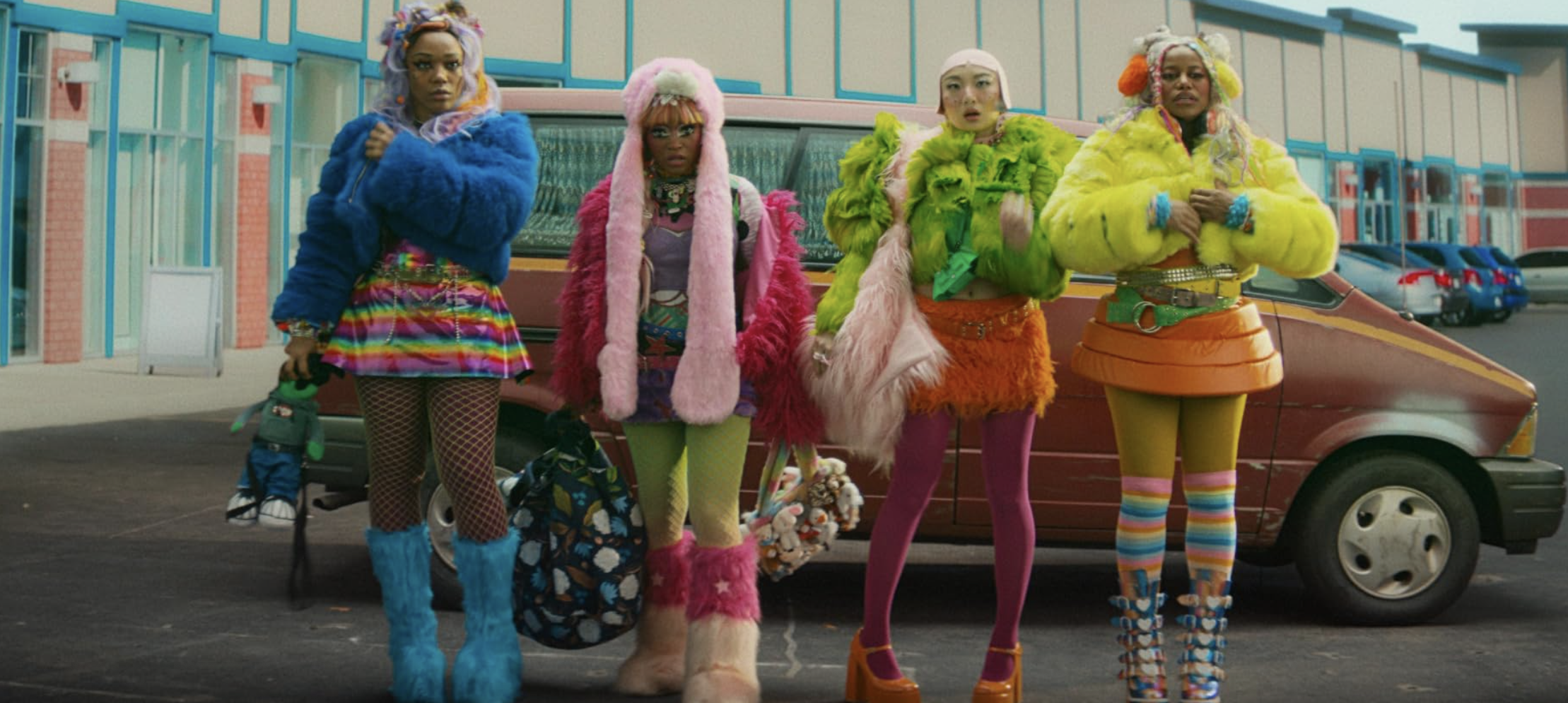
Like Sorry to Bother You before it, I Love Boosters presents a surreal, off-kilter version of the San Francisco Bay Area, but Riley pushes the aesthetic experimentation even further this time. The entire movie feels saturated with color and personality. He takes familiar aspects of the Bay and exaggerates them into absurdity. For example, the Millennium Tower in San Francisco is famously tilted; so naturally, Christie operates out of a building so crooked it leans at a 15-degree angle that no one even questions. The production design embraces rich monochromatic color palettes, while the costumes, wigs, makeup, and hairstyles transform every character into a walking piece of pop art.
Source: Neon
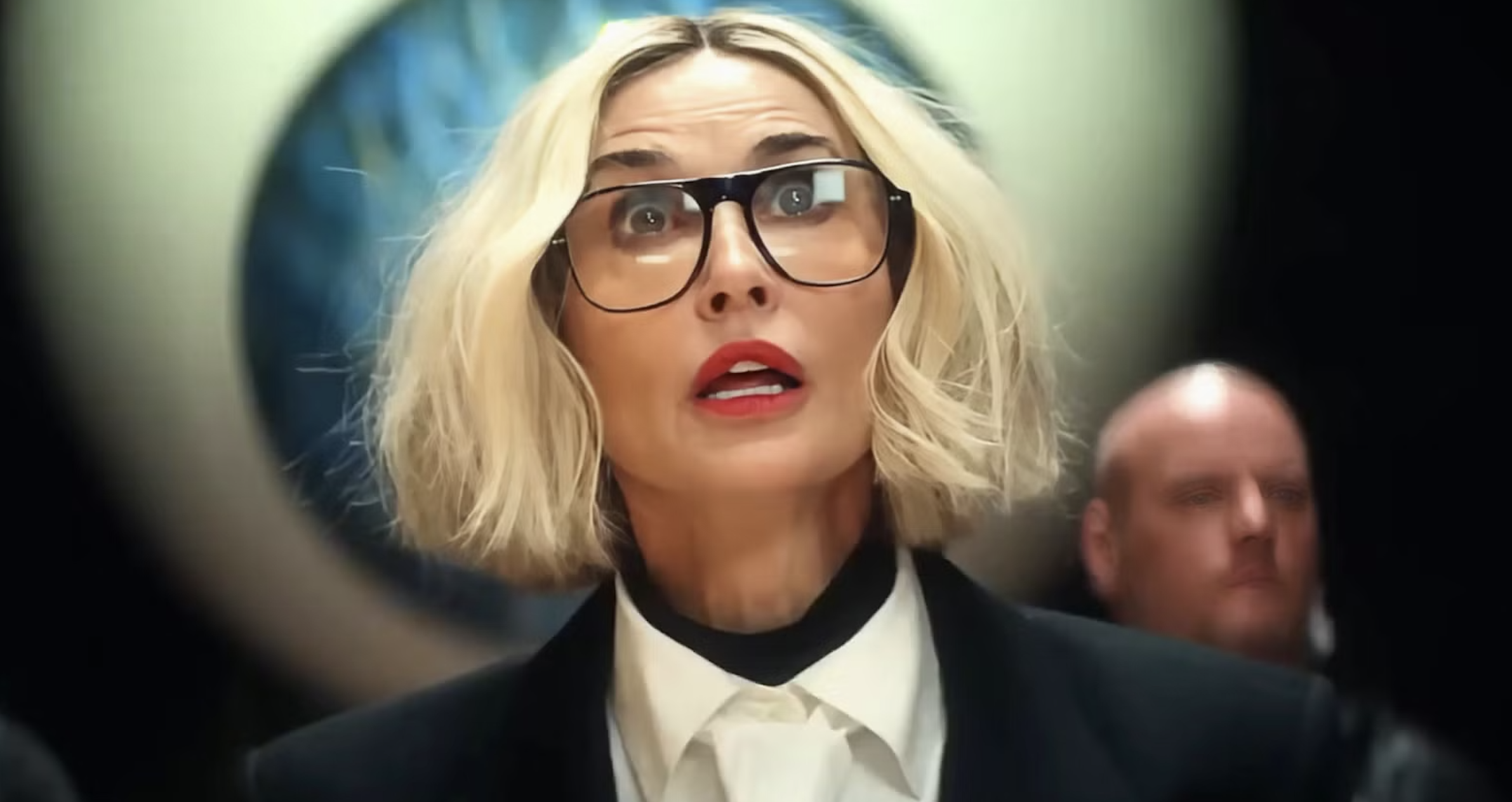
Riley also shoots the film with an infectious sense of playfulness that extends to Natasha Braier’s cinematography and Matthew Hannam and Terel Gibson’s editing. Every aspect of the filmmaking feels adventurous, whether it’s the stop-motion flourishes, the use of miniatures, stylized scene transitions, or sudden dolly zooms and special effects. The visuals constantly keep the audience off-balance, conjuring a rhythm where anything can happen at any moment. The score, composed by Tune-Yards, also amplifies the film’s Looney Tunes-style energy.
Source: Neon
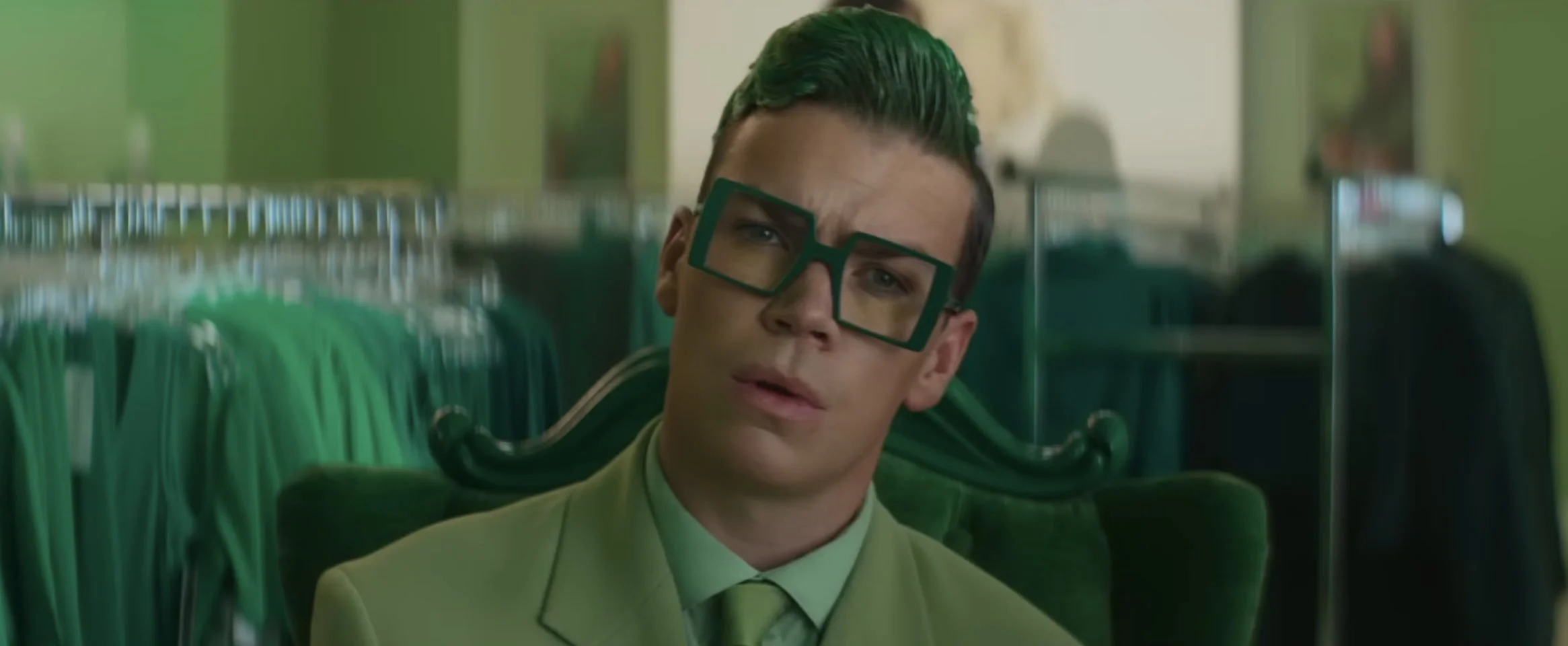
The ensemble cast fully commits to Riley’s eccentric vision, which is what makes the madness work so well. Keke Palmer provides a strong emotional core that keeps us invested in the narrative. Will Poulter is hilarious as Grayson, the overzealous manager of one of Christie’s Metro Design stores. LaKeith Stanfield undeniably steals every scene he’s in as Pinky Ring Guy, delivering some of the film’s most hysterical lines with a straight-faced sincerity that had me laughing so hard I had tears in my eyes almost every time he appeared on screen. Eiza González breaks out of her comfort zone as she steps into the role of Violeta, a vaping Metro Design employee who is fed up with being underpaid. Violeta feels like a kindred spirit to Steven Yeun’s character in Sorry to Bother You. She embodies this punk rock spirit with her bleached eyebrows and septum piercing, but also with her actions as she actively seeks to spark change. Poppy Liu is equally magnetic as Jianhu, a worker at one of Metro Design’s factories in China who harbors a vendetta against Christie Smith for the mistreatment of factory workers.
Source: Neon
It’s refreshing to see a film with such a diverse assortment of characters, mostly played by women of color. Riley’s layered screenplay ensures these women feel like fully realized people rather than archetypes or accessories to someone else’s story. Corvette, Sade, Mariah, Violeta, Jianhu, and even Christie all feel distinct in their personality quirks, motivations, and flaws. The fact that they’re all so multifaceted makes the wonderfully weird world that Riley crafted feel even richer. On more than one occasion, Corvette proclaims, “Now is not the time for nuance.” Fortunately, the characters in the film are full of it.
However, where the film refuses to lean into nuance is in its political and social commentary. I’m always saying that we need to make movies angry again because there is too much happening in this country worth being outraged about. You can feel the rage fueling I Love Boosters, but the film never loses its sense of fun, levity, or effervescence. Beneath its beautifully bizarre visuals lies a scathing satirical critique of capitalism, materialism, and class division. The film frequently exposes the fashion industry’s contradictions and hypocrisies. High-end brands position themselves as arbiters of taste and style, building their value around exclusivity and restricted access, since only the wealthiest consumers can afford their garments. Yet they simultaneously steal from street culture and the aesthetics of the people they exclude. They can take something as simple as a plain white T-shirt, slap a luxury label on it, and sell it at astronomical prices. To make matters worse, many of these companies depend on underpaid employees and workers subjected to harsh factory conditions.
Source: Neon
The film’s Marxist undercurrent is impossible to ignore. “Eat the rich” movies have seen a surge in popularity in recent years, but most of them stop at pointing out inequality. Riley takes things a step further, asking audiences to take action and get involved. He is not interested in passive observation, in saying, “Look at how bad things are.” He is aiming for something more active and confrontational. He is saying, “Let’s actually do something about it.”
Boots Riley described I Love Boosters as “his best work yet,” and I believe he is 100% correct. We are fortunate to have filmmakers like him working with this level of fearlessness. He refuses to play it safe visually just as he refuses to soften his social critique. Much like Sorry to Bother You, the story moves in unexpected, unhinged directions. It pushes every aspect of filmmaking to its limits, from its visual design to its narrative excess. Every frame is bursting with a wild, exhilarating energy that never feels dull for a second. The film is a colorful, chaotic critique of capitalism and a madcap maximalist masterpiece. Fashion is all about making a statement, and I Love Boosters makes a loud, unforgettable one.
I Love Boosters hits theaters on May 22, 2026.