LifeHack — Review
Source: Iconic Events
Ronan Corrigan’s directorial debut, LifeHack, might just be the biggest surprise of the year for me. After seeing so many heist films over the years, it’s easy for new entries in the genre to feel stale or forgettable. Likewise, after a wave of recent screenlife films, the format itself no longer feels like a particularly novel concept. So surely a screenlife heist movie would, in theory, feel like a tired combination rather than something fresh or exciting, right? Instead, shifting the heist film into the digital world breathes new life into both genres, resulting in a shockingly riveting cinematic experience.
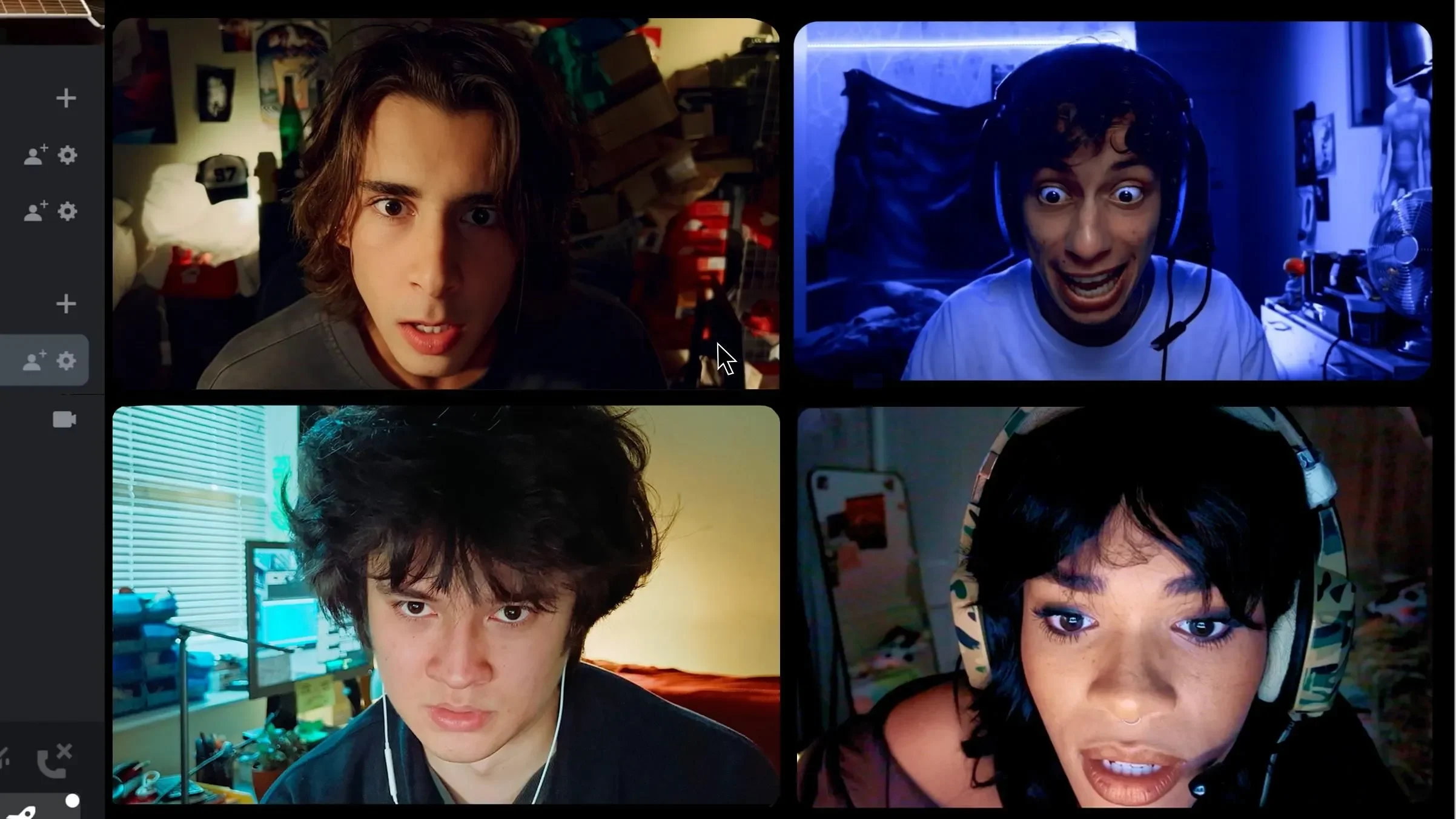
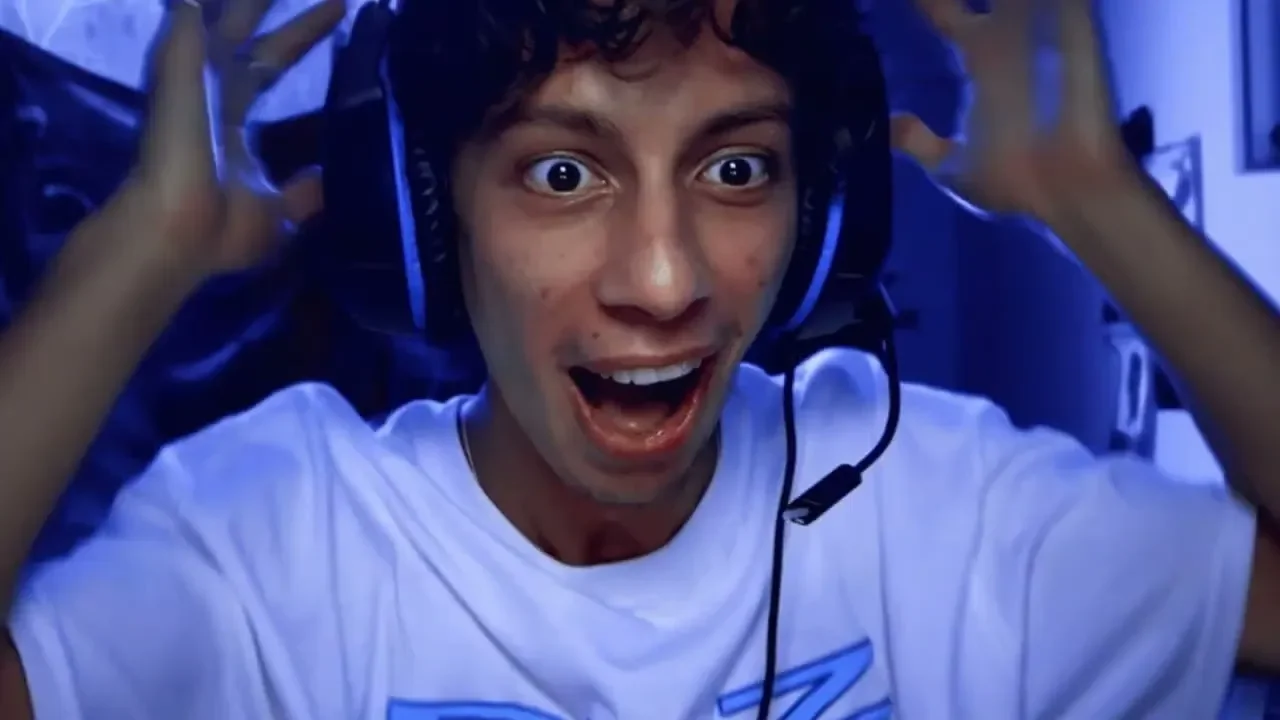
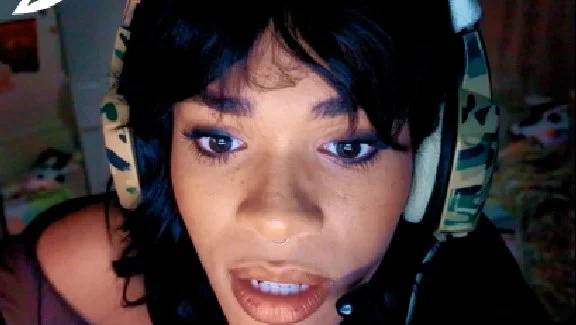
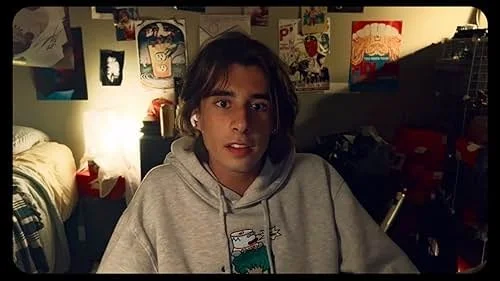
LifeHack centers on a group of four teenagers who use their hacking skills to prank and steal from scammers, operating like a crew of digital-age Robin Hoods. Kyle (Georgie Farmer) is the mastermind. Alex (Yasmin Finney) is the artist. Petey (James Scholz) is the brains. Sid (Roman Hayeck-Green) is the troll.
The film’s first ten minutes do a fantastic job of familiarizing us with both the characters and their world. The opening scene drops us directly into one of their schemes in action, while the title sequence uses playful animations to introduce each member of the group. These sequences also incorporate footage of the characters when they were younger, reinforcing the sense that these are friends who have known each other for years, despite living in different parts of the world.
Source: Iconic Events
Ronan Corrigan and Hope Elliott Kemp’s witty screenplay wastes no time setting the stakes in motion. The group sets its sights on tech billionaire Don Heard (Charlie Creed-Miles), after discovering that his daughter, Lindsey (Jessica Reynolds), frequently overshares on social media. Recognizing this vulnerability, the foursome begins to piece together a plan that could grant them access to Heard’s personal accounts. What follows is their most ambitious undertaking yet, as they set out to infiltrate Heard’s cryptocurrency wallet in an effort to pull off their biggest cyber heist.
Part of what makes LifeHack so compelling is that these aren’t seasoned professionals robbing a bank; they’re a group of lonely teenagers taking on a greedy tech mogul. That underdog dynamic makes it easy to root for Kyle and his band of misfits. Their lack of experience also heightens the tension, constantly raising the stakes and turning the film into a stressful but sleek crime caper. It moves at an electric pace, packing in well-timed twists that keep viewers on edge for nearly its entire brisk 97-minute runtime.
This is one of the few Gen-Z films that actually feels authentic, largely because it was made by members of the generation it depicts. The writing and performances accurately capture how they speak, while the visuals embody what their digital presence looks like, with the screen populated by memes, music, and a constant flood of information. While this can feel overwhelming at times, the overload often works in the film’s favor, adding a sharp layer of humor to the chaos.
Source: Iconic Events
Ronan Corrigan and Aleksandr Kletsov’s editing is one of the film’s greatest strengths. The film shifts effortlessly between Kyle’s computer screen, his phone, and security footage, maintaining clarity even in its most chaotic moments. Whether the team is chatting via Discord, FaceTime, or coordinating during a game of Rust, the transitions remain smooth and intuitive. LifeHack is so fast-paced that it’s difficult not to have fun while watching it. The music also amplifies that feeling, adding a heart-pounding rhythm that keeps the kinetic energy constantly elevated.
Not only is this a Gen-Z film that feels like it was made by Gen-Z, but it’s also a rare eat-the-rich movie that doesn’t feel like it was made by the very people it’s poking fun at. Over the last few years, eat-the-rich films have surged in popularity, and studios have taken notice. However, audiences have become increasingly aware of the irony of watching films that critique the wealthy while being produced by some of the wealthiest people in the world. LifeHack, on the other hand, is a scrappy independent production that feels like it was made by the little guy, which makes its social commentary land with far more impact.
Source: Iconic Events
The screenlife format is more than just a stylistic choice or a gimmick; it’s an essential aspect of how the story unfolds, shaping both the tension and the humor. By placing a heist narrative within this structure, Ronan Corrigan’s directorial debut revitalizes both the heist genre and the screenlife format. LifeHack delivers all the thrills of a traditional heist film, but with a distinctly cyber spin, proving there is still room for innovation in both genres. It plays like Ocean’s Eleven for the digital age. Grounded in emotionally relatable characters, it unfolds into a surprisingly heartfelt story beneath all the digital chaos. LifeHack is a confident debut that modernizes a classic formula for a new generation, resulting in one of the most refreshing takes on both Gen-Z storytelling and the heist genre in recent memory—marking Ronan Corrigan as a filmmaker to watch.
LifeHack hits theaters on May 15, 2026.