Minotaur — Montclair Film Festival Review

Source: Mubi
Minotaur marks Andrey Zvyagintsev’s first film in nine years. The film, which won him the Grand Prix at the Cannes Film Festival, is a remake of Claude Chabrol’s 1969 film The Unfaithful Wife. Though largely faithful to the source material, Zvyagintsev transposes the story to the backdrop of the Russo-Ukrainian war, adding a new dimension to the narrative and altering its underlying themes.
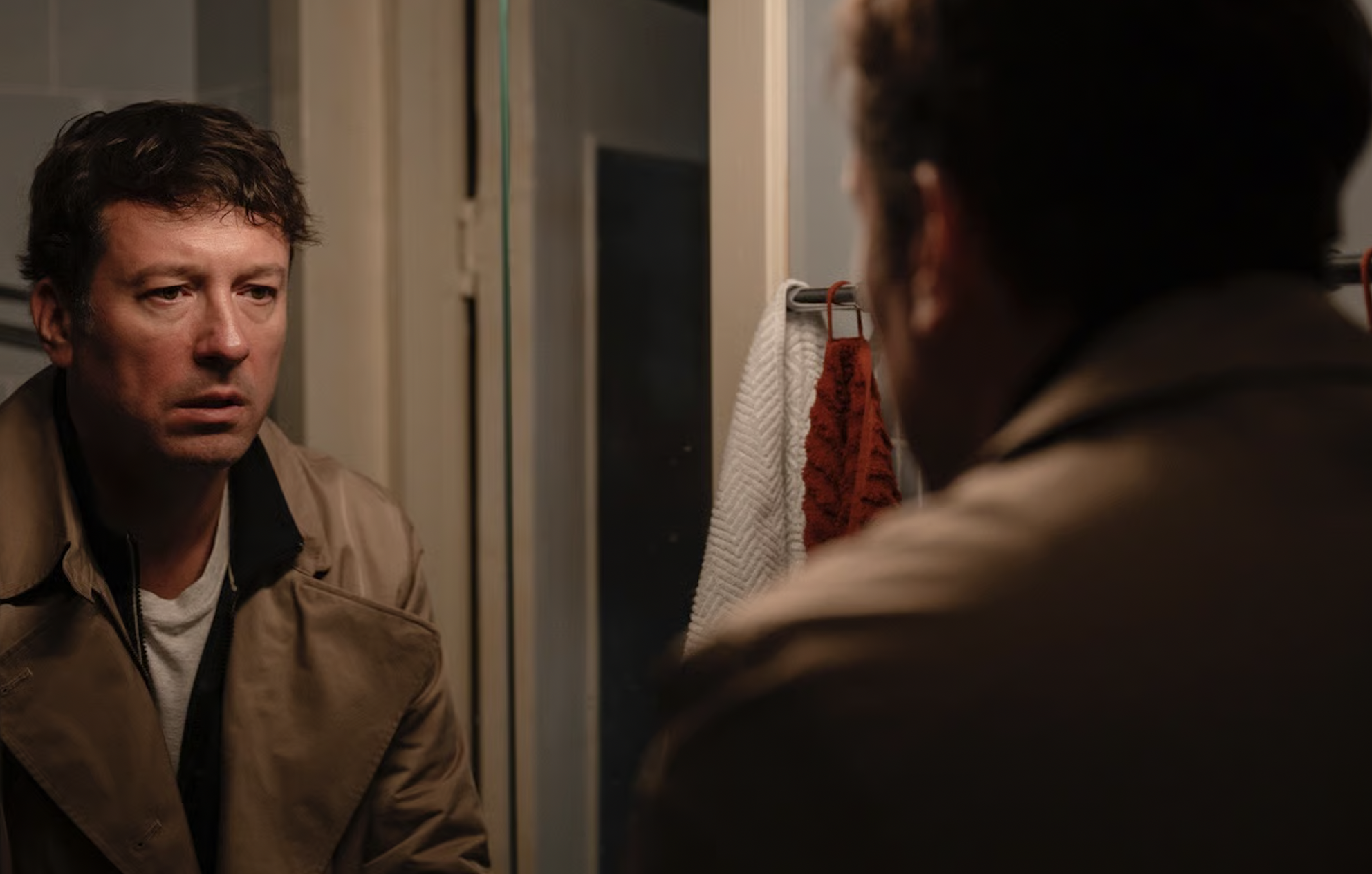
Set in Russia in 2022, the film follows Gleb (Dmitriy Mazurov), a business executive who lives with his wife, Galina (Iris Lebedeva), and their son, Seryozha (Boris Kudrin). Gleb’s bourgeois lifestyle begins to unravel under the pressures of both war and marital discord. As Gleb is tasked with providing employees for military conscription, he also discovers that his wife is having an affair. The result is a film that operates both as a psychological thriller about a marriage fraying at the seams and as a scathing critique of contemporary Russia.

Source: Mubi
As with his 2014 film Leviathan, Zvyagintsev once again demonstrates his masterful ability to craft a slow burn that raises thought-provoking questions about morality and corruption. Minotaur takes its time, allowing the tension to gradually build up as we get to know Gleb and witness the growing instability of his personal and professional lives. Compared to The Unfaithful Wife’s brief 94-minute runtime, Minotaur clocks in at over two hours. Yet it never drags or feels dull. Rather, it uses its extended runtime to flesh out its characters and establish a richly textured world.
Source: Mubi
This isn’t the first time a filmmaker remade Chabrol’s The Unfaithful Wife. Adrian Lyne’s remake, Unfaithful, was released in 2002. However, Zvyagintsev’s decision to move the story to Russia in 2022 is a statement in and of itself. There’s a striking juxtaposition between Gleb’s relatively insular domestic troubles and the devastation wrought by the Russian invasion of Ukraine. Gleb represents the wealthy elite who are more concerned with protecting their own interests than with confronting the repercussions of the invasion. His response to anything pertaining to the war is cold and calculated; its consequences only seem to matter to him when they threaten to affect his business. He appears to have little regard for the lives lost.
Source: Mubi
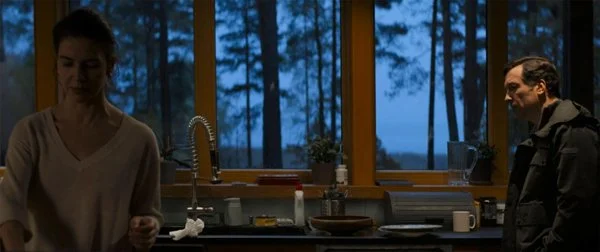
By choosing to tell this story in this specific time and place, Zvyagintsev is criticizing the elite who are wealthy enough to remain preoccupied with their own personal problems while a war rages on. At one point, Galina tells Gleb she wants to live, rather than simply “endure.” There’s a bitter irony in her words. Bored by her stagnant marriage, she sees herself as merely enduring life rather than truly living it, while beyond her insulated, comfortable world, people are losing their lives on a massive scale.

Source: Mubi
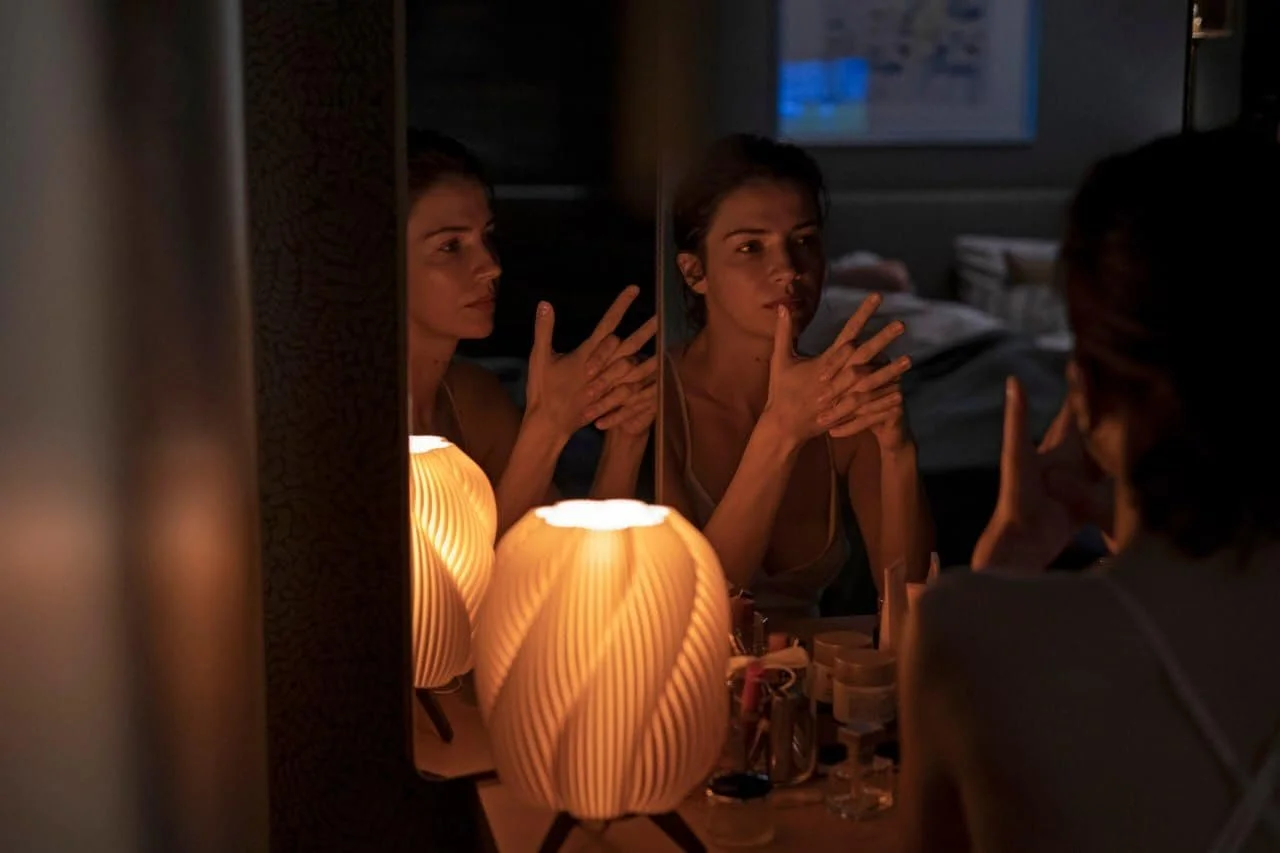
Beyond its political subtext, Minotaur is an exceptionally well-crafted film. Zvyagintsev and Simon Lyashenko’s screenplay is effectively paced, and the performances make the characters feel convincing. Zvyagintsev once again collaborates with cinematographer Mikhail Krichman, whose haunting imagery is one of the highlights. Given that Galina’s lover, Anton (Yuriy Zavalnyouk), is a photographer, the film’s visual style takes on added significance. Evgueni Galperine and Sacha Galperine’s score is used sparingly but effectively, creating an unsettling atmosphere. Much like the staccato piano notes that reverberate and linger, the consequences of the characters’ actions create a ripple effect. Taken together, these elements make Minotaur a riveting return for Zvyagintsev.
Source: Mubi
What distinguishes Minotaur from Claude Chabrol’s The Unfaithful Wife or Adrian Lyne’s remake, Unfaithful, is its political context. By setting the story during the Russian invasion of Ukraine, Zvyagintsev transforms an intimate marital drama into a broader critique of wealth, privilege, and power. It's a captivating psychological portrait of a marriage in crisis that simultaneously exposes the complacency of those who live comfortably enough to disregard the devastation around them. With its deliberate pacing, haunting visuals, and incisive political commentary, Minotaur is a chilling depiction of moral indifference. It’s an urgent reminder that the personal dramas of the privileged can seem painfully trivial when set against the backdrop of war. There’s a disquieting contrast between those who struggle to feel alive and those fighting simply to stay alive.
Minotaur screened at the Montclair Film Festival on October 23, 2026. It will screen again at the festival on October 25, 2026. The film will be released in theaters on November 20th.