Montreal, My Beautiful — NewFest Review
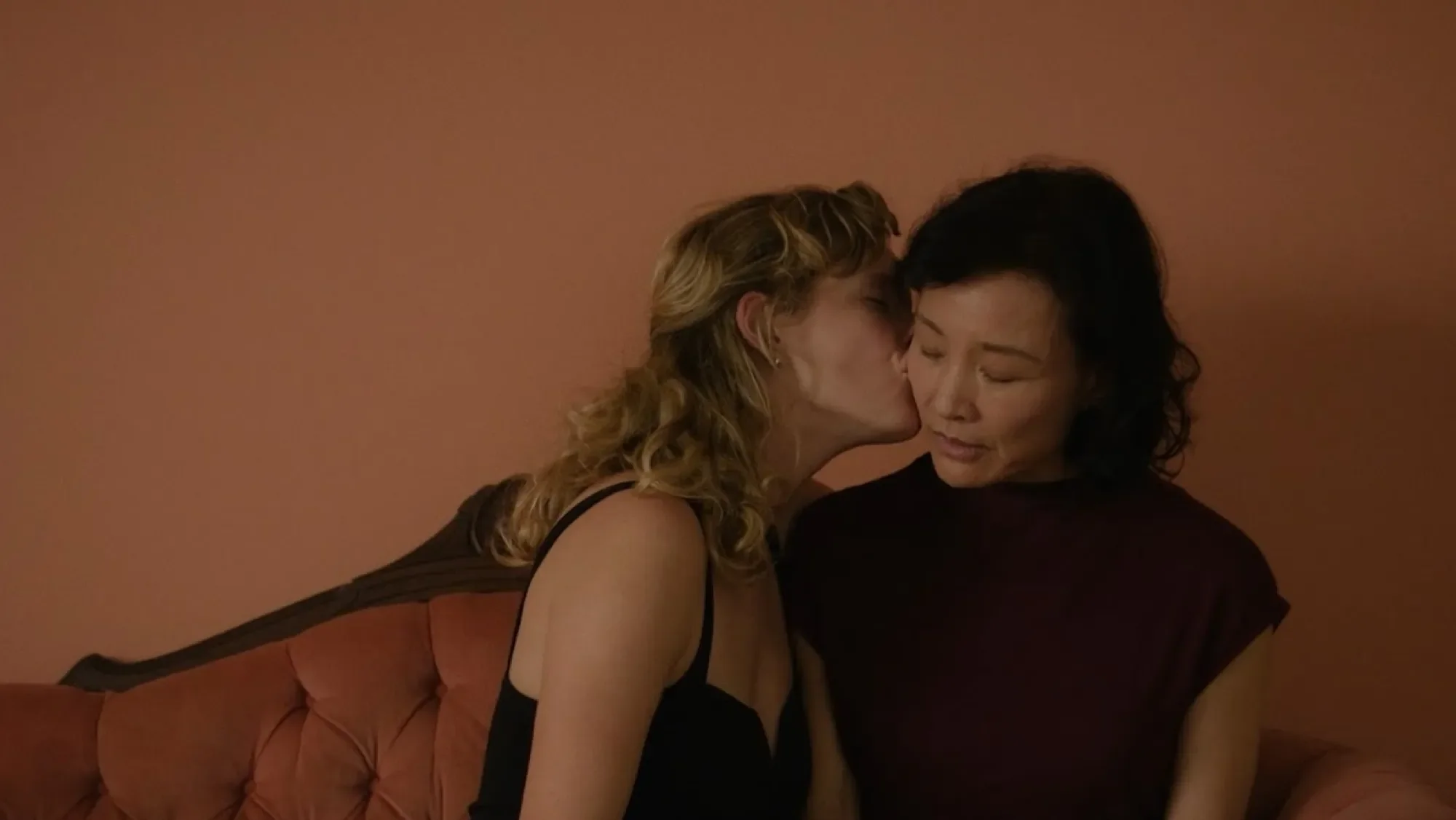
Xiaodan He's Montreal, My Beautiful tells a story we seldom see on the big screen. Feng Xia (Joan Chen) is a 53-year-old Chinese immigrant living in Montreal with her husband when she finally decides to act on her long-repressed sapphic desires. It’s a refreshing reminder that it’s never too late to discover who you really are, embrace what you want, and give yourself permission to start over. As her love interest, Camille (Charlotte Aubin), tells her, “You’re my rebirth.” It’s rare to see an older woman experiencing a queer awakening on screen, but Feng’s story makes a compelling case for why these stories deserve to be told.
Montreal, My Beautiful is as much about cross-cultural communication as it is about queer identity. Feng and her husband, Wang Jun (John Xu), mostly speak Chinese, while their children, Joy (Pei Yao Xu) and Dong Dong (Anzhe Angelo Zhang), speak French fluently, having grown up in Canada. Early in the film, Feng relies on her daughter to translate during doctor’s appointments. She also attends French classes, further highlighting the language barrier. Thus, Feng’s journey of self-discovery unfolds on multiple levels, as she navigates both her identity as a queer woman and an immigrant.
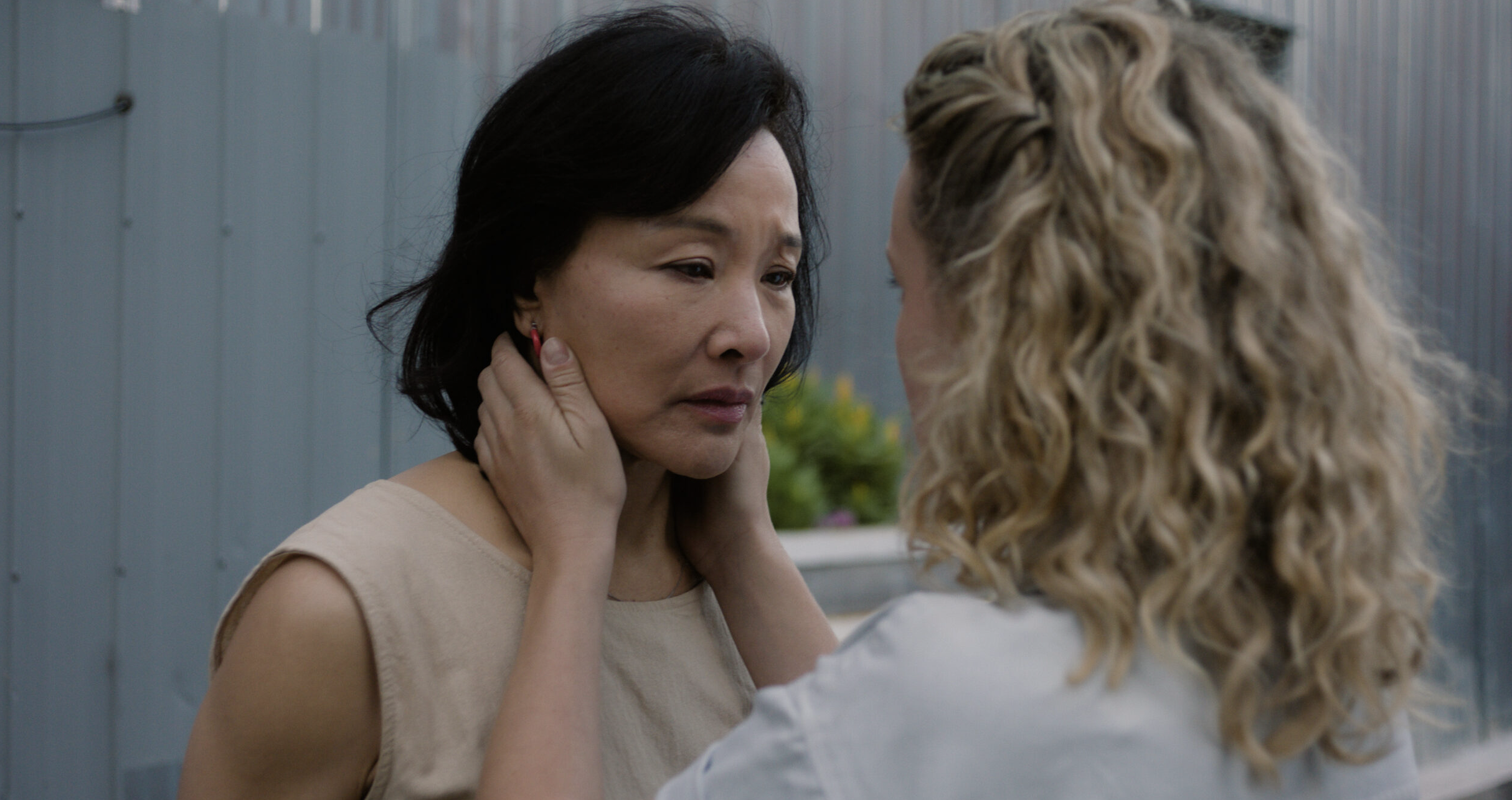
In an attempt to make the other characters multifaceted, Xiaodan He’s screenplay sometimes loses its narrative focus. Perhaps this is due to trying to tackle too many thematic ideas at once. The dialogue can also feel clunky and overly on-the-nose, particularly in its handling of the racist microaggressions directed at Feng by Camille’s friends. The meandering narrative further undermines its impact, with certain subplots and thematic detours making it feel longer than it needs to be. However, the film is at its strongest when it zeroes in on Feng’s blossoming romance with Camille.
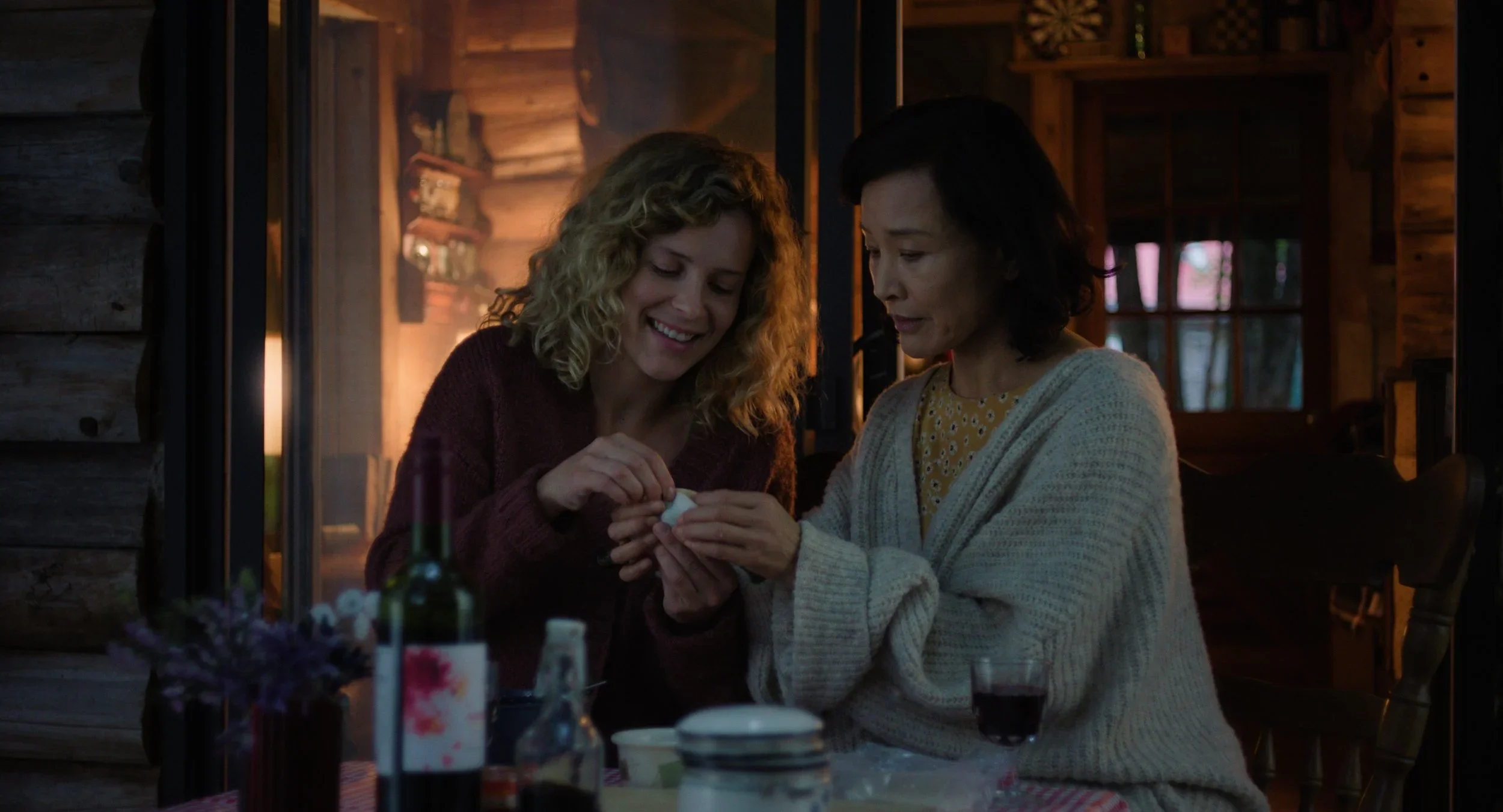
Joan Chen’s ethereal performance carries the film. She brings a subtle vulnerability to Feng, delivering a layered performance that feels authentic. Feng is meek and timid on the surface, but Chen ensures that her hidden desires still shine through. Her chemistry with Charlotte Aubin isn’t always as electric as I would have liked it to be, but Chen still conveys the thrill of newfound passion with the smallest gestures and expressions, which is enough to create a spark all its own. We can feel both the adrenaline rush and the awkwardness, as she explores something she’s always yearned for but was taught not to pursue, gradually surrendering to the experience and allowing herself to feel pleasure. Chen delicately portrays how Feng’s demeanor gradually changes as she transforms into someone more confident and self-assured in a way that still remains true to the character. Marie Davignon’s cinematography complements this understated performance, frequently framing Chen in close-ups to capture Feng’s ever-evolving emotions.
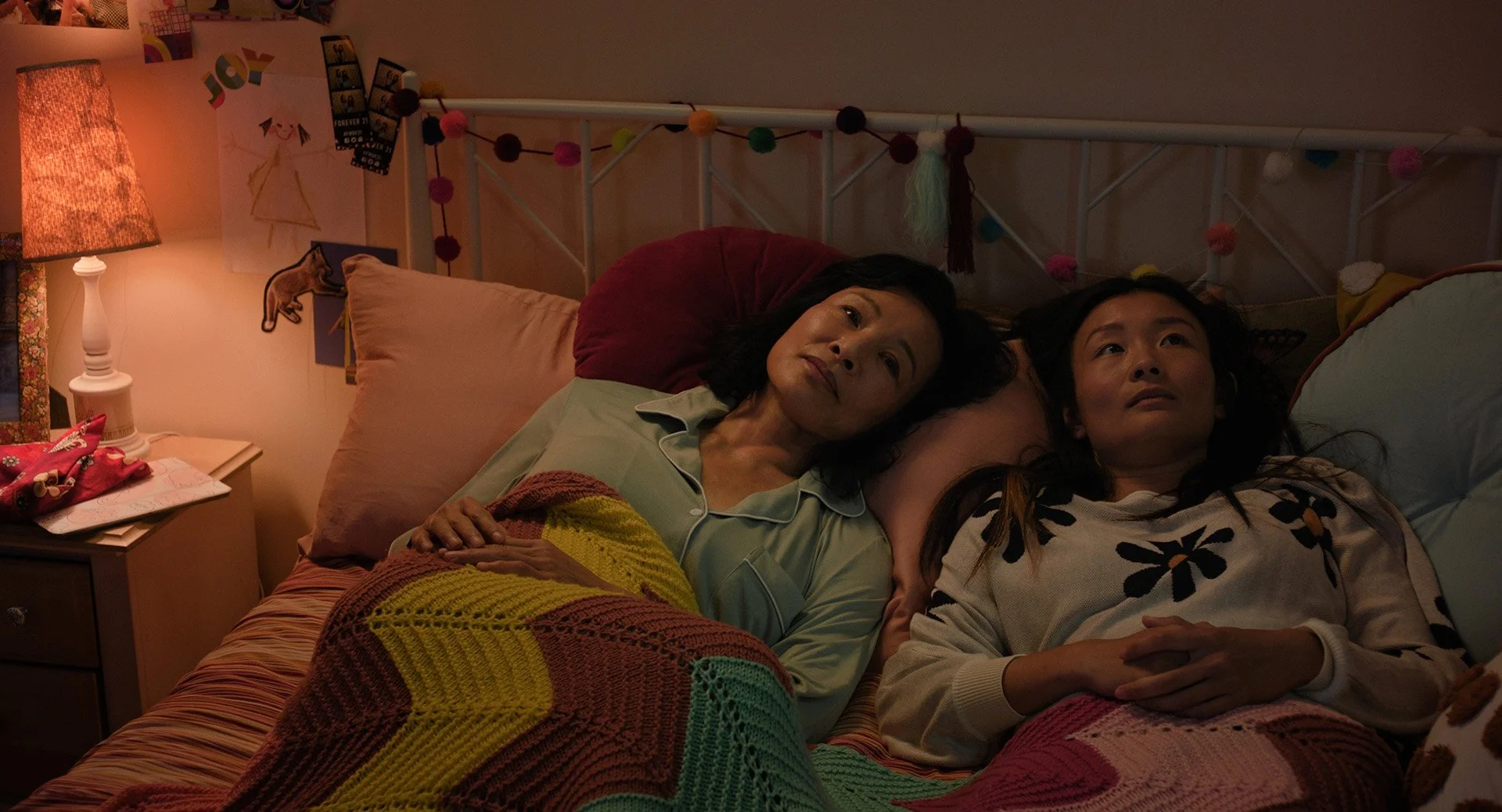
Part of what makes Feng’s journey so captivating is that after all these years of fulfilling the expectations that others have set for her, she’s slowly learning what it means to prioritize herself for a change. There’s something incredibly poignant in watching her shed the restraints and rigidity that have defined so much of her life. Her transformation doesn’t always come through grand gestures; sometimes it’s the smallest acts of self-love that are the most significant. Watching her find the courage to embrace a life beyond the confines of her inhibitions feels monumental, even in the most mundane moments.
The film also raises questions of autonomy, and the ways in which it can be undermined by both intimate relationships and by broader social circumstances. Feng’s husband is controlling, and there’s often a lack of consent, which underscores how little agency she has over her own body and desires. Her struggles with the French language also add to this loss of independence, limiting her ability to navigate the world on her own terms. Together, these constraints make her journey toward self-discovery all the more meaningful. Feng is doing more than discovering her sexuality; she’s also reclaiming a sense of agency over her life and body.
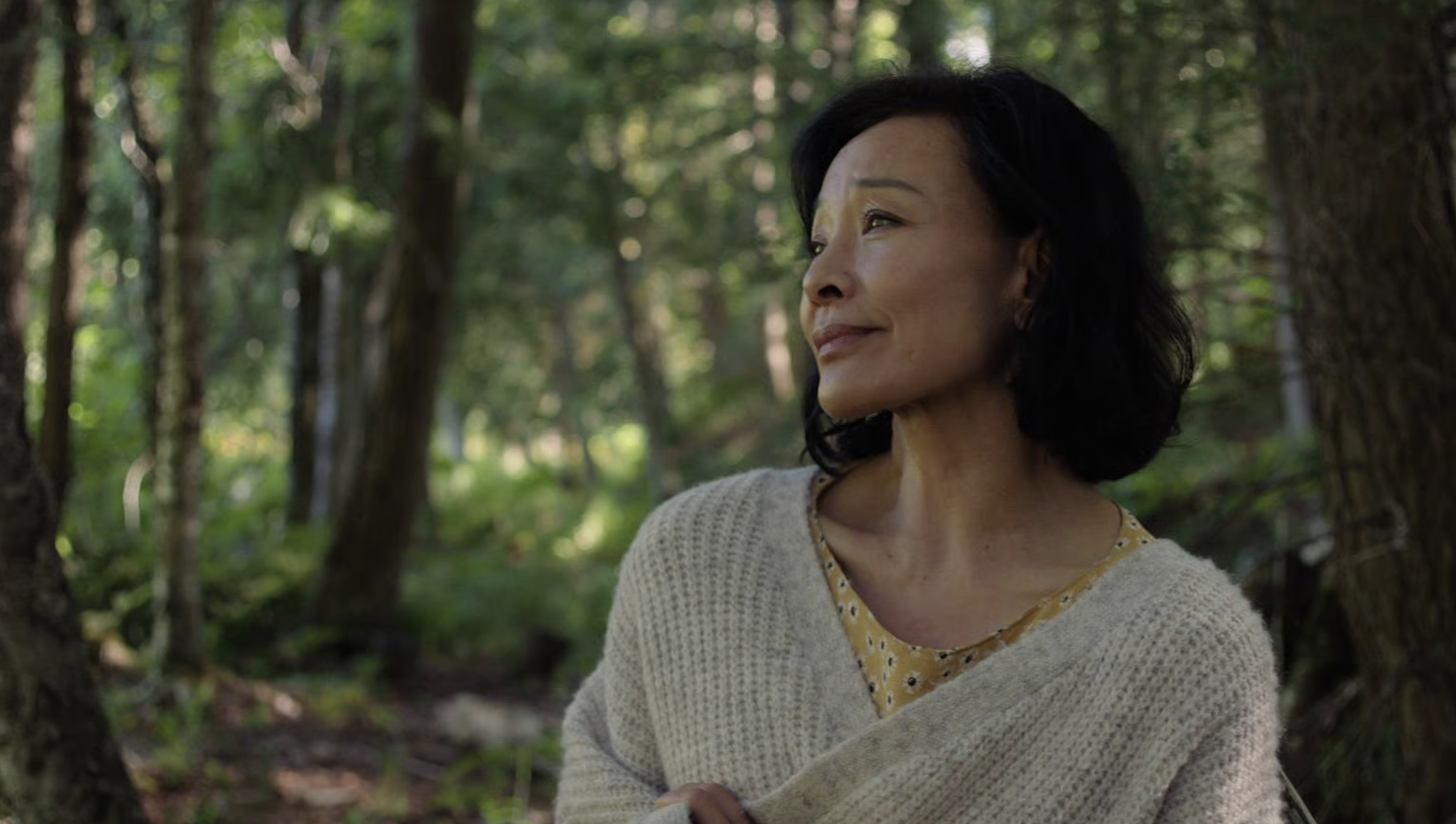
Montreal, My Beautiful is the type of film where I love the idea of it more than the actual execution, but Joan Chen’s magnetic performance makes it worthwhile. The film calls to mind a line scribbled in sidewalk chalk in Jane Schoenbrun’s I Saw the TV Glow (2024): “There is still time.” In a letter to Camille, Feng writes, “Don’t be afraid, go and love. Don’t waste your youth like I did. It slips away too fast and never comes back.” Her words double as a message for the audience, a reminder not to let fear or shame hold us back. There’s still time to love who you want to love. It’s fitting that Feng Xia’s name means “phoenix in rising sun,” evoking this idea of rebirth. Like a phoenix rising from the ashes, Feng’s journey reminds us that it’s never too late to begin again, and that sometimes starting over isn’t about becoming someone new, but finally allowing yourself to be who you’ve always been.
Montreal, My Beautiful screened at Newfest on October 24, 2026. It is currently available on NewFest’s virtual platform until October 30th.