Mouse — NewFest Review
Source: Independent Film Company
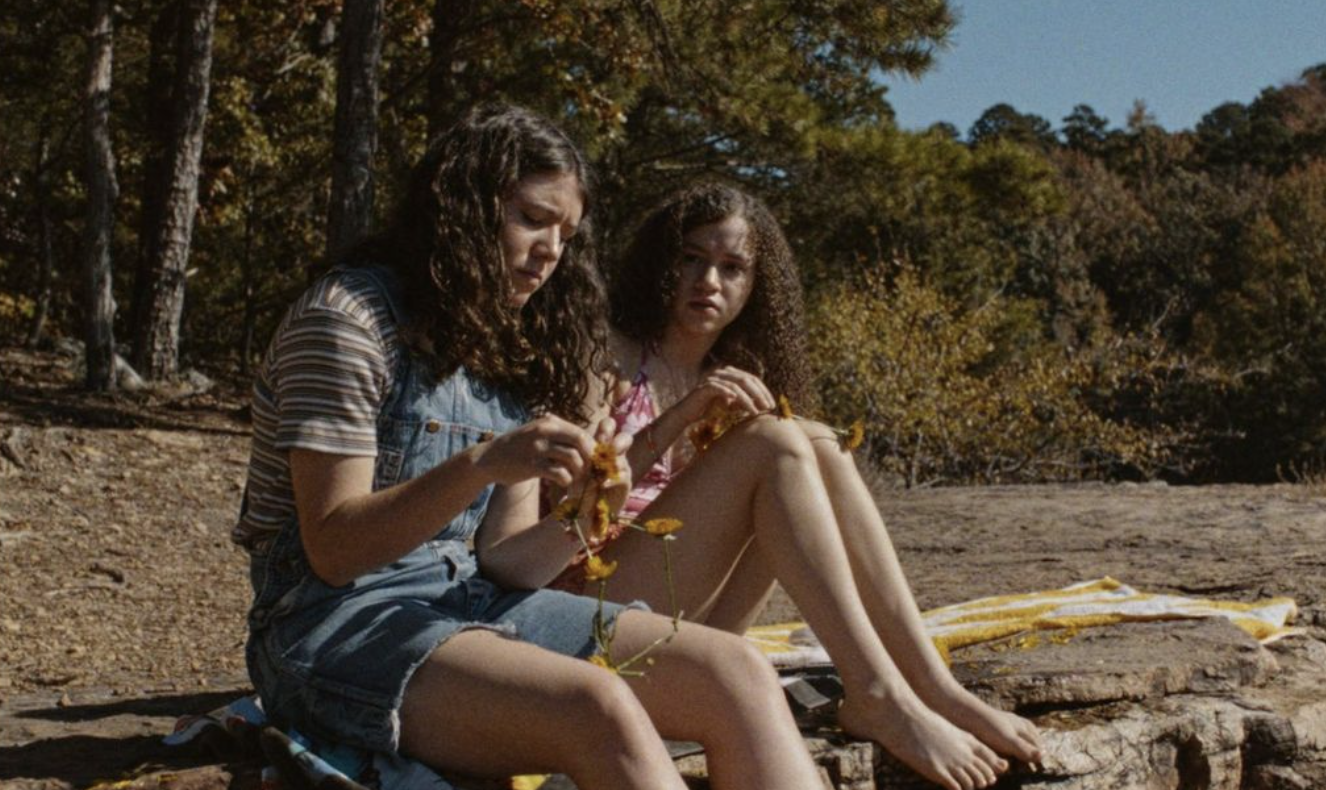
Grief has become a common theme in contemporary cinema. Kelly O’Sullivan and Alex Thompson approached the topic with tremendous tenderness in their 2024 film Ghostlight, and their latest collaboration, Mouse, returns to it from a different perspective. While Ghostlight explored how artistic expression can provide an outlet for those navigating loss, Mouse examines the many ways grief shapes our lives and relationships. Although Ghostlight affected me more deeply, Mouse offers what might be one of the most honest and authentic portrayals of grief I’ve ever seen. O’Sullivan and Thompson refuse to shy away from the messiness, awkwardness, and uglier aspects of the grieving process.
Source: Independent Film Company
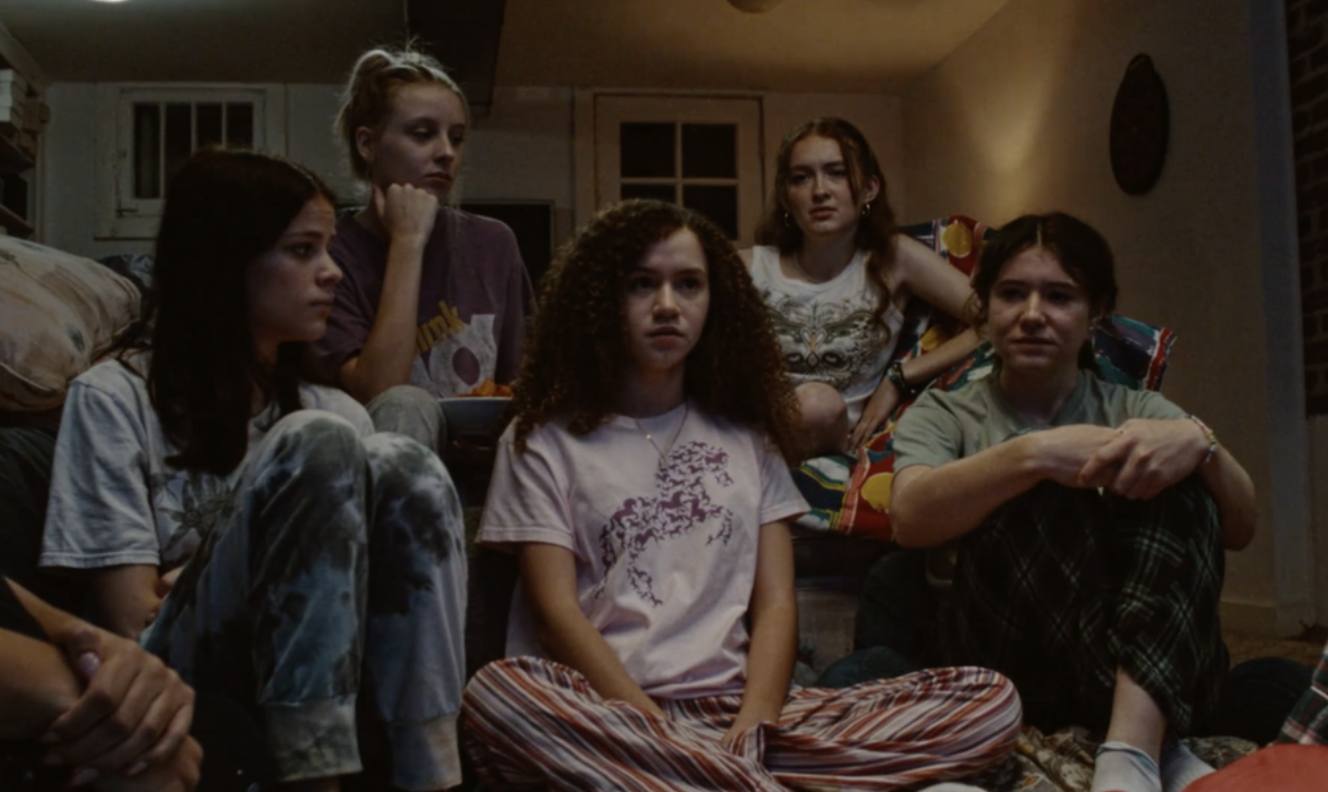
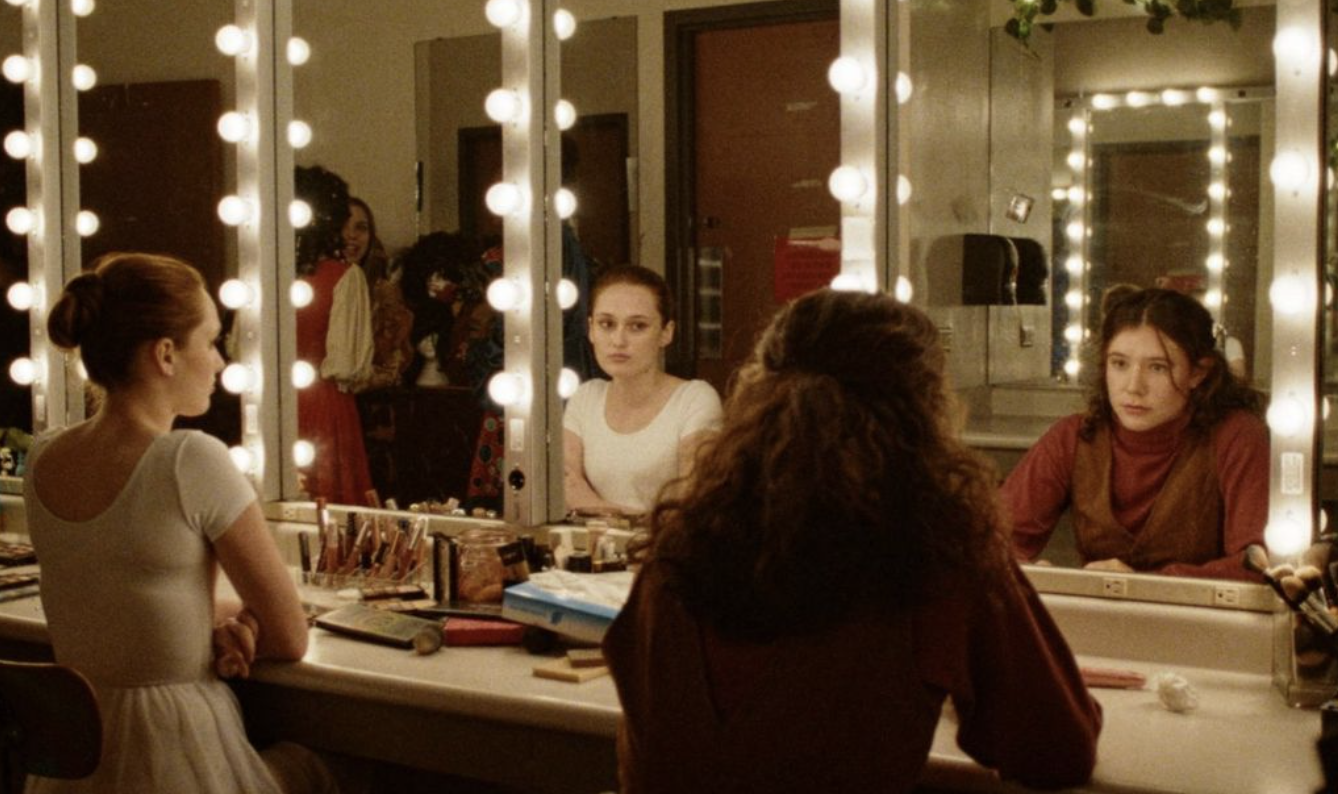
Set in the year 2002, the film opens with Minnie Dunn (Katherine Mallen Kupferer) and Callie Bell (Chloe Coleman) on the verge of their senior year of high school. Outgoing, popular, and talented, Callie seems to have everything going for her, while Minnie struggles to step out of her best friend’s shadow. I immediately found myself relating to Minnie during a scene in which Callie’s other friends, Cara (Audrey Grace Marshall) and Brandi (Addisyn Cain), play a game they call “personal feedback,” pointing out that Callie isn’t particularly smart. When Minnie jumps to Callie’s defense, the girls retort that they always forget Minnie even exists.
Source: Independent Film Company
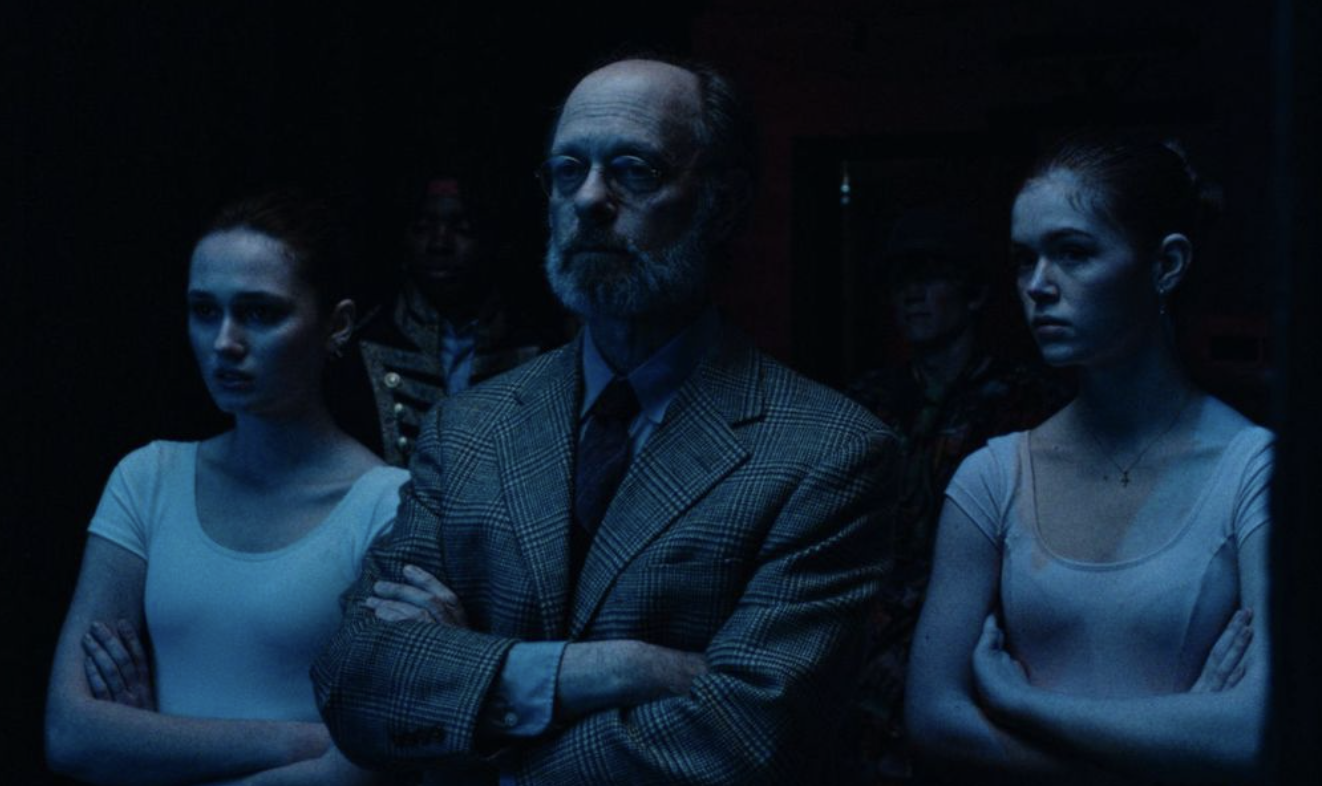
Another subtle but revealing moment occurs during drama class, when Mr. Murdaugh (David Hyde Pierce) leads the students through a series of warm-up exercises. He gives them the prompt, “This is who I am in public,” and while the other students stand tall with their arms outstretched, Minnie cowers, making herself visibly smaller. When he changes the prompt to “This is who I am in private,” the roles reverse. This gives us a glimpse into the divide between how Minnie presents herself to the world and how she feels when no one is watching. As an introvert, it made it especially easy to empathize with Minnie.
Source: Independent Film Company
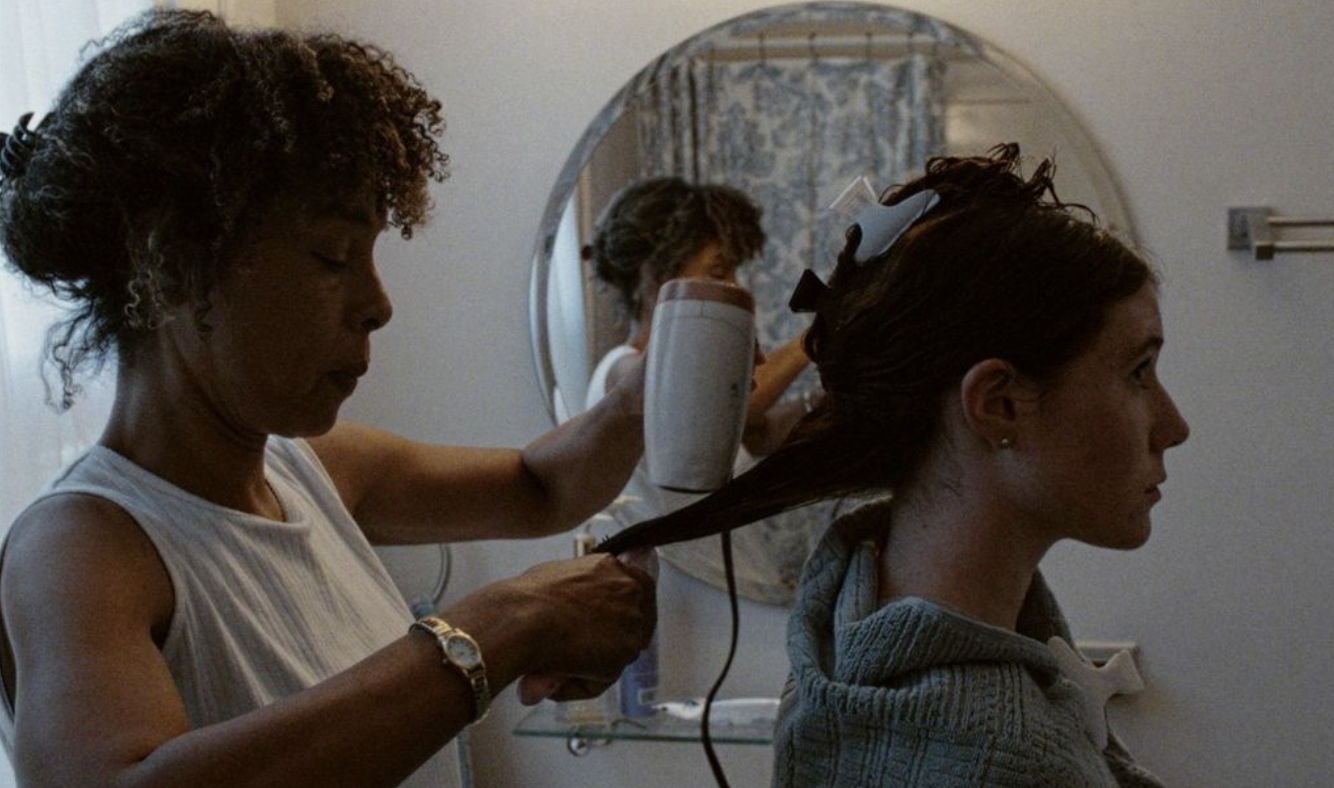
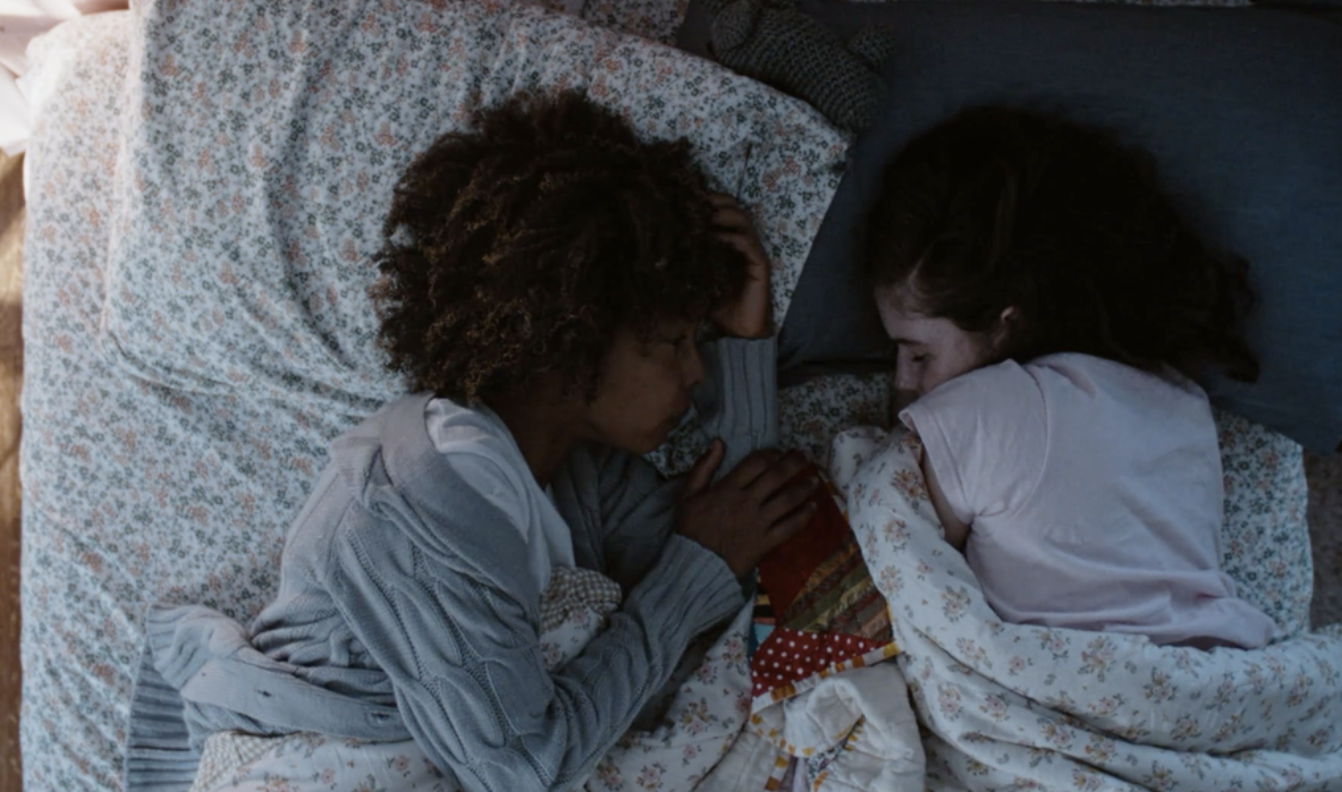
The inciting incident occurs when Callie is killed in a fatal car accident, setting the film’s central conflict in motion. In the aftermath of the tragedy, Minnie grows closer to Callie’s mother, Helen (Sophie Okonedo), while simultaneously becoming more distant from her own mother, Barbara (Tara Mallen). What makes Mouse so special is the way it explores grief from multiple perspectives, capturing the complicated and sometimes contradictory emotions that accompany loss. Cara and Brandi repeatedly refer to Callie as their best friend, sparking resentment in Minnie. It's one of the uglier sides of grief that few films explore: the way some people treat it like a competition, or as Minnie puts it, “the grief Olympics.” Yet the film is so nuanced that it never reduces Cara and Brandi to villains. It acknowledges that their grief is different from Minnie’s, but that doesn’t make it any less real.
Source: Independent Film Company
While I’ve never experienced the death of a best friend, O’Sullivan and Thompson imbue Mouse with a relatability that extends beyond grief, especially for anyone who attended high school in the 2000s. As a child, I was more like Callie, until girls like Cara and Brandi bullied me under the guise of friendship, leaving me quieter and more introverted like Minnie. One scene that stood out to me and made me feel the full spectrum of emotions takes place during senior homecoming. A boy asks Minnie to dance, though the moment carries no romantic implications, as she is clearly interested in Kat (Iman Vellani). The song playing is Lee Ann Womack's "I Hope You Dance,” a song that my mother would always dedicate to her children. It made me think back to my first year in college, when I was desperate to reinvent myself. I danced at a party for the first time, and texted my mom afterward to tell her because I knew she would be proud. She even brought up the song. Dancing at a public event might not seem like a big deal to most people, but for someone like Minnie, it represents a tremendous step outside her comfort zone. When people constantly make you feel small, and you aren’t quite comfortable in your own skin, stepping out onto a dance floor takes an immense amount of courage. It’s a small act of defiance against the insecurities others instilled in you. It’s a way of giving yourself permission to take up space and be seen, regardless of what anyone else thinks. Watching Helen look on as Minnie dances, I felt that same pride, having experienced firsthand how significant such a seemingly small moment can be. At the same time, I felt a profound sadness as I imagined Helen thinking about how she would never get to see her own daughter dance again.
Source: Independent Film Company
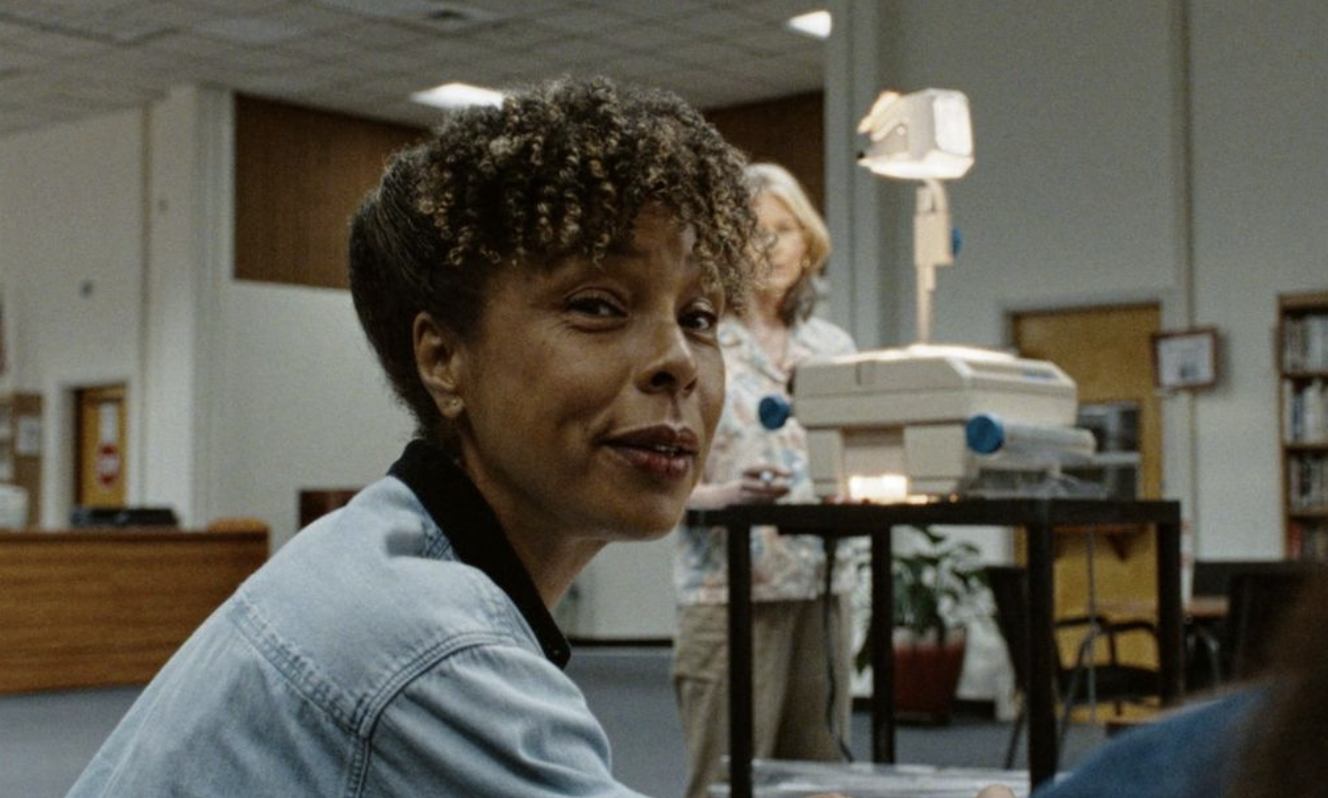
The performances are phenomenal across the board. Katherine Mallen Kupferer is a star on the rise. Much like in Ghostlight, the real-life mother-daughter duo plays mother and daughter on screen, with Kupferer once again starring alongside her mother, Tara Mallen. I’m in awe of their ability to deliver such emotionally layered performances together. There’s an added dimension to watching them portray a strained mother-daughter relationship, knowing that their real-life bond is likely very different from the one they bring to the screen. However, Sophie Okonedo is the standout. She delivers an awards-worthy performance as a mother in mourning, grounding Helen’s grief in such recognizable human emotion that it never veers into melodrama or becomes maudlin. There’s something strikingly raw and real about the way she portrays a woman navigating an unimaginable loss. Even the supporting performances are superb. Iman Vellani is an absolute delight as Kat, the video store employee with whom Minnie becomes romantically involved. She radiates charm and charisma with every scene, leaving me wishing she had more screen time. David Hyde Pierce is equally magnificent, delivering one of the most insightful monologues in the film.
Kelly O’Sullivan’s screenplay makes every character feel multifaceted. No one is reduced to tropes; everyone feels flawed and achingly real, which makes them all the more relatable. The narrative also avoids clichés. There were multiple moments where the story subverted my expectations, opting for something more authentic and true-to-life. Rather than resorting to the kind of overdramatic, contrived situations often found in films about grief, Mouse embraces the messiness and unpredictability of human behavior.
Visually and sonically, the film transports us back to 2002. The costume design, production design, and soundtrack all evoke the era, right down to the way the characters speak to each other. Whether it’s Callie and Minnie singing along to Michelle Branch’s “All You Wanted” in the car or Lit’s “My Own Worst Enemy" playing at a party, the film captures the music and atmosphere of the 2000s, while the cinematography gives it a nostalgic glow. The 2002 setting also lends the film a timeless quality, as social media isn’t a factor in the characters’ lives. The lack of online personas and digital scrutiny keeps the story grounded in the immediacy of the characters’ real-life interactions. As a result, Mouse explores friendship, identity, personal growth, and grief in ways that transcend its specific time period.
Source: Independent Film Company
Mouse is more than a coming-of-age story; it’s a moving meditation on mourning that’s tender, bittersweet, and unflinchingly honest. Although Ghostlight resonated with me more, Kelly O’Sullivan and Alex Thompson once again demonstrate their talent for telling deeply human stories that embrace the messiness of life and feel achingly authentic. Mouse explores aspects of grief rarely seen on screen, from the guilt of allowing yourself to have fun when someone you love is no longer there to the jealousy and competitiveness that can emerge when people mourn the same person in different ways. The film gives its characters the freedom to be awkward, make mistakes, and experience uncomfortable emotions. Above all, it beautifully captures the fact that there is no correct way to grieve and that everyone deserves the space to mourn in their own way.
Mouse was the U.S. Centerpiece at NewFest on October 18, 2026.