

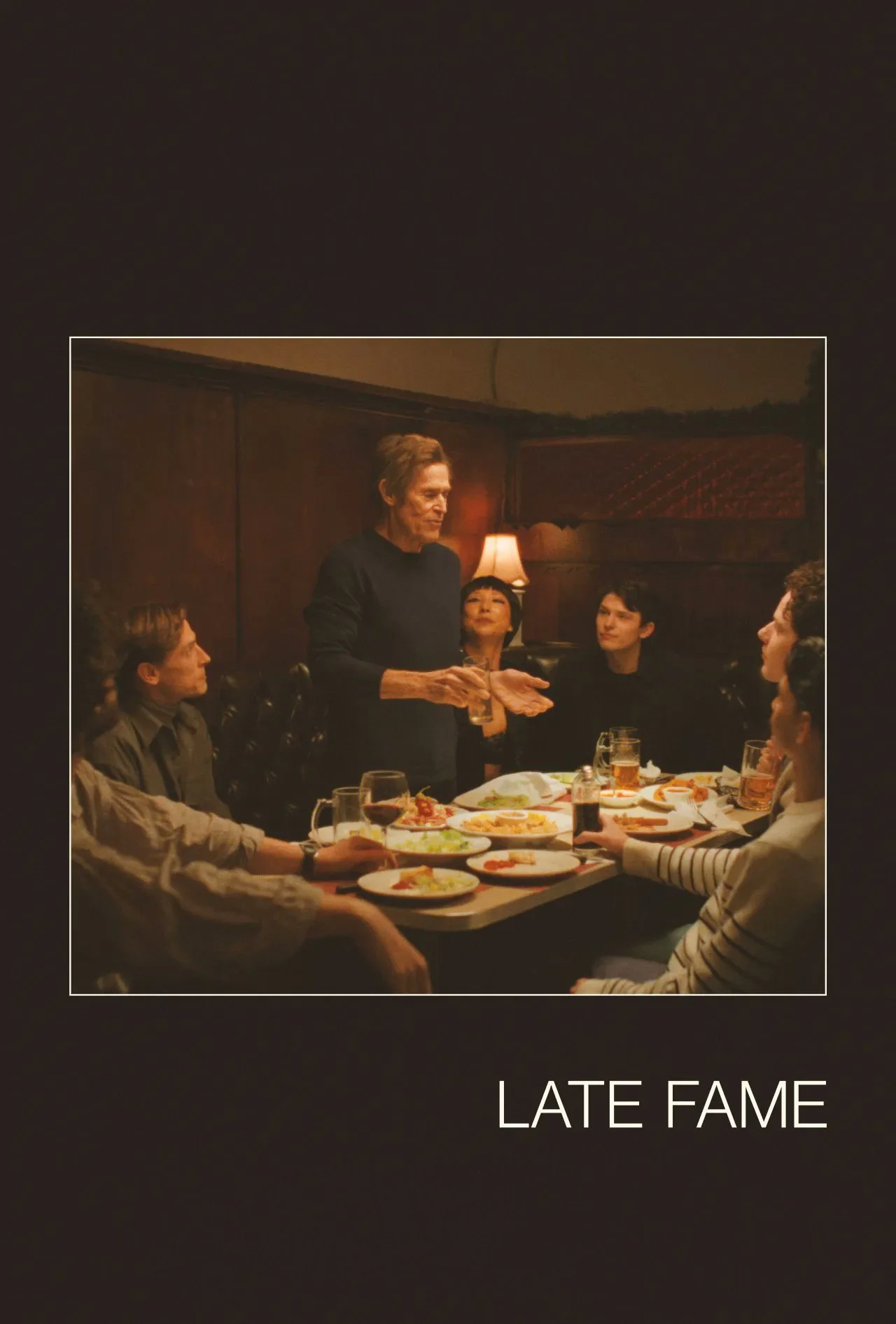
Late Fame — Review
Kent Jones' Late Fame is a quiet indie drama that seems simple on the surface but has so much to say about art, aging, fame, and generational divides. Based on Austrian author Arthur Schnitzler's posthumously published novella of the same name, Samy Burch's screenplay transports the story to modern-day New York City. This is not the first time a Schnitzler novella has been reimagined as a story set in contemporary New York; Stanley Kubrick's Eyes Wide Shut (1999) similarly transformed Schnitzler's Dream Story into a modern city setting. Both adaptations demonstrate the enduring relevance of Schnitzler's themes across different time periods and countries. The publication history of Late Fame itself creates an intriguing parallel with the film's central premise. Schnitzler wrote the novella in 1894–1895, but it remained unpublished until 2014. Likewise, the film follows a poet whose work goes unrecognized until decades after it was written. Willem Dafoe stars as that poet, Ed Saxberger, and his performance is the glue holding Late Fame together.
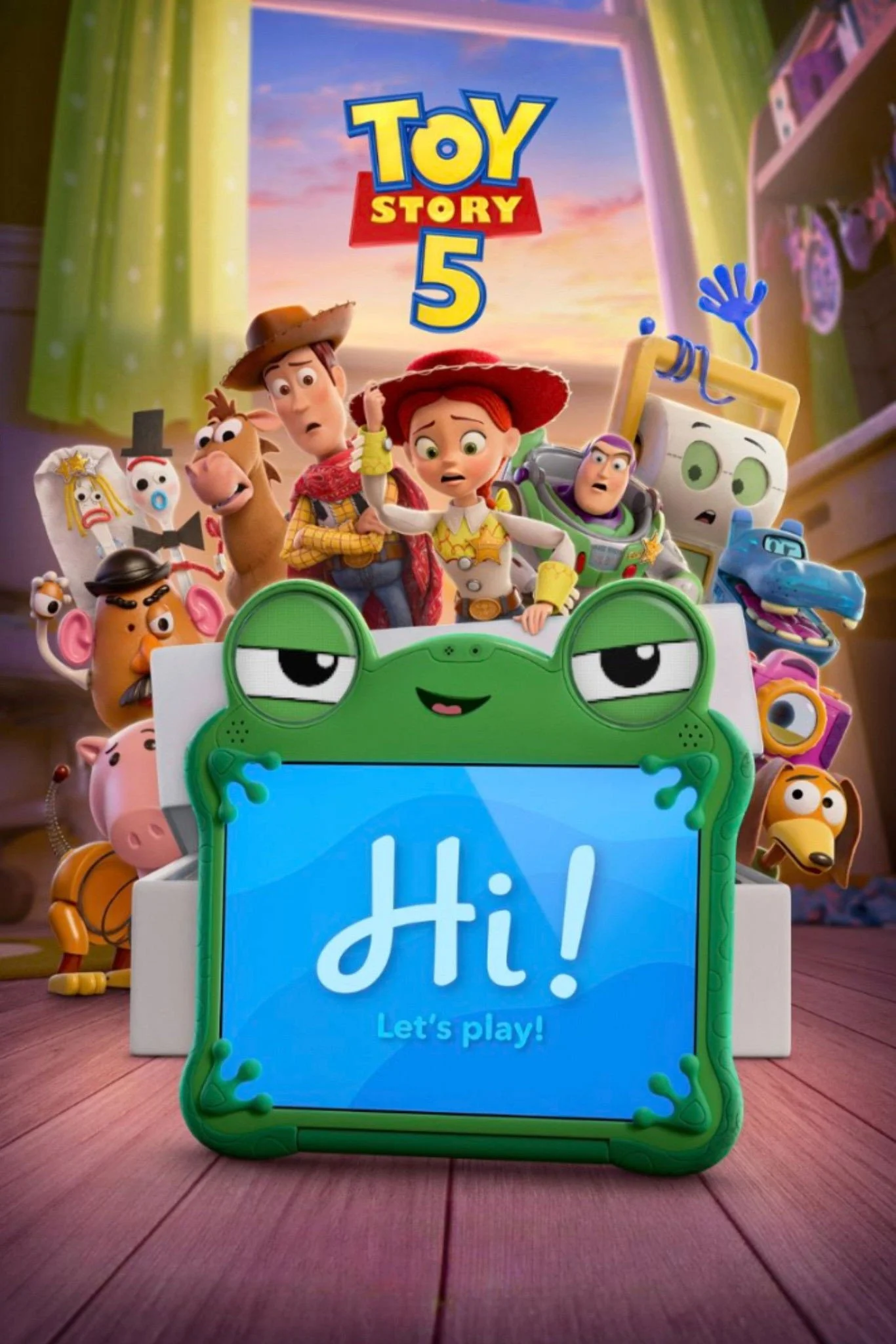
Toy Story 5 — Review
The problem with so many modern-day sequels is that they rarely do enough to justify their existence, often feeling like shameless cash grabs that resort to recycled storylines. That's part of what has always made the Toy Story films so refreshing: they consistently find a new story that has something meaningful to say. The lengthy gaps between installments are a testament to that. If Pixar were simply interested in cashing in on the franchise, we'd likely be getting a new Toy Story movie every year or two. Instead, the studio takes its time, only returning to these characters when it has a story it genuinely believes is worth telling. When Andrew Stanton’s Toy Story 5 was announced, many people's first reaction was, "Do we really need another one?" In an era where childhood looks radically different from what it did when the franchise began, the answer is a resounding yes.

TRON: Ares — Review
More than a decade after Joseph Kosinski’s TRON: Legacy reinvigorated the franchise with neon spectacle and a Daft Punk score, Joachim Rønning takes the reins and brings us back into the Grid with TRON: Ares. This sequel is refreshing in the sense that it’s the rare follow-up that doesn’t succumb to nostalgia bait, keeping fan service and references to its predecessors to a minimum. Instead of rehashing familiar territory, TRON: Ares aims to update the franchise for the AI age. Unfortunately, the very screenplay that strives to do something fresh and different is also the film’s downfall. Despite its ambitions, the film ultimately feels more synthetic than inspired. Any attempts at exploring themes of sentience and digital autonomy feel frustratingly surface-level for a film of this caliber.