

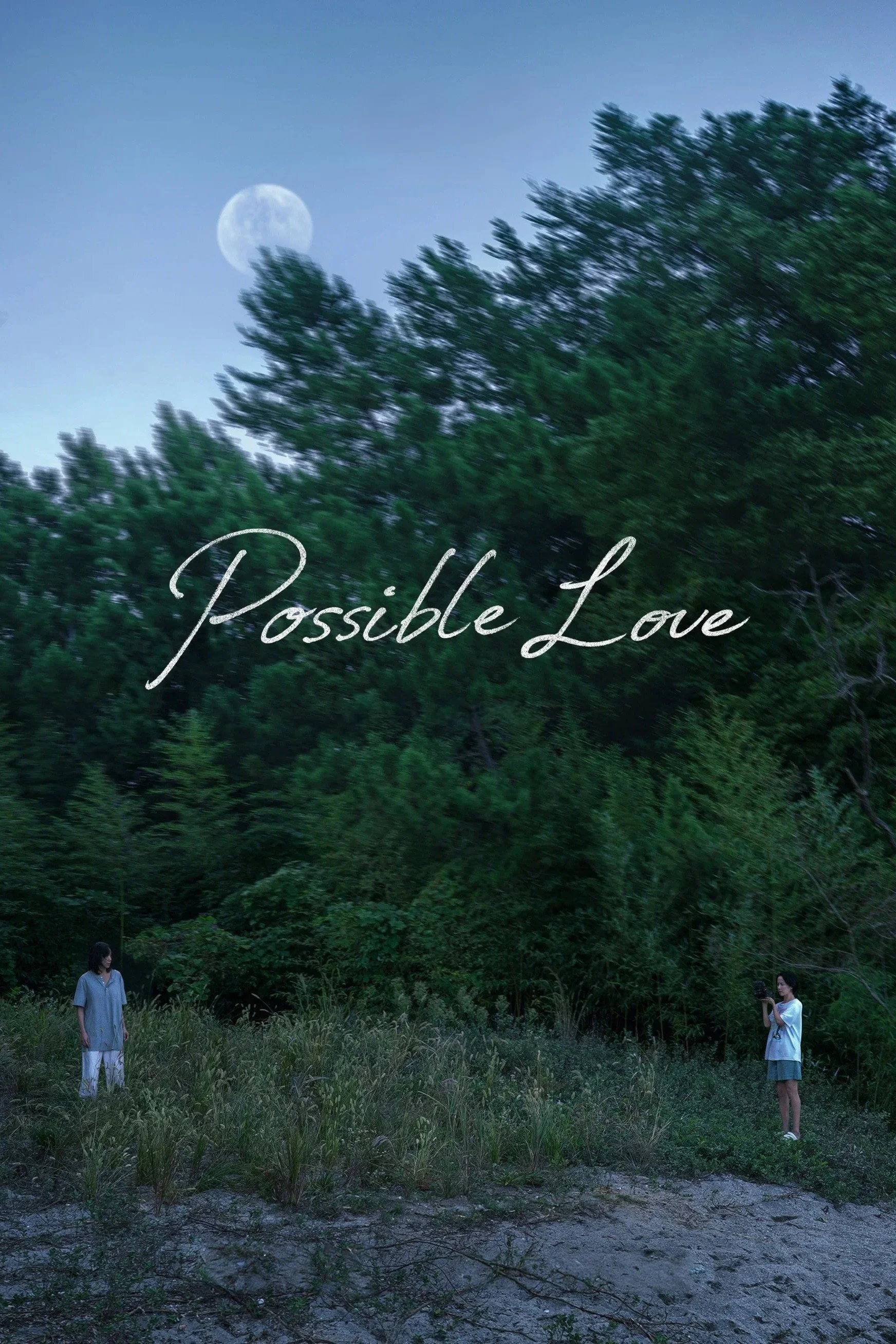
Possible Love — NYFF Review
The title of Lee Chang-dong’s first film in almost a decade feels somewhat misleading. Possible Love suggests a simple love story, but in reality, it delves into something far more complex. The film draws inspiration from Krzysztof Kieślowski’s Dekalog (1989) and even opens with the commandment: “Thou shalt not covet.” Yet to call this a story about envy would also be far too reductive. Instead, Possible Love is a richly nuanced character study and an understated examination of class divisions, desire, and the subtle tensions that emerge between people from vastly different circumstances.

La Bola Negra — Review
Javier Calvo and Javier Ambrossi's La Bola Negra is one of the best films of 2026, and it is easy to see why the directing duo—collectively known as Los Javis—won the Best Director prize at the Cannes Film Festival. An expansive story spanning decades of Spanish history, the film interweaves the stories of three gay men across three time periods: 1932, 1937, and 2017. The film also showcases immense creativity from a screenwriting standpoint. The film was partially inspired by Federico García Lorca’s unfinished play La Bola Negra, with Lorca himself also appearing as a character, played by Alberto Cortés. The screenplay, co-written by Los Javis and Alberto Conejero, also draws inspiration from Conejero’s play La Piedra Oscura. The result is a remarkably ambitious work that transforms its sprawling historical narrative into a moving meditation on queer identity, secrecy, love, and the possibility of living without shame.

Train Dreams — Montclair Film Festival Review
At one point during Clint Bentley’s film Train Dreams, a character ponders, “Beautiful, ain’t it? All of it. Every bit of it.” That line perfectly sums up not only the film, but also life itself. Train Dreams isn’t just beautiful, it’s one of the most visually breathtaking films of the year. All of it. Every bit of it. From the warm, joyous moments to the devastating disasters and even the insubstantial bits in between.

The Perfect Neighbor — Review
The Perfect Neighbor almost feels like the antithesis of Errol Morris’ The Thin Blue Line, but it’s equally groundbreaking. Where The Thin Blue Line pushed the boundaries of documentary filmmaking through its stylized re-enactments and interview structure, adding dramatization to the documentary format, Geeta Gandbhir strips that away and experiments with the genre by constructing her film almost entirely out of police body cam footage. This decision is both bold and effective, grounding the viewer directly in the moment. It destabilizes the comfortable distance that audiences are often afforded in true crime narratives, forcing us to feel as if we’re witnessing the events in real time.

Jay Kelly — Montclair Film Festival Review
Noah Baumbach’s Jay Kelly is a mixed bag, oscillating between entertainment industry satire and dramatic character study. Sometimes the film feels self-indulgent, other times accessible and crowd-pleasing. It’s fitting that the film begins with the Sylvia Plath quote, “It's a hell of a responsibility to be yourself. It's much easier to be somebody else, or nobody at all.” It’s a sentiment that’s echoed throughout the film when movie star Jay Kelly (George Clooney) responds to a question about how he always plays himself in movies with, “Do you know how difficult it is to be yourself? You try it." It’s fitting because Baumbach’s film feels like it’s having an identity crisis, unsure of what type of movie it wants to be or which direction to go in.

Nouvelle Vague — NYFF Review
Nouvelle Vague is equal parts a love letter to the French New Wave and a hangout movie. Richard Linklater has been discussing his desire to make a film about the production of Jean-Luc Godard’s Breathless for over a decade, and with Nouvelle Vague, he turned that vision into a reality. It’s a film about the French New Wave shot in the style of the era. However, it’s difficult to say whether someone like Jean-Luc Godard himself would love it or hate it, as it feels like a loving homage that occasionally veers into unintentional parody.