

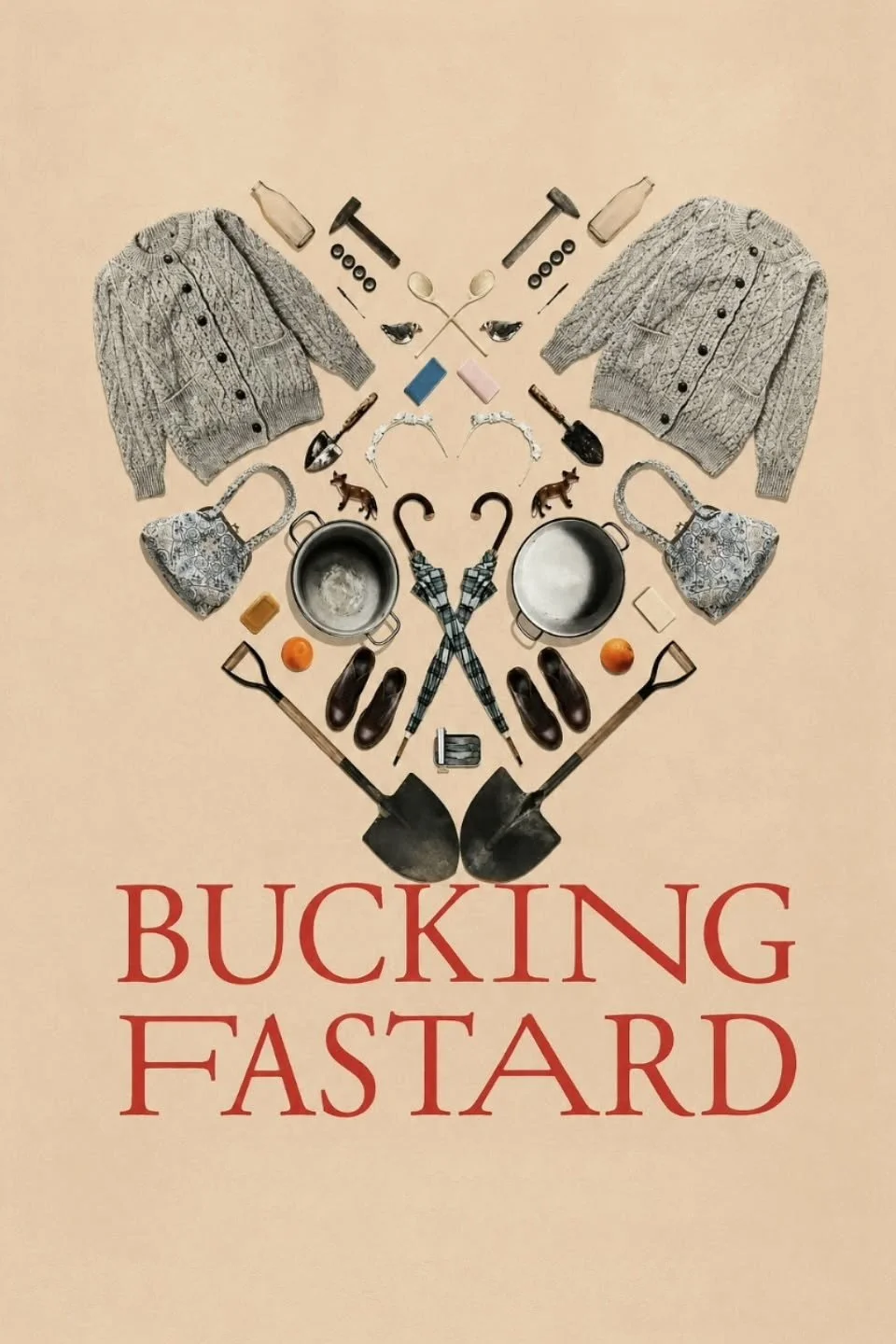
Bucking Fastard — NYFF Review
Bucking Fastard is one of the most unique films of the year and marks Werner Herzog’s first fiction film in seven years. It’s also destined to be divisive, as it follows a pair of sisters who walk, talk, and act in unison, which may be grating for some viewers. Yet beneath its awkward, absurd humor lies a touching story about love and empathy. At one point, a character remarks, “Everything in this world confuses me,” and audiences may leave with the same reaction to the film itself. However, much of the film follows the sisters as they dig a tunnel in search of a place where they can finally feel like they belong, and if audiences are willing to dig below the surface of the film itself, there’s a deeper, rewarding meaning to uncover.
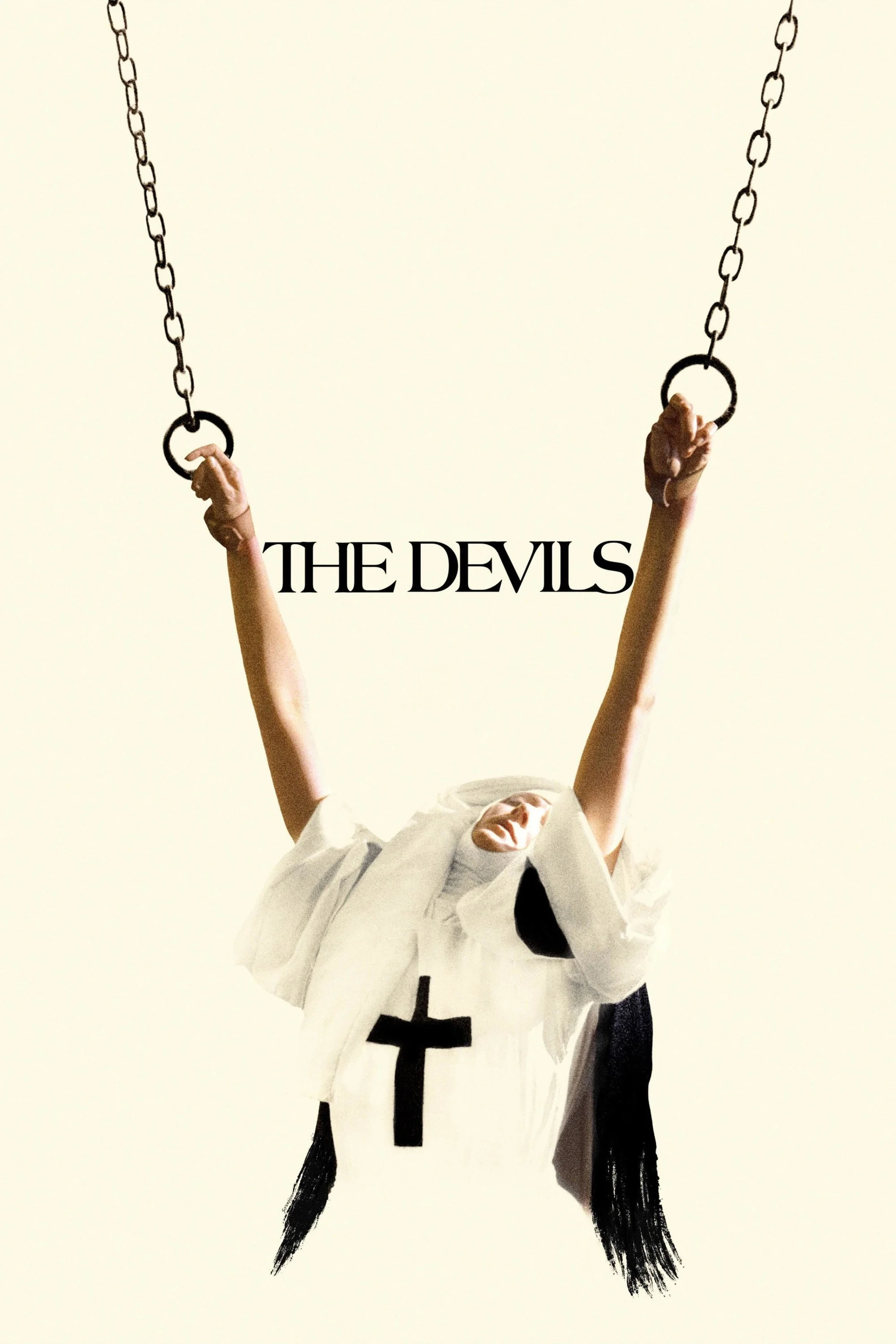
The Devils 4K Restoration — NYFF Review
Good art should make you uncomfortable. It should push boundaries and make you question everything you thought you knew. If there’s one filmmaker whose work feels synonymous with the phrase “pushing boundaries,” it’s Ken Russell. His 1971 film, The Devils, is arguably the most boundary-pushing film of his entire career. It may have been one of the most popular films at the British box office in 1972, but it received negative reactions from critics. Roger Ebert gave it zero stars. Tony Mastroianni of the Cleveland Press said Ken Russell directs movies “with all the delicacy of Jack-the-Ripper and even less restraint,” going on to argue that The Devils has little substance and that “most of it is lurid for the sake of being lurid.” Beyond its poor critical reception, the film was also censored and banned in some countries. However, in recent years, the film has experienced a critical re-evaluation. With dozens of sold-out screenings of the 4K restoration of the director’s cut, it feels as though the film and Ken Russell are finally getting the respect that they deserve.

Possible Love — NYFF Review
The title of Lee Chang-dong’s first film in almost a decade feels somewhat misleading. Possible Love suggests a simple love story, but in reality, it delves into something far more complex. The film draws inspiration from Krzysztof Kieślowski’s Dekalog (1989) and even opens with the commandment: “Thou shalt not covet.” Yet to call this a story about envy would also be far too reductive. Instead, Possible Love is a richly nuanced character study and an understated examination of class divisions, desire, and the subtle tensions that emerge between people from vastly different circumstances.

Tender Loving Care — NYFF Review
One of filmmaker Mike Leigh’s greatest talents is his ability to make his characters feel like real people, and his latest film—and possibly his last—Tender Loving Care is no exception. Due to his battle with myositis, Leigh has stated that this will likely be his final film, and that confrontation with aging and mortality feels reflected in the film itself. The result is a film that slowly sneaks up on you but is as poignant, powerful, and delightfully hilarious as anything he’s made before.
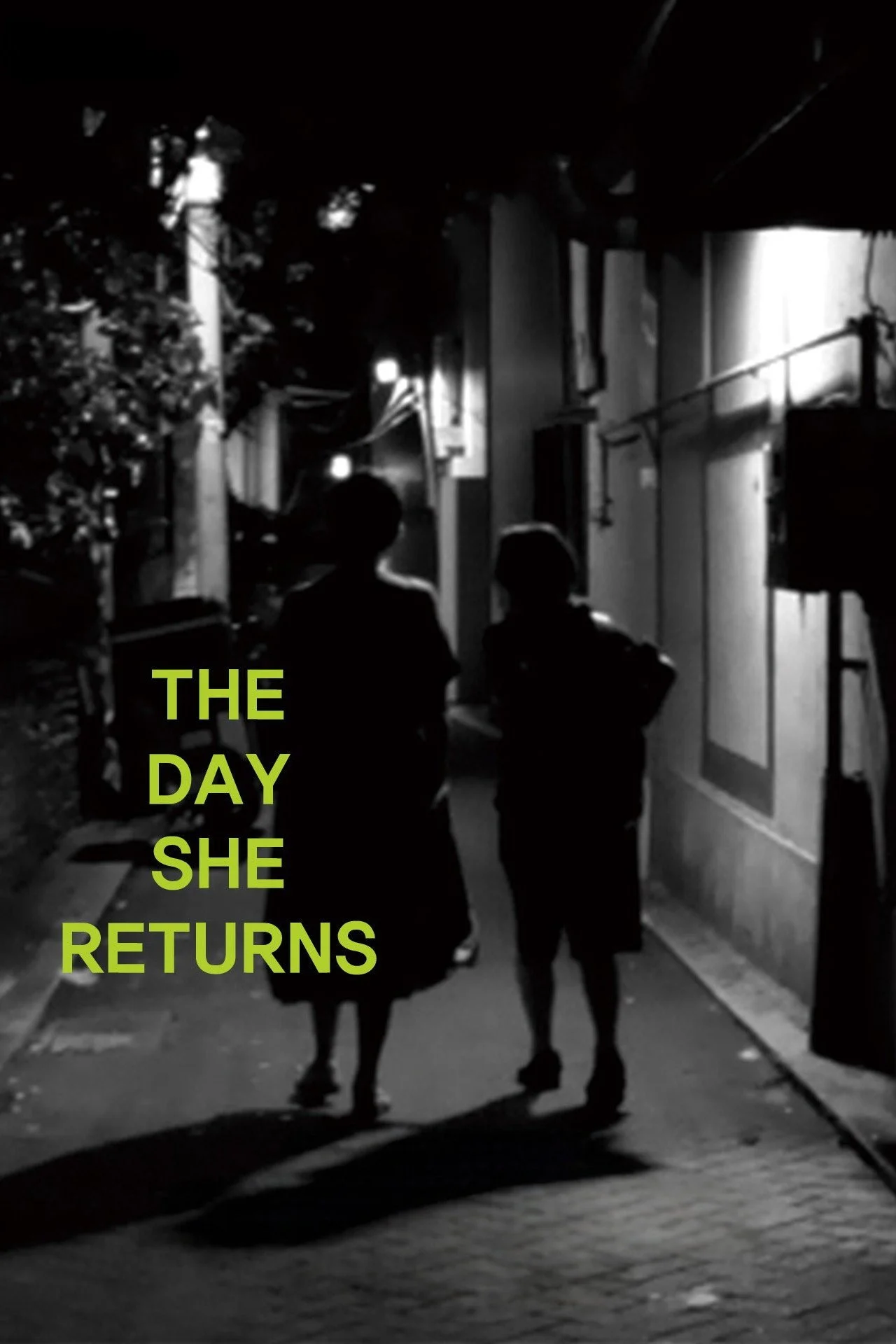
The Day She Returns — NYFF Review
The Day She Returns, the latest film from Hong Sang-soo, fits perfectly into his oeuvre, delving into themes of repetition, memory, and the act of filmmaking itself. The film follows Bae Jeongsu (Song Seon-mi), a previously retired actress who has recently returned to work in an independent film. She participates in a series of press interviews to promote her upcoming project, with the film divided into separate chapters, the first three depicting three different interviews that take place at a German restaurant. Eventually, Bae Jeongsu is asked to recreate these interviews in an acting class, but she finds herself unable to remember exactly what was discussed.
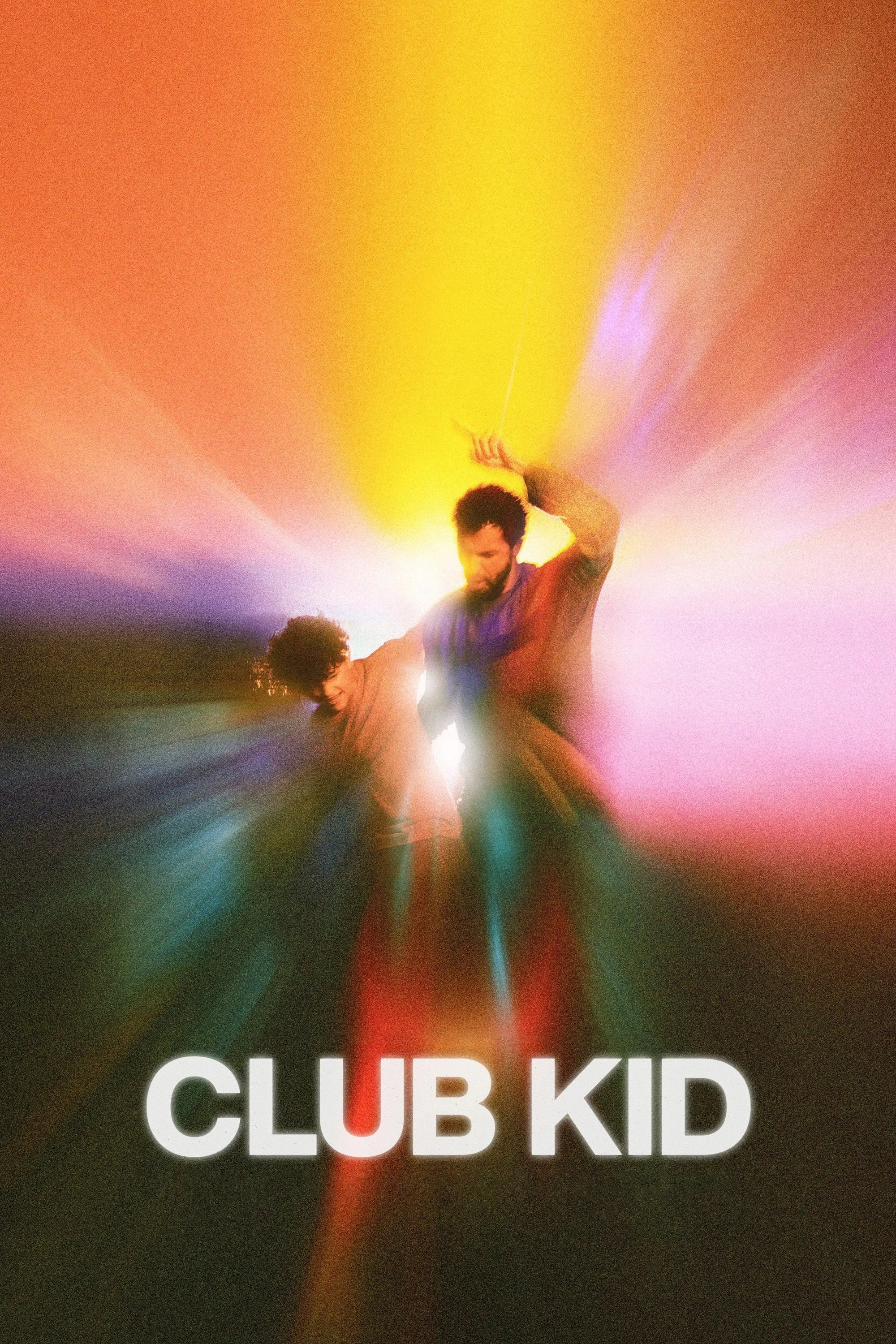
Club Kid — NYFF Review
Jordan Firstman’s Club Kid is one of the strongest feature film debuts in recent years. Firstman serves as the film’s writer, director, star, and executive producer. Yet the film feels more refined than some of the recent movies from far more seasoned filmmakers. I try to refrain from being hyperbolic in my reviews, and while I understand that no film can ever legitimately be described as perfect, Club Kid is about as close to a flawless film as I think you could get. Literally the only criticism I could come up with is that its multiple sequences featuring strobe lights may make the film inaccessible to people with photosensitive epilepsy. Beyond that, I honestly cannot think of a single thing I would change about this film.

Everything Else Is Noise — NYFF Review
Everything Else Is Noise is a fitting title for writer, director, and cinematographer Nicolás Pereda’s new film. Sound is what carries the film, whether it’s the blaring horns of a traffic jam or the incessant barking of a neighbor’s dog. Not only does the film essentially function as a chamber piece, with only a few characters largely confined to one location, but it’s also a work of docufiction, blending elements of documentary and narrative filmmaking. Despite its genre hybridization, it also feels like a riff on the French New Wave. It devotes nearly the first five full minutes of its succinct 71-minute runtime to an overhead shot of a traffic jam, calling to mind the infamous scene from Jean-Luc Godard’s Breathless (1960). These stylistic choices make Everything Else Is Noise a fascinating filmmaking exercise, even if they do not always make for an especially entertaining film.
All of a Sudden — NYFF Review
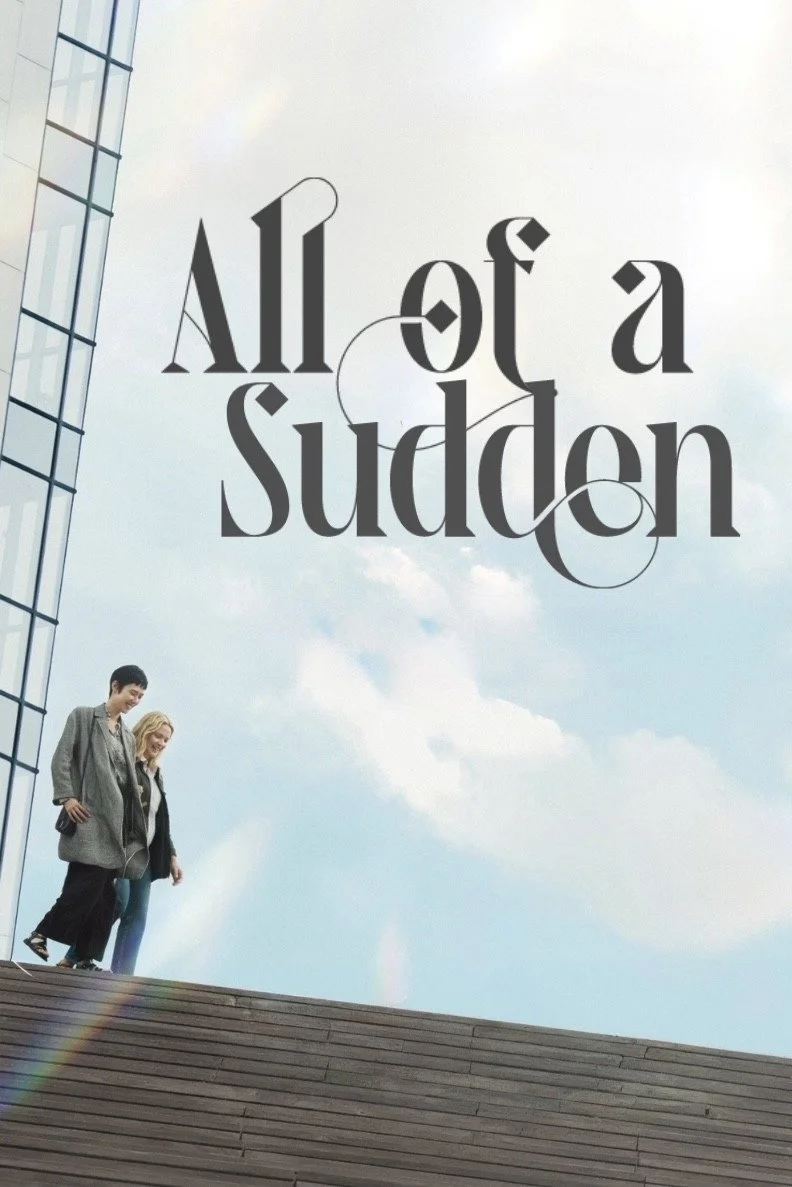
Like many of Ryusuke Hamaguchi’s previous films, his latest feature, All of a Sudden, is a gentle, patient movie. It paints a fascinating portrait of the intersection of care and capitalism while simultaneously offering a thoughtful examination of work-life balance and how some people treat burnout like a badge of honor. Yet at its core, the film is a meditation on what it means to be alive and to truly connect with others.

Fjord — NYFF Review
Cristian Mungiu's Palme d'Or-winning Fjord is the type of movie that will likely inspire conversations that are ultimately more compelling than the film itself. That’s not to say it’s a bad film by any means. It’s a thoughtful, meticulously observed drama that raises difficult and thought-provoking questions about religion, parenting, and cultural differences. However, its measured, deliberately restrained approach often makes it feel emotionally distant and painstakingly slow.
Marty Supreme — Review
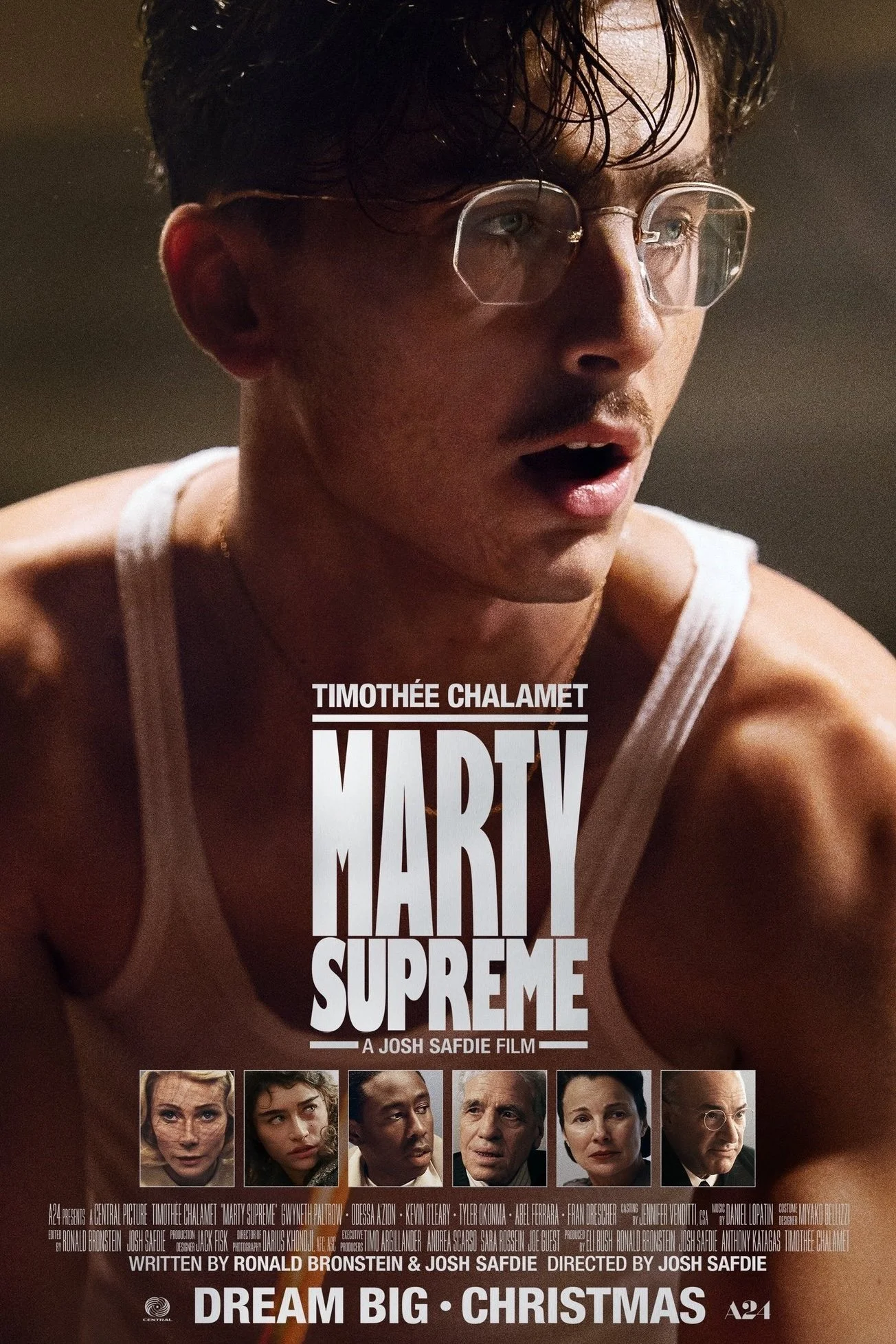
Josh Safdie’s Marty Supreme fuses the relentless intensity of Uncut Gems with the Kafkaesque absurdity of After Hours, transforming the sports film into something fresh, audacious, and unapologetically original. It’s a funny, stressful, and wildly unpredictable odyssey. The runtime flies by in a frenzy of ambition, ego, and escalating disaster, chronicling one man’s quest to become the world’s greatest table tennis player, which spirals into a series of startling misadventures.
Long-time collaborators Josh Safdie and Ronald Bronstein have once again proven that they’ve mastered the art of constructing protagonists who are deeply reprehensible yet impossible to look away from, characters so volatile that watching them is like witnessing a train wreck in real time. Their latest antihero, Marty Mauser (Timothée Chalamet), is very loosely based on professional table tennis player Marty Reisman. He’s a man in pursuit of greatness and a whirlwind of charm and arrogance, driven by unchecked ambition and bravado. Safdie and Bronstein wrote the role specifically for Chalamet, and it shows. No one else could have made such an egotistical character so enticing to watch. Chalamet brings the character to life with gusto and magnetism, making his every scheme and self-inflicted catastrophe both horrifying and hilarious. He oozes charm, but he’s also a tornado destroying everything in its path. Marty Supreme boasts some of the most hysterical line deliveries of Chalamet’s career thus far.
Right from the start, Safdie expertly establishes the film’s tone. We’re first introduced to Marty as he’s working in a shoe store. His married neighbor Rachel (Odessa A’zion) stops in, and the pair have sex in the back, but not before Marty’s boss discusses promoting him to manager. Marty scoffs at the idea, believing he has a purpose and is destined for something bigger. The delightfully off-kilter title sequence begins when the film transitions from the sex scene to footage of sperm swimming toward an egg. The egg transforms into a ping pong ball, presenting us with the film’s title and then landing us smack dab in the middle of a table tennis tournament. The title sequence perfectly captures the film’s sense of humor and liveliness, signaling to the audience that they’re in for an offbeat and uninhibited thrill ride.
Marty Supreme features an eclectic ensemble cast and a foray of fascinating characters. Odessa A’zion proves she has all the makings of a star, perfectly matching Chalamet’s energy. Tyler Okonma shines in his first true big-screen performance as Marty’s best friend, Wally, who accompanies Marty on many of his hijinks but also brings a sense of level-headedness and rationality. In addition to Rachel, another potential love interest for Marty emerges in the form of retired movie star Kay (Gwyneth Paltrow), who’s stuck in a loveless marriage to wealthy entrepreneur Milton Rockwell (Kevin O’Leary). Paltrow plays Kay with a mix of wry detachment and curiosity. Abel Ferrara is a scene-stealer in his small role as Ezra, a dog owner who happens to cross paths with Marty in the most unfortunate manner. These are just a few of the interesting characters who end up entangled in Marty’s messes or bear witness to his shenanigans.
However, the true stars of the film are the screenplay, editing, and score. Safdie and Bronstein’s script masterfully ratchets up the tension, keeping us on the edge of our seats. It’s impossible to predict where the plot is headed from one minute to the next. Yet, somehow, the ridiculous situations Marty finds himself in never feel totally out of touch with reality. What sets Marty Supreme apart from other sports films is Safdie and Bronstein’s deliberate rejection of the formula. This isn’t a conventional underdog story or a stereotypical tale of redemption. Instead, it traces a ping pong prodigy’s fall from grace as he digs himself deeper and deeper into a hole he’s desperately trying to claw his way out of. Safdie subverts expectations and injects the sports genre with some much-needed life and personality.
The editing is exceptional, amplifying the film’s frenetic energy and maintaining a taut pace from start to finish. Each scene surges with turbulent momentum and rarely lets up off the gas. For a film that’s two and a half hours long, it feels shockingly succinct and never overstays its welcome. Daniel Lopatin’s pulsing score is his best work to date. It almost feels akin to the music he composed for Benny and Josh Safdie’s Good Time, permeating the film with an unshakeable feeling of anxiety and an endless rush of adrenaline. The music adds a heart-pounding rhythm, infusing each scene with a raw, electrifying intensity that propels the story forward. Darius Khondji’s cinematography is breathtaking. The project was shot on 35mm, giving it a grainy, raw texture reminiscent of a gritty, lost New York drama from a bygone era. The combination of the meticulous shot composition, galvanizing score, and kinetic editing makes the tournament sequences thrilling; ping pong has never felt so riveting.
Despite being a Josh Safdie film, Marty Supreme feels like it would fit right in alongside Martin Scorsese’s filmography. Marty’s haughtiness and drive for success evoke The Wolf of Wall Street, as our protagonist is charming yet detestable. The film has echoes of The Aviator because it’s a period piece inspired by a real person who becomes involved with a Hollywood actress and whose life spirals out of control. But above all, it feels like After Hours for the way things go wrong for our protagonist in the most outrageously hilarious and unexpected ways. Yet, at its core, Marty Supreme is unmistakably a Safdie film, with its heart-pumping, panic-attack-inducing narrative that’s simultaneously a love letter to New York City.
Marty Supreme is a triumph of controlled chaos, an adrenaline rush disguised as a sports movie. Safdie channels the anxiety and absurdity of ambition into something exhilarating, unnerving, and hilarious. If Uncut Gems is a panic attack, Marty Supreme is a manic joyride. It overwhelms the senses with its breathless pacing, razor-sharp storytelling, and electrifying score. It’s a wildly unforgettable journey that not only made my heart race and my jaw drop, but it also made me hold my breath, burst out laughing, cringe, wince, gasp, and everything in between. By the time the credits roll, you’re left unsure whether to laugh, exhale, or pop a Xanax. Yet, one thing is certain: Marty Supreme is a sports film unlike any other.

Resurrection — NYFF Review
No one is making movies quite like Bi Gan. His latest outing, Resurrection, is an enchanting, experimental cinematic voyager through time, space, and genre. It’s an exploration that takes us through the past, present, future, and back again. It’s a loving ode to a century of cinema history and a spectacular visual feast, with astonishing production design, immaculate sound work, and mesmerizing cinematography.

Is This Thing On? — NYFF Review
Bradley Cooper’s third feature film, Is This Thing On?, exhibits the same intrigue with romantic complexities and a passion for the arts that were on display in his previous films, A Star Is Born and Maestro. This time, however, the art form is stand-up comedy rather than music. The film follows Alex Novak (Will Arnett), who reaches an amicable decision with his wife Tess (Laura Dern) to separate. One night, Alex wants a drink, but the bar has a $15 cover charge. The bouncer informs him that people who sign up for the open mic night are exempt from the cover, so he signs up. This awakens something in him, and he rapidly develops a passion for performing stand-up. On the surface, Is This Thing On? seems like it would be a simple movie about a man coping with his impending divorce by pursuing stand-up comedy, but in reality, it’s so much more than that.

Sound of Falling — NYFF Review
Mascha Schilinski’s Cannes Jury Prize-winning Sound of Falling is simultaneously sprawling yet incredibly intimate. It truly feels like traveling through time and inhabiting multiple lives. The film is set at a farmhouse in the Altmark region of Germany and follows the lives of four girls who lived there during distinct time periods. Alma (Hanna Heckt) lived there shortly before World War I. The farmhouse was Erika’s (Lea Drinda) home at the end of World War II. Angelika (Lena Urzendowsky) called the house her home in the 1980s. Lastly, Lenka’s (Laeni Geiseler) story is set in the present. Despite their different circumstances, there are surprisingly similarities that each girl shares. Sound of Falling is a haunting, beautiful film that feels poetic and almost impressionistic in its storytelling as it weaves in and out of each girl’s unique story.

Pillion — NYFF Review
Harry Lighton’s directorial debut, Pillion, is one of the most thoughtful and tender portraits of a BDSM relationship ever put to screen. Too often, cinematic depictions of BDSM lean on stereotypes—turning dominants into predators, objectifying submissives, or portraying the community as something seedy and dangerous. Pillion rejects those false and harmful clichés. Lighton approaches kink with surprising sincerity, crafting a film that’s erotic, intimate, and deeply romantic without ever slipping into judgment or sensationalism.

It Was Just An Accident — NYFF Review
Jafar Panahi’s Palme d’Or-winning It Was Just An Accident is a masterclass in balancing tonal extremes. The film shifts between humor and rage with remarkable dexterity. Panahi injects a surprising amount of levity into a story that’s both dark and devastating, striking a pitch-perfect balance that keeps the audience laughing, engaged, and unsettled in equal measure. It Was Just an Accident is a captivating, darkly hilarious, and thought-provoking exploration of the futility of revenge and the vicious cycle of vengeance it perpetuates.

Nouvelle Vague — NYFF Review
Nouvelle Vague is equal parts a love letter to the French New Wave and a hangout movie. Richard Linklater has been discussing his desire to make a film about the production of Jean-Luc Godard’s Breathless for over a decade, and with Nouvelle Vague, he turned that vision into a reality. It’s a film about the French New Wave shot in the style of the era. However, it’s difficult to say whether someone like Jean-Luc Godard himself would love it or hate it, as it feels like a loving homage that occasionally veers into unintentional parody.

Anemone — NYFF Review
Ronan Day-Lewis’ feature directorial debut, Anemone, is likely to spark accusations of “nepotism” because the film serves as his father Daniel Day-Lewis’ return to acting after retiring in 2017. However, the father-and-son duo also wrote the screenplay together, and their shared passion for this project is evident. Moreover, right from the film’s opening frames, it’s evident that Ronan Day-Lewis exhibits major promise in the director’s chair.

After the Hunt — NYFF Review
I know it’s a sin to review a movie by dwelling on what the movie could have been or should have been instead of what it actually is, but I made the mistake of reading a draft of Nora Garrett’s screenplay for After the Hunt prior to seeing the film. The script was so enthralling, I couldn’t put it down. The characters were despicable yet deeply human. They were complex, layered, and captivating. The social commentary was timely and sharp without feeling preachy. The narrative flowed with momentum and precision, steadily building up tension. It even threw in a few surprises, but ones that still made sense narratively. It was everything I wanted Todd Field’s TÁR to be, and more. Traces of that brilliance still linger in the version that made it to screen, but they’re buried beneath a mass of baffling changes and ill-conceived stylistic choices, resulting in a film that feels scattered, bogged down, and bewildering.
Sirāt — Video Review
Spoiler-free video review of Oliver Laxe’s Sirāt, starring Sergi López, Bruno Núñez, and Stefania Gadda.

I Had No Other Choice But to Turn This Movie Review Into a Personal Rant
In September 2023, a single phone call shattered my world. Much like the protagonist in the opening scene of Park Chan-wook’s No Other Choice, I thought I had it all. After overcoming a childhood steeped in financial strain, I finally secured a job that freed me from living paycheck to paycheck. My success exceeded my wildest expectations, given the position from which I started. I thought I made it. But then, everything was ripped right out from under me in an instant.