We Bury the Dead — Review
Source: Vertical Entertainment
In recent years, grief seems to be one of the most prevalent themes in genre films, especially of the horror persuasion. What makes Zak Hilditch’s We Bury the Dead stand out amongst the ever-expanding pack of zombie films is that it plays out more like a drama than an action-packed survival thriller. Resting on the shoulders of a strong, poignant performance from Daisy Ridley, We Bury the Dead is a zombie film that doubles as a moving meditation on grief. It’s a film that’s more concerned with how to survive the loss of a loved one under tragic circumstances than how to survive the zombie apocalypse.
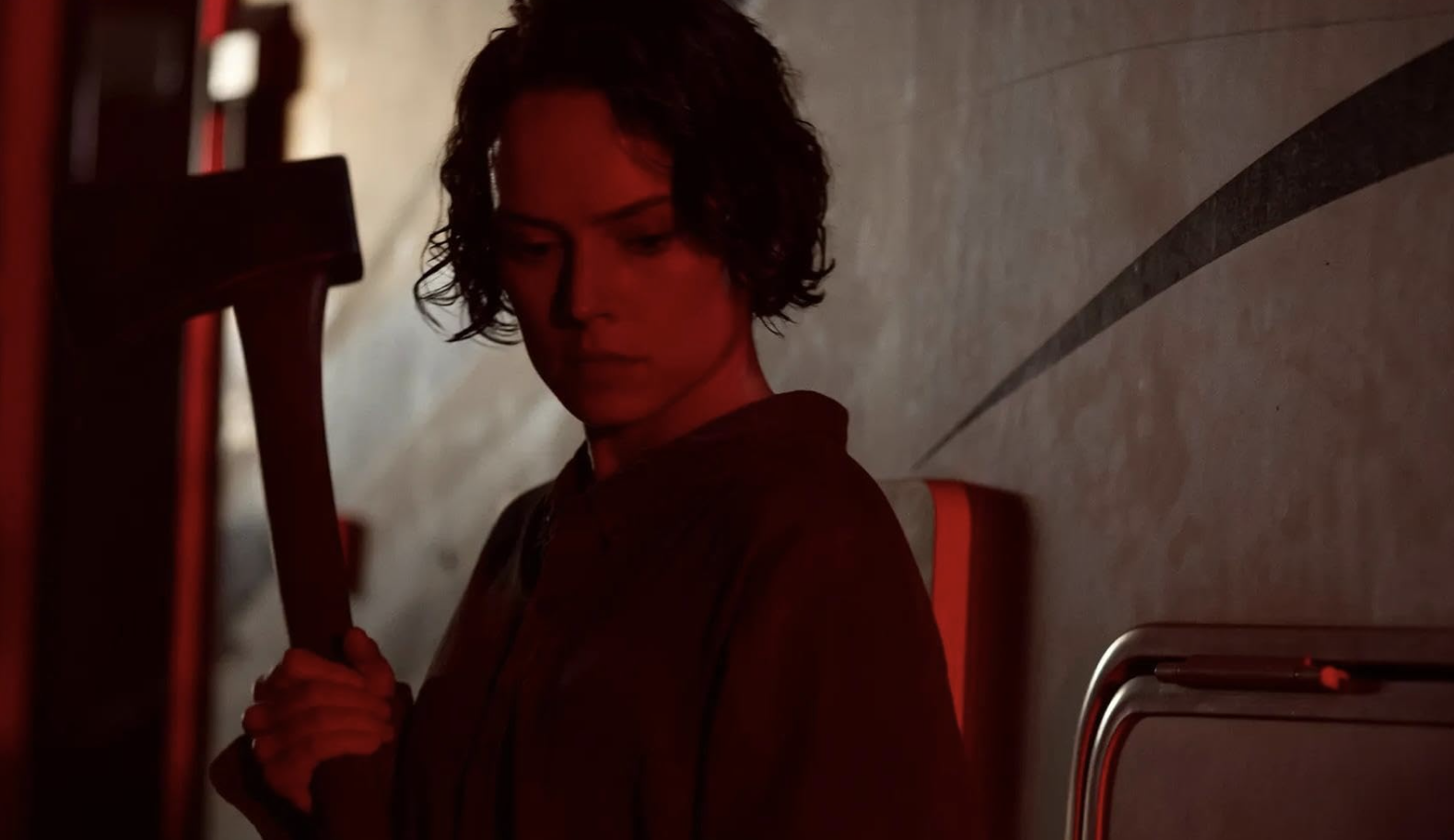
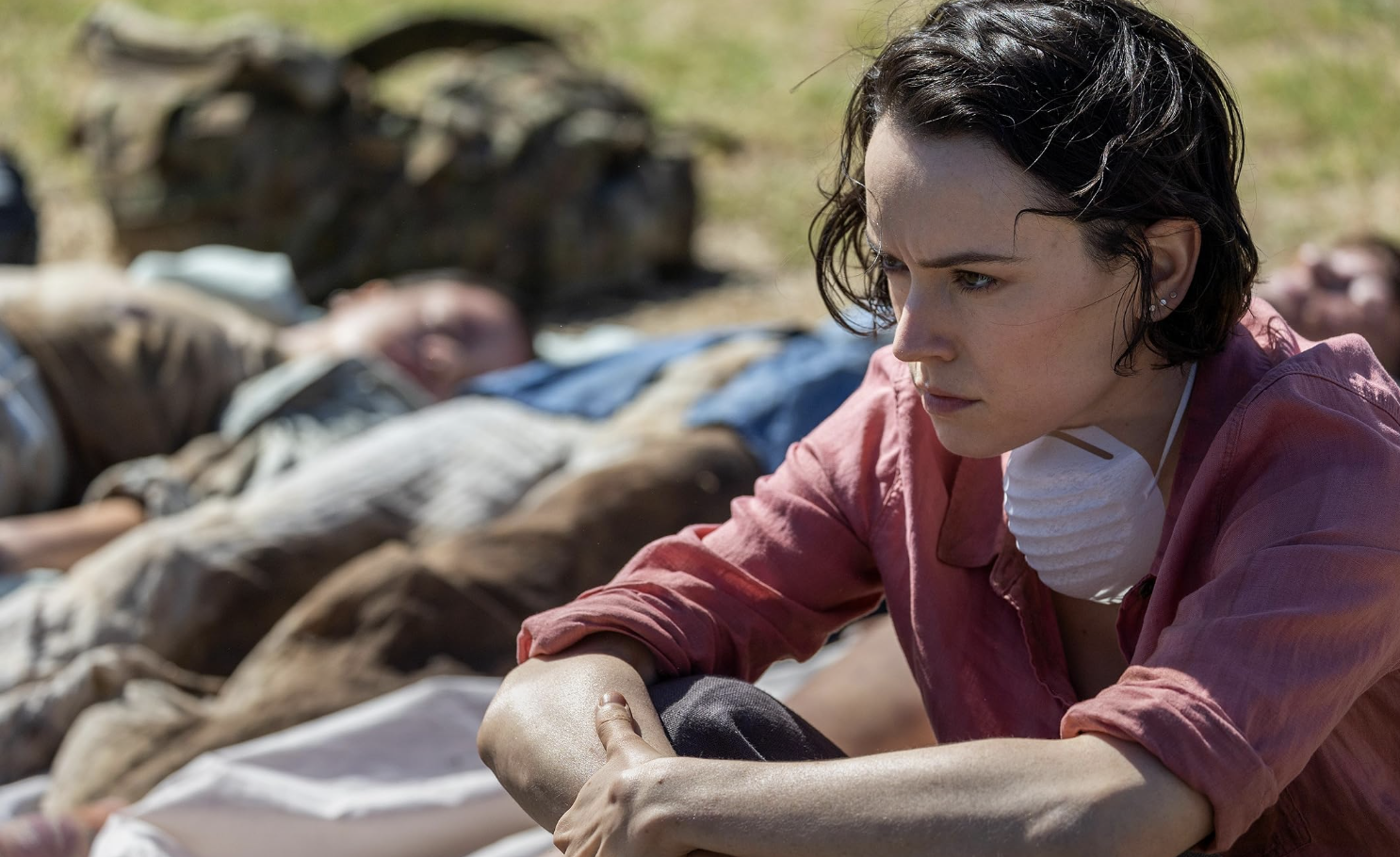
After a military experiment results in catastrophe, Ava Newman (Daisy Ridley) joins a “body-retrieval unit” in a desperate attempt to find her missing husband. This premise turns the zombie apocalypse narrative into something much more personal. Ava’s motive isn’t heroism or survival instincts. She’s driven by a small, stubborn sliver of hope that refuses to die alongside everything else. Eventually, she learns that some of the corpses have started showing signs of life, propelling the film into familiar zombie territory. The makeup and sound design—especially when it comes to the teeth-clenching zombies—are fantastic, giving the film an atmosphere of dread and unsettling realism. While We Bury the Dead does have some tense moments, as one would expect when dealing with the undead, the moments where the film truly shines are in its glimpses of humanity.
Source: Vertical Entertainment
Hilditch’s film offers a fascinating exploration of the different ways people cope with loss, as well as our ability to recognize others’ humanity in the aftermath of tragedy. More than simply focusing on grief, the film hones in on the lack of closure that often coincides with it. There’s this distressing feeling of unfinished business lingering throughout Ava’s journey. It’s even harder to cope with the loss of a loved one when you have to accept that the conversation you’ve been meaning to have with them will now have to remain forever unsaid. Thus, the zombies feel less like your typical monsters, and more like representations of unresolved pain. Early in the film, Ava makes eye contact with one of them and believes he wasn’t fully gone. She could still detect his humanity. It’s as though these are bodies caught in the space between holding on and letting go.
Despite its emotional highs, it ultimately feels as though We Bury the Dead doesn’t dive deep enough. The world-building feels sparse, occasionally bordering on underdeveloped. The first scene quickly introduces us to Ava and her husband in a flashback to their wedding day before rapidly shifting gears to focus on her present predicament. If the film took more time to explore their relationship in its opening, it would have more effectively anchored Ava’s emotional journey and made viewers more invested in the outcome of whether or not she’s able to reunite with her husband. Greater insight into who they were together would make her grief feel even more lived-in and would allow the film’s emotional beats to hit that much harder.
Even with its shortcomings, We Bury the Dead is a thoughtful and restrained addition to the zombie genre. It may not reinvent the undead, but it uses them as a means to explore something far more intimate and universal. Daisy Ridley’s powerful performance does most of the heavy-lifting, even if the screenplay doesn’t always give her much to work with. In the end, We Bury the Dead is a zombie film that’s less about the dead who refuse to stay buried and more about the living who are struggling to move on.
We Bury the Dead hits theaters on January 2, 2026.