Big Girls Don’t Cry — Sundance Review
Source: Sundance
Being a teenage girl is brutal, especially when you feel like you don’t fit in with any particular friend group, and that’s something that the best coming-of-age films convey all too well. Paloma Schneideman’s feature debut, Big Girls Don’t Cry, joins the ranks of recent Sundance coming-of-age gems such as Sean Wang’s Dìdi (2024) for its mid-2000s nostalgia, and Megan Park’s My Old Ass (2024) for its depiction of sapphic self-discovery. Big Girls Don’t Cry offers that same sense of nostalgia—complete with cameos from Nokia phones and MSN Messenger—and queer representation, through its sensitive snapshot of awkward adolescence. While it does suffer from some clichés and treads familiar territory, it’s still a worthwhile viewing experience.
Big Girls Don’t Cry stars newcomer Ani Palmer, who delivers a powerhouse performance in her breakout role. Palmer stars as Sid Bookman, a 14-year-old girl in rural New Zealand in the summer of 2006, as she tries to make friends with a group of older, more popular teens. She navigates the battlefield that is sexual discovery, friendship, identity, and the Internet. What makes the mid-2000s such a compelling backdrop for a coming-of-age film is the exploration of how the early stages of the Internet shaped those transformative teen years. It was a fleeting time when the Internet was becoming a part of our everyday lives, but before social media emerged.
Source: Sundance
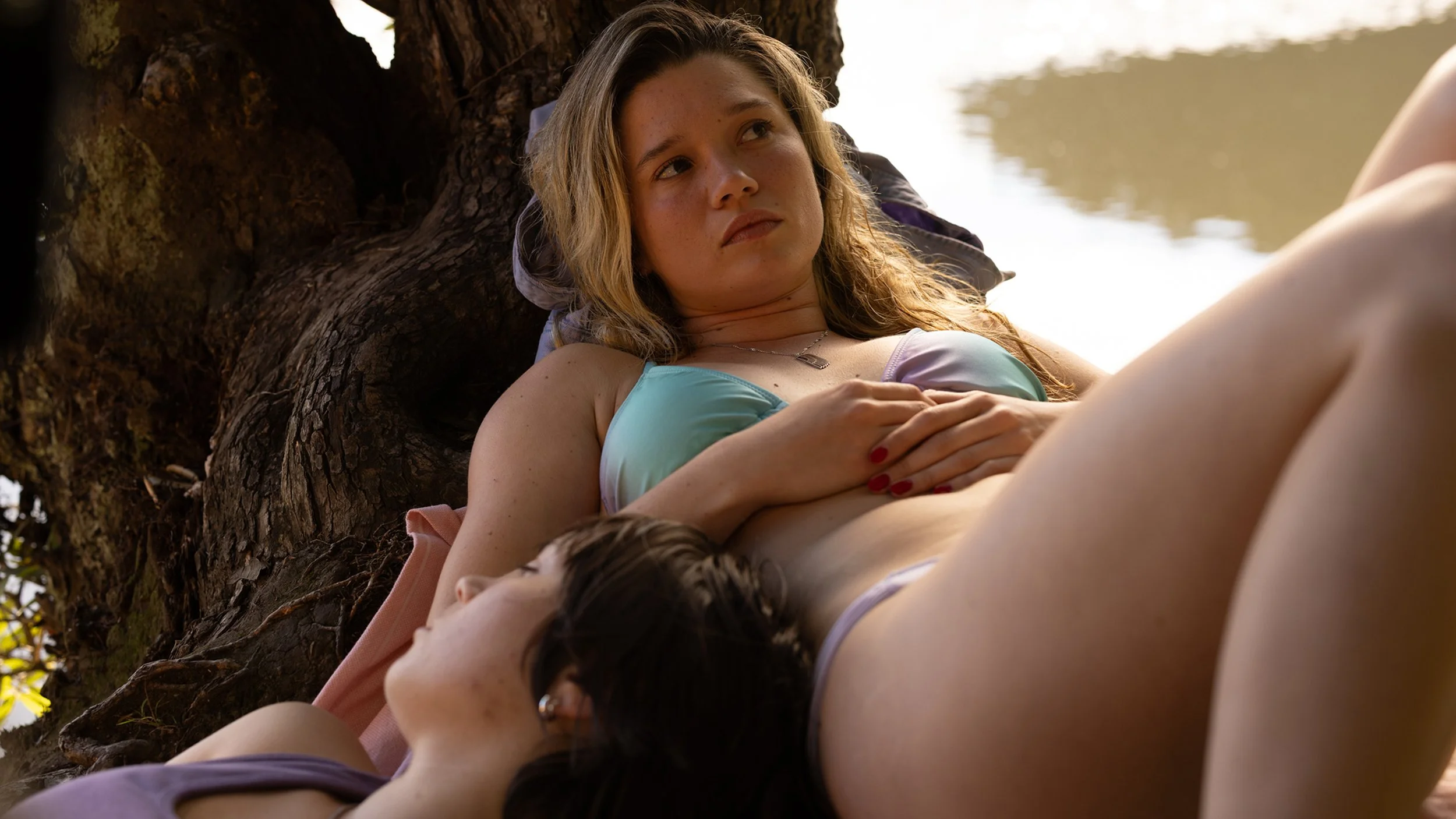
Schneideman’s screenplay doesn’t shy away from the uncomfortable, cringe-inducing moments of adolescence. Sid lies, mimics her peers, and tries to feign having more experience than she actually does, getting into one too many painfully awkward situations. It captures the vulnerability of desperately wanting to fit in, the yearning for social acceptance, and how those attempts can often backfire. Palmer brings the character of Sid to life with startling authenticity and grit, embodying the angst and uncertainty of the liminal space between youth and adulthood.
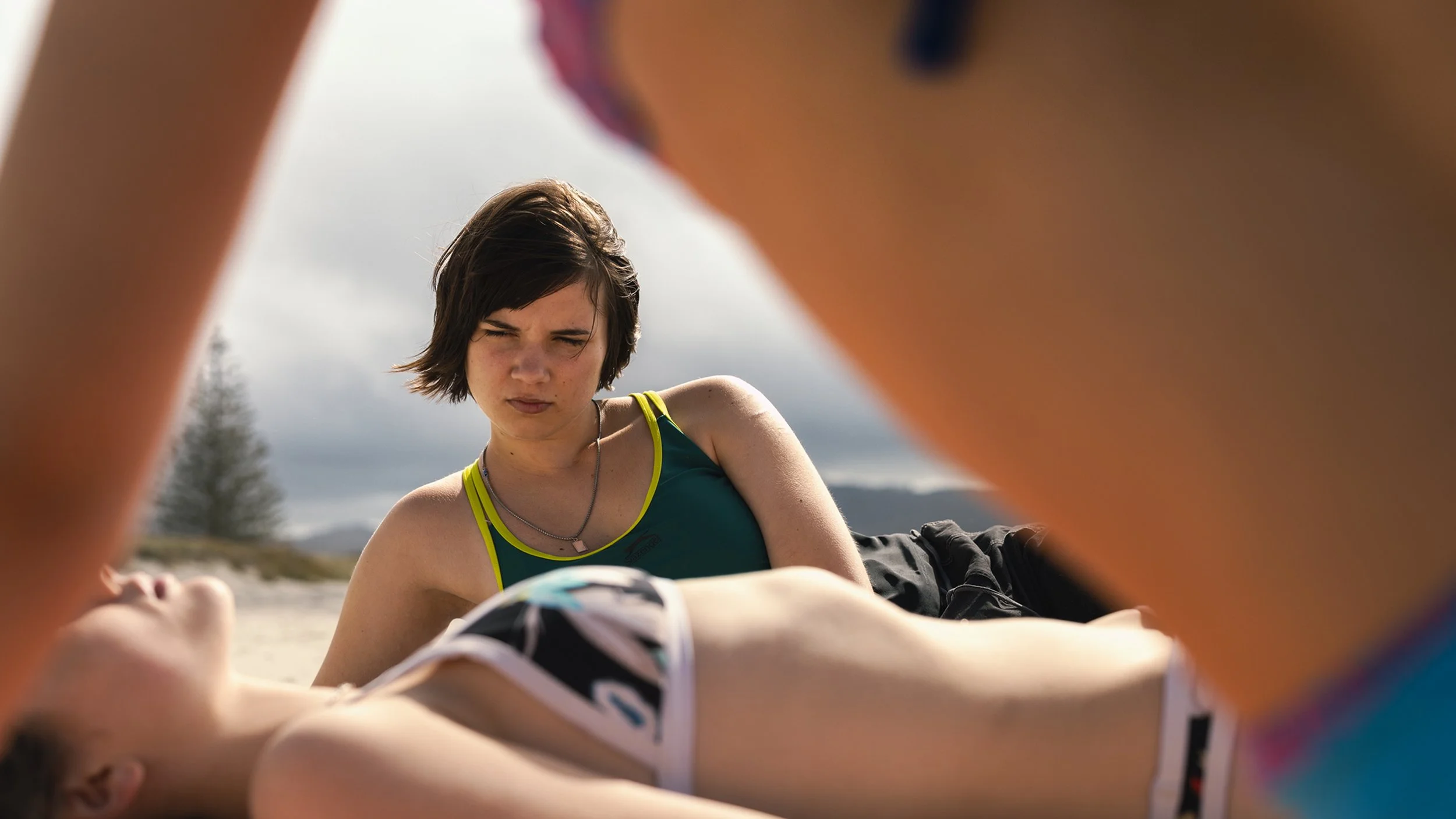
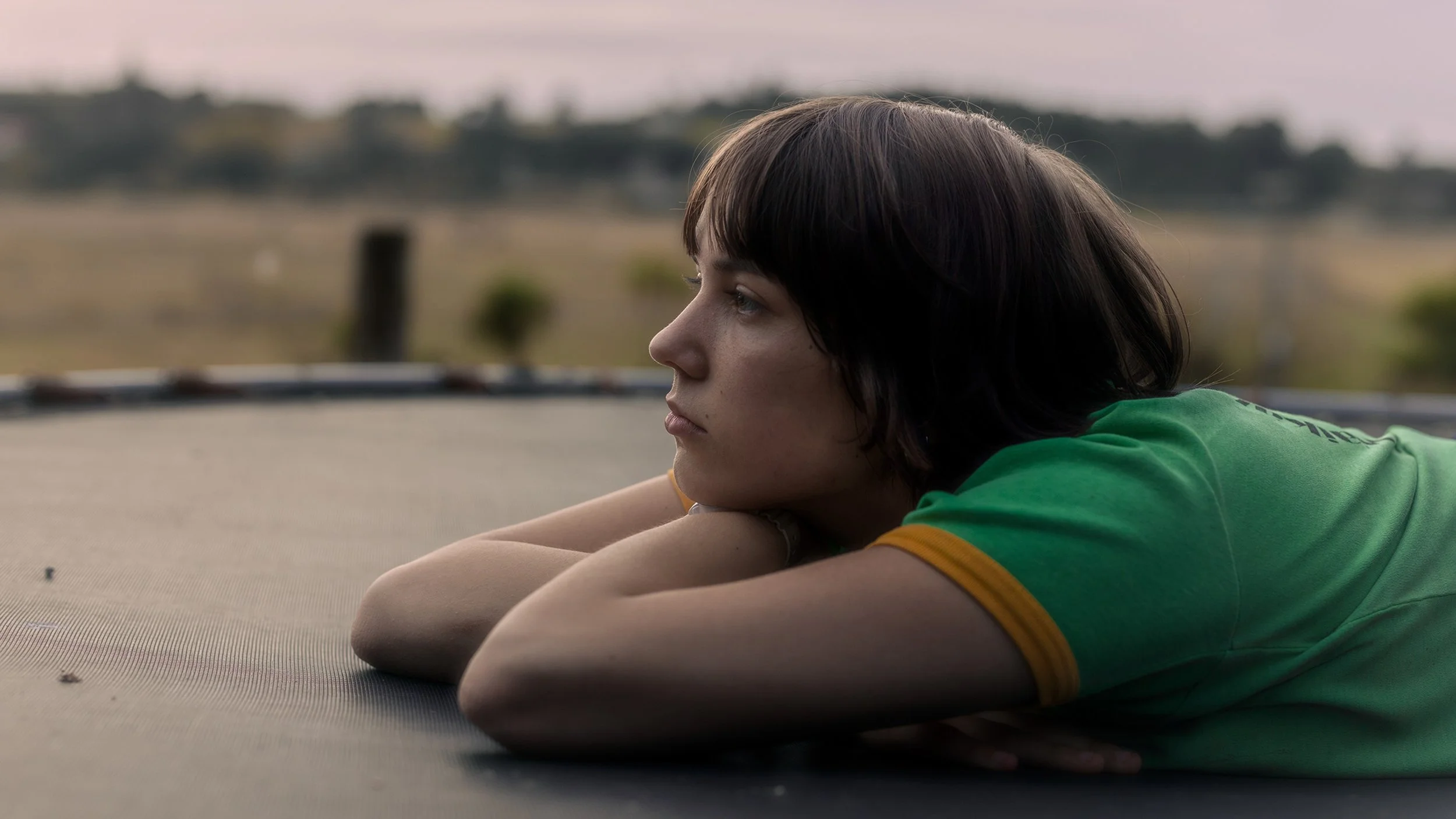
Cinematographer Maria Inés Manchego frequently utilizes close-ups and shallow depth of field, amplifying Sid’s feelings of loneliness and isolation. She also employs a lot of handheld camerawork, emphasizing the recklessness of youth. Cam Ballantyne’s electronic score heightens the anxiety and nervousness that coincide with being a teenager and trying to figure out who you are and your place in the world. The technical aspects of the film work together to put us in Sid’s shoes and remind us of the agony of being that is being a teenage girl.
Source: Sundance
Big Girls Don’t Cry doesn’t do much to stand out from the multitude of coming-of-age movies that have come before, but it’s a well-crafted film bolstered by a phenomenal debut performance from Ani Palmer. The 2006 nostalgia and sapphic representation give it a somewhat unique lens through which to filter its familiar depiction of those awkward adolescent years. By revisiting 2006 with such specificity, the film taps into a collective memory of a pre-social-media Internet that shaped a generation’s understanding of identity, sexuality, desire, friendship, and connection. That backdrop gives emotional texture to Sid’s journey of self-discovery, making her insecurities feel both deeply personal and widely relatable. Big Girls Don’t Cry is a reminder that adolescence, in all its awkwardness and longing, is less about standing out than it is about surviving the slow, painful process of becoming yourself.
Big Girls Don’t Cry premiered at the Sundance Film Festival on January 24, 2025.