

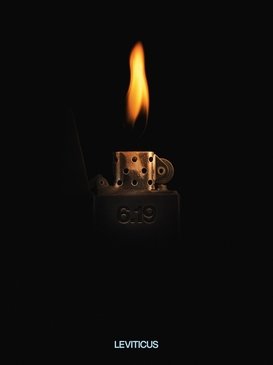
Leviticus — Review
There’s a reason so many works of queer fiction gravitate toward the horror genre. At its core, the genre is founded on fear—something the queer community is all too familiar with: the fear of not fitting in, of not being accepted, of being ostracized or forced to stifle the most authentic version of yourself. Even homophobia is driven by fear, as its etymology suggests, positioning horror as a particularly fitting lens through which queer experiences can be explored. With his directorial debut, Leviticus, Adrian Chiarella channels these fears—both internalized and externalized—into something tangible, revealing that the true monster is not a creature, but anxiety and social rejection rooted in homophobia.
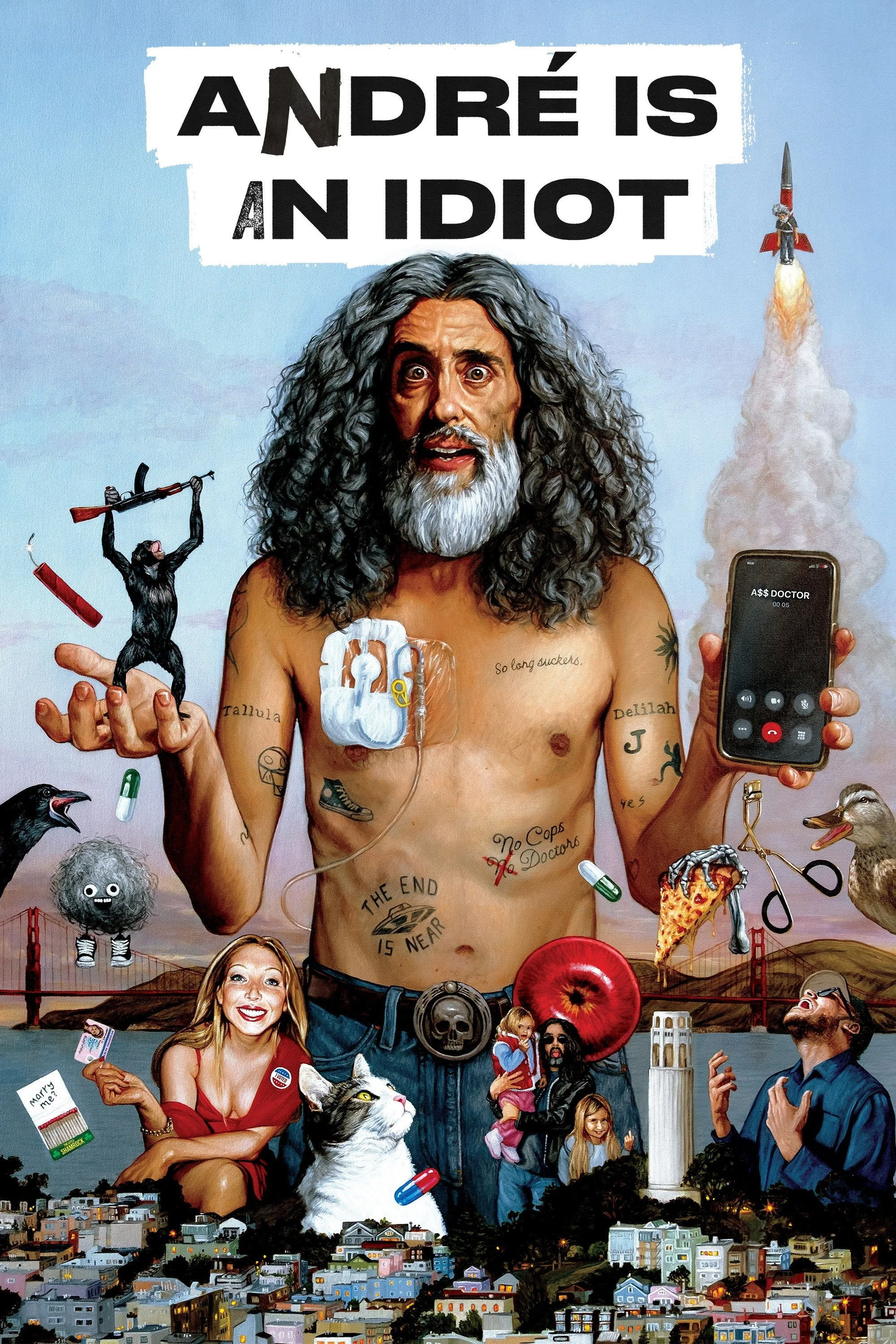
André Is An Idiot — Video Review
Spoiler-free video review of Tony Benna’s Sundance award-winning documentary André Is An Idiot, starring André Ricciardi.
Ha-chan, Shake Your Booty! — Sundance Review
Winner of the Directing Award: US Dramatic at the 2026 Sundance Film Festival, Josef Kubota Wladyka’s Ha-chan, Shake Your Booty! is an effervescent crowdpleaser. It’s a thoughtful portrait of grief that’s simultaneously a heartwarming, whimsical delight. It’s a highly-stylized film, bursting with quirky characters, vibrant colors, and lively music.
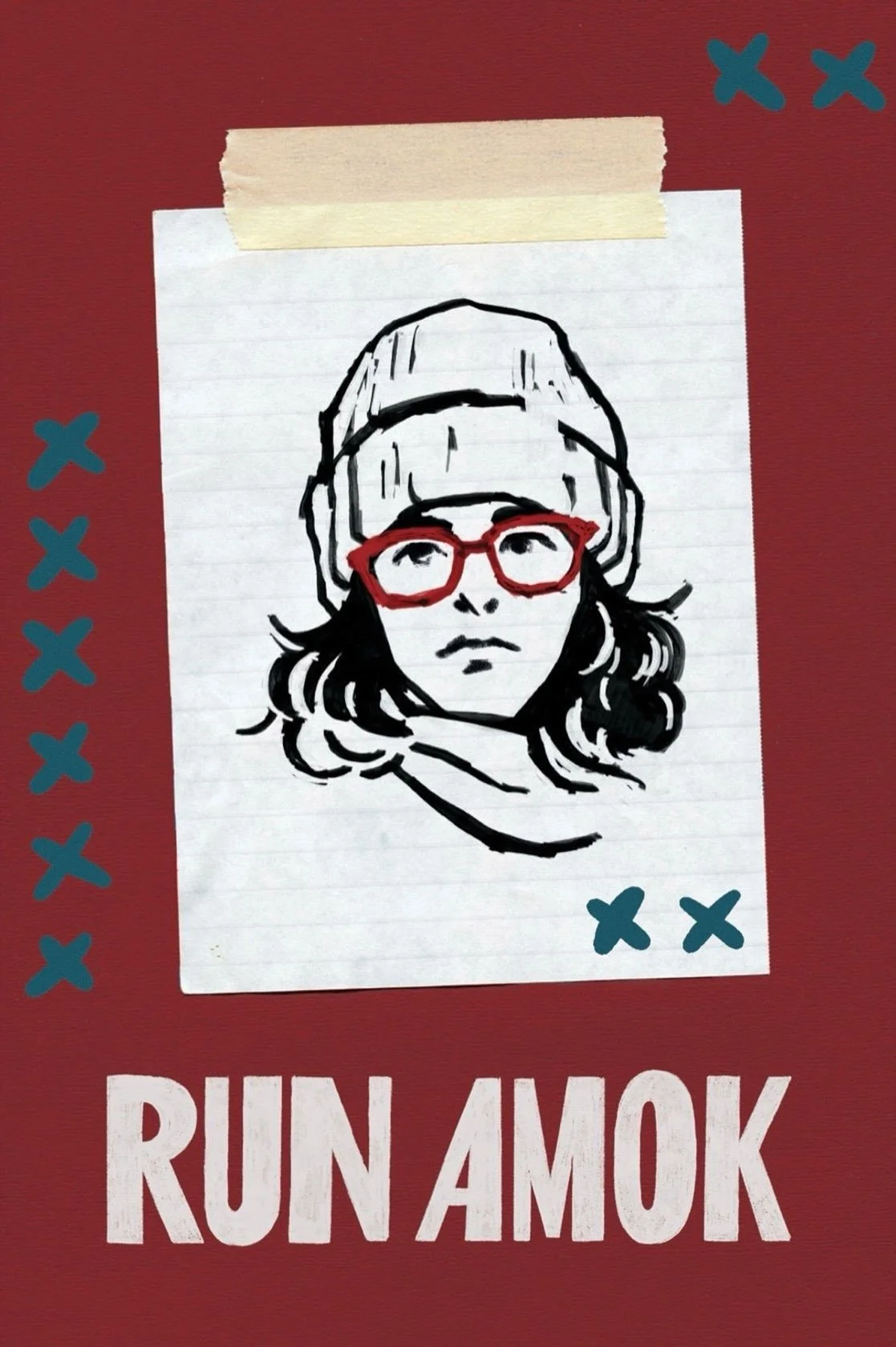
Run Amok — Sundance Review
NB Mager’s Run Amok is an undeniably unique and admirably ambitious film. However, it’s also an absolute tonal disaster. It’s not every day one sees a film about a high school staging a musical about school shootings, especially one that’s meant to be a comedy. The problem is, the film never seems to know exactly which genre it wants to adhere to.
Big Girls Don’t Cry — Sundance Review
Being a teenage girl is brutal, especially when you feel like you don’t fit in with any particular friend group, and that’s something that the best coming-of-age films convey all too well. Paloma Schneideman’s feature debut, Big Girls Don’t Cry, joins the ranks of recent Sundance coming-of-age gems such as Sean Wang’s Dìdi (2024) for its mid-2000s nostalgia, and Megan Park’s My Old Ass (2024) for its depiction of sapphic self-discovery. Big Girls Don’t Cry offers that same sense of nostalgia—complete with cameos from Nokia phones and MSN Messenger—and queer representation, through its sensitive snapshot of awkward adolescence. While it does suffer from some clichés and treads familiar territory, it’s still a worthwhile viewing experience.
Carousel — Sundance Review
Rachel Lambert’s Carousel is the kind of gentle, slice-of-life independent film that feels right at home at the Sundance Film Festival. It showcases several strong, understated performances that feel authentic and lived-in, even as the story traces familiar narrative ground. In fact, Carousel almost feels too lived-in to the extent that the characters’ lives lack urgency, and the story unfolds at an almost glacial pace.
Zi — Sundance Review
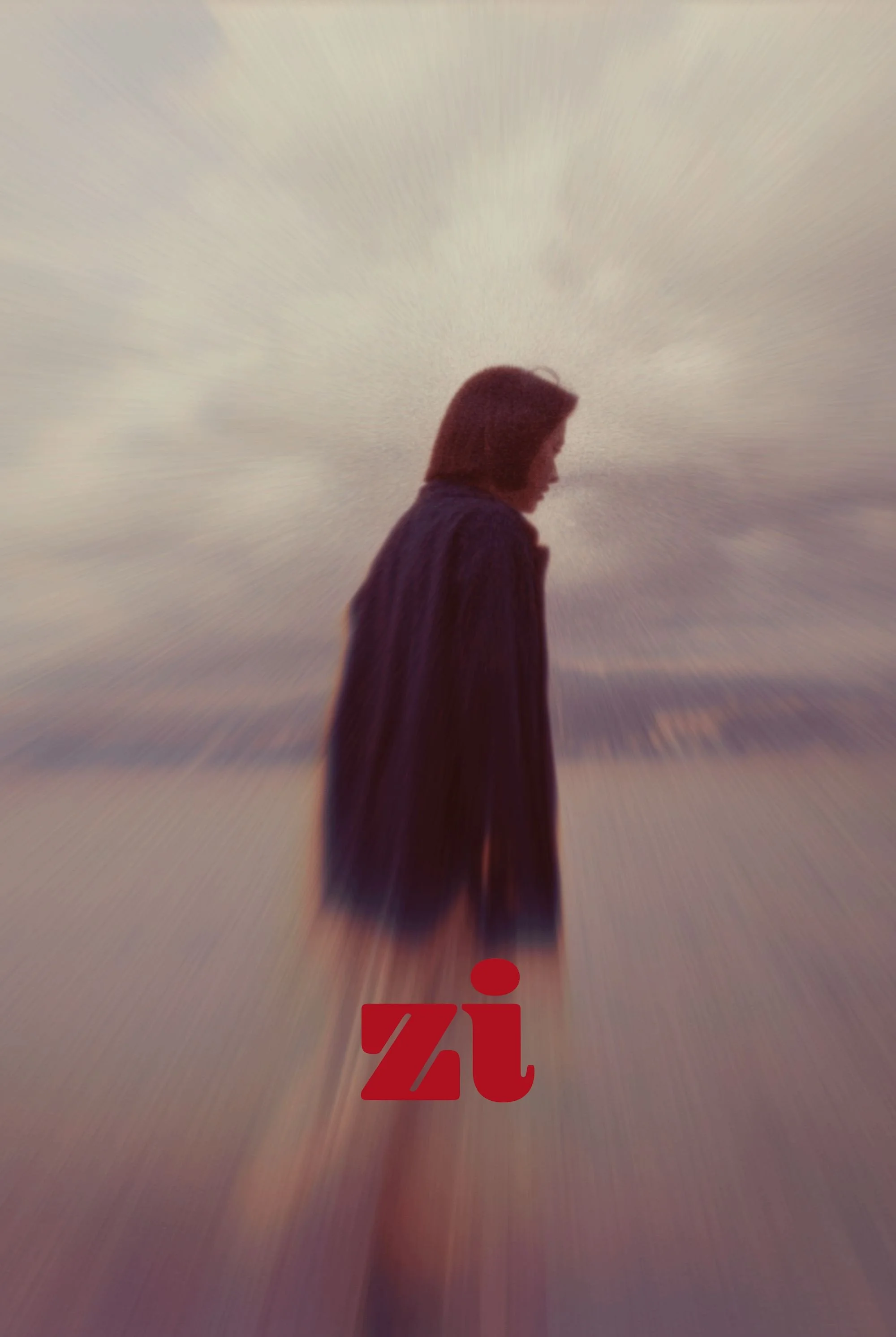
Zi feels like a return to form for Kogonada after last year’s A Big Bold Beautiful Journey, but it doesn’t quite have the charm of his debut Columbus (2017) or even the similarly sci-fi After Yang (2021). It feels more like an experiment than a film. Seven people flew to Hong Kong for a few weeks to shoot this project on a whim, and it very much feels like a film that was made on the fly. What’s admirable about this experiment is that Kogonada gave all seven of them equal equity in the film, so they’ll be splitting the profits equally. It will almost certainly be a polarizing film; I only wish it felt more like a story driven by passion and thoughtfulness than spontaneity and impulsivity.
Hold Onto Me — Sundance Review
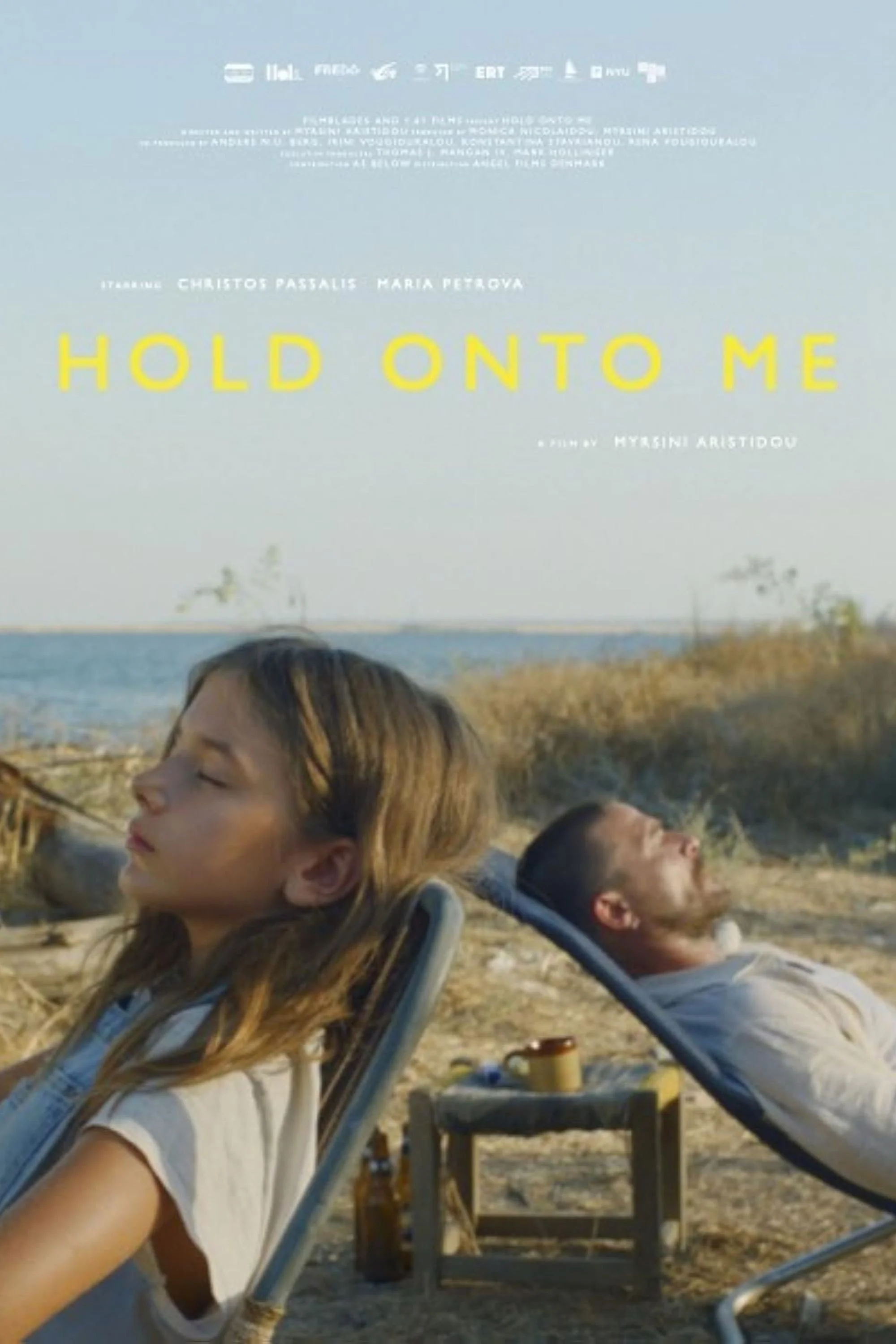
Winner of the Sundance Audience Award in the World Cinema Dramatic category, Myrsini Aristidou’s Hold Onto Me (Κράτα Με) plays out like a modern-day, slower-paced version of Peter Bogdanovich’s Paper Moon (1973) set in Cyprus. It’s a poignant story about a little girl reconnecting with her estranged father as the duo slowly bond and con people.
Union County — Sundance Review
Addiction is a common theme in cinema, but it’s a topic that’s often sensationalized and depicted in ways that veer toward melodrama with big, over-the-top meltdowns. Addiction dramas often lean more toward being overdramatic than truthful for the sake of entertainment value. Adam Meeks’ Union County deviates from this trope—for better and for worse. It’s a portrait of addiction that’s achingly honest, but that doesn’t always make for the most compelling viewing experience.
Rock Springs — Sundance Review
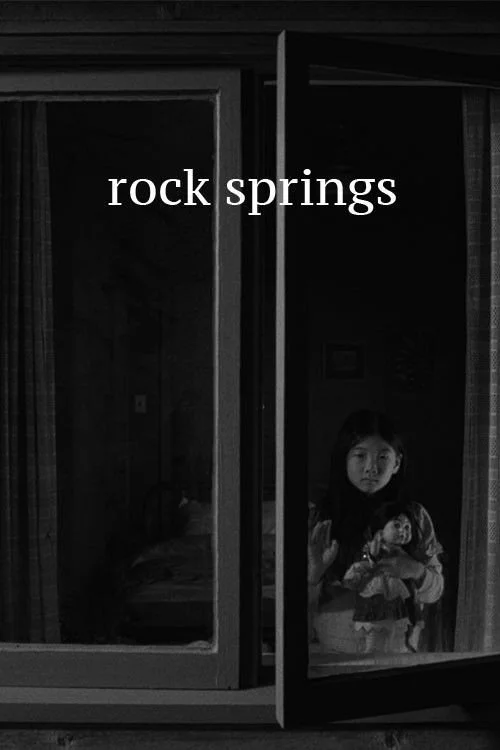
With her feature debut, Rock Springs, Vera Miao demonstrates a perceptive understanding that human history is a lot scarier than any monster. The ghosts that really haunt us are the atrocious acts of racial violence committed throughout human history. Rock Springs presents a bold, admirable vision, but the idea is far stronger than the execution.
Lady — Sundance Review
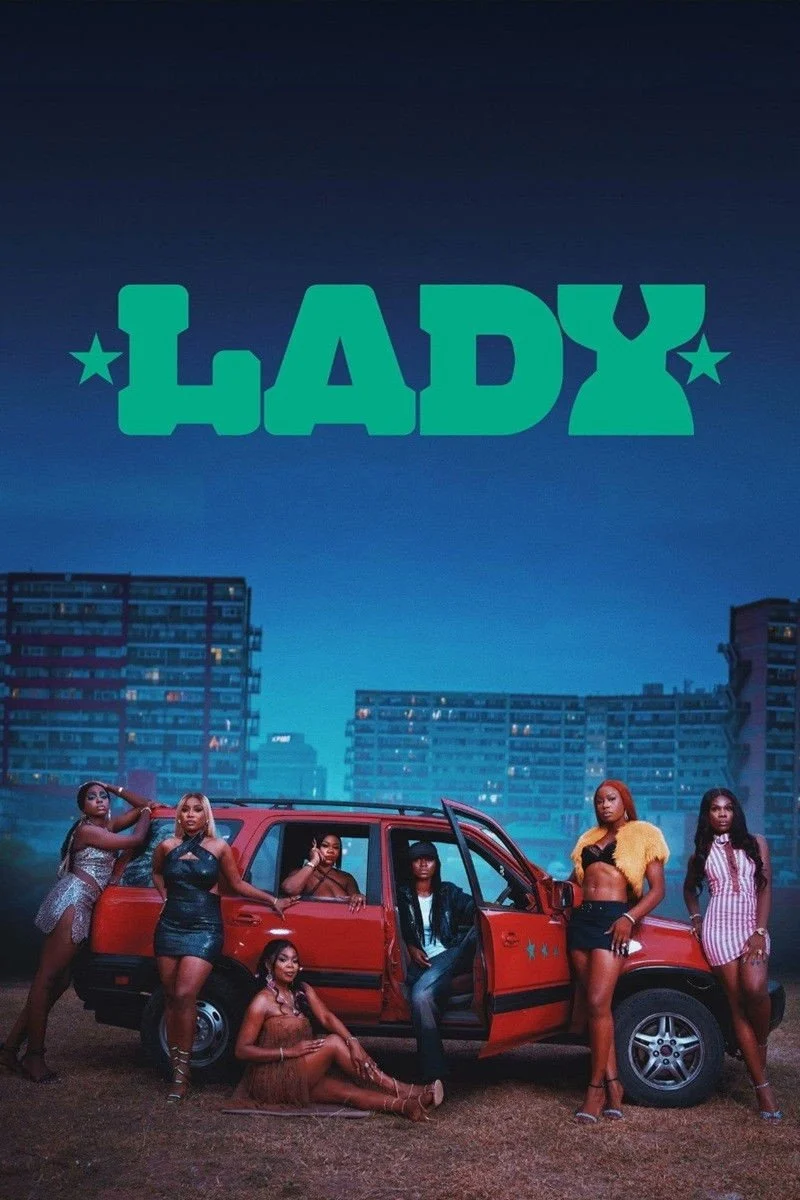
The opening frame of Olive Nwosu’s feature debut, Lady, is upside down—a visual choice that makes sense from both a literal and metaphorical standpoint. The next frame reveals two young girls, their heads hanging back over a jetty, so they are quite literally seeing the world upside down in that moment. Metaphorically speaking, it’s fitting to introduce Lagos to the audience with an upside-down image. It’s almost reminiscent of the iconic shot of the Statue of Liberty in The Brutalist (2024) that inverted the symbol of the American Dream. The more one seeks out international cinema, the more one recognizes the struggles that other countries face, and America is far from the only country where the dream of financial freedom and stability feels precarious and unattainable.
The Musical — Sundance Review
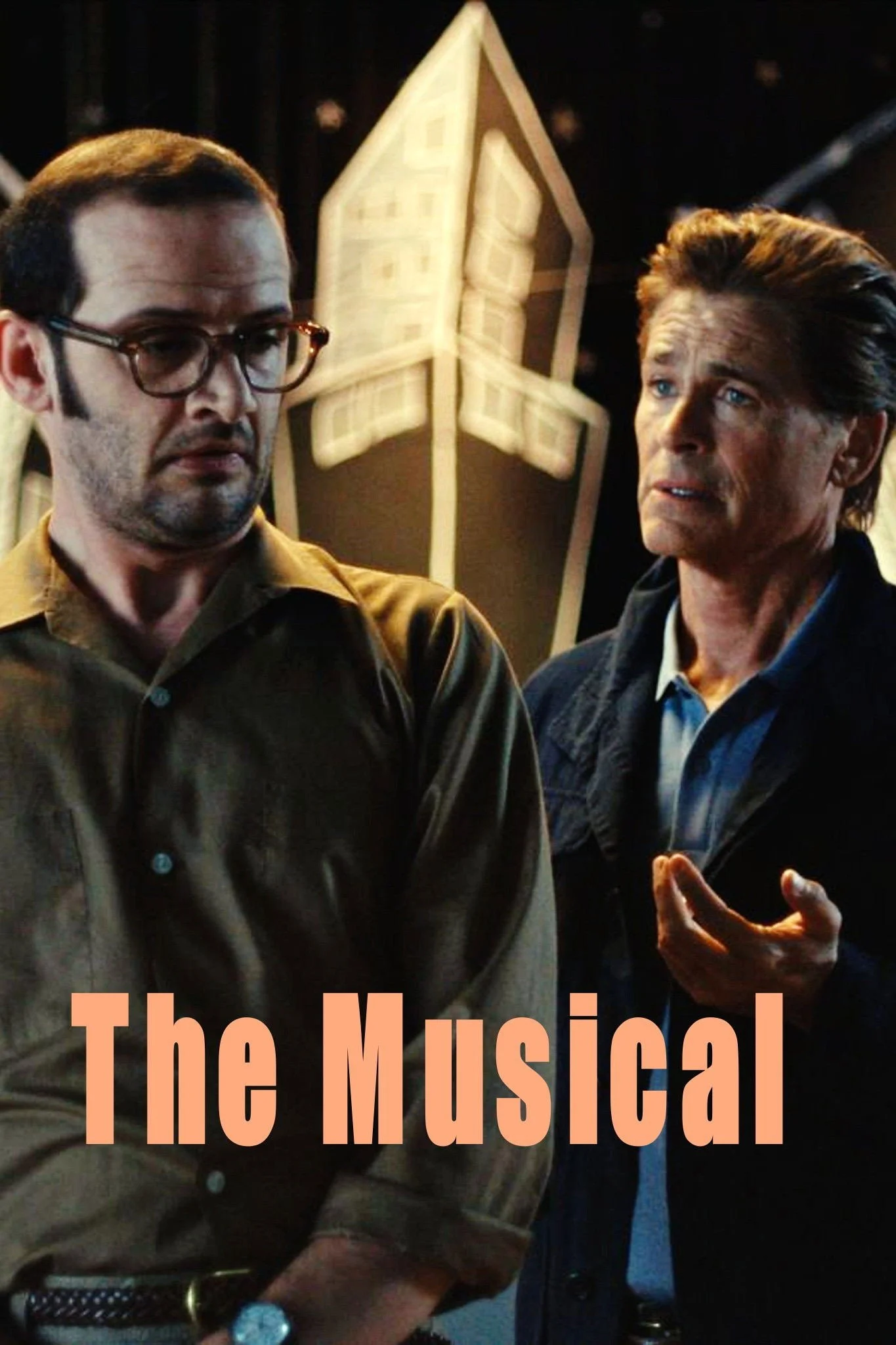
Imagine Hamlet 2 (2008) in the style of an I Think You Should Leave sketch, and that’s essentially Giselle Bonilla’s new film, The Musical. Much like Hamlet 2, The Musical follows a failed artist-turned-teacher as he stages a politically incorrect musical. However, in Bonilla’s film, the protagonist is a playwright instead of an actor, he teaches middle school instead of high school, and most important of all, the musical he’s staging isn’t a sequel to a Shakespeare play. There are hints scattered throughout the film as to what the musical is about, so it doesn’t come as a complete shock. But as the characters proclaim, “The super power of the theatre is the element of surprise,” so it’s better to walk into the film without knowing that aspect of the plot ahead of time.
Josephine — Sundance Review
What if your child witnessed a horrible act of violence at a young age? How would you answer their questions, help them process it, help them cope? Those questions lie at the heart of Beth de Araújo’s Josephine, one of the most celebrated films out of this year’s Sundance Film Festival. It’s a difficult watch, which is fitting because it’s also difficult for the parents to have those conversations with their child.
Chasing Summer — Sundance Review
Josephine Decker’s Chasing Summer is steeped in indie coming-of-age movie clichés and millennial nostalgia, from its throwback soundtrack to its familiar arc of reluctant homecoming. For a filmmaker once celebrated for her emotional and visual risk-taking, the film’s conventionality comes as a bit of a surprise. It’s both a romantic comedy and a coming-of-age story, yet it fails to generate much romance or laughs, and it hits all the familiar beats with far too much predictability.
The Invite — Sundance Review
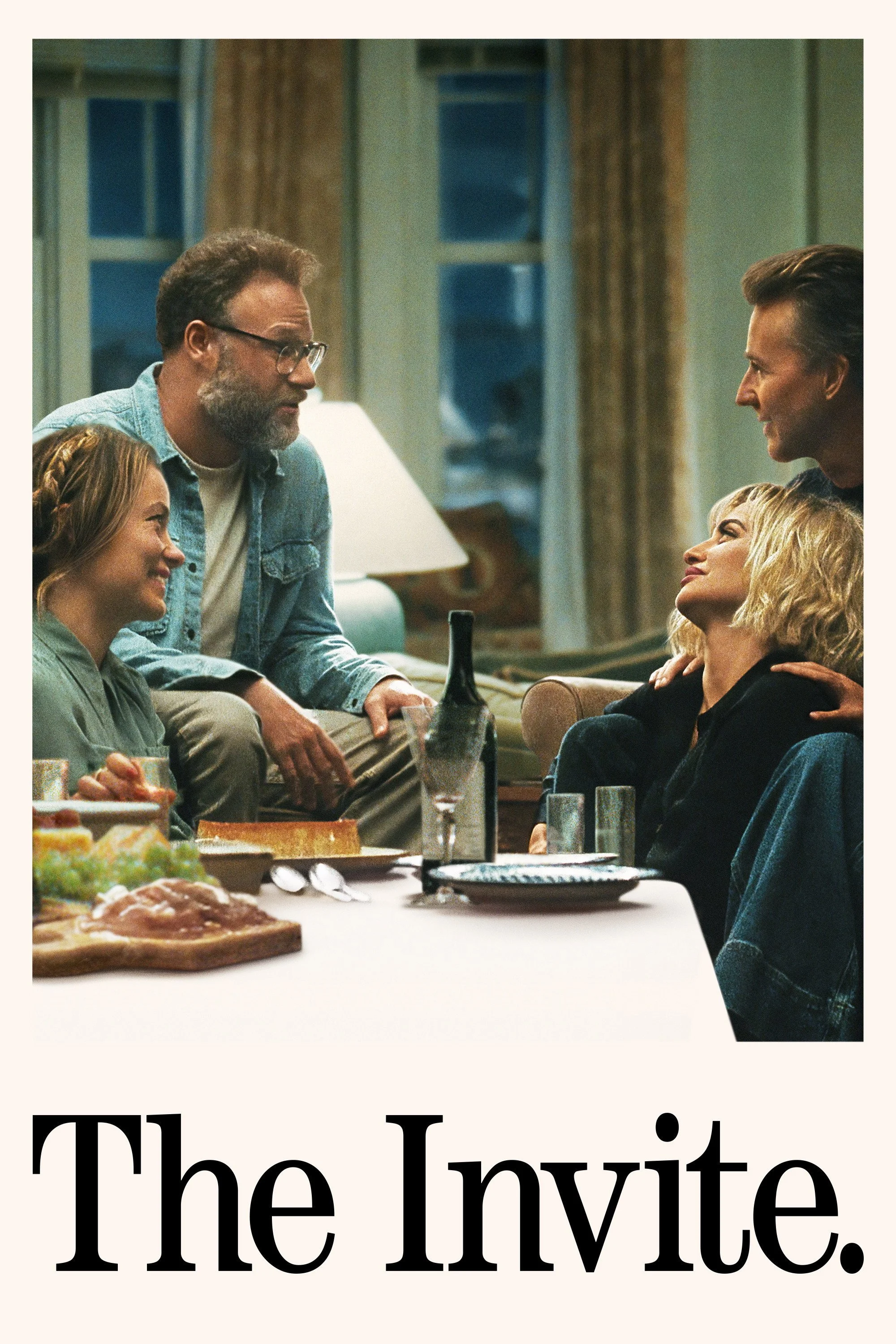
Olivia Wilde’s The Invite is the type of film Sundance seems designed to champion: an intimate, character-driven dramedy that feels small in scale but big in emotional honesty, a film that will likely be one of this year’s hidden gems. This remake of Cesc Gay's The People Upstairs leans less on punchlines and more on meaningful conversations about sex and marriage. With a sharp, perceptive script from Reshida Jones and Will McCormack, The Invite is the type of thought-provoking, uncomfortably relatable film that holds a mirror up to the audience, gently pushing viewers to reflect on their own relationships.
The Moment — Sundance Review
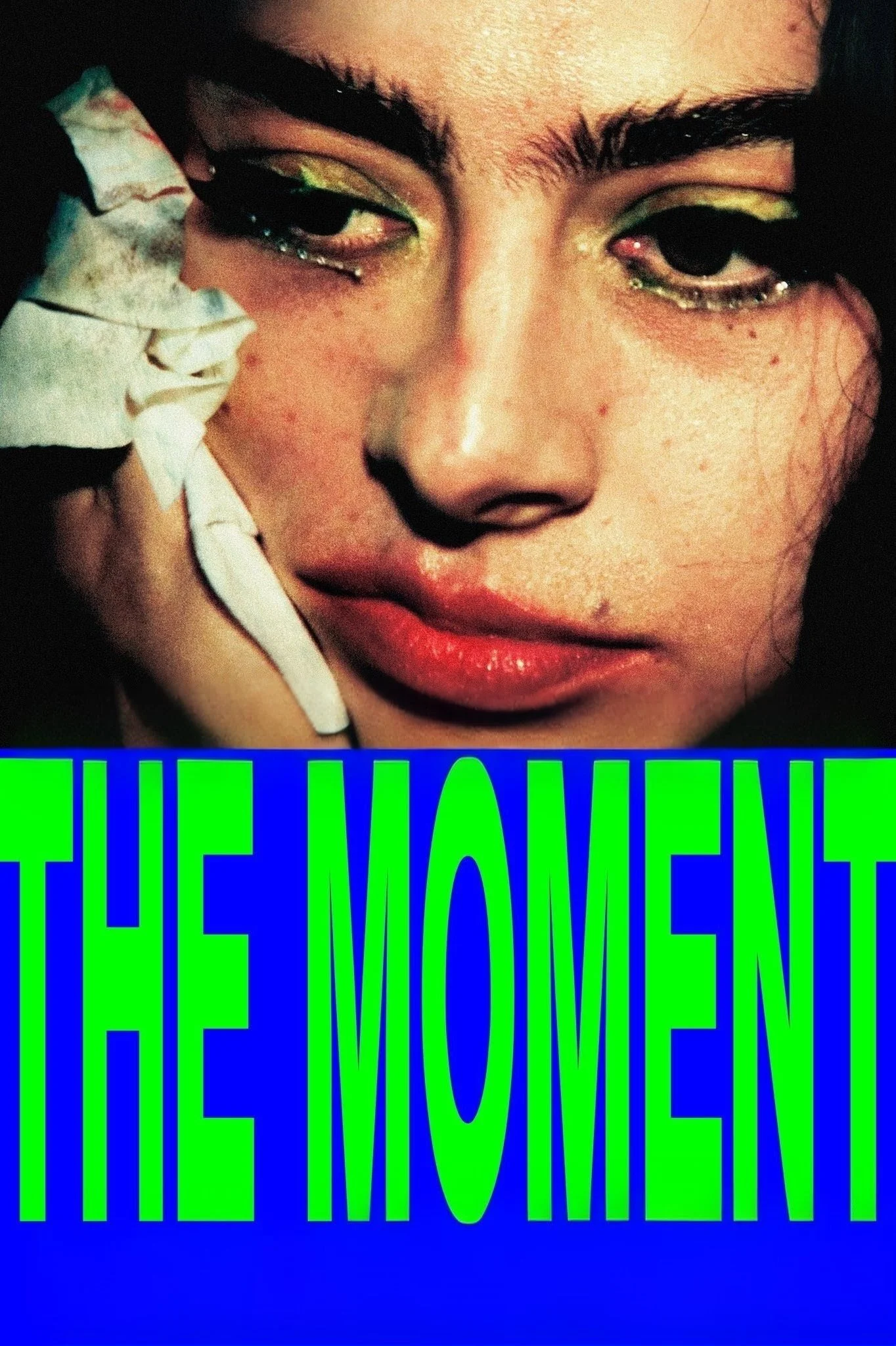
Over the past year, Charli xcx has started to dabble in acting, with performances in Julia Jackman’s 100 Nights of Hero, Pete Ohs’ Erupcja, and Romain Gavras’ The Sacrifice. She has two films premiering at this year’s Sundance Film Festival: Gregg Araki’s I Want Your Sex and Aidan Zamiri’s The Moment. So far, she’s made some incredibly inspired choices with the films she’s been in. What makes The Moment different from her previous roles is that this time she’s playing a fictionalized version of herself. But that doesn’t make it any less inspired. What’s so fascinating about The Moment is that while other popstars have capitalized on their tours with concert films or behind-the-scenes documentaries, Charli opted for something entirely different after the success of brat summer: a mockumentary.