Hoppers — Review
Source: Pixar
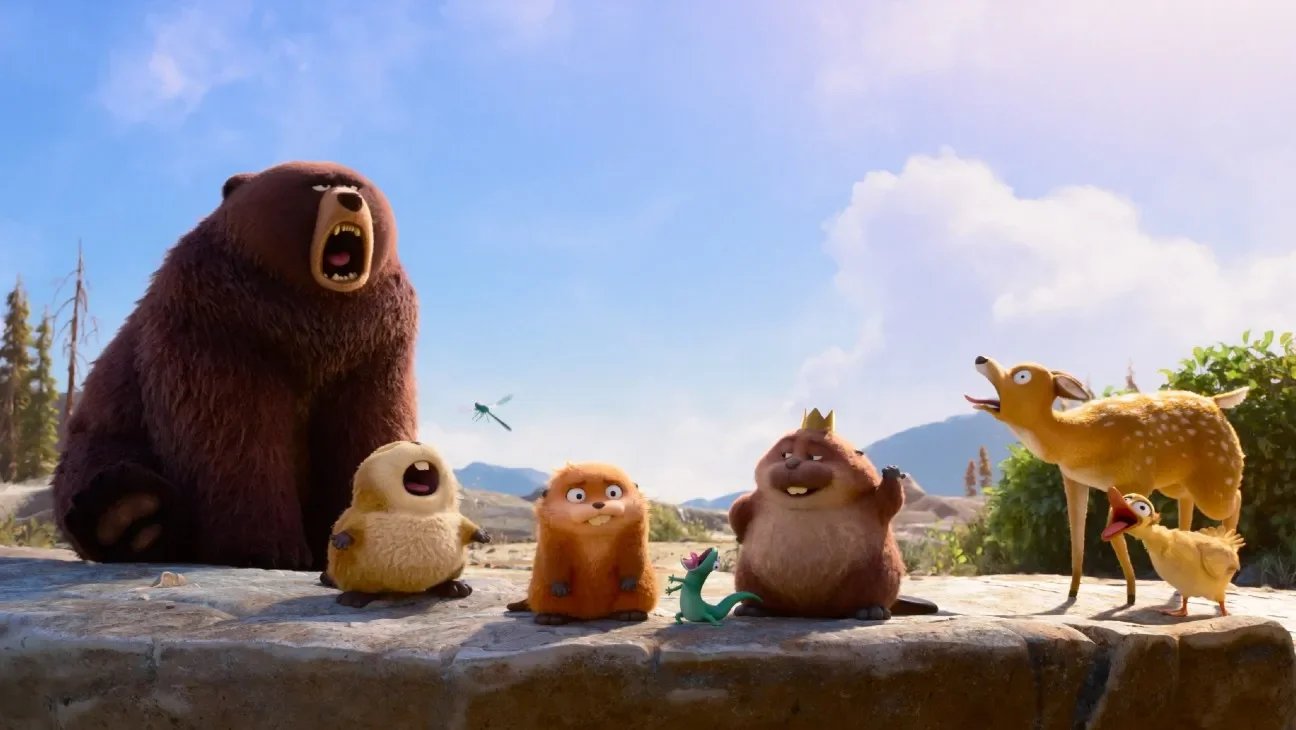
Pixar is certainly no stranger to films about human beings turning into animals. In fact, between Brave (2012), Soul (2020), and Turning Red (2022), it seems to be a pretty prevalent theme. And after introducing technology in Up (2009) that allowed humans to understand what a dog was thinking, a movie where someone can literally experience life as an animal feels like a logical next step. As much as Hoppers fits perfectly within Pixar’s wheelhouse, it might also be their most absurd film yet. Thankfully, that absurdity works entirely in its favor.
Source: Pixar
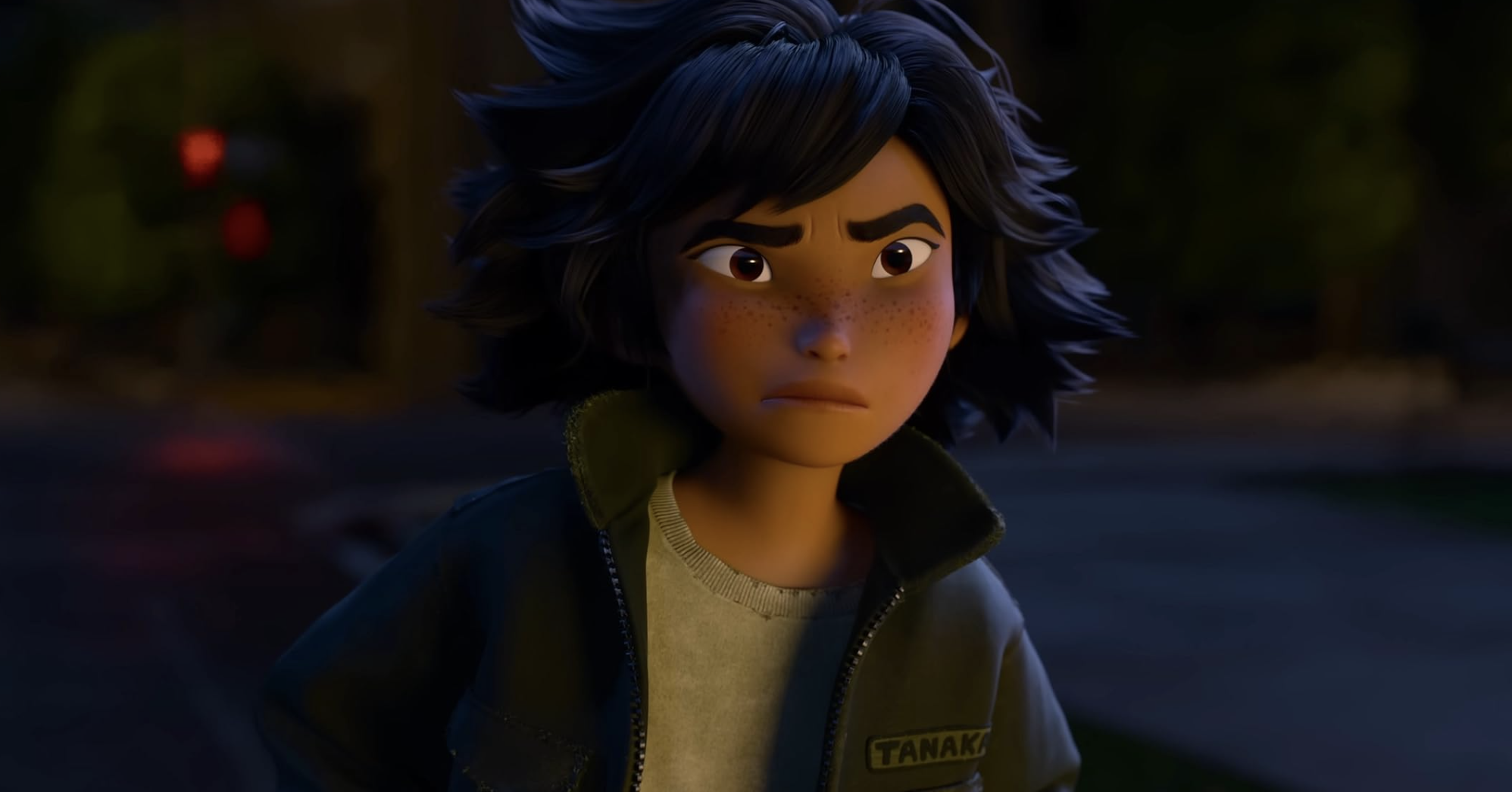
Written by Jesse Andrews and based on a story by director Daniel Chong, the screenplay is spunky and energetic right from the start. The film’s protagonist, Mabel, is feisty, and the film matches her rebellious spirit, complete with a “Rebel Girl” by Bikini Kill needle drop. When we’re first introduced to Mabel (Lila Liu) as a child, she’s trying to smuggle the pet turtle and all the other animals out of her classroom, rapidly establishing her as a risk-taker and a fervent animal lover. Her grandmother (Karen Huie) teaches her to sit by their local forest glade and quietly take in her surroundings because it’s hard to be angry when you feel like you’re a part of something big. This instills in her a deep love of nature. By the time Mabel (Piper Curda) is a teenager, she’s already had several disputes with the mayor of Beaverton, Jerry Generazzo (Jon Hamm). But now, Jerry plans to turn the glade into a beltway, which would not only destroy a place that’s home to a variety of wildlife but also home to so many cherished memories Mabel shared with her grandmother.
Source: Pixar
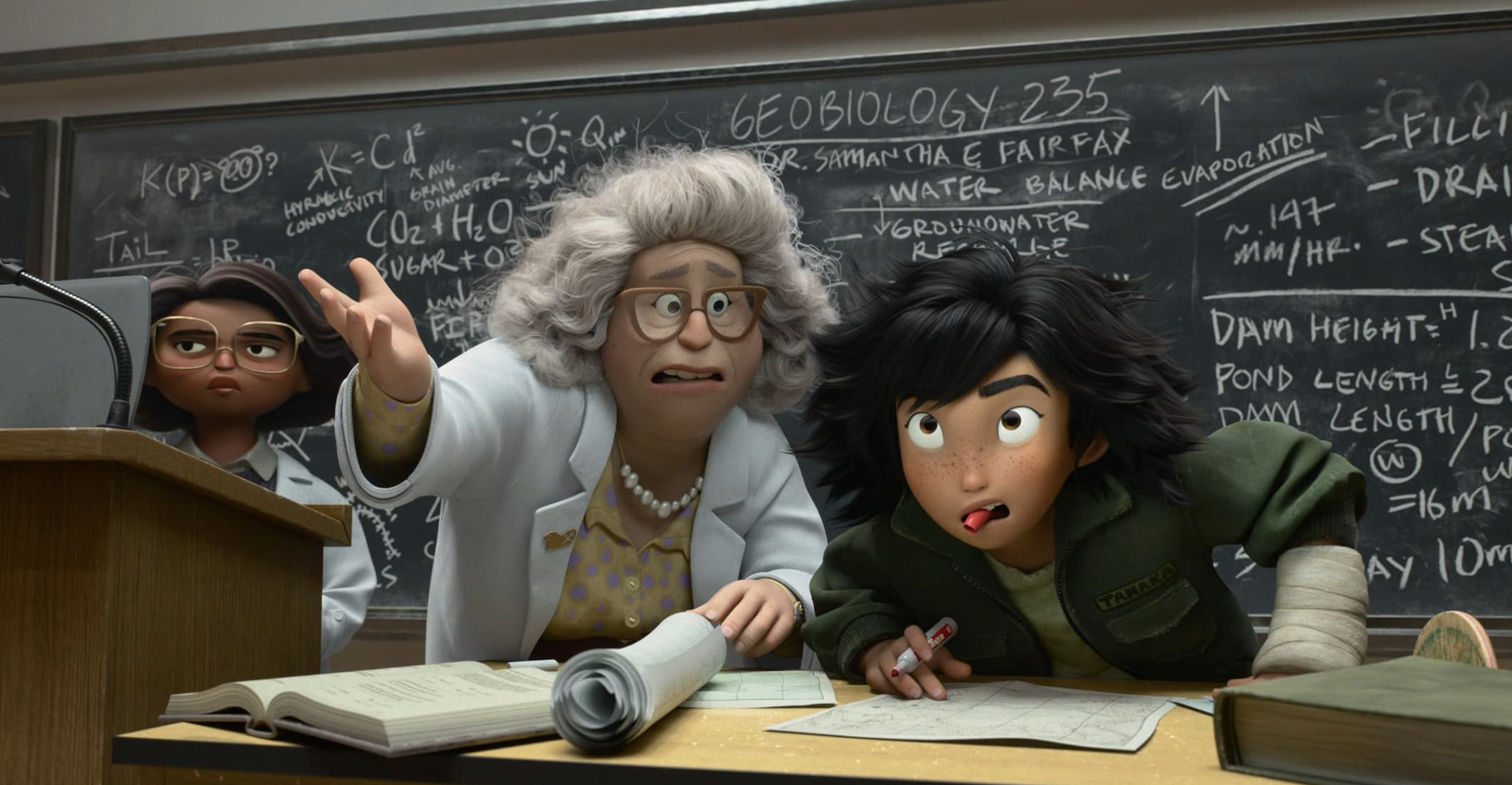
Mabel isn’t the traditional hero, which is precisely what makes her so captivating to watch. She’s a do-gooder in the sense that she wants to help the animals, but she doesn’t care about following the rules or abiding by the law. Typically, this type of character would fall into conventional “goody two-shoes” or “nerd” stereotypes, but according to Mabel’s biology professor, Dr. Sam (Kathy Najimy), Mabel is failing and rarely shows up to class. That is, until Mabel learns about the hopping technology Dr. Sam and her team have invented.
Source: Pixar
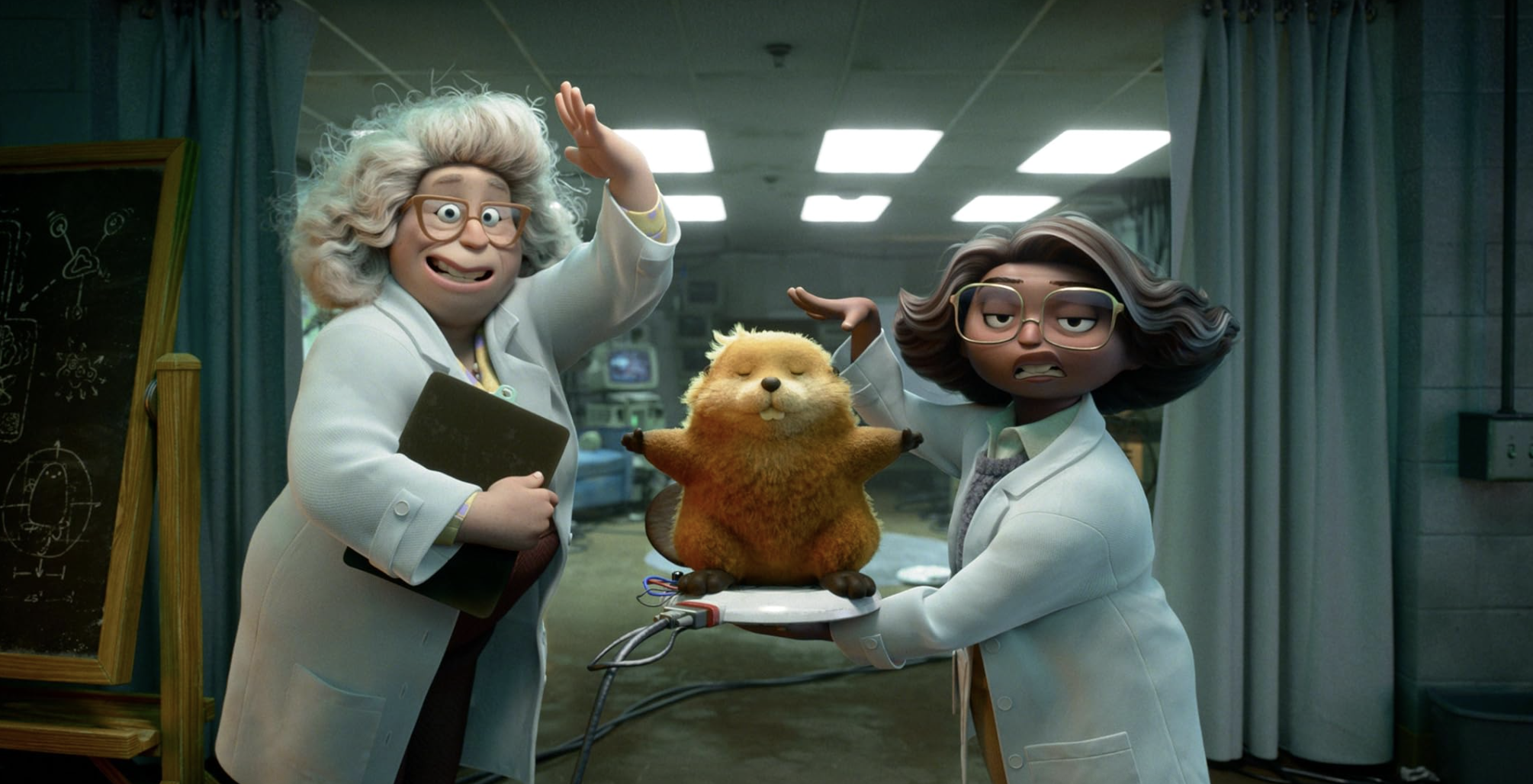
The hopping technology is where the film draws inspiration from James Cameron’s Avatar (2009). The film even acknowledges the similarities in its dialogue. By putting on a helmet, Mabel’s consciousness is transferred into a lifelike robotic beaver, enabling her to communicate and interact with the animals. This sets the plot in motion as Mabel tries to devise a way to stop the mayor’s plan to destroy the glade. The film presents a quirky premise that lends itself to offbeat humor and wacky adventures, while also making a potent statement about protecting wildlife and conserving nature. In addition to its environmental message, it’s a heartwarming tale about family, friendship, and the importance of helping one another.
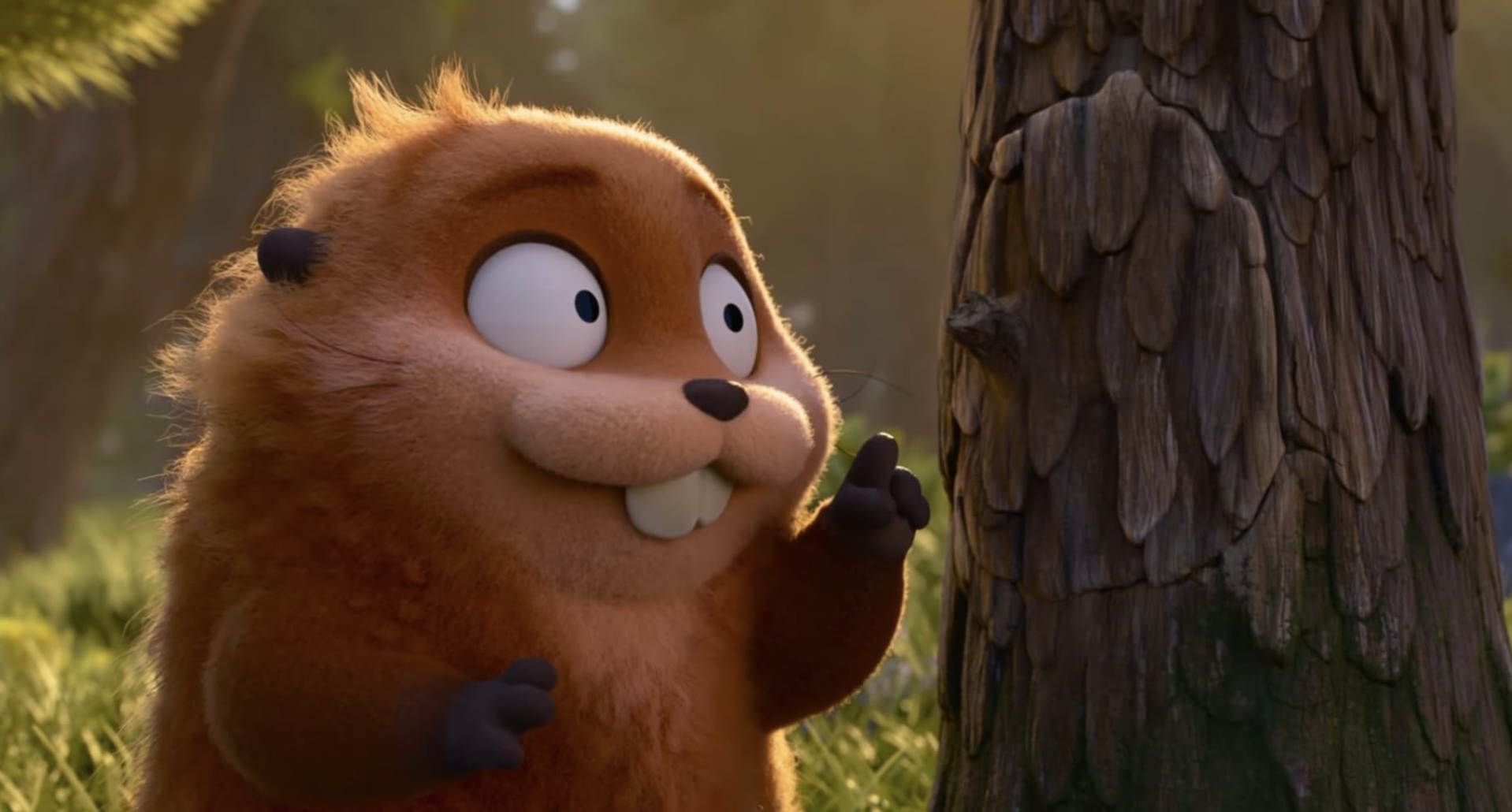
The animation is colorful and vibrant, beautifully mirroring the story’s spirited tone. The decision to change the animals' appearance depending on whether the characters around them can understand what they are saying is a nice touch. When Mabel is a beaver, if she’s trying to talk to humans who cannot understand her, she’s got black beady eyes and looks more lifelike. But when she’s a beaver interacting with other animals who can understand what she’s saying, she’s got those big, cartoon eyes. The characters are adorable either way, but the contrast is a unique creative flourish.
Source: Pixar
The voice cast is fantastic, with Piper Curda being the obvious standout. She ensures that we can feel Mabel’s passion and the emotional force driving her actions. Without revealing too much, Dave Franco’s role is that of one of the film’s antagonists and he completely devours that vocal performance. He’s the perfect over-the-top, chaotically unhinged villain. Mark Mothersbaugh’s score expertly embodies the film's tone. During the more exciting moments, the music is whimsical and lively; during the more emotional moments, it shifts to something more stirring.
Daniel Chong’s Hoppers may be one of Pixar’s strangest concepts to date, but it still feels right at home alongside the rest of the studio’s catalog. It’s unabashedly eccentric, emotionally resonant, and enjoyable for children and adults alike. It takes an absurd premise and turns it into a surprisingly powerful statement about environmentalism while still delivering the laughter and tears we’ve come to expect from Pixar. Beneath the rebellious energy and robot beavers lies a tender story about connection and empathy. Hoppers proves that even Pixar’s wildest ideas can lead somewhere wonderful and unexpectedly profound.
Hoppers hits theaters on March 6, 2026.