Source: Amazon MGM Studios
Everyone I talked to about Peter Farrelly’s I Play Rocky, whether they’d seen it or not, told me I would hate it. Honestly, I didn’t think I would like it, either. I’ve never been the biggest fan of John G. Avildsen’s 1976 film Rocky. I think it’s a great film, but I don’t have the same sentimental attachment to it that so many others do. So imagine my surprise when I found myself thoroughly enjoying I Play Rocky. Sure, it’s a pretty by-the-numbers crowd-pleaser, but Sylvester Stallone’s story is so enthralling and inspiring that I couldn’t help but get swept up in it.
Source: Amazon MGM Studios
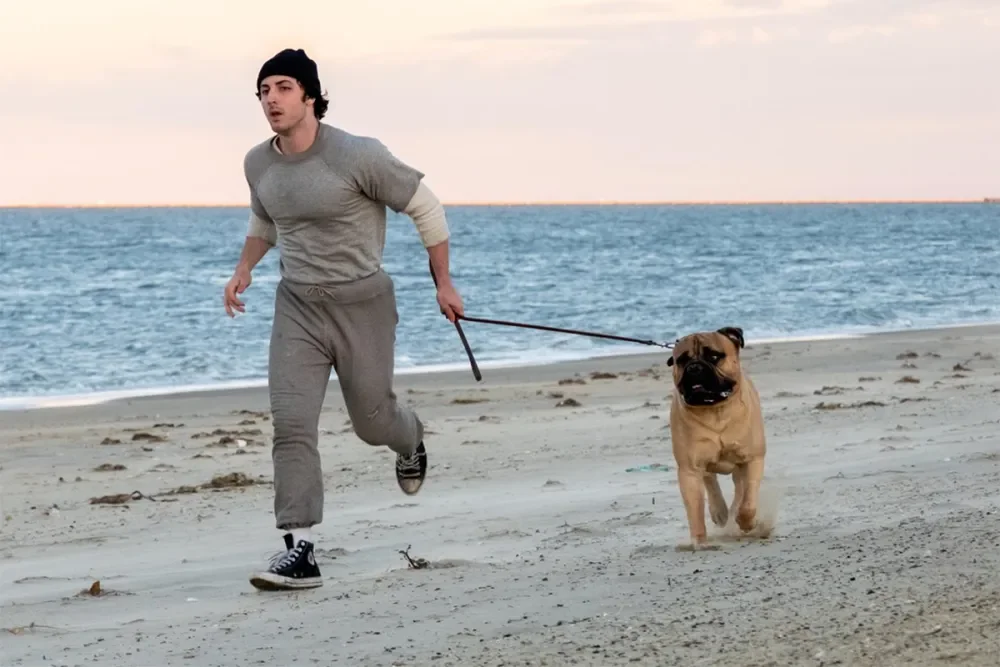
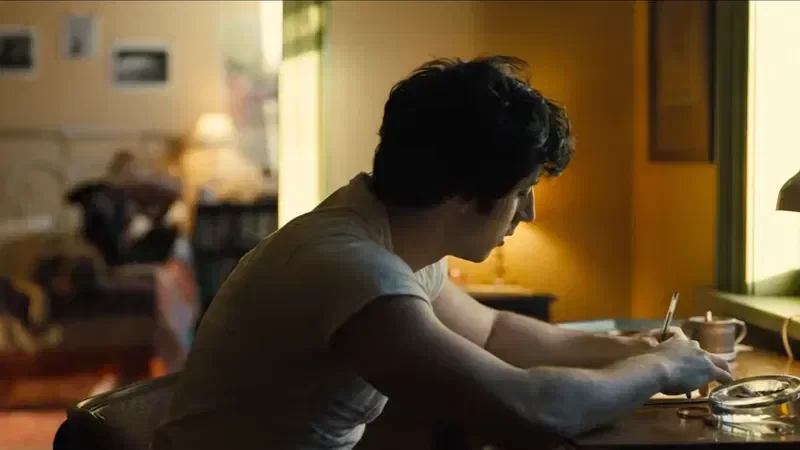
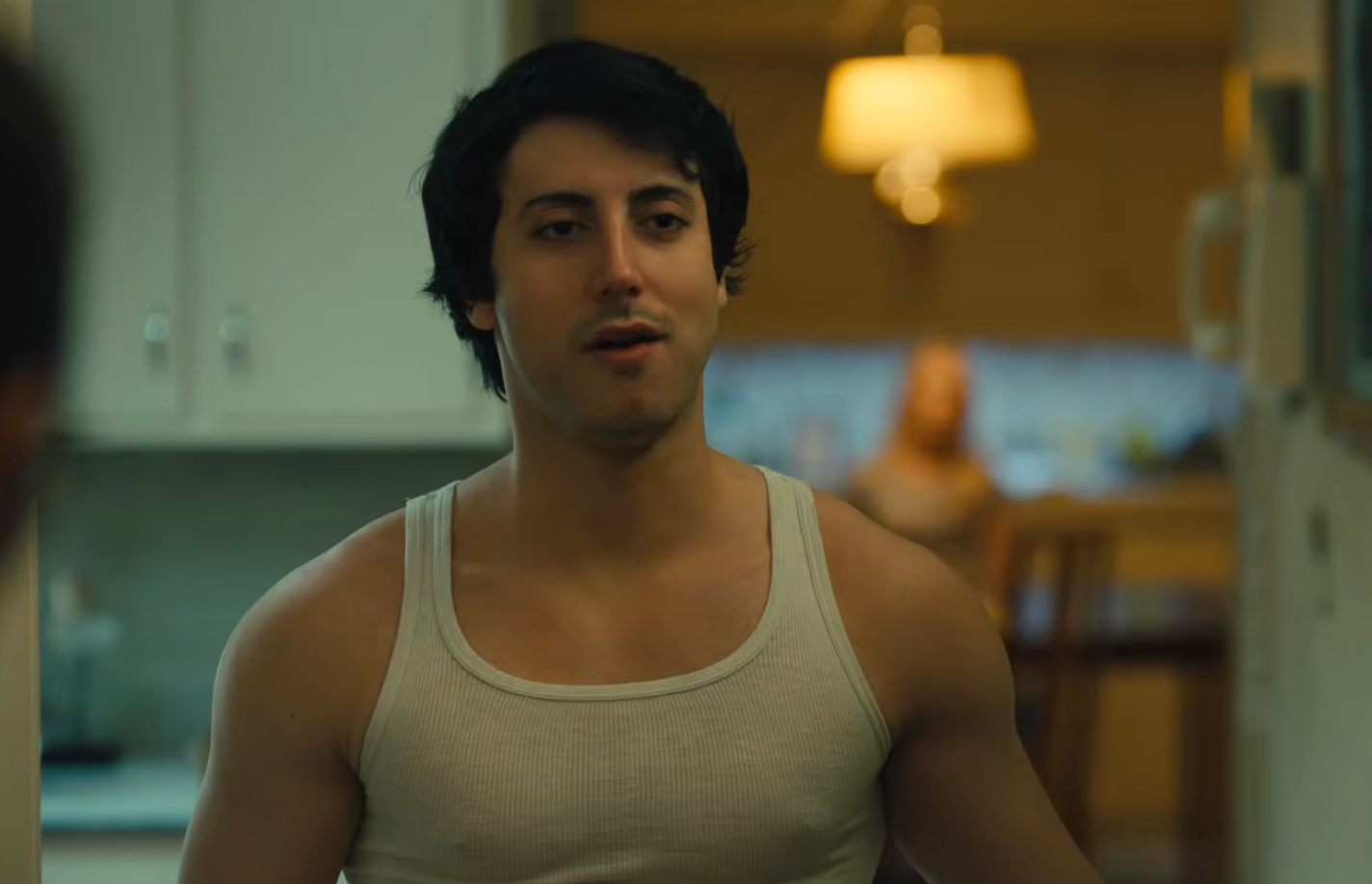
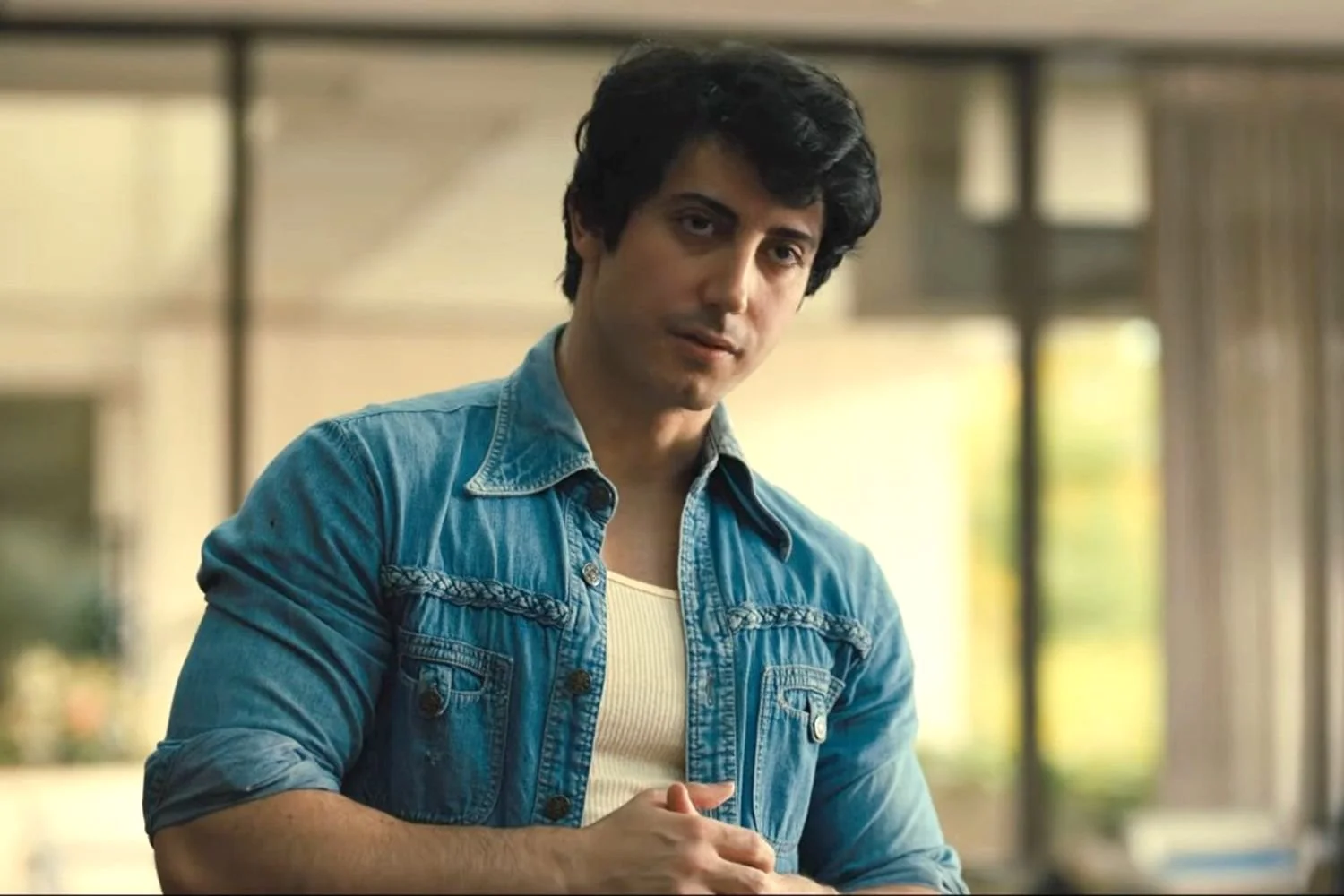
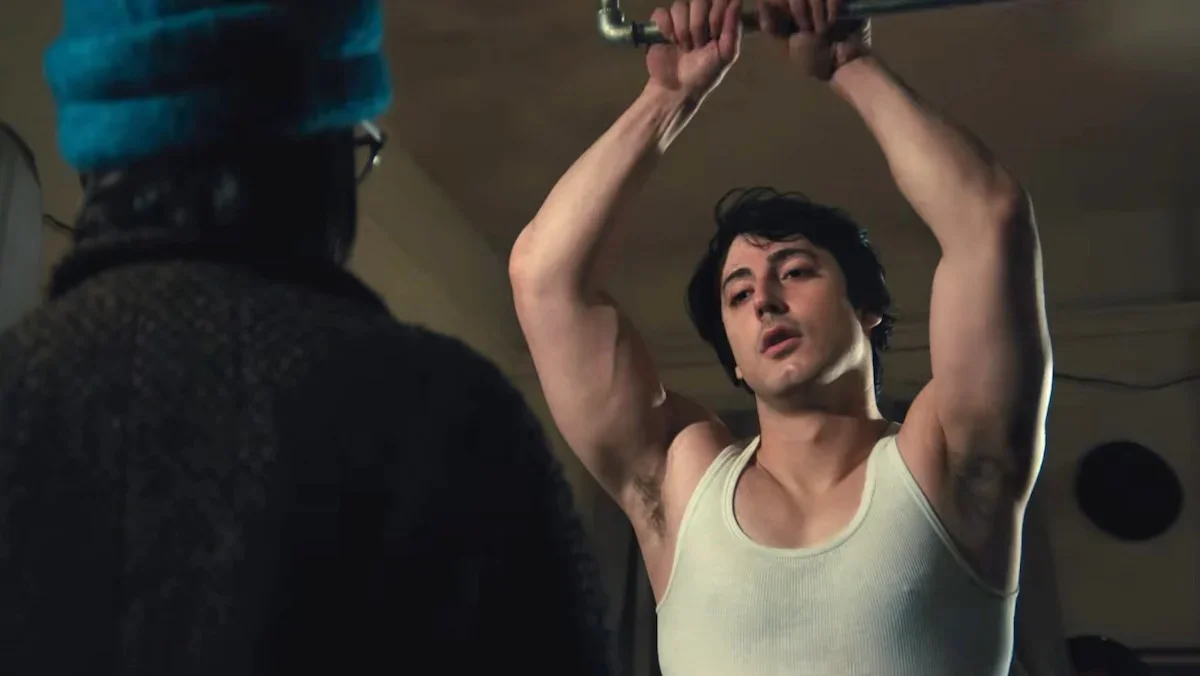
Rather than giving us a traditional biopic about Sylvester Stallone’s life that plays out like a cinematic Wikipedia summary, Peter Gamble’s screenplay zeroes in on the making of Rocky. Anthony Ippolito delivers a knockout performance as Stallone. Some viewers may find his impression a bit grating, but he nails Sly’s vocal cadence and mannerisms, fully losing himself in the role. Watching him feels like stepping back in time to the ‘70s, even when the film itself feels more modern. When we first meet his character, he’s going by the name Mike and auditioning for roles like “thug number two.” The film doesn’t gloss over Stallone’s struggles, which makes it easier to relate to him and root for his success—even though we already know how that turns out. As soon as he takes in a puppy he finds in a pile of trash, I was immediately charmed and firmly in his corner.
Source: Amazon MGM Studios
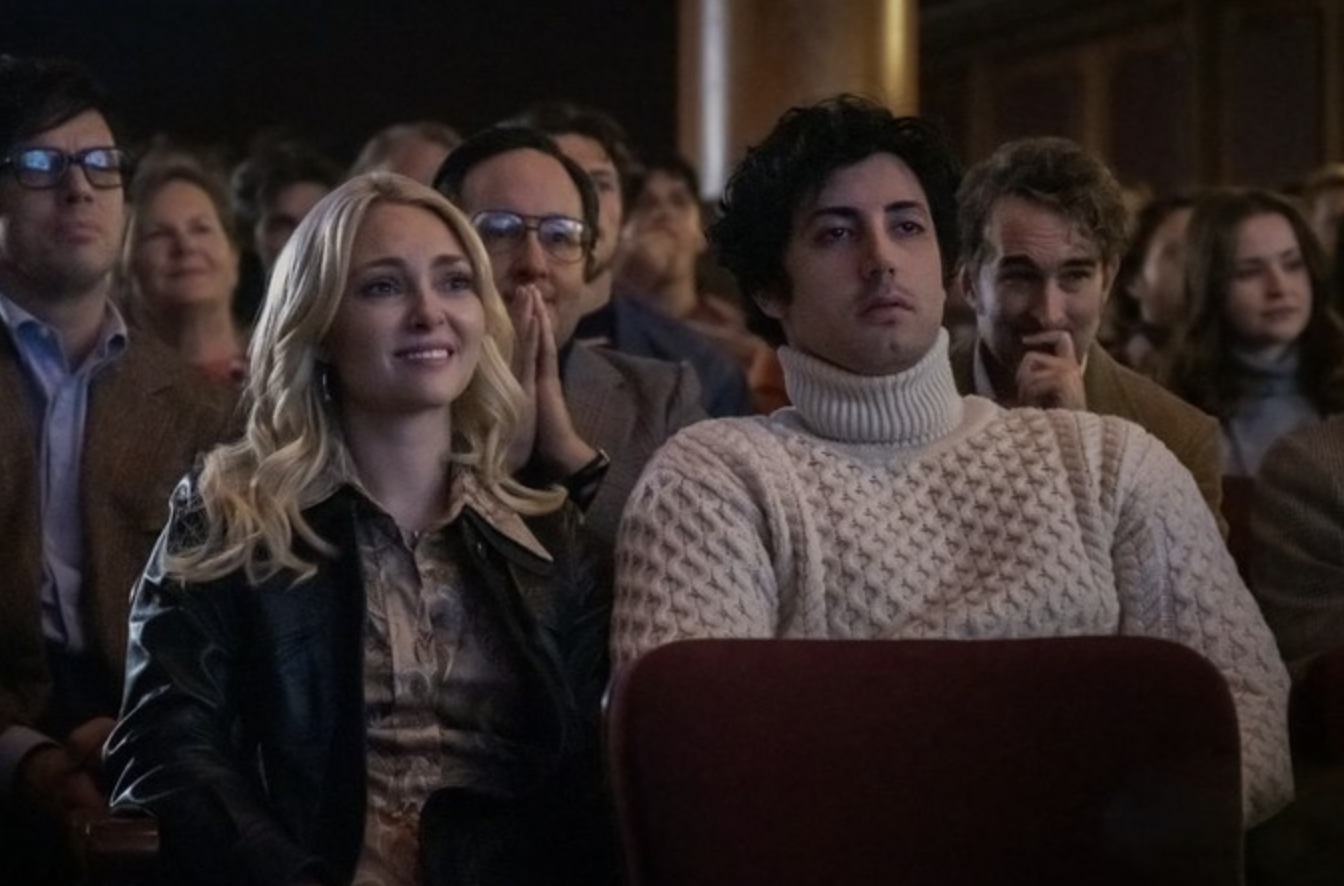
AnnaSophia Robb stars as Sasha, a young woman Stallone meets while they’re both working at a movie theater, who eventually becomes his wife. When he takes her to meet his father, Frank Stallone Sr. (Matt Dillon), she learns that his real name is Sylvester and encourages him to use it. She also encourages him to start writing his own screenplays, helping set the entire story in motion. Dillon doesn’t have much screen time, and one could argue his character is underutilized, but it’s evident that Stallone’s relationship with his father plays an important role in shaping who he is. Part of me was hoping the film would delve a bit deeper and flesh out that relationship more.
Source: Amazon MGM Studios
Sean Porter's cinematography is functional without becoming flashy. The imagery doesn’t quite transport us back to the ‘70s, often feeling rather contemporary instead. The original Rocky was only the third film to use Steadicam, a technology introduced in 1975, the same year the film was shot. I Play Rocky even shows us how the technology works, particularly in its recreation of the famous scene where Rocky Balboa runs up the steps of the Philadelphia Museum of Art. Learning about the new technology and the creative gambles the filmmakers took to get Rocky made left me wishing I Play Rocky had taken more creative risks of its own and experimented more with its visuals.
Source: Amazon MGM Studios
I Play Rocky is a charming film with a lot of humor and heart. The audience around me was cheering repeatedly. Going into the film, I was worried it would pull a Bohemian Rhapsody and feel like it served no other purpose than to recreate iconic scenes from Rocky. However, those recreations weren’t even what had the audience applauding. Moreover, those scenes are saved for the film’s final act, and their inclusion never feels excessive. The majority of the film focuses on how Stallone came to write the screenplay for Rocky and his refusal to let the producers make the film without him in the lead role.

Source: Amazon MGM Studios
Some viewers may find I Play Rocky a bit cheesy, but it’s a hopeful story, and one that I believe the world needs now more than ever. At a time when so many are turning to AI as a substitute for creativity and hard work, it’s important to see stories about people writing and making art. It’s inspiring to watch Stallone believe in himself and refuse to compromise on his vision for the film. I Play Rocky also serves as a wonderful reminder that the wealthy gatekeepers who run this industry should take more chances on the little guy. Taking a chance on Stallone paid off with Rocky, which received ten Academy Award nominations and won three, including Best Picture. This year alone, we’ve seen how rewarding those types of risks can be, with Curry Barker’s Obsession becoming a phenomenon despite its modest budget. Like Rocky, it’s proof that a movie doesn’t need an A-list celebrity or a massive budget to find success.
Speaking to this idea of taking a chance on someone relatively unknown, I found myself wishing I Play Rocky had been directed by a newcomer. Given the story’s emphasis on believing in yourself and taking risks, it would have been fitting to see a young filmmaker get the opportunity to tell it. Perhaps a less established director would have brought a little more visual flair and experimentation to the film. Regardless, it’s the best film I’ve seen from Peter Farrelly so far.
Source: Amazon MGM Studios
Ultimately, I Play Rocky is a smashing success because it tells an uplifting underdog story, much like Rocky itself. It isn’t doing anything groundbreaking from a cinematic standpoint, but Stallone’s story is extraordinary enough to make up for it. The real-life story behind Rocky is so remarkable that when Stallone appeared on The Tonight Show to promote his movie, Johnny Carson commented, “If they’d made a movie about how this movie came about, you wouldn’t believe it.” Now, 50 years later, Peter Farrelly’s I Play Rocky is that unbelievable movie. It packs a one-two punch of humor and heart that’s likely to delight most moviegoers, especially die-hard Rocky fans. While it may not work for everyone, I’d much rather see more movies like this than a generic Sylvester Stallone biopic or an unnecessary Rocky remake.
I Play Rocky screened at the Montclair Film Festival on October 18, 2026. The film will receive a limited theatrical release on November 6th before expanding nationwide on November 20th.