Look Back — Montclair Film Festival Review
Source: GKIDS Films
Kiyotaka Oshiyama’s anime adaptation of Tatsuki Fujimoto’s manga Look Back was one of my top five favorite films of 2024. Hirokazu Kore-eda is one of my favorite filmmakers working today, and Monster was one of my top five favorite films of 2023. His coming-of-age stories are so sincere and sensitive, and some of the best performances I’ve seen from child actors are in his films. So, a live-action adaptation of Look Back directed by Hirokazu Kore-eda feels like a cheat code for crafting a film I’d love. In fact, if I had to choose a filmmaker to direct a live-action adaptation of Look Back, Kore-eda would have been my first pick.
Source: GKIDS Films
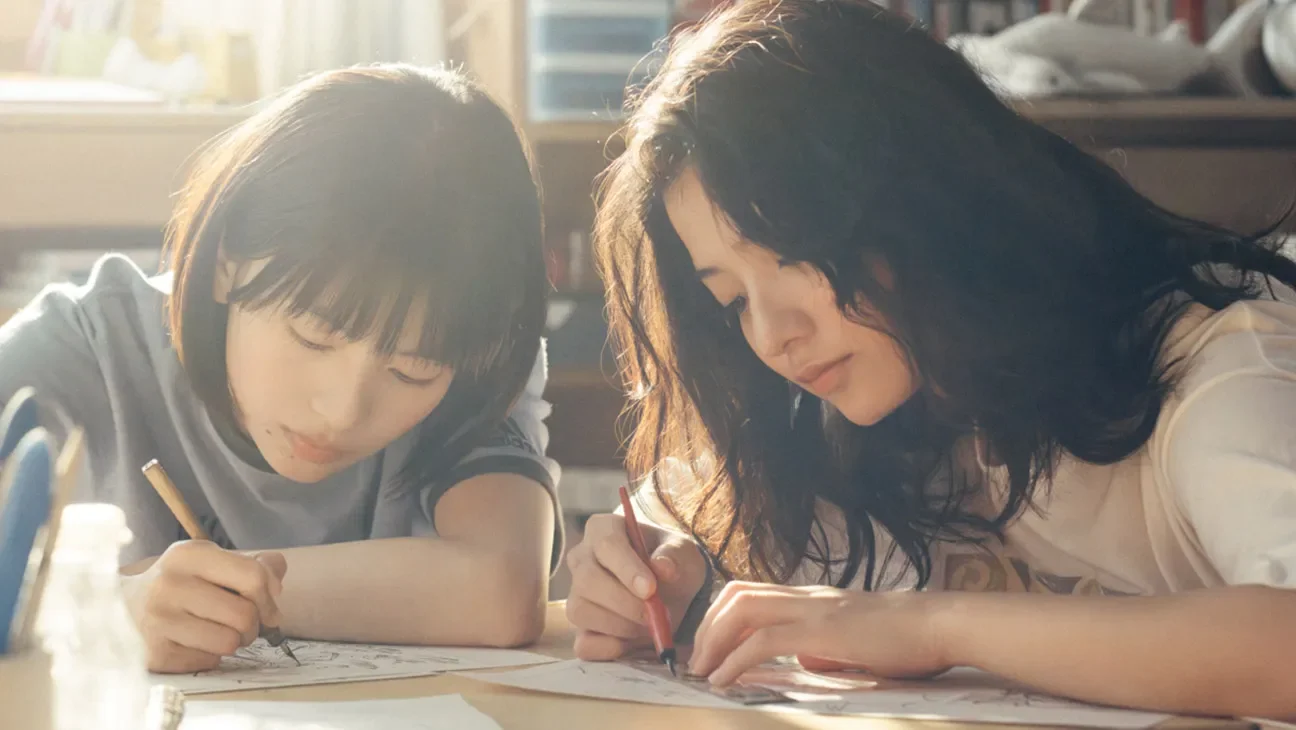
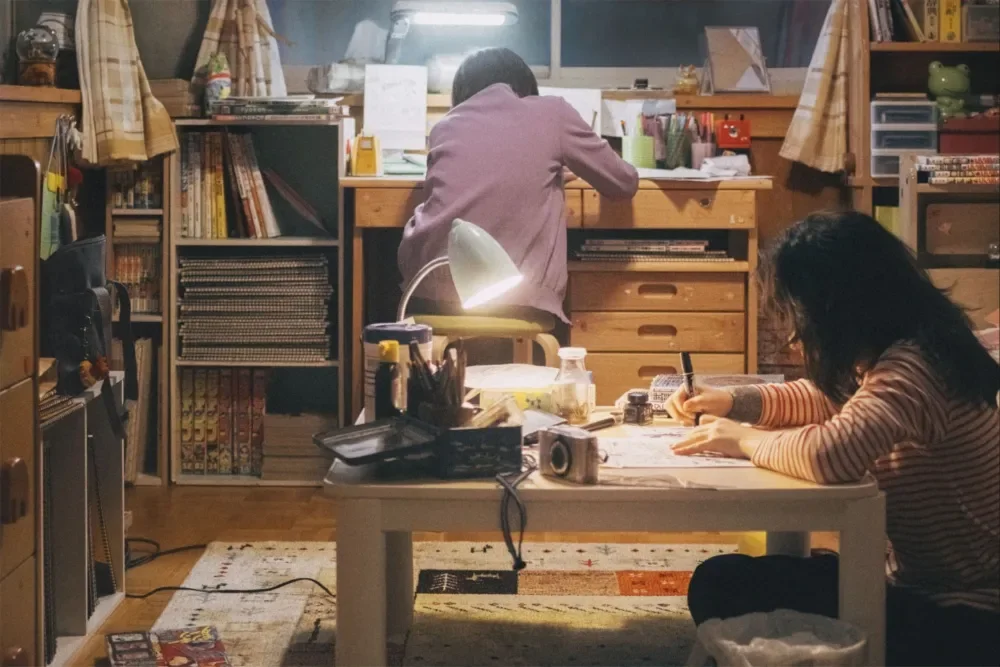
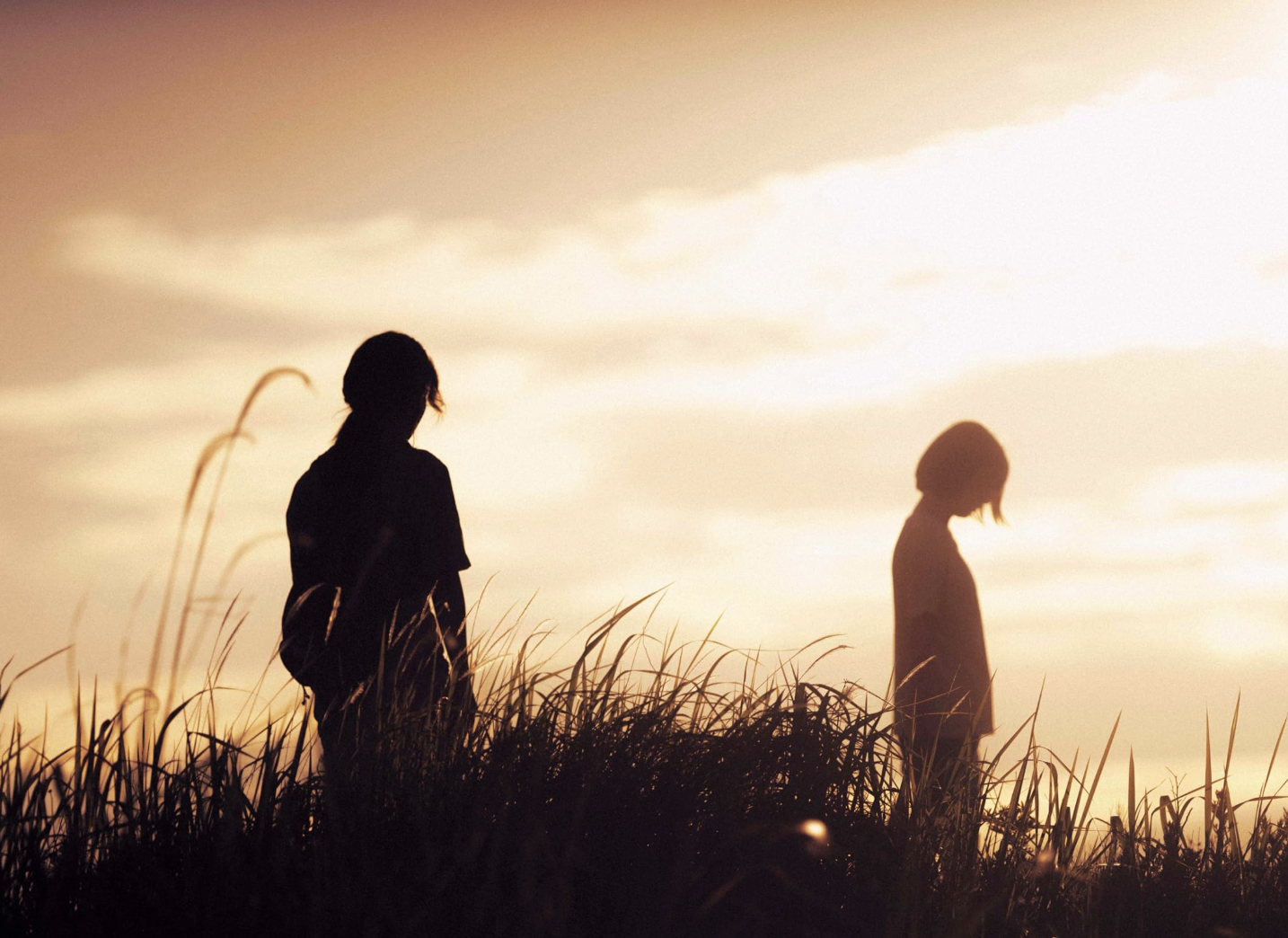
When Kore-eda’s adaptation was first announced, I honestly thought it was fake. The image I saw looked like a perfect recreation of the anime, so I assumed it might be fan-made. The cinematography, blocking, and production design are unbelievably faithful to Oshiyama’s film. It genuinely feels as though we’re watching the anime come to life.
The biggest difference is the runtime. Oshiyama’s film clocks in at under an hour, while Kore-eda’s runs 100 minutes. It makes sense that a live-action adaptation would be a bit longer, as a runtime of less than an hour might leave moviegoers feeling that the story is rushed. Still, the added length doesn’t do much for the narrative. Kore-eda allows scenes to breathe and linger, but for me, that actually makes the story less impactful. I watched the 2024 film more than once and sobbed every time. With this version, I was only teary-eyed and a little choked up. There’s also a minor change in the final act that affects what is arguably the story’s strongest emotional beat. It slightly alters something I loved about the original, but I’ll refrain from elaborating to avoid spoilers.
Source: GKIDS Films
Aside from that one small detail, Kore-eda’s adaptation is astoundingly faithful, perhaps to a fault. It doesn’t quite do enough to justify its own existence. Fujimoto’s story means a great deal to me, and if this adaptation introduces it to more people, I'm all for it. It also offers a great alternative for audiences that aren’t fond of anime. However, as someone who loves Oshiyama’s version, I can’t help but find this one a bit redundant. Kore-eda beautifully recaptures the magic of the story, but Oshiyama managed to tell that same story in under an hour, and there’s something to be said for that. If I had to choose which adaptation to revisit, I’d pick Oshiyama’s every time.
Source: GKIDS Films
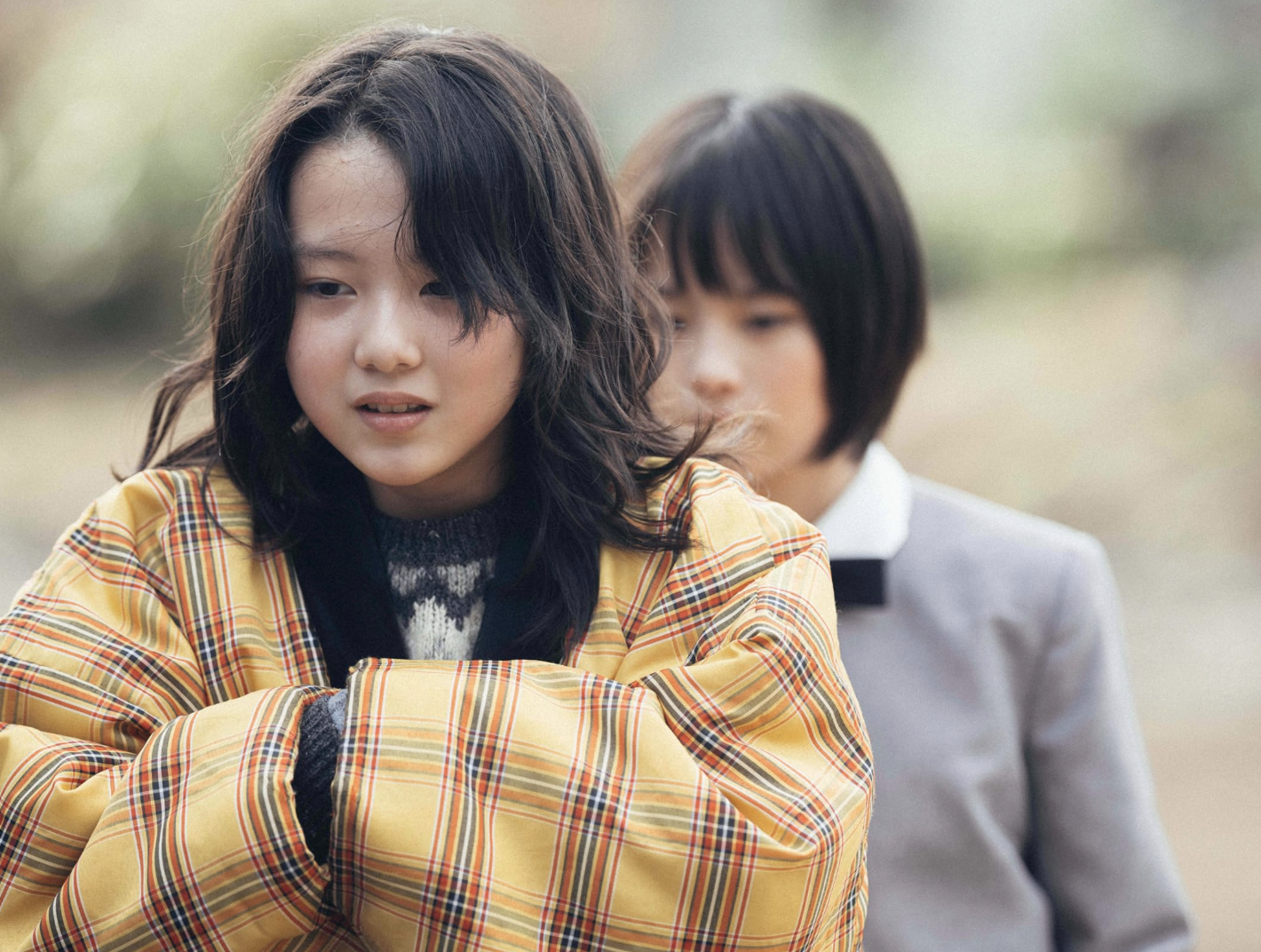
The film follows Fujino (Furi Nanase and Natsuki Deguchi), a popular, outgoing student who draws yonkoma manga, and Kyomoto (Rokka Okada and Aju Makita), a shut-in whose social anxiety is so severe that she doesn't show up to school. When Kyomoto starts contributing illustrations to the elementary school newspaper, Fujino is stunned by her talent. Her classmates even make remarks that Kyomoto’s drawings make Fujino’s work seem average. This ignites a fire in Fujino, who begins devoting all her time to improving her art, even at the expense of spending time with friends and family. This reflects the familiar idea that comparison is the thief of joy. While a little competition can sometimes motivate people to improve, constantly measuring ourselves against others does more harm than good. Despite her efforts, Fujino eventually gives up after realizing Kyomoto’s art still surpasses her own.

Source: GKIDS Films
That changes when Fujino is tasked with bringing Kyomoto her diploma. Fujino makes a drawing mocking Kyomoto’s refusal to leave her room, depicting her as the winner of an award for being the biggest shut-in. When the wind blows the doodle under Kyomoto’s door, she sees it and rushes out after Fujino. To Fujino’s surprise, Kyomoto turns out to be a huge fan of her work and reveals that Fujino was the very person who inspired her to start drawing. This revelation transforms not only Fujino’s attitude but also the story’s broader commentary on art and ambition. Knowing she inspired someone as talented as Kyomoto gives Fujino the motivation to draw again, and the two soon begin collaborating. Their relationship evolves from one-sided competition into a friendship and artistic partnership built on mutual admiration. In doing so, the film offers a compelling reminder that, rather than competing with or comparing ourselves to others, we can learn from one another, work together, and celebrate our unique strengths.
Source: Searchlight Pictures
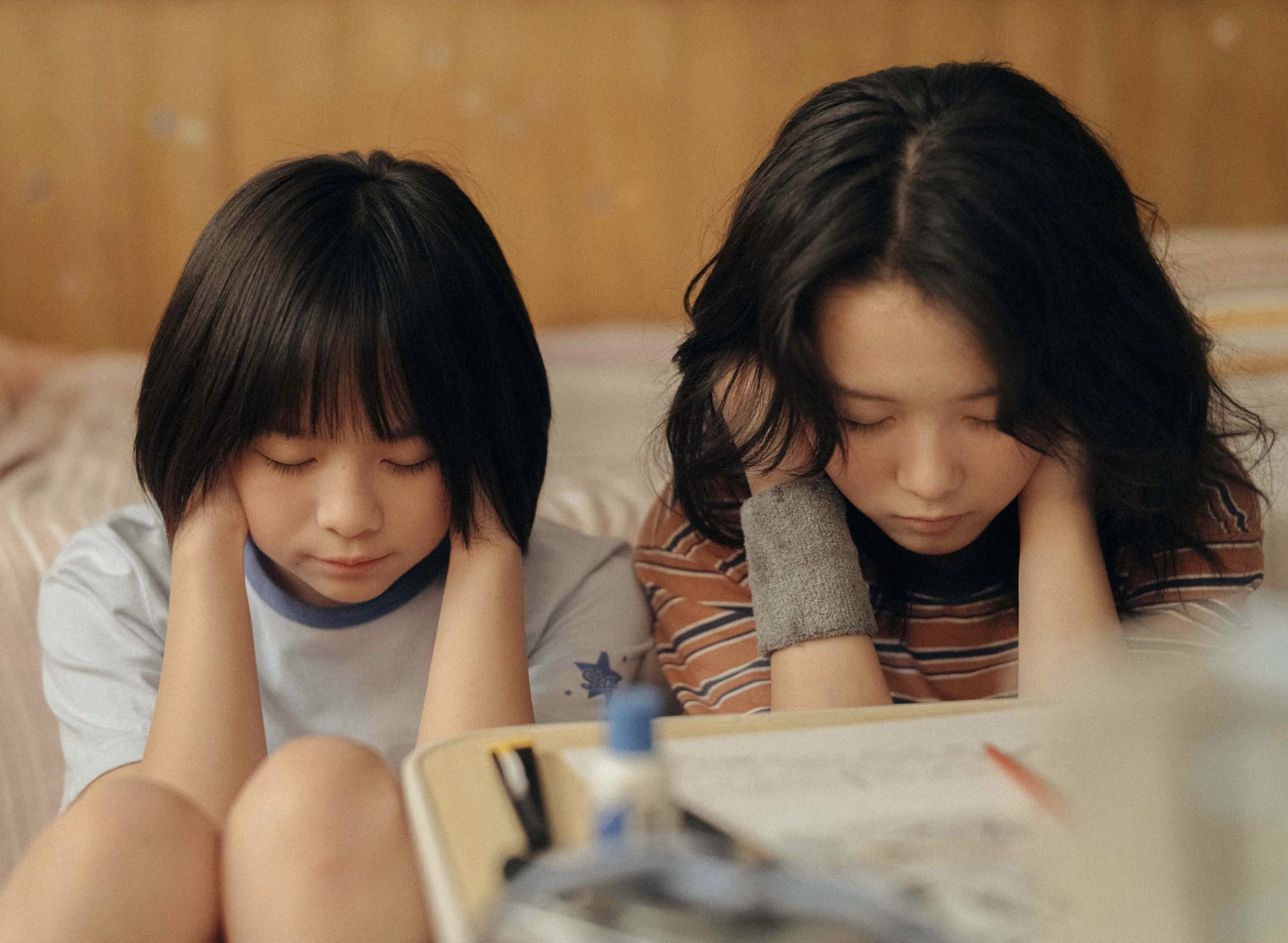
One attribute that works to Kore-eda’s advantage is that actors are capable of expressing more emotion than what we see in animation. However, there are some elements of fantasy in the second half of the film that feel far more effective and immersive when animated. Regardless, the performances end up being one of the film’s greatest strengths. The performances between all four actresses who play Fujino and Kyomoto at different stages of their lives are especially effective. They bring depth and empathy to their respective characters, conveying their emotional growth.
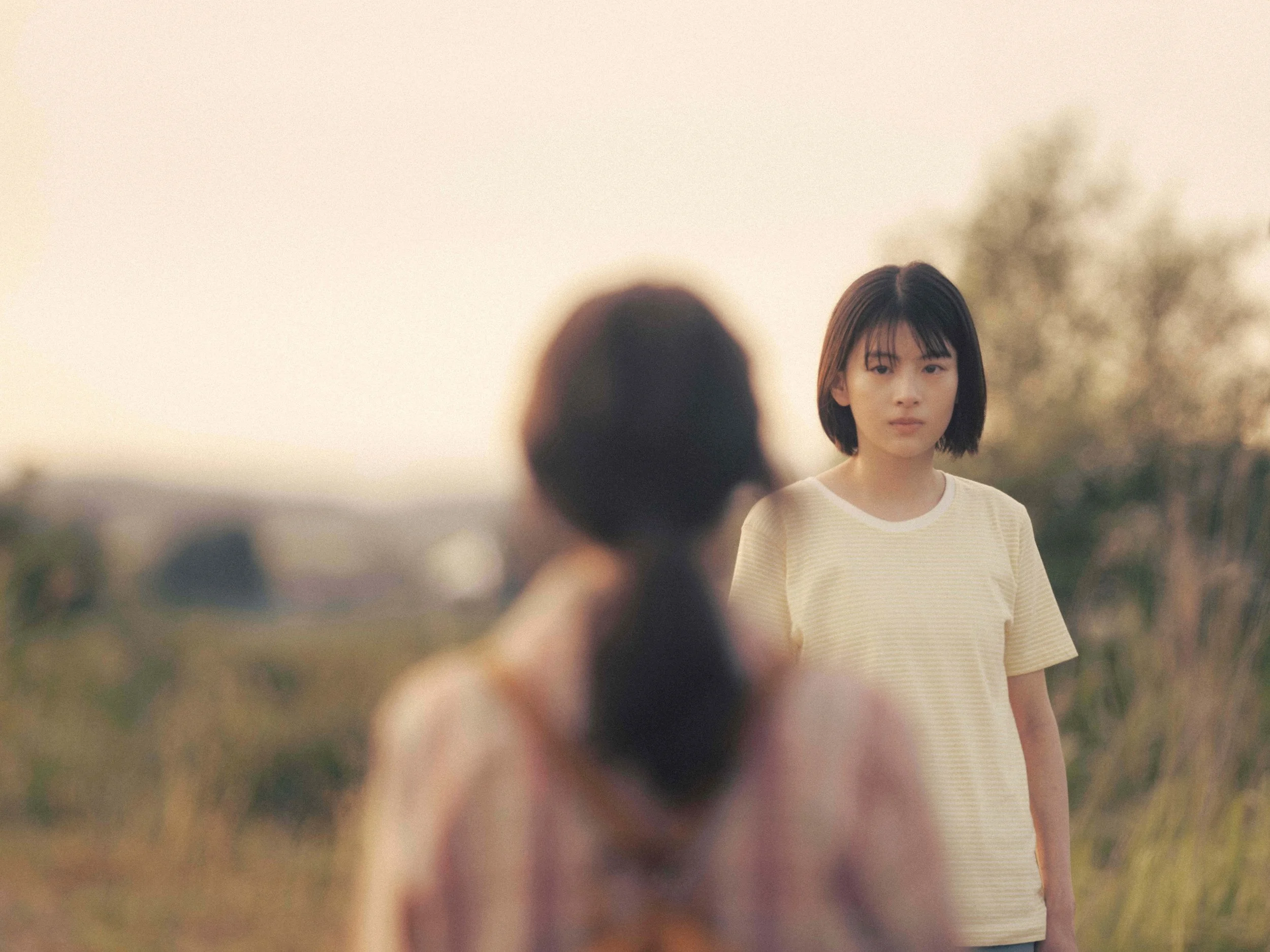
The story evolves into an emotional gut punch about grief, survivor’s guilt, and how we cannot change the past. The film serves as a poignant reminder to look back on the good times instead of looking back in regret. The colorful visuals and diffused lighting give it a nostalgic glow. The score by Yuta Bandoh further enhances the film’s emotional impact. The music adds to the nostalgic atmosphere without overwhelming the quieter moments. It also captures the bittersweet feeling of nostalgia and growing up, growing apart, and reflecting on the moments that shaped us. Meanwhile, the editing and cinematography delicately convey the passage of time. Together, these elements make the joyful moments feel all the more precious, imbuing them with a sense of wistfulness.
Source: Searchlight Pictures
Ultimately, Kore-eda’s Look Back is a beautiful adaptation of a story that means so much to me, even if it never quite reaches the emotional heights of Oshiyama’s film. The performances, cinematography, and score capture the tenderness and heartbreak of the story, bringing its themes of friendship, artistic ambition, grief, and regret to life. However, the fact that it’s so faithful to Oshiyama’s adaptation makes it difficult to justify its existence beyond offering an alternative for those who prefer live-action movies. Nonetheless, I’m glad this adaptation exists, and I hope it introduces more people to Fujimoto’s work.
Look Back screened at the Montclair Film Festival on October 17-18, 2026.