Source: 1-2 Special
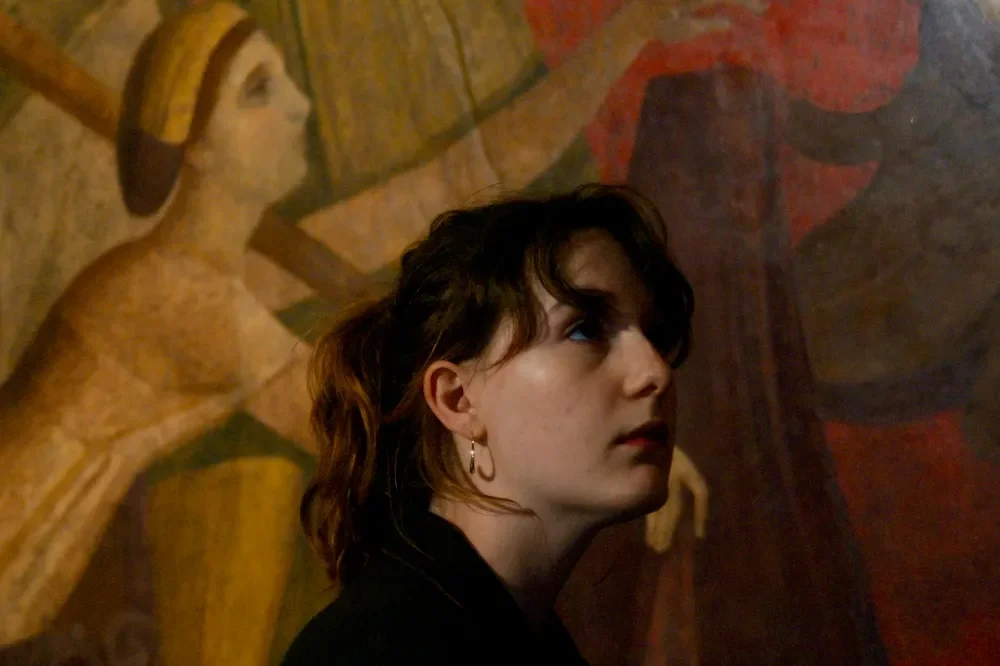
La Gradiva marks the feature directorial debut of cinematographer Marine Atlan. In addition to directing, Atlan also served as co-cinematographer alongside Pierre Mazoyer and co-wrote the screenplay with Anne Brouillet. The film, which won the Grand Prize in the Critics' Week section at the 79th Cannes Film Festival, is a coming-of-age story about a group of French teenagers on a class trip to Naples shortly before their high school graduation. Atlan draws subtle parallels between the ruins of Pompeii and modern-day adolescence, using the setting to explore the complexities and uncertainties of growing up.
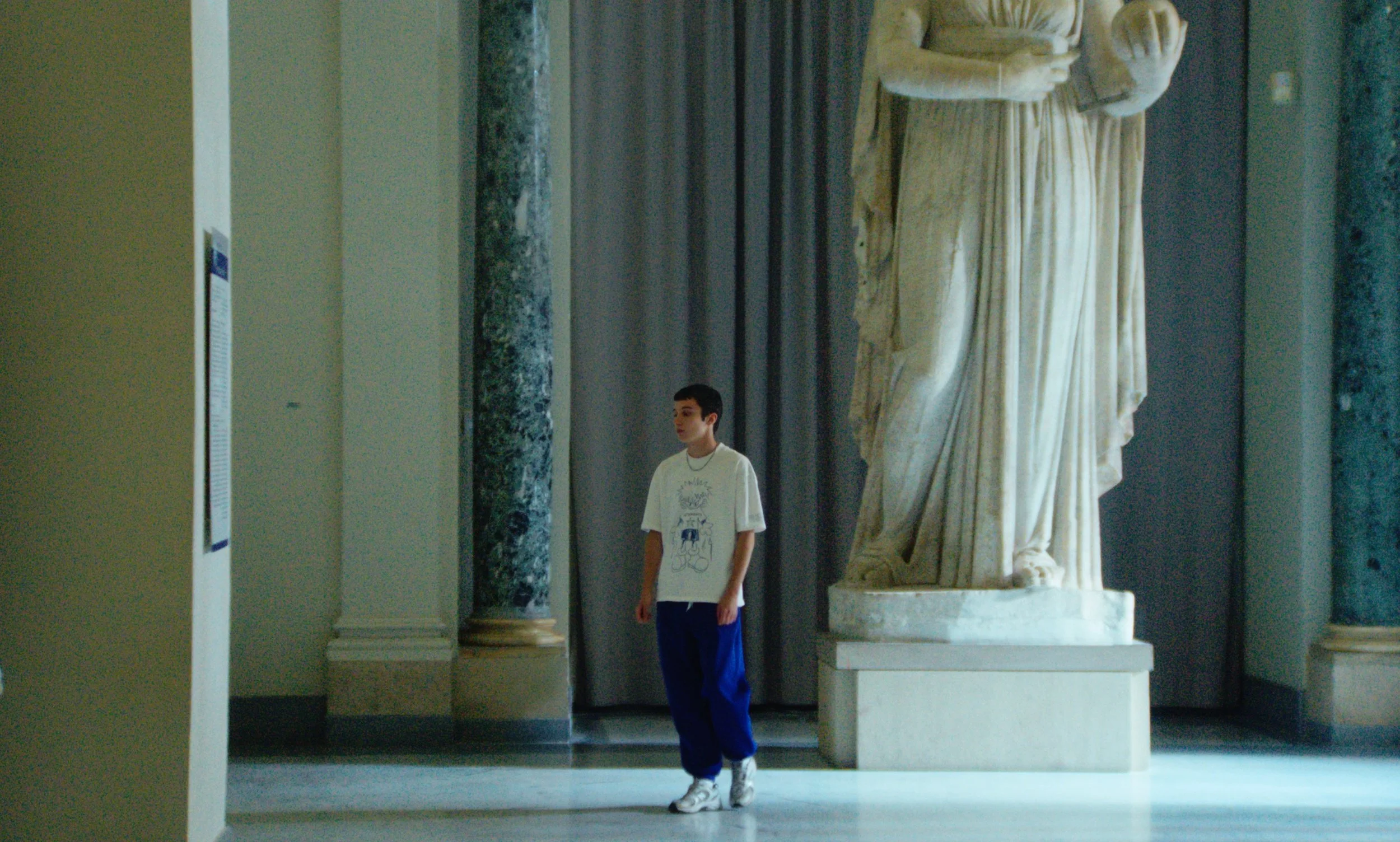
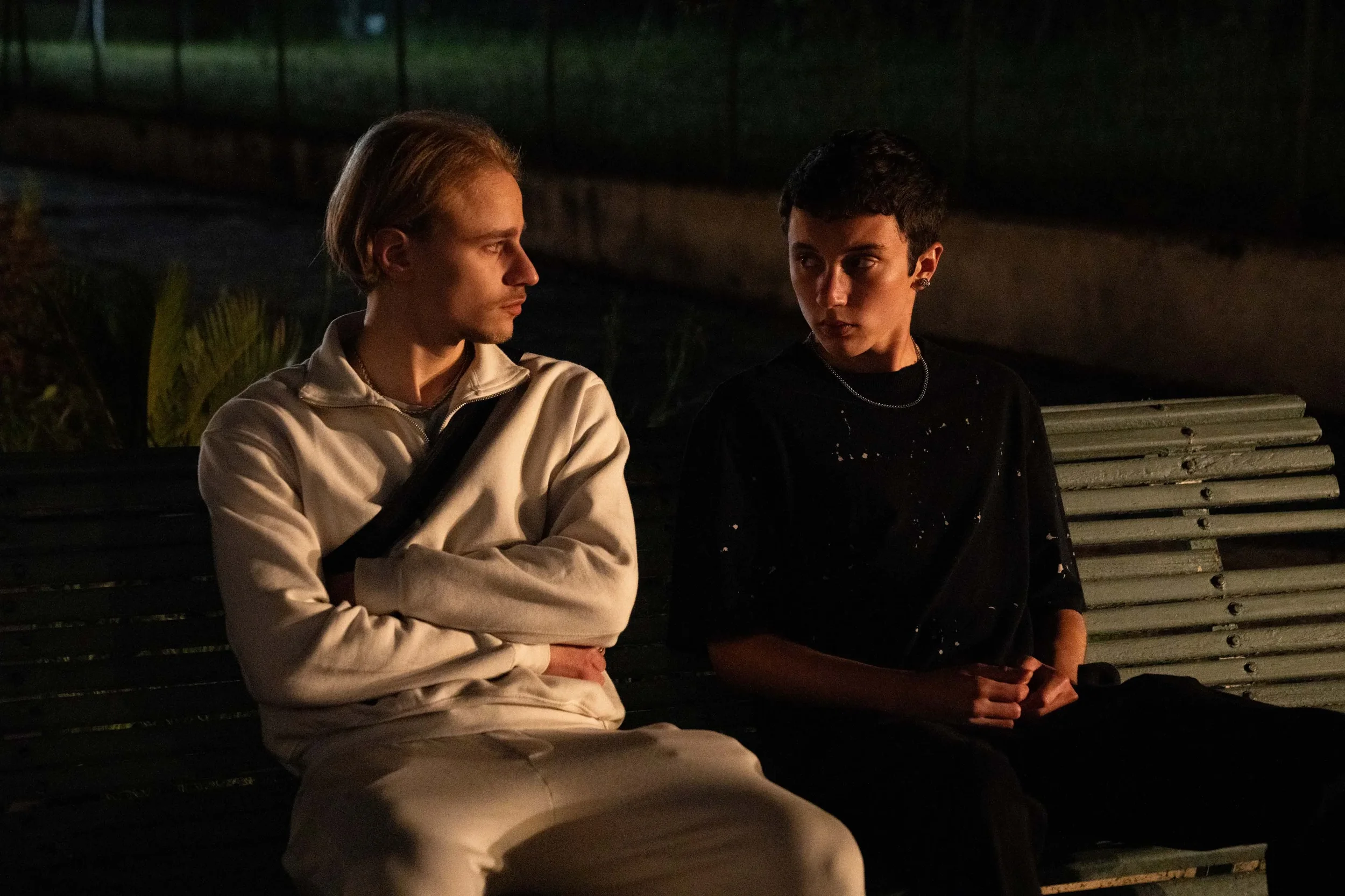
At the heart of the story is Toni (Colas Quignard), who is often seen as the troublemaker among his classmates and turns to Grindr in search of a hookup during the trip. His best friend, James (Mitia Capellier-Audat), is a bit of a womanizer, hooking up with Angela (Hadya Fofana) in a train car on the way to Naples. The introverted and insecure Suzanne (Suzanne Gerin) seems to be one of the only people sympathetic toward Toni, though even she grows weary of his acting out and disrupting Madame Mercier's (Antonia Buresi) lectures. Meanwhile, Toni remains fixated on his Italian heritage, recounting how his grandmother worked as a maid for an aristocratic family before fleeing the country while pregnant following the death of her boss and lover in the Irpinia earthquake. Beneath his rebellious behavior, Toni is searching for a sense of identity, looking to his family’s past for clues about where he comes from and where he belongs.
Source: 1-2 Special
At its core, La Gradiva likens adolescence to a volcano on the verge of eruption, with hidden fears, subconscious desires, and unspoken tensions simmering beneath the surface. Like the shifting of tectonic plates, the teenage experience is marked by restlessness and unpredictability, particularly at the end of senior year, when the future feels wide open. Just as Mount Vesuvius buried Pompeii beneath volcanic ash, leaving the city frozen in time, the teenagers find themselves at a pivotal moment in their own lives, on the cusp of changes that will shape the people they ultimately become.
Source: 1-2 Special
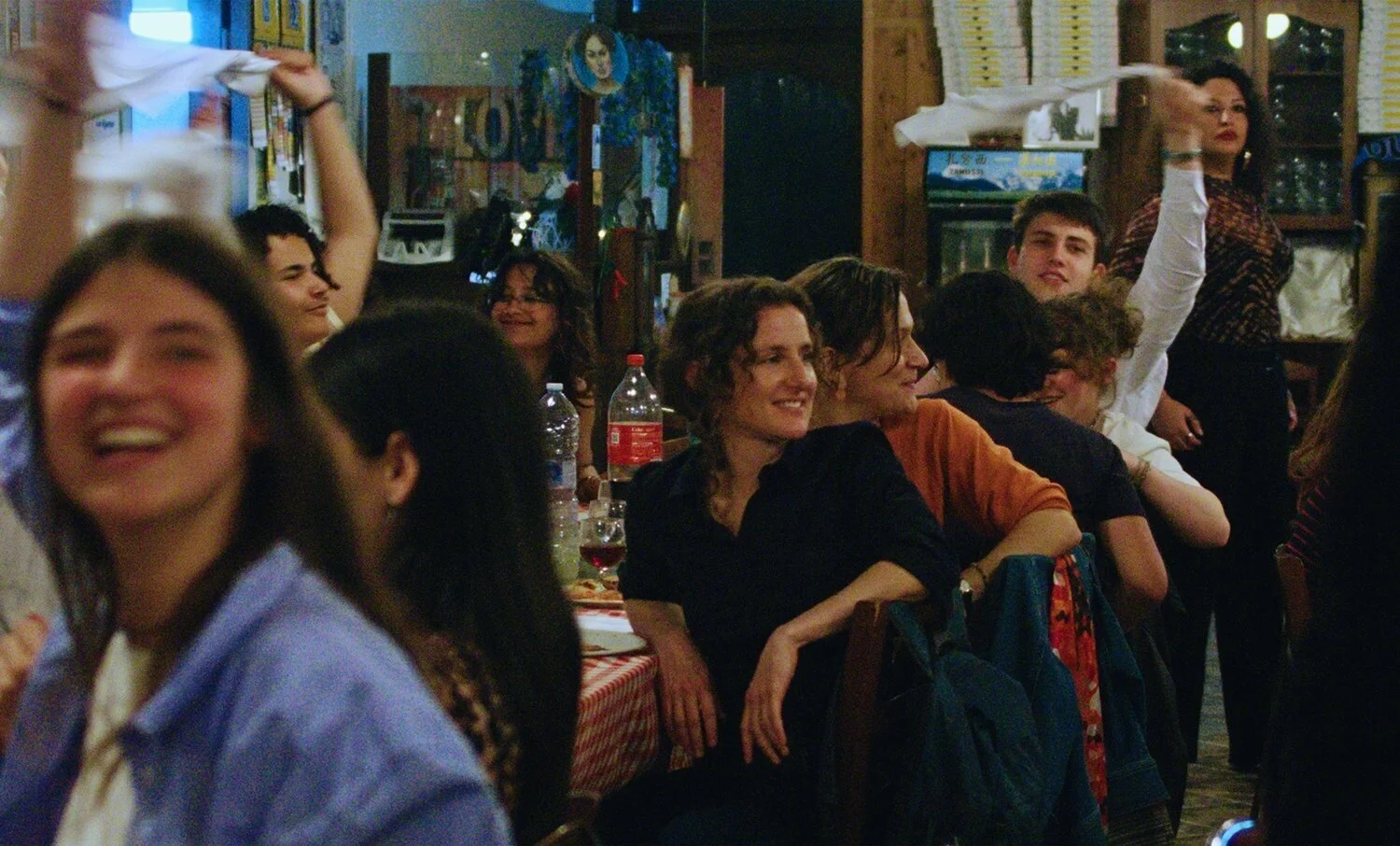
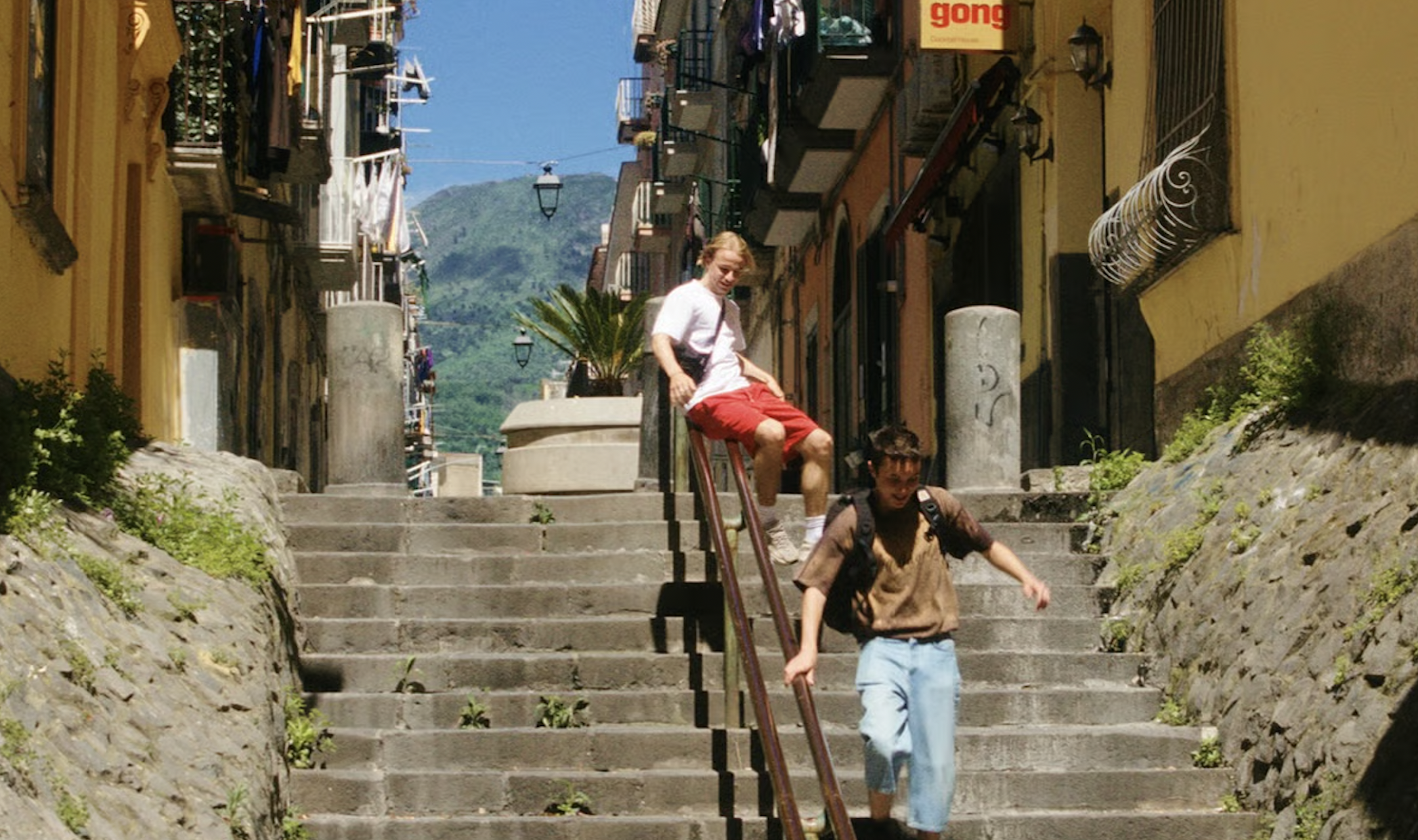
What’s especially remarkable about La Gradiva is how true to life it feels. Both the characters and performances are astonishingly authentic. Watching the film genuinely feels like tagging along on a class trip. The relationships between the characters are complex and lived-in, with a palpable sense of shared history informing their various dynamics. They feel like fully-realized people who have known each other for years, with all the familiarity and friction that comes with it. However, the naturalism may make it difficult for some viewers to find their footing early on, as the film opens with the sense that there are unspoken tensions and underlying dynamics yet to be uncovered. Its realism may also prove alienating for some viewers, especially those far removed from their own teenage years, as spending time with a group of teenagers is not always the most pleasant experience.
Atlan and Mazoyer’s camerawork captures the beauty of Naples, evoking Roberto Rossellini’s Journey to Italy (1954) in its appreciation of the city’s landscapes and architecture. The cinematography feels observational, as if we’re discovering the city alongside the students. The ancient ruins provide a striking backdrop for this portrait of adolescence, portraying the permanence of the past in contrast to the uncertainty and possibilities of the future. The sun-drenched landscapes lend the film a sense of hopefulness, even as a quiet melancholy gradually begins to take hold.
Source: 1-2 Special
The film’s narrative is its weakest aspect. While the screenplay’s dialogue feels authentic to the way teenagers speak to one another and the parallels Atlan draws between Pompeii and the volatility of adolescence are profound, the plot itself leaves something to be desired. The film’s naturalism thrusts us directly into the teenagers' world, complete with their shared history and established dynamics. As outsiders observing their experience, we need time to fully grasp who these characters are and what they mean to one another. Consequently, it takes longer than I would have liked to become invested in their lives. Even after getting better acquainted with the teenagers and finding some of them to be relatable, I still struggled to connect with them on an emotional level. Their relatability makes it relatively easy to anticipate where the story is headed, yet the abrupt payoff left me feeling oddly cold and detached. For other viewers, however, the buildup may make the final moments feel unexpectedly powerful and devastating, but the emotions never quite felt earned to me.
Source: 1-2 Special
For all its strengths, La Gradiva left me appreciating its craftsmanship and performances more than connecting with its characters. Atlan demonstrates a distinct eye for visual storytelling, and her naturalistic approach imbues the film with an admirable authenticity that thoughtfully depicts the turbulence of standing on the threshold of adulthood. Ultimately, I found La Gradiva more successful as an atmospheric portrait of adolescence than as a coming-of-age narrative. The young cast conveys the messy contradictions and complexities of growing up in a way that makes the characters feel remarkably real. Much like the ruins of Pompeii, La Gradiva preserves a fleeting yet formative moment in its characters’ lives, just before everything erupts.
La Gradiva screened at the Montclair Film Festival on October 25, 2026. It is scheduled to be released in the United States on December 18th.