Only What We Carry — Tribeca Review
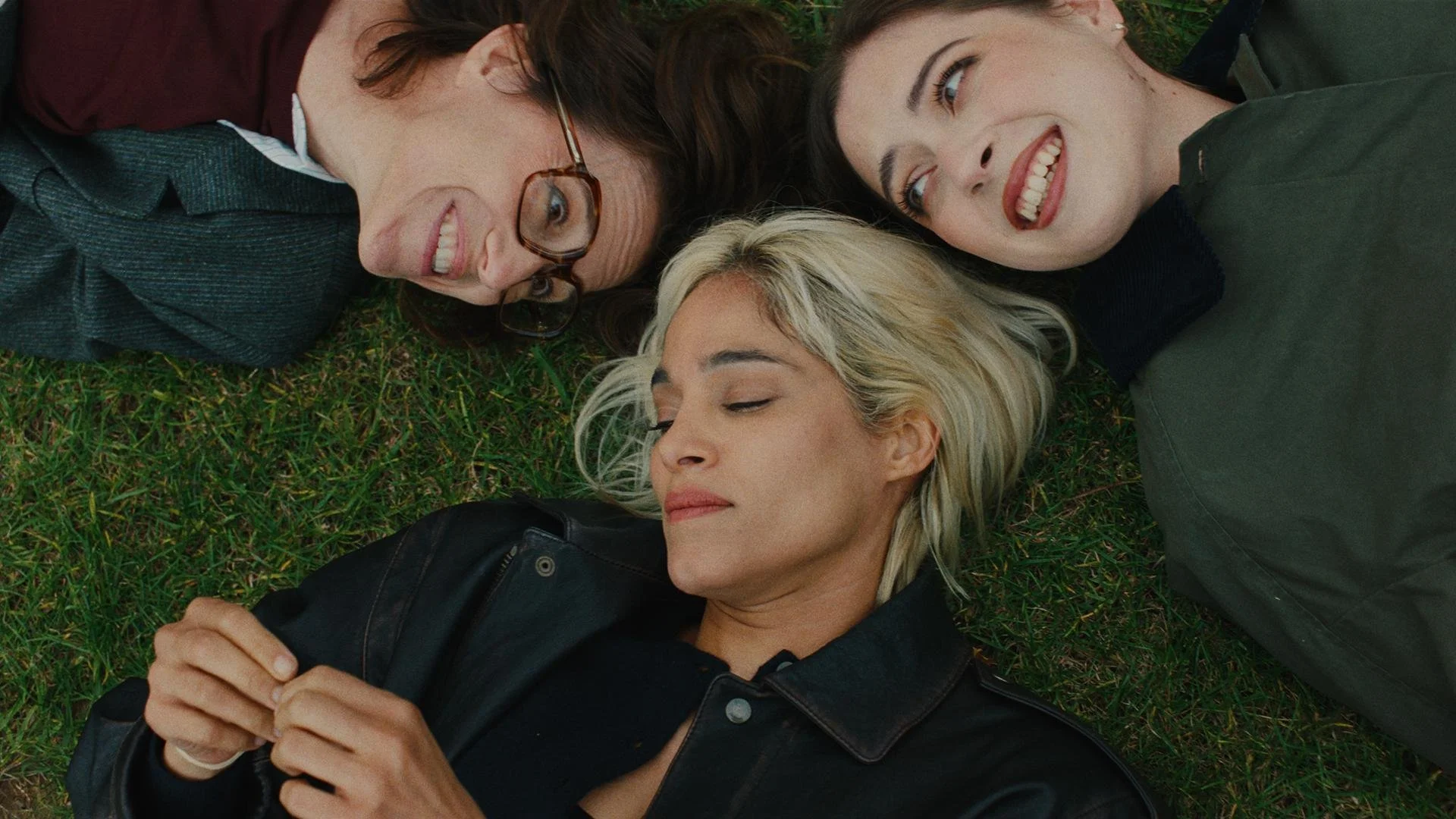
Source: Tribeca
Jamie Adams’ new film Only What We Carry boasts an impressive ensemble cast, including Quentin Tarantino in his first major acting role since From Dusk Till Dawn (1996). In addition to Tarantino’s first substantial role in 30 years, the eclectic ensemble also includes Simon Pegg, Sofia Boutella, Charlotte Gainsbourg, Lizzy McAlpine, and Liam Hellmann. Even more remarkably, Adams shot the entire feature in just six days with this six-person cast. The film wears its French New Wave influences on its sleeve, drawing obvious inspiration from Éric Rohmer and Jean-Luc Godard. While Adams enthusiastically embraces the movement’s conversational looseness and improvisational spirit, Only What We Carry likely won’t work for audiences unwilling to surrender to its meandering rhythms.
The film follows famous dancer Charlotte Levant (Boutella), whose insecurities are ignited after reading an article by her former instructor and choreographer Julian Johns (Pegg), in which he arrogantly proclaims, “I can create a dancer out of no one.” Seeking answers, Charlotte returns home to Deauville with her sister Josephine (Gainsbourg). There, they encounter not only Julian himself, but also Julian’s friend John Percy (Tarantino) and a young couple, Jacqueline (McAlpine) and Vincent (Hellmann). However, Charlotte confronting Julian about his remarks isn’t the only confrontation. As the group spends time together, each character is forced to reckon with long-buried resentments, regrets, and desires.
The screenplay was largely improvised, and it shows. Adams places tremendous trust in his star-studded cast, allowing scenes to unfold with a free-flowing, conversational spontaneity. At times, that approach lends the film an intimate, naturalistic quality. More often, however, it results in rambling exchanges that feel unfocused and dramatically inert. One can feel the sense of collaboration among the cast and crew, but unfortunately, it isn’t effective enough to create a spark.
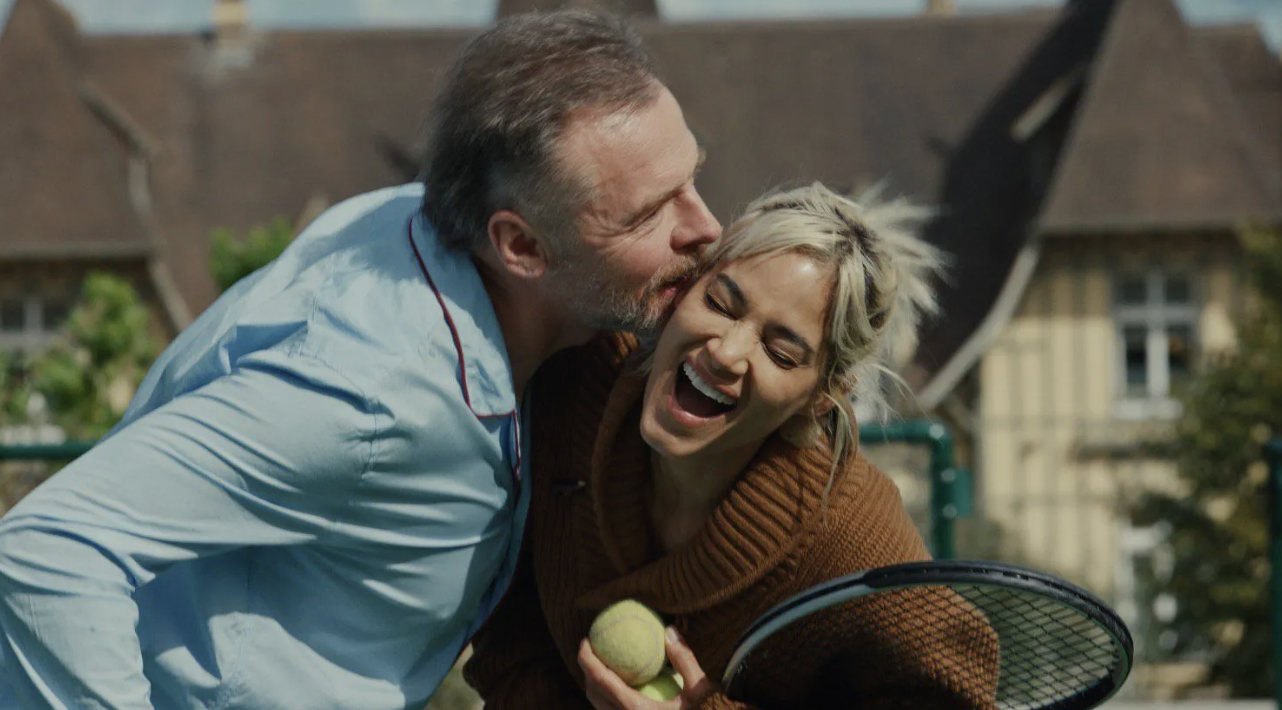
Source: Tribeca
The Normandy coast provides a beautiful, peaceful backdrop for this quiet portrait of longing. Adams and cinematographer Neema Sadeghi favor unobtrusive handheld camerawork, a choice that complements the film’s naturalistic aesthetic. Frequent close-ups heighten the sense of intimacy, drawing viewers into the characters’ private moments of uncertainty, regret, and desire. The visual approach effectively captures the melancholy and restlessness that define the characters’ emotional lives. While the film succeeds in creating a distinct mood, atmosphere alone cannot compensate for the lack of dramatic momentum.
Despite the film's star power, it often feels less like a fully realized drama than a group of talented actors collaborating on an experiment, with only occasional flashes of genuine emotion emerging from the loose structure. Boutella and Pegg both deliver vulnerable performances, but the chemistry and tension between their characters are never quite palpable, making it difficult to invest in the emotional stakes of their relationship. As a result, many of the film's most important emotional confrontations fail to land with the impact they require.
There is something undeniably appealing about the collaborative spirit behind Only What We Carry. It is an admirable filmmaking endeavor that reflects Adams’ willingness to embrace spontaneity and trust his collaborators. Yet for all its artistic ambition, the film never quite develops the dramatic focus necessary to transform its observations about regret, longing, and insecurity into something truly affecting. Admirers of the French New Wave may find aspects to appreciate in its loose, wandering style, but others are likely to leave wishing its emotional insights had been matched by a stronger sense of purpose. Honestly, the most memorable aspect of this film will likely be the moment where Quentin Tarantino talks to a tree like Mark Wahlberg in The Happening (2008).
Only What We Carry premiered at the Tribeca Festival on June 6, 2026.