Paper Trail — Review (Spoilers)
Warning: This review contains spoilers for Don Hertzfeldt’s Paper Trail.
Source: Bitter Films
I believe Don Hertzfeldt’s short film Paper Trail is best experienced without any prior knowledge of what it’s about. Unfortunately, that also means I can’t really write about it without revealing too much. So, if you haven’t seen the film yet, please stop reading this and go watch it. However, if you don’t trust me and aren’t concerned about spoilers, then by all means, continue reading.
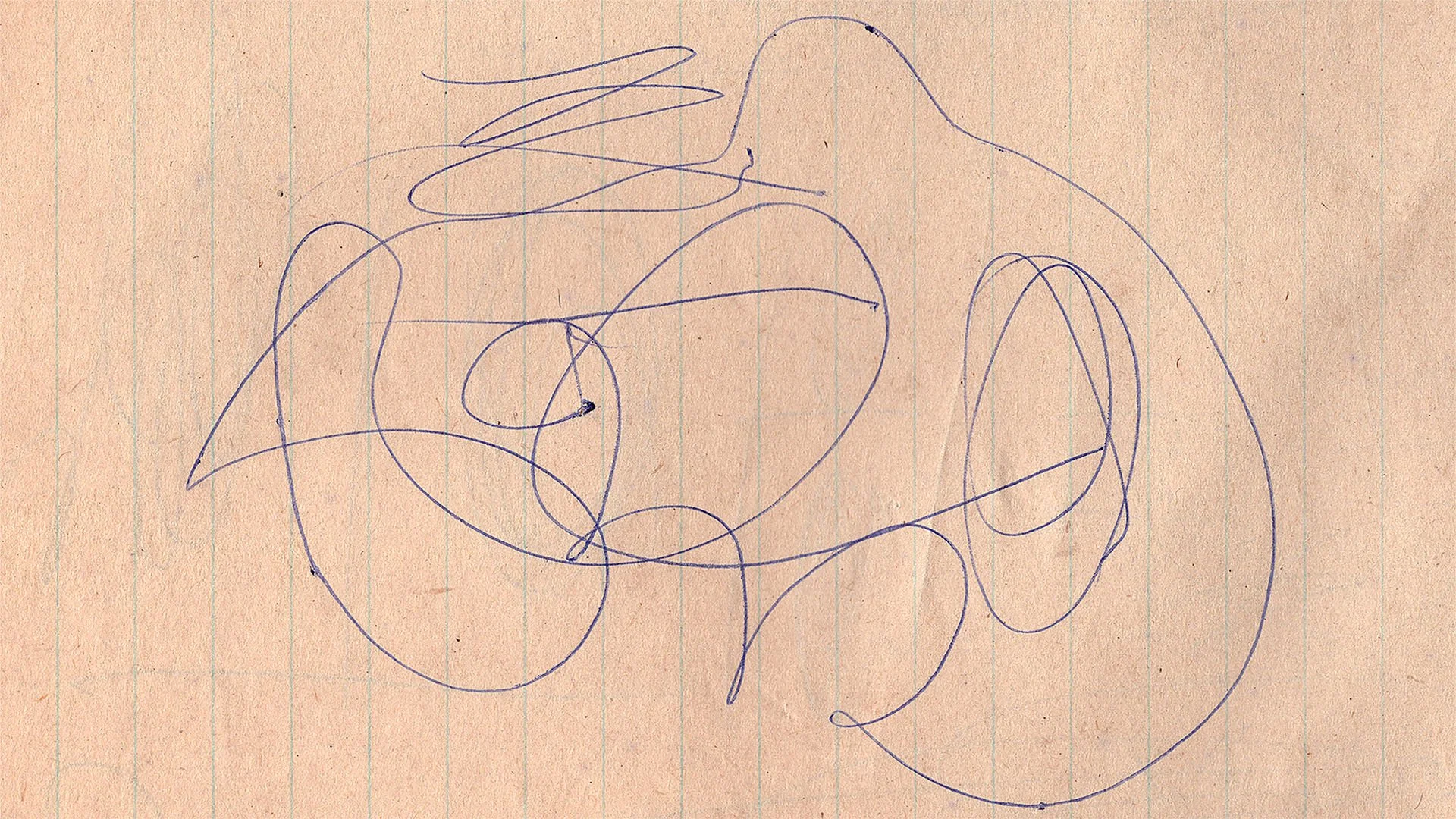
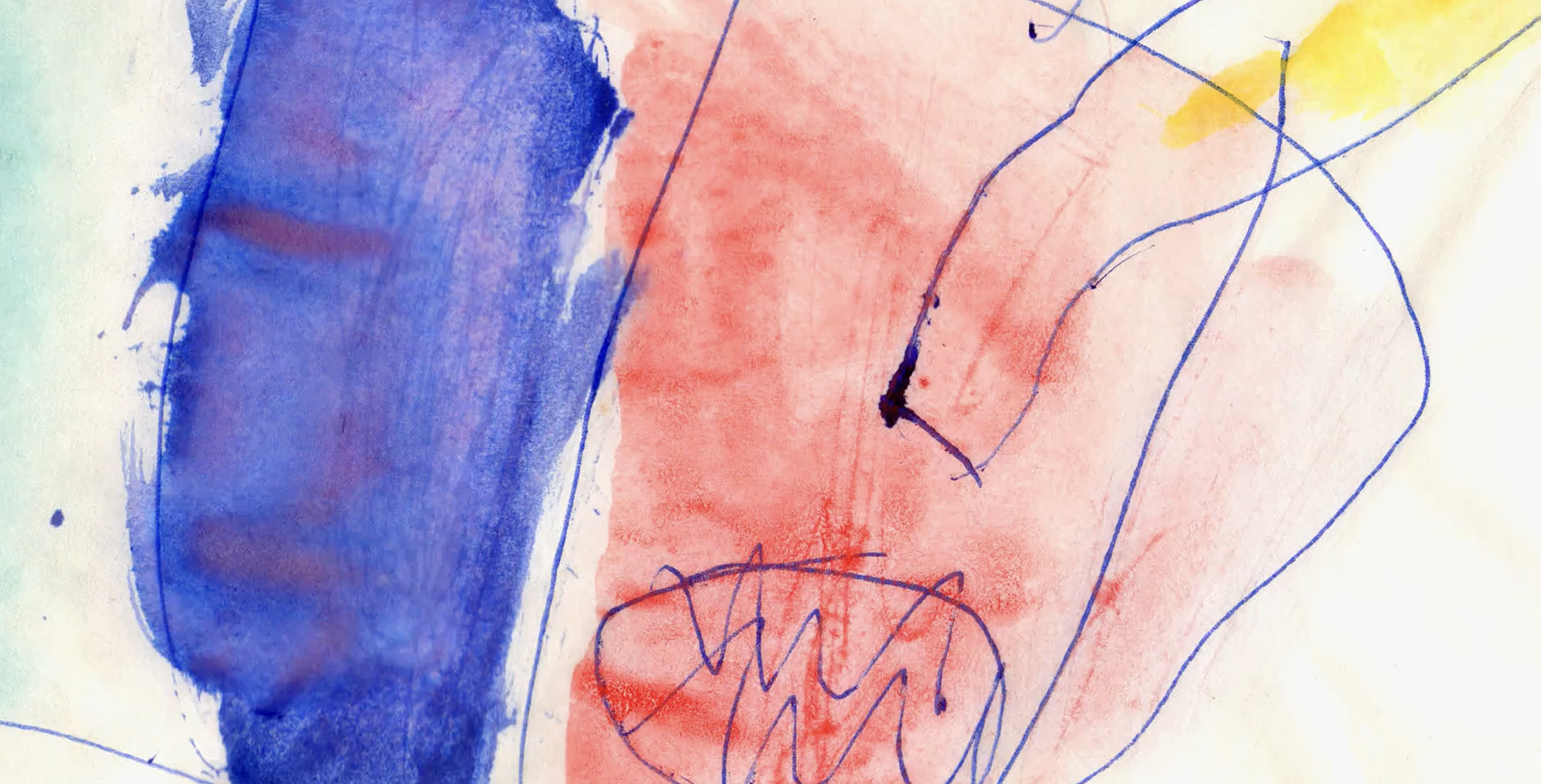
Watching Paper Trail feels like experiencing a rollercoaster of emotions, one that begins with curiosity and confusion. As blobs of color plop onto the screen and squiggly lines dance across it, you may find yourself wondering, “What exactly am I watching?” But once the realization sets in, that confusion dissipates and there’s an indescribable feeling that washes over you as Hertzfeldt’s intentions become clear.
Source: Bitter Films
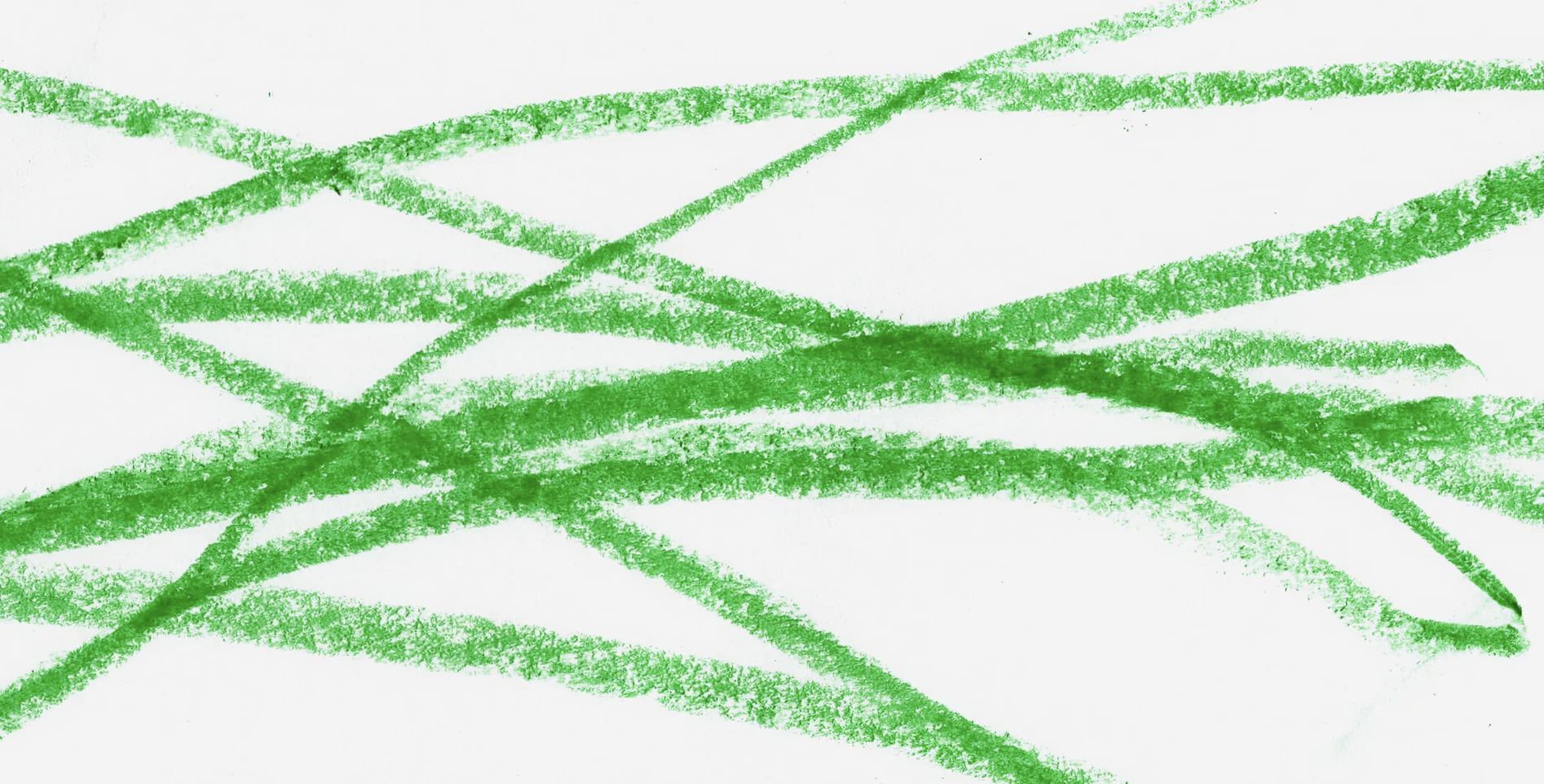
As the squiggly lines gradually transform into doodles, it becomes evident that we’re watching a child learn and grow. We see him learning to write and spell as elementary school assignments flood the screen. There’s something deeply heartwarming about witnessing that transformation. His development feels universal, making the film’s opening moments resonate in a way that invites viewers to reflect on their own childhoods.
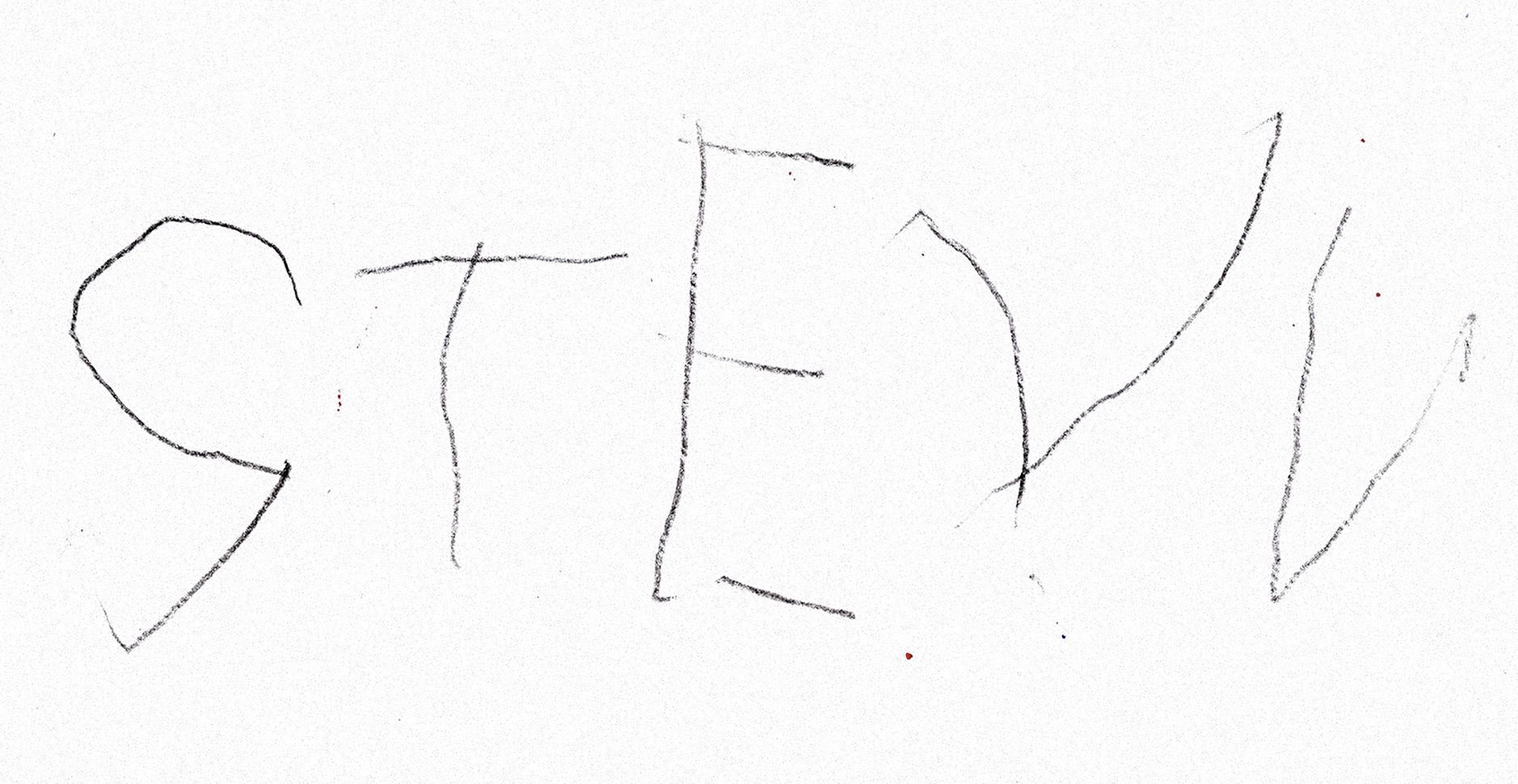
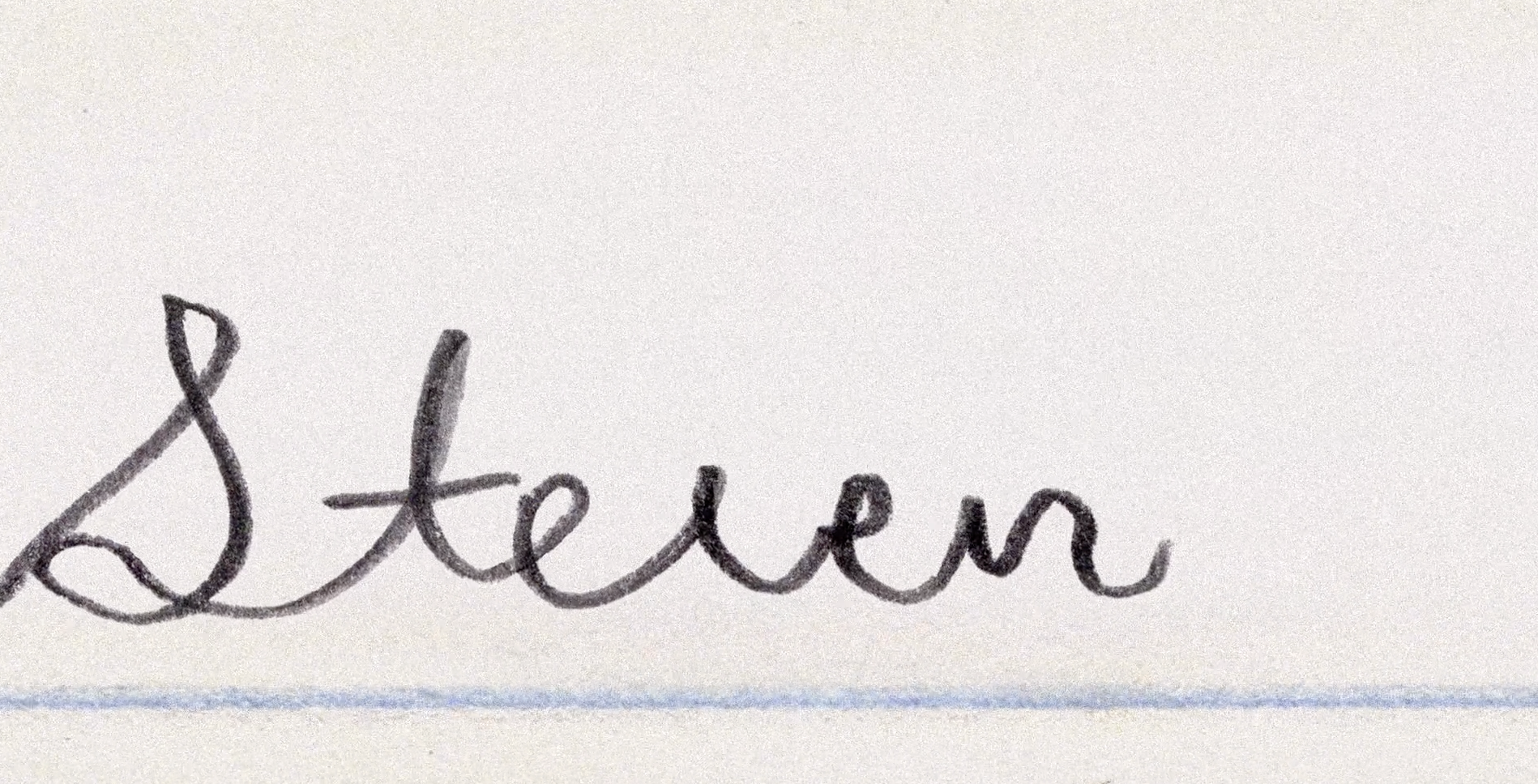
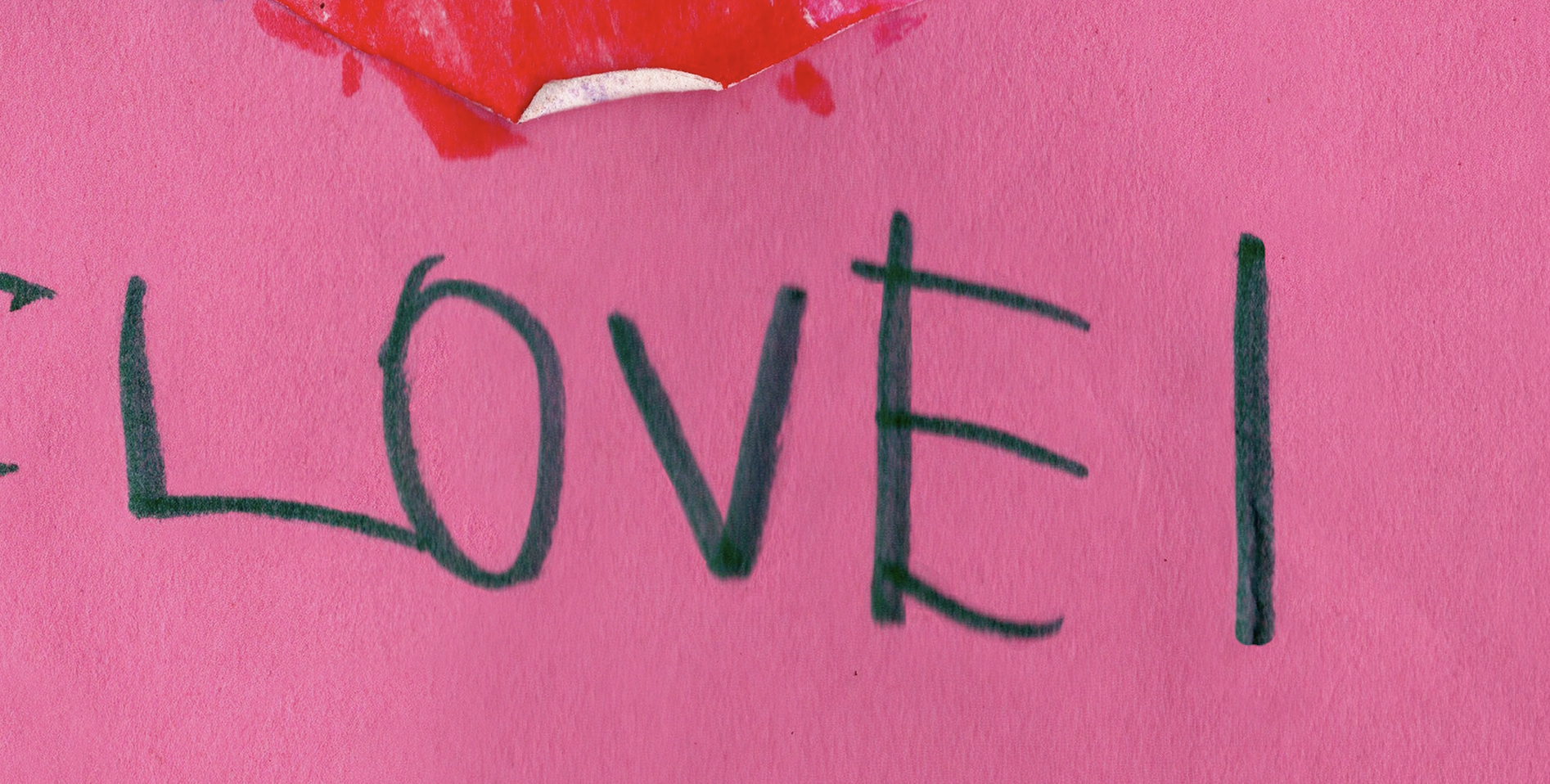
We’re first introduced to our protagonist as he struggles to write his own name, but as time marches on, he starts writing “Stevie” atop all of his assignments. Eventually, “Stevie” becomes “Steven,” and a child writing “I love my mommy” becomes a teenager asking out his crush. It’s quietly moving to watch someone who once drew incomprehensible scribbles slowly develop a sense of identity.
Source: Bitter Films
Paper Trail is a minimalist masterpiece, an experimental and existential exploration of identity that fits perfectly within Hertzfeldt’s filmography. It’s one man’s life story told entirely through scraps of paper. We never see or hear our protagonist, Steven Richardson. In fact, calling him a “character” almost feels inaccurate. And yet, through the fragments Hertzfeldt presents, Steven comes to feel profoundly human and intimately familiar.
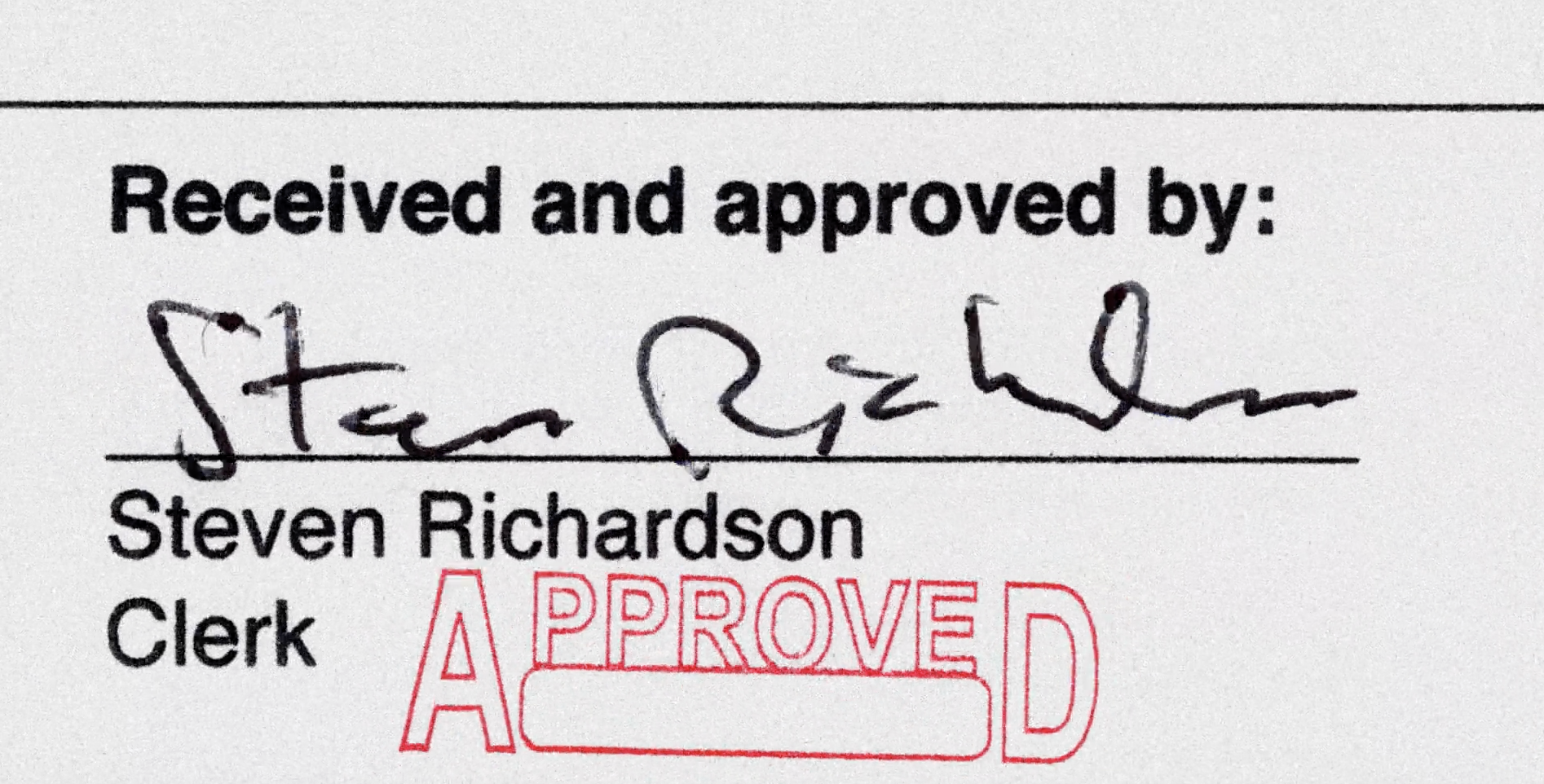
But in typical Hertzfeldt fashion, that childlike wonder eventually gives way to an emotional gut punch. The climax of the film comes in the form of a montage of Steven’s signatures and dates across a series of work documents. He starts as a clerk and eventually gets promoted to executive clerk, but somewhere along the way, the creativity disappears. He’s no longer drawing pictures or writing letters. All he does now is work. The squiggles become doodles, the doodles become homework, the homework becomes love letters, the love letters become grocery lists, until everything is reduced to signatures on work documents.
Source: Bitter Films
What makes Paper Trail so powerful is that it feels almost like a Rorschach test. There are multiple ways to interpret it. One could see it as hopeful: a portrait of a long, stable life. Another interpretation might frame it as commentary on the digital age, where paper slowly disappears as a medium for communication and creativity. Perhaps Steven still expresses himself creatively, just through screens instead of scraps of paper. But the most obvious interpretation is far more devastating and much simpler: it captures the way work slowly consumes us.
Source: Bitter Films
We need a source of income to survive, yet we spend so much of our lives working that there’s little time left for anything else. Paper Trail becomes a painful reminder of that reality. As the economy worsens, it feels as though everything we do must be monetized to justify its existence. Hobbies may bring us joy, but there is rarely space for them in a society that only values them when they result in financial gain. When the window of time between work and sleep becomes so small, spending it drawing out of pure enjoyment can begin to feel irresponsible, as if creativity itself has become unproductive.
Paper Trail induces nostalgia for childhood, for a time when self-expression existed without guilt, fear of failure, or the constant pressure to be “productive.” It reminds me of a quote from Don Hertzfeldt himself:
“You need to try to return to the time when you were a little kid, creating things on a big sheet of paper in a beautiful sunbeam, and not having any cares at all about how it might one day be received. It's when children learn to think, ‘Is this any good?’ that they start to become paralyzed creatively. And this is why most adults don't draw, don't write, don't sing, don't dance, and are terrified in front of audiences.”
Beneath Paper Trail’s experimental presentation and abstract imagery lies something all too familiar: the fear that adulthood slowly strips away our ability to create freely. As we watch the years of Steven’s life rush by, I also couldn’t help but think of the line from It’s Such a Beautiful Day: “You will only get older.” And with age comes responsibilities and monotonous routines. There’s no more time for doodles and love letters, just clocking in and clocking out.
Source: Bitter Films
The beauty of Don Hertzfeldt’s work is in its deceptive simplicity, demonstrating how little it takes to say something big. He can start off with something as simple as a stick figure or a scrap of paper and transform it into a story that feels deeply universal. In doing so, he turns these small images into meditations on time, memory, identity, and what it means to be alive. Not only does he experiment with film as an art form, but he also encourages us to reflect on our own existence in ways we might not have considered otherwise. His films serve as a reminder that the tiniest things can hold far more meaning than we tend to give them credit for—and that even the smallest acts of creation still leave something behind.
Source: Bitter Films
Paper Trail beckons us to reflect on our own mortality, as well as the scraps of paper we’ll inevitably leave behind: our very own paper trails. I used to draw, paint, and write constantly, but now I feel like I hardly have time for the things that bring me joy. I’m always putting pressure on myself to be productive, and it often feels like I’m living in a state of perpetual burnout. Lately, I consider myself lucky if I can even fit in a movie on a weeknight. Nonetheless, I’d still like to believe that my paper trail would be a colorful one. While I may not draw or paint like I once did, I try to find small ways to keep creating. In recent years, I’ve drawn birthday cards for a few people with handwritten notes inside. It’s not much, but at least it’s something. A few days after I saw Paper Trail for the first time, I was with a group of friends, including a couple with small children, and the film inspired me to get on the floor and play with toy cars and build with blocks with the kids. I don’t plan on having kids of my own, but I have a lot of friends and family members who do. So maybe next time I’m around children who need to be entertained, I can sit down and draw with them—and for a while, let creativity exist for its own sake again.
Paper Trail is available to rent or buy on Vimeo.