

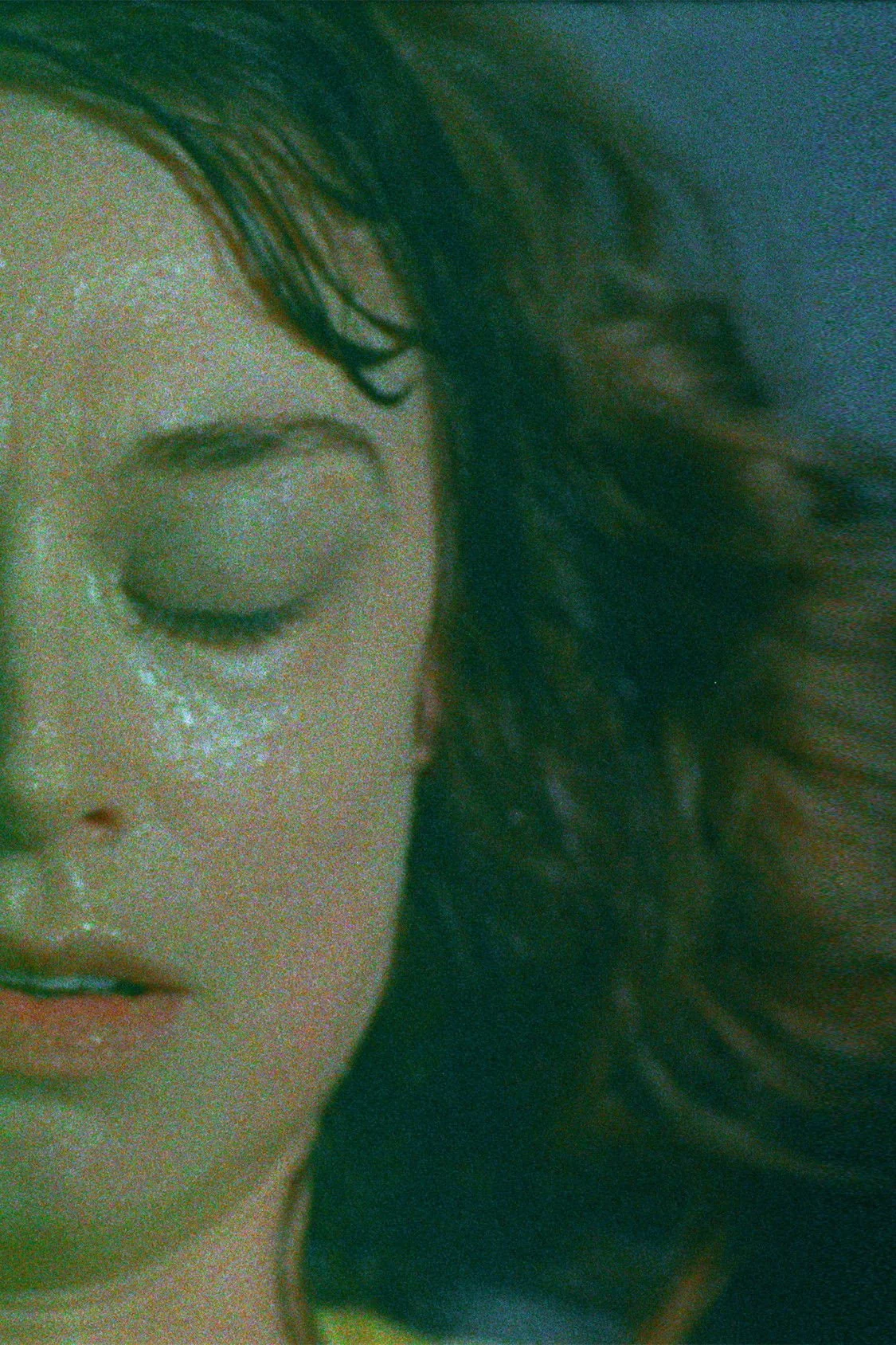
How Brief — Review
Kelly McCormack’s short film, How Brief, was inspired by singer-songwriter Connie Converse, who disappeared in 1974 at the age of 50. Converse’s story is one that fascinates me. I’ve always been drawn to stories about artists whose work went largely underappreciated during their lifetimes but whose legacies endured, such as Vincent van Gogh. I’m equally intrigued by the idea of leaving one’s life behind and vanishing—whether to start over somewhere else, reinvent oneself as someone entirely different, or simply disappear without a trace. I suspect McCormack understands that Converse’s story holds a particular resonance for many women. In an interview about How Brief, she explained, “I didn’t want to understand why a woman would disappear or theorize some kind of mystery. I was really much more propelled by the question, ‘why not?’ Why wouldn’t a woman want to disappear?” How Brief explores that question through the story of a woman, played with remarkable emotional depth by Tess Degenstein, who returns to her childhood home for the last time. Over the course of one chaotic and peculiar evening in 1962, she reconnects with her brother (Gray Powell) and pregnant sister-in-law (Tatiana Maslany) before ultimately disappearing.

The Only Living Pickpocket in New York — Video Review
Spoiler-free review of Noah Segan’s The Only Living Pickpocket in New York, starring John Turturro, Giancarlo Esposito, Will Price, Tatiana Maslany, and Steve Buscemi.
Now in theaters in NYC and LA.
In theaters nationwide on October 30th.

A Statement — NYFF Review
In 1980, a group of environmental activists, scientists, policymakers, lawyers, and other professionals gathered in St. Petersburg, Florida, for a conference with a mandate from Congress to draft a statement on how to address the effects of carbon dioxide emissions on the climate. This conference is one microcosm of Nathaniel Rich’s 2019 non-fiction book, Losing Earth, but it’s the focus of Tom McCarthy’s new film, A Statement. Based on Rich’s book and the meeting transcripts, McCarthy penned the screenplay with Thomas Bidegain and Noé Debré. What’s ironic, however, is that although the film takes its title from the meeting’s objective, A Statement itself feels much more like a dialogue. Furthermore, its urgent subject matter is likely to spark conversations among moviegoers.