

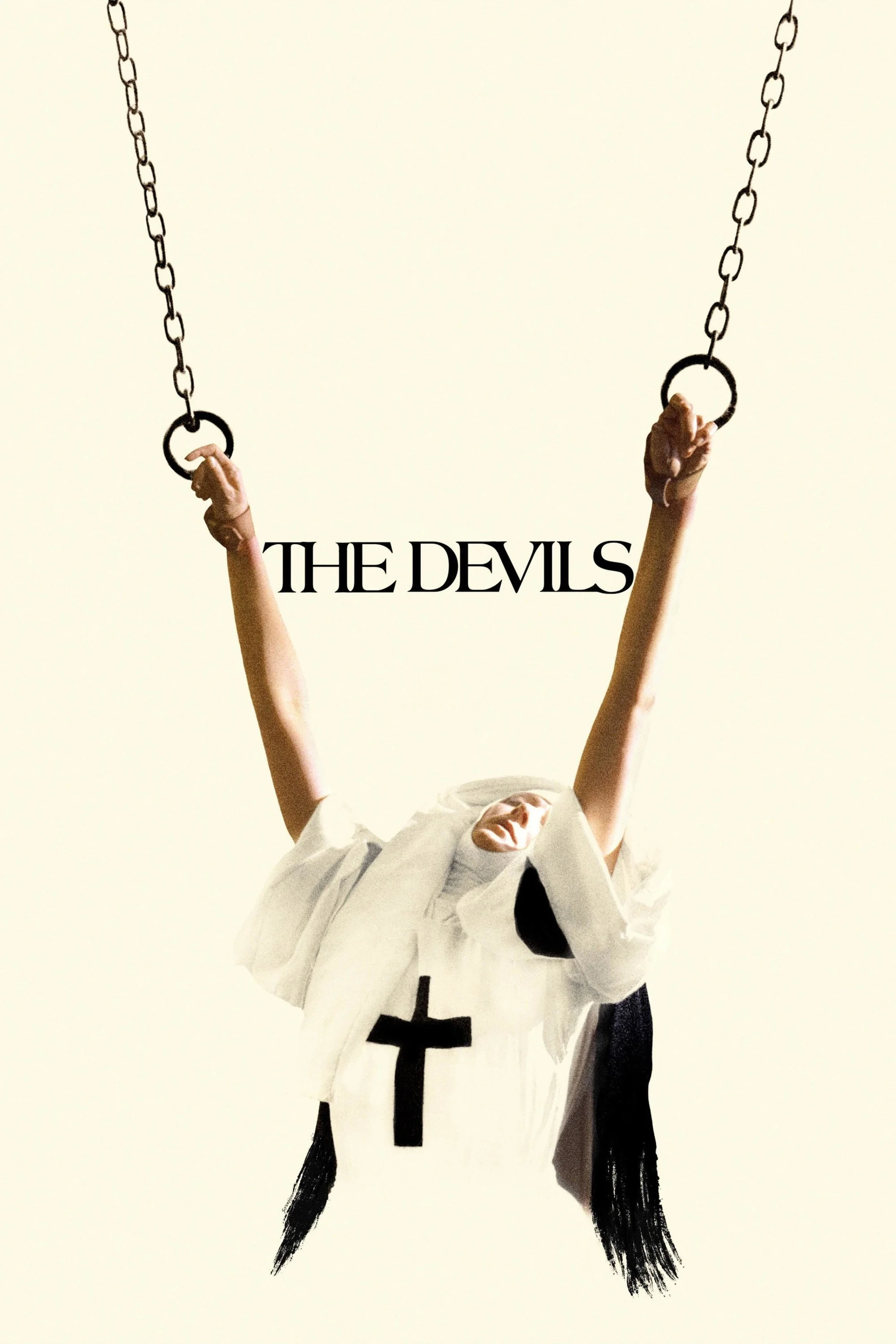
The Devils 4K Restoration — NYFF Review
Good art should make you uncomfortable. It should push boundaries and make you question everything you thought you knew. If there’s one filmmaker whose work feels synonymous with the phrase “pushing boundaries,” it’s Ken Russell. His 1971 film, The Devils, is arguably the most boundary-pushing film of his entire career. It may have been one of the most popular films at the British box office in 1972, but it received negative reactions from critics. Roger Ebert gave it zero stars. Tony Mastroianni of the Cleveland Press said Ken Russell directs movies “with all the delicacy of Jack-the-Ripper and even less restraint,” going on to argue that The Devils has little substance and that “most of it is lurid for the sake of being lurid.” Beyond its poor critical reception, the film was also censored and banned in some countries. However, in recent years, the film has experienced a critical re-evaluation. With dozens of sold-out screenings of the 4K restoration of the director’s cut, it feels as though the film and Ken Russell are finally getting the respect that they deserve.
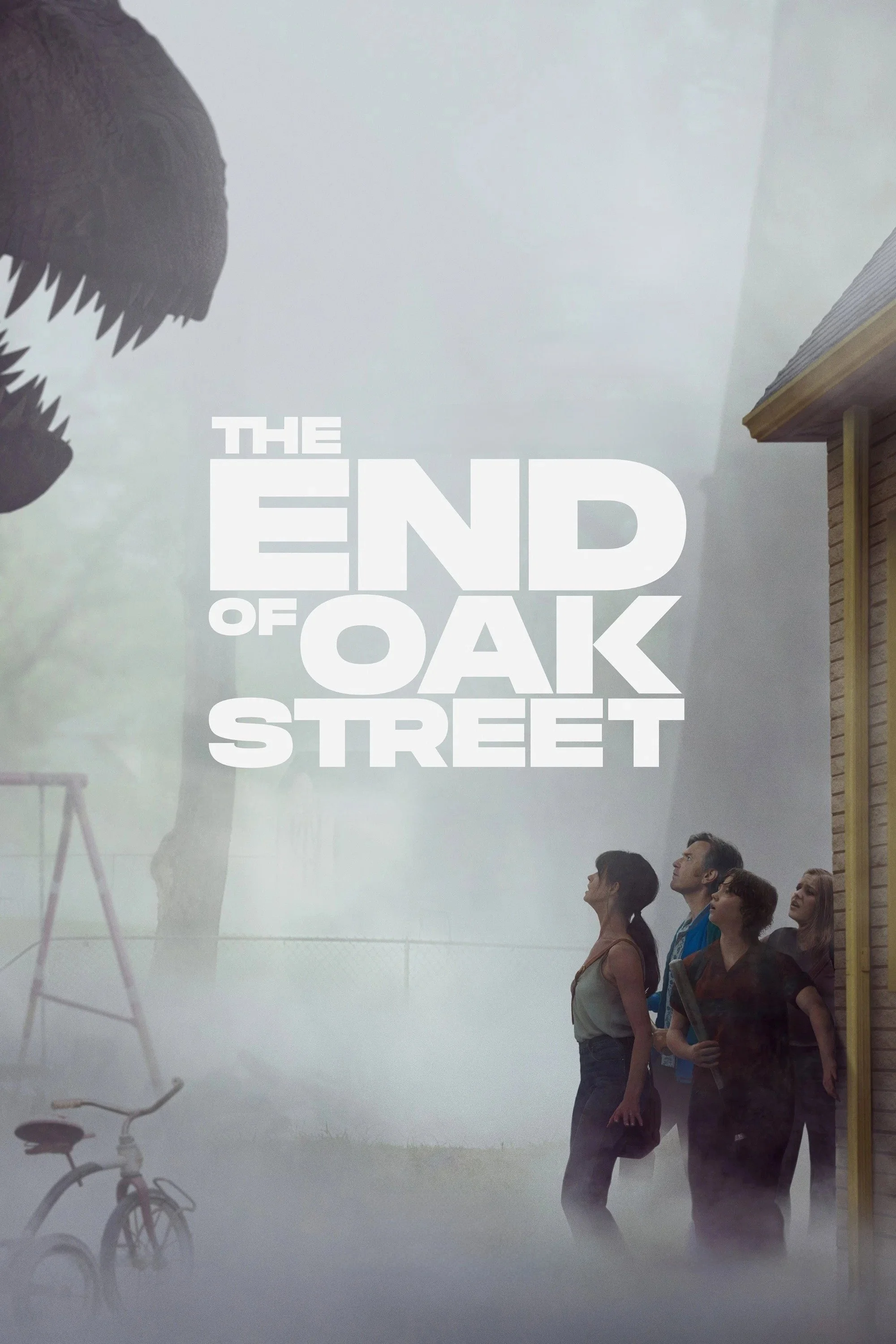
The End of Oak Street — Review
David Robert Mitchell has one of the most eclectic filmographies of any director working today. He first emerged on the scene with 2010’s The Myth of the American Sleepover, a coming-of-age summer movie that authentically captures the awkwardness of adolescence, before following it with his breakout horror hit It Follows (2014). Then came Under the Silver Lake (2018), a neo-noir black comedy that was poorly received by critics but remains, in my opinion, the closest anyone has come to making something truly Lynchian in the last decade outside of Lynch himself. It’s fitting, then, that a moment in Mitchell’s latest film, The End of Oak Street, specifically reminded me of Twin Peaks: The Return. With only four features, Mitchell has already run the gamut of genres. His latest is a sci-fi dinosaur movie steeped in ’80s nostalgia. Whether audiences love or hate his work, one thing is certain: each of his films is unmistakably distinct.
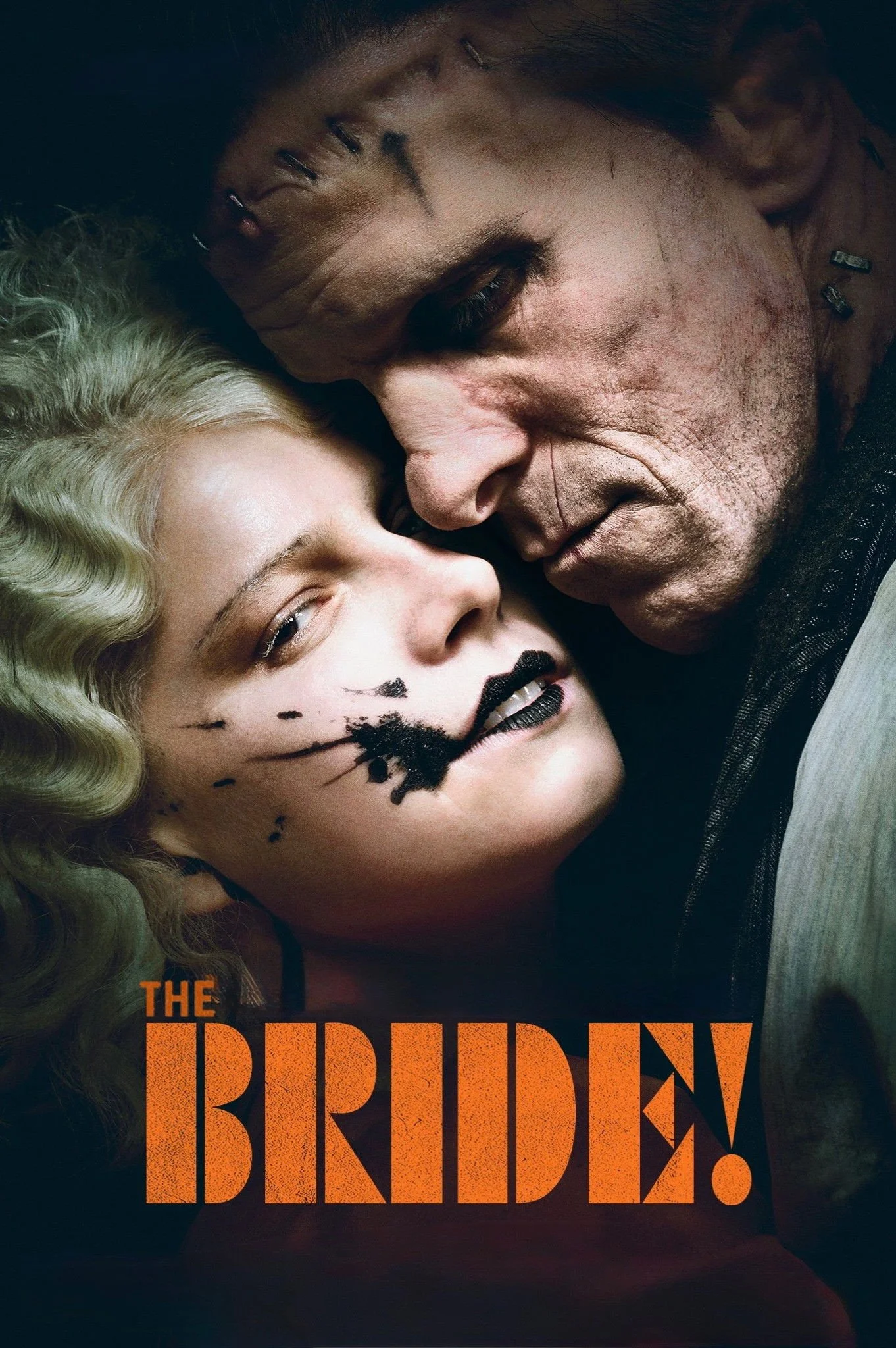
The Bride! — Review
James Whale’s 1935 film The Bride of Frankenstein has long been revered as one of the best Frankenstein films ever made, even better than its predecessor. But, as Maggie Gyllenhaal points out in an interview with Entertainment Weekly, “The movie’s called The Bride of Frankenstein, but she’s not really in it. It’s just a Frankenstein sequel, and she literally doesn’t speak.” With her new film, The Bride!, Gyllenhaal sets out to give the woman the voice, autonomy, and spotlight she deserves. What ensues is a ferocious, bold swing from the filmmaker and a movie unlike any Frankenstein-adjacent film we’ve seen before.
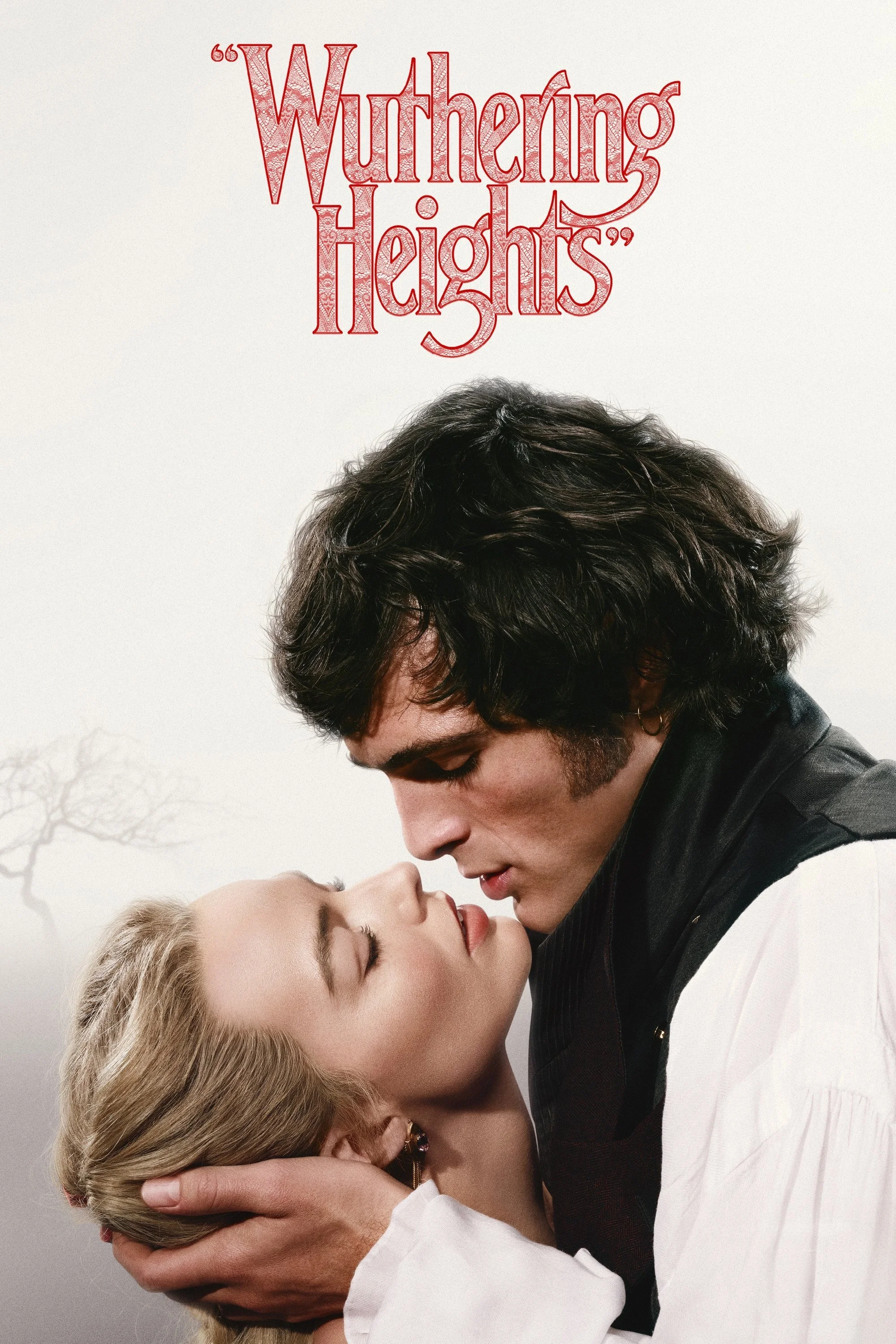
Wuthering Heights — Review
There’s been a lot of controversy surrounding Emerald Fennell’s adaptation of Emily Brontë’s classic 1847 novel Wuthering Heights, largely centered around the decision to whitewash the character of Heathcliff by casting Jacob Elordi in the role. However, almost every adaptation of the novel thus far has cast a white actor in the role, with Andrea Arnold’s 2011 adaptation being one of the rare exceptions. Between the casting, anachronistic costume designs, and original songs by Charli xcx, it’s clear even before audiences step into the theater that this version of Wuthering Heights isn’t concerned with being faithful to the novel or the time period in which it takes place. Anyone who walks into Emerald Fennell’s Wuthering Heights expecting an accurate adaptation of Emily Brontë’s novel is setting themselves up for major disappointment.
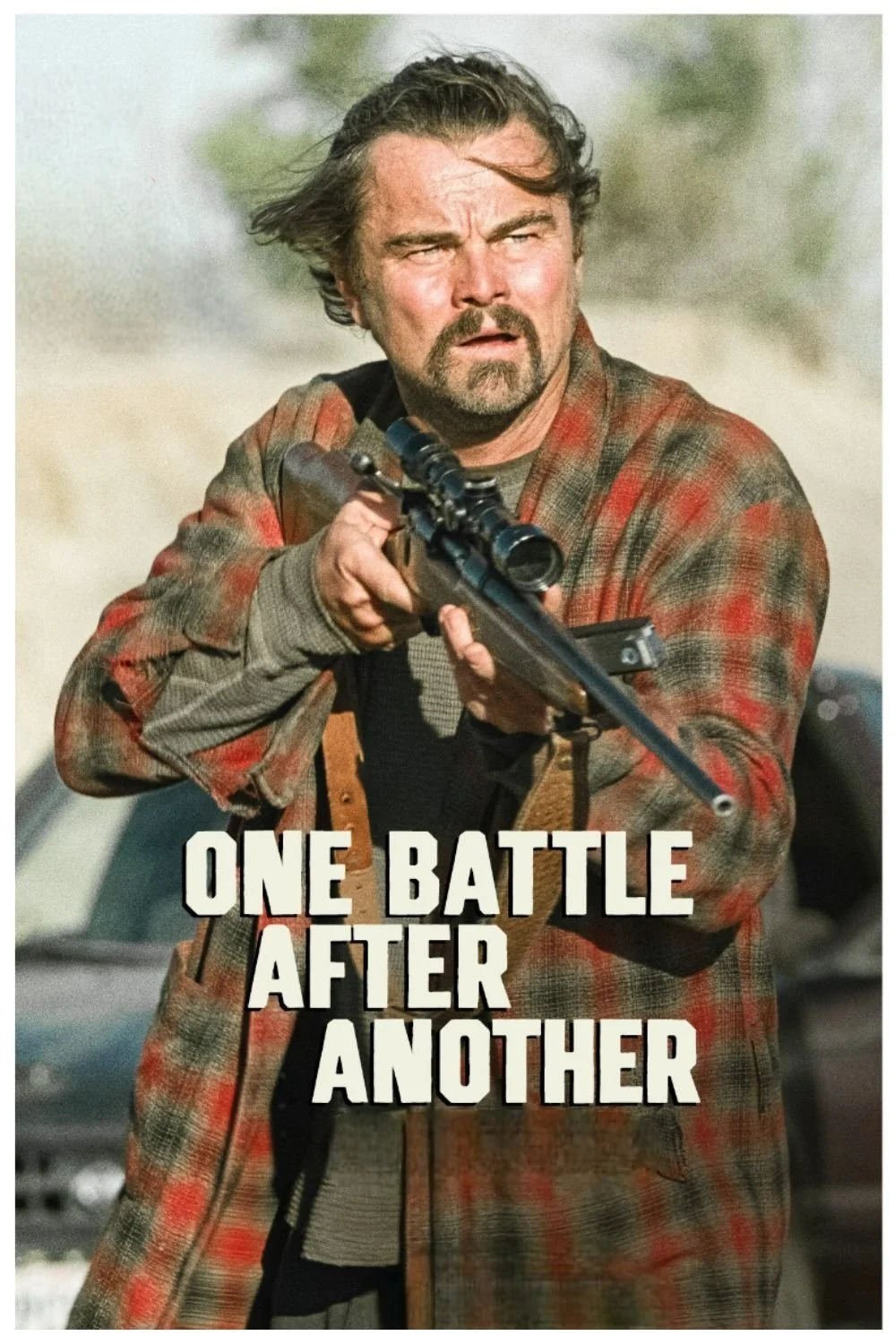
One Battle After Another — Review
One Battle After Another might just be Paul Thomas Anderson’s funniest film to date. It’s also arguably his most accessible and mainstream. The film channels the spirit of Thomas Pynchon’s writing style, leaning into paranoia and absurdism. While the narrative is loosely inspired by Pynchon’s novel Vineland

F1: The Movie — Video Review
Video review of Joe Kosinski’s F1 The Movie starring Brad Pitt, Damson Idris, Kerry Condon, and Javier Bardem.