The Tropic Sun and His Eyes — Tribeca Review
Source: SOIL Pictures
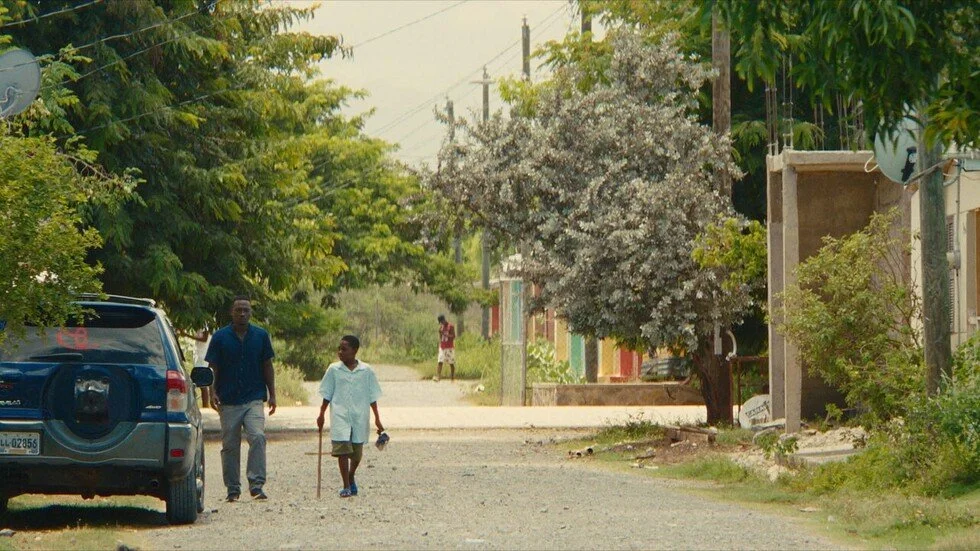
Elisee Junior St. Preux’s feature directorial debut, The Tropic Sun and His Eyes, is a touching and tender portrait of masculinity and the lingering effects of generational trauma. Ruben (Stevenson Jean) returns to Haiti to visit his estranged father. While traveling on foot, he finds himself followed by a street kid (Blangue Machiny). Ruben eventually strikes a deal with the stubborn yet charming boy: if he can help him find a shortcut, he can tag along on the journey. What follows is more than a physical journey; it is a spiritual one. The film is an unlikely companion road movie reminiscent of Peter Bogdanovich’s Paper Moon (1973), while also serving as a moving exploration of Black masculinity evocative of Barry Jenkins’ Moonlight (2016) and Akinola Davies Jr.’s My Father’s Shadow (2025).
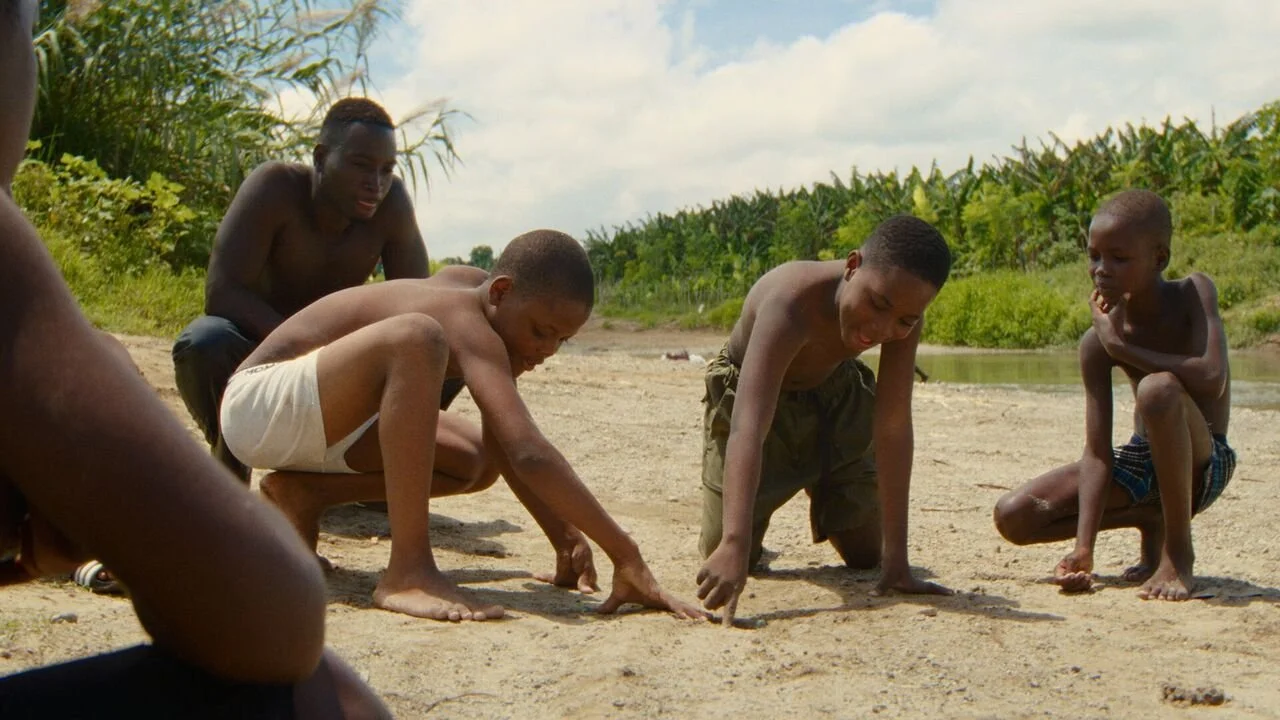
Visually, The Tropic Sun and His Eyes feels like a love letter to Haiti and its people, especially those of Cap-Haïtien. Cinematographer Dawit Adera’s camerawork, combined with the region’s natural landscapes, provides each frame with a stunning backdrop, from vibrant green fields to rows of pastel-colored houses. The imagery carries a sense of authentic beauty rather than dreamy postcard idealization. Along their journey, Ruben and the boy encounter an array of people whose brief appearances subtly expand the film’s cultural world and emotional texture. Every interaction feels spontaneous and genuine, as if the film is embracing the unpredictability of the road rather than following a tightly controlled narrative path. The passing figures—vendors, musicians, and children playing in the streets—create a palpable sense of community that enriches the film's atmosphere.
Source: SOIL Pictures
The music is equally noteworthy, balancing the spontaneous rhythms of street musicians with Elijah Fox’s enchanting score. Fox’s compositions are predominantly piano-based, unfolding in delicate, contemplative patterns that mirror Ruben’s introspective journey and deepen the film’s emotional resonance.
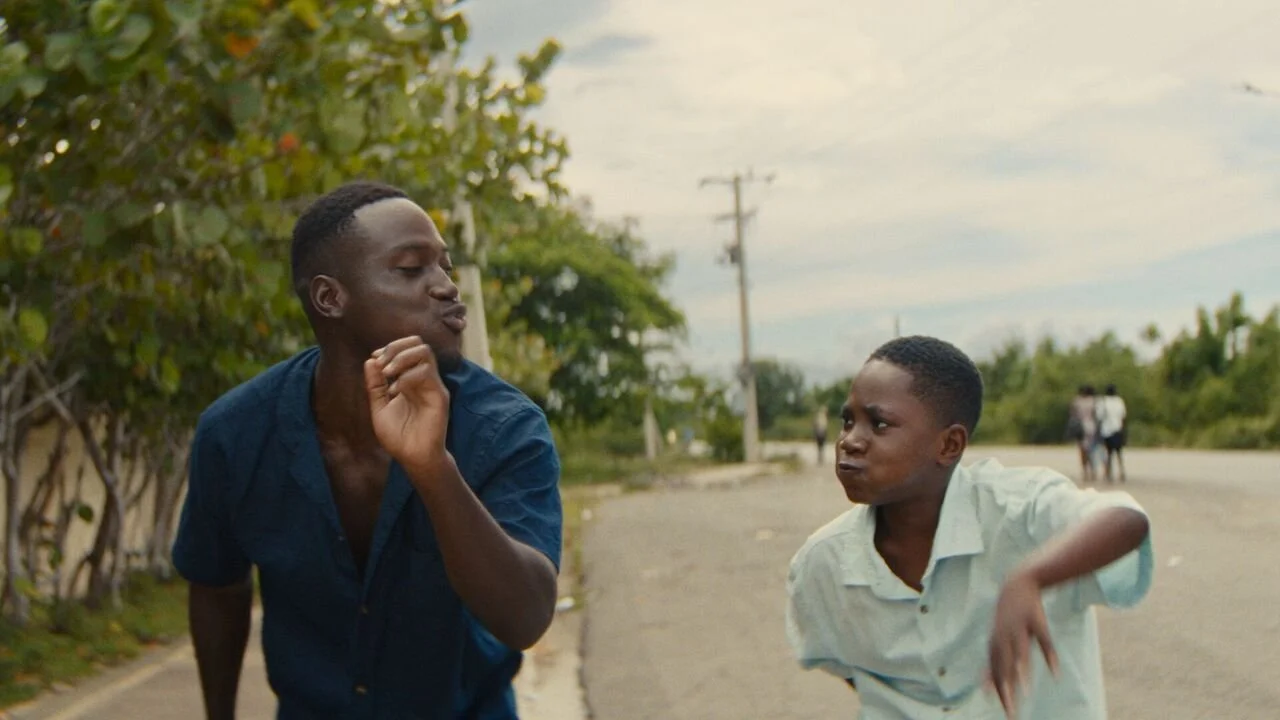
The performances are captivating. Stevenson Jean and Blangue Machiny make for compelling leads, and the rapport between their conflicting personalities is a delight to witness. At the same time, there is an undercurrent of emotion running beneath the sun-drenched exterior that gradually sneaks up on you. When Ruben calls the young boy a street kid, he retorts, “I know I’m a street kid. I don’t have a family. No bed. No home. Yes, I know I’m a street kid. All the times I laugh, it’s because I like to be happy instead.” In that moment, it becomes clear that Ruben and the boy have much to learn from each other.
Ruben’s guarded personality gradually stops feeling like strength and starts to feel more like avoidance, especially in contrast to the boy’s persistent openness. His silences carry the weight of his emotional past, so even before we receive fuller context, we sense a man shaped by pain and turmoil. Meanwhile, the boy refuses to stay silent. His humor, defiance, and emotional directness create a constant push against Ruben’s instinct to withdraw. The juxtaposition of their communication styles reveals how differently each of them has learned to survive and cope.
Their dynamic is refreshing and deeply affecting. It is like after years of saying “I’m fine,” finally having someone sit down and genuinely ask how you are doing—not to make small talk, but because they truly want to know the answer. It is the quiet realization that perhaps you have not been fine at all; you’ve just been shoving those feelings down. There is something cathartic in finally letting your emotional guard down and allowing yourself to open up.
Source: SOIL Pictures
That catharsis becomes even more meaningful as Ruben gets closer to confronting his father. Throughout the film, nearly everyone he meets has something kind to say about the man. They tell Ruben how much he resembles him and speak of his father with admiration and affection. Yet Ruben’s own memories tell a different story. The gap between how others remember his father and how Ruben experienced him adds another layer to the film’s exploration of generational trauma, forcing him to consider that people can be both deeply flawed and deeply loved.
The film is not without its fair share of shortcomings. Some viewers may find its narrative simplicity underwhelming, particularly those looking for dramatic conflict or narrative twists. The ending also wraps things up a little too neatly for my liking. However, these are relatively minor flaws in an otherwise assured feature debut.
The Tropic Sun and His Eyes is ultimately a film about reconciliation—not merely reconciliation with another person, but also reconciliation with memory, identity, and the stories we tell ourselves about our parents. Elisee Junior St. Preux’s film thrives in the spaces between forgiveness, understanding, and acceptance. The Tropic Sun and His Eyes is a remarkable debut, a celebration of Haitian culture, a road movie about an unlikely friendship, and a moving story about masculinity and mental health. It understands that healing is not a destination, but a journey we are constantly navigating.
The Tropic Sun and His Eyes had its world premiere at Tribeca on June 5, 2026.