Faces of Death — Review
Source: Independent Film Company
With his feature directorial debut, Cam (2018), director Daniel Goldhaber, along with screenwriter Isa Mazzei, incisively interrogated our relationship to technology and violence. With his sophomore feature, How to Blow Up a Pipeline (2022), Goldhaber demonstrated his ability to craft a suspenseful and stress-inducing thriller that relentlessly ramps up the tension. Now, with Faces of Death, Goldhaber has reunited with Mazzei and combined the greatest strengths of his previous films into a chilling, confrontational work about digital-age anxieties.
John Alan Schwartz’s Faces of Death (1978) was presented as if it were a documentary where pathologist Francis B. Gröss (Michael Carr) reflects on mortality through clips of various fatal incidents—some staged for the film and others pulled from pre-existing real-world footage. The film was subsequently banned and censored in numerous countries before gaining a cult following. Rather than replicate that same idea, Goldhaber and Mazzei’s screenplay goes a different route. Faces of Death is the rare remake or reboot that feels genuinely worthwhile. It doesn’t simply rehash the original film’s premise. Instead, it takes a movie that had interesting ideas but, in execution, wasn’t entirely successful, and transforms it into something entirely new.
Source: Independent Film Company
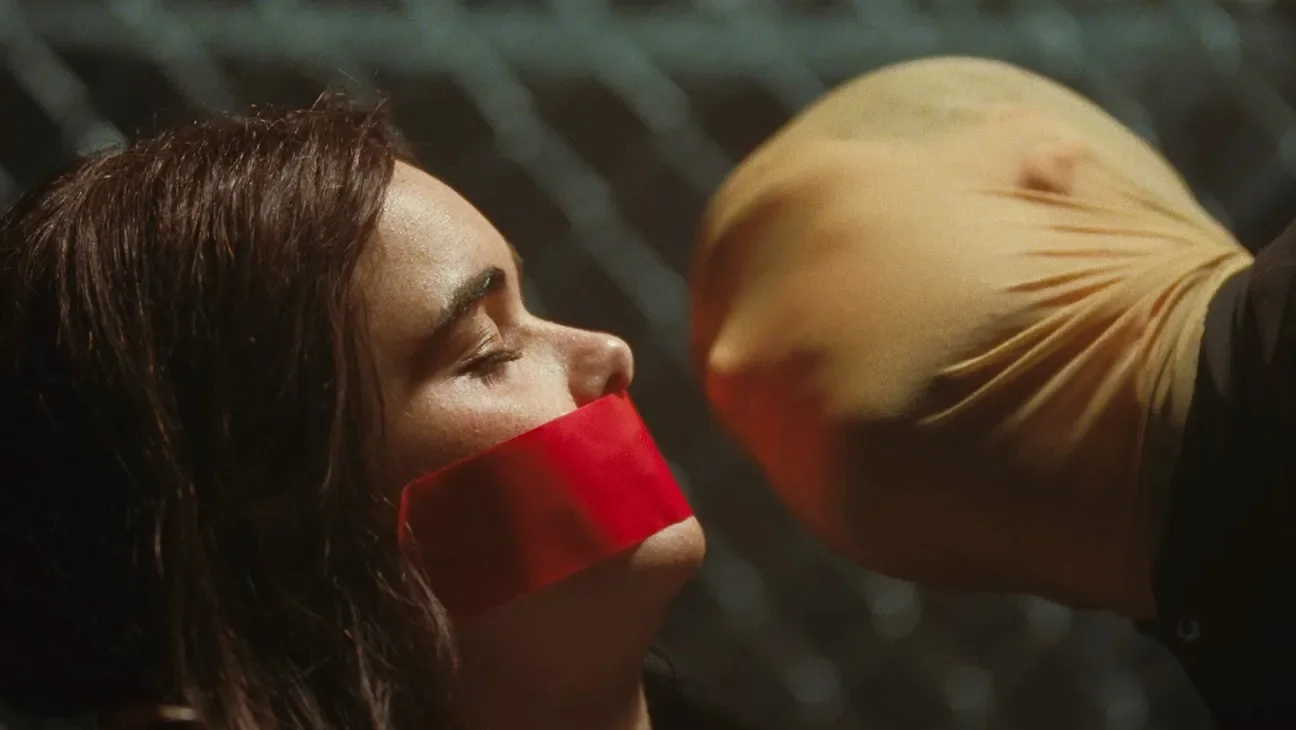
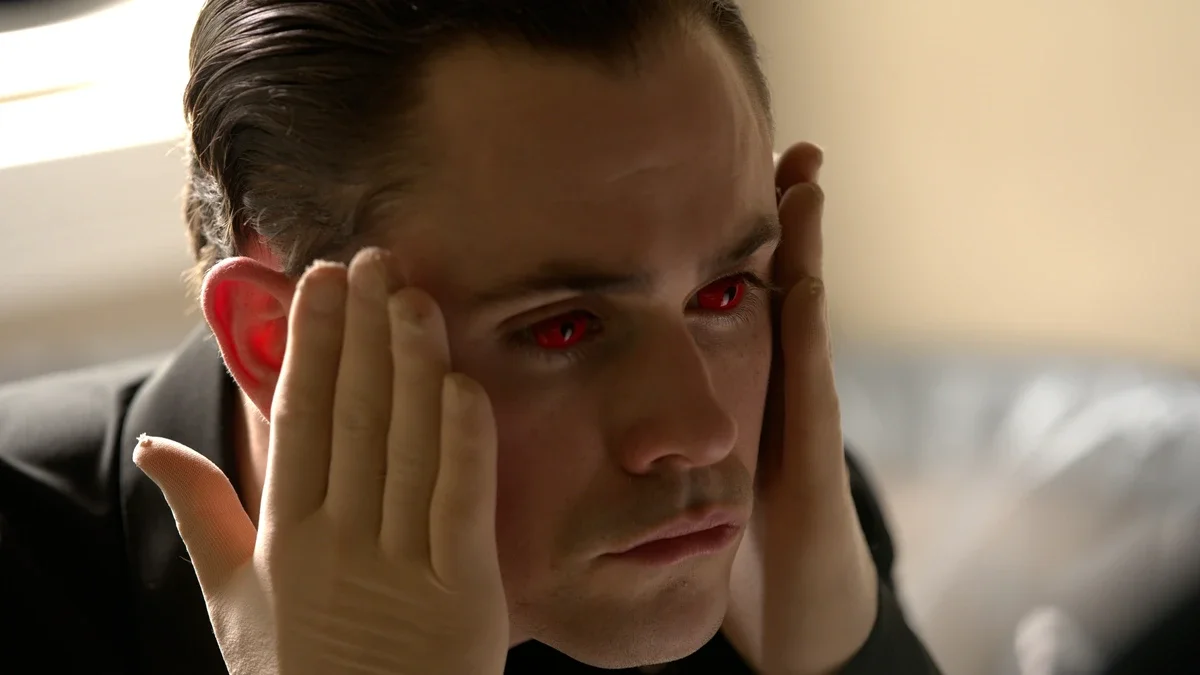
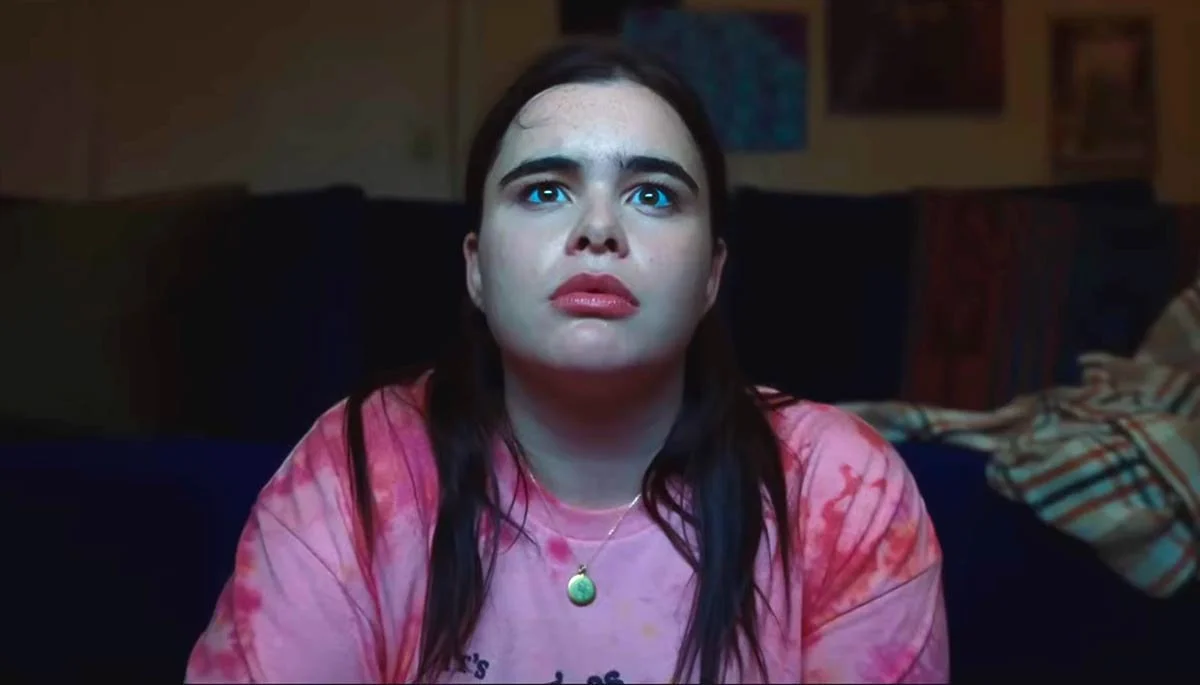
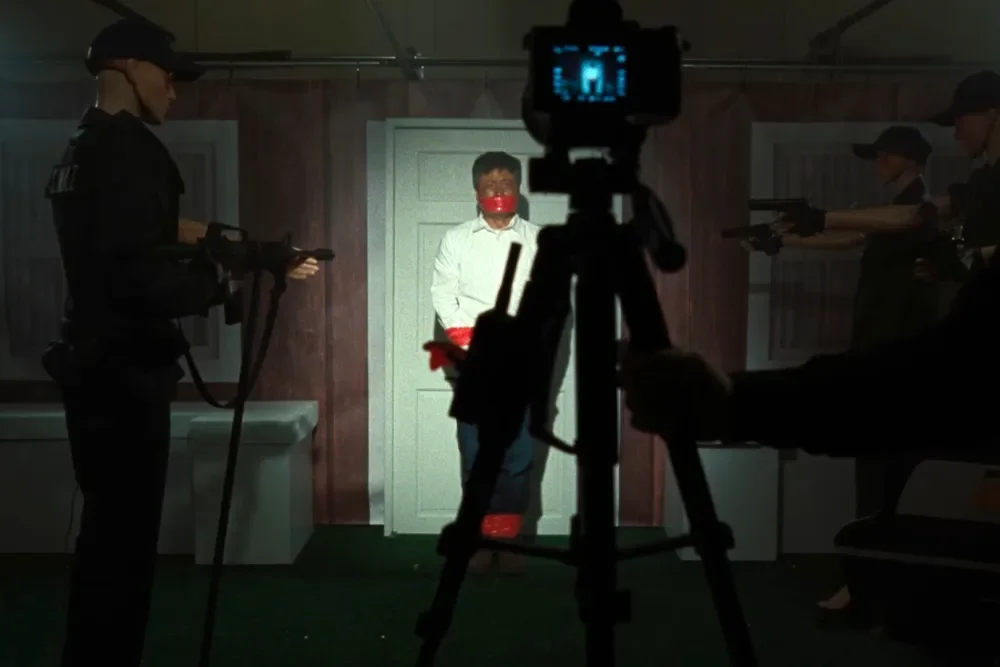
The new Faces of Death follows Margot (Barbie Ferreira), a young woman working as a content moderator for a short-form video app called Kino, a fictionalized version of TikTok. Her job is to review user-uploaded clips and filter out anything overtly offensive or violent. Content that is clearly staged or fabricated is allowed to remain on the platform, as it does not depict genuine harm. Despite signing a nondisclosure agreement that prevents her from discussing the clips she views at work, Margot becomes concerned when she stumbles upon numerous videos that appear to depict real-life murders, accompanied by audio from Schwartz’s 1978 film. This is where Goldhaber and Mazzei’s ingenuity comes in: their iteration of Faces of Death isn’t a conventional remake, but rather a movie about a murderer recreating footage from the original film.
The 1978 film could have been an insightful meditation on media consumption and our obsession with violence, but its execution ultimately undermined those ambitions and instead perpetuated the same violent voyeuristic tendencies it appeared to critique. The 2026 film addresses this more successfully, offering a cohesive and compelling narrative in the process. Margot begins investigating whether the deaths in the videos are real, which draws the attention of the man responsible, Arthur (Dacre Montgomery). A deadly game of cat and mouse unfolds, but beneath that surface lies a film rich with social commentary. Not only does Faces of Death reflect on why the original film developed a cult following, but it also updates its themes to reflect contemporary social media culture, where attention and validation are often pursued through content creation. In fact, Margot’s roommate, Ryan (Aaron Holliday), even remarks that the original Faces of Death functioned as essentially the “first viral video.”
Source: Independent Film Company
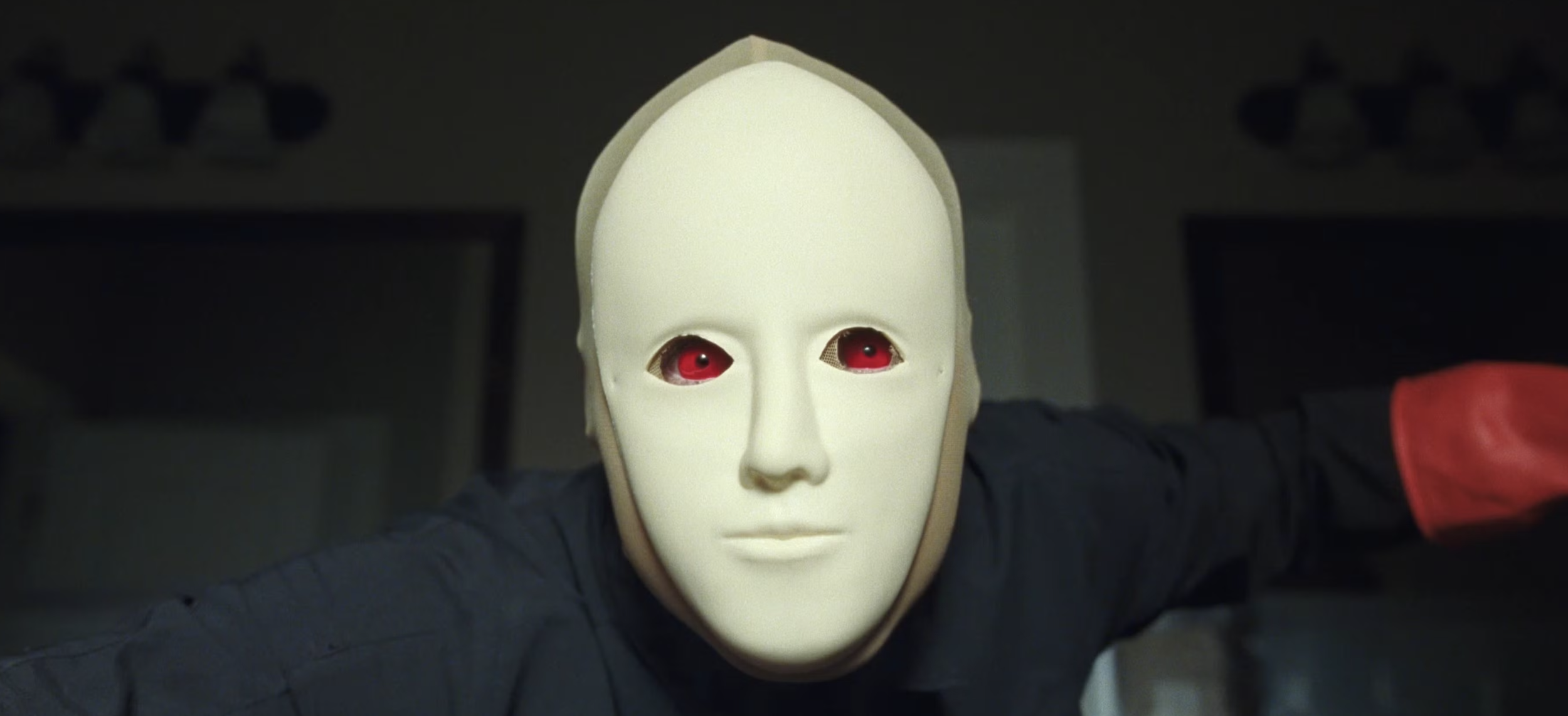
Arthur’s goal is to “give the people what they want” in more ways than one. Many people are drawn to watching violence, whether consciously or not. In addition, Arthur appears to target individuals with some form of online presence or fame. An influencer who’s constantly posting videos of her daily life enjoys being watched and yearns to be famous, and what better way to gain fame than to go missing and have the public speculate about your disappearance? Just as the original Faces of Death spawned numerous sequels, it’s natural to assume that if Arthur’s re-enactments perform well on the Kino app, it will give rise to copycat content creators. In this sense, the film also exhibits an element of self-awareness through meta-commentary that critiques both remakes and imitations.
However, the film might be too self-aware for its own good, with the dialogue sometimes skewing toward unsubtle, on-the-nose territory. At one point, Margot and Ryan briefly mention the true crime docuseries Don't F**k with Cats: Hunting an Internet Killer (2019), which poses the question of whether the audience is complicit by providing a killer with the attention he craved. Faces of Death also raises questions about complicity. People complain about the content in their social media feeds, but continue to view and engage with it. Likewise, moviegoers frequently criticize the overabundance of remakes, reboots, and sequels, claiming that Hollywood has no original ideas anymore. But are we complicit by continuing to watch those remakes? Have we become desensitized to both violence and recycled ideas?
Source: Independent Film Company
Goldhaber’s film, along with Montgomery’s performance, is deeply unsettling, though moments of dark humor help relieve some of the tension. One such moment occurs when Arthur scrolls through comments on his videos, enjoying the attention and praise while becoming visibly frustrated by negative feedback. Beneath the humor, however, lies something more sinister: the harsh realization that no one seems to care if people are dying unless it goes viral. Margot serves as the perfect foil to Arthur, having experienced firsthand how harmful social media attention can be after a video she made went viral for all the wrong reasons. Barbie Ferreira portrays Margot with a mix of curiosity and vulnerability, so even when she makes frustratingly foolish mistakes in typical slasher-movie fashion, we still find ourselves rooting for her and remaining intrigued enough to wonder what she will do next.
Isaac Bauman’s cinematography complements the film’s exploration of voyeurism, often underscoring how characters are transfixed by the glow of their screens. Compared to many modern horror films, this one is well-lit, allowing the audience to clearly see what is happening. Rather than relying on excessive, sudden jump scares, the film builds suspense by showing the antagonist gradually creeping into the frame, which proves far more unnerving. Taylor Levy’s editing is stylish and ensures the story feels efficiently paced, incorporating match cuts and swish pans that add visual energy. Gavin Brivik’s pulsing score emphasizes the escalating tension with a heart-pounding rhythm.
Source: Independent Film Company
Faces of Death succeeds as both a tense psychological thriller and a pointed critique of the modern media landscape. By reimagining a controversial cult film through the lens of contemporary social media culture, Goldhaber and Mazzei transform what could have been a straightforward remake into a layered exploration of voyeurism, complicity, desensitization, and the desire for attention and validation. While the film occasionally leans too heavily on overt dialogue and familiar slasher stereotypes, its thematic ambition, strong performances, and technical craftsmanship make it a captivating and thought-provoking experience. Ultimately, Faces of Death leaves viewers with something far more terrifying than a traditional horror film: the unsettling implication that in a culture driven by views and engagement, people care less about the truth and more about what goes viral.
Faces of Death hits theaters on April 10, 2026.