Leviticus — Review
Source: Neon
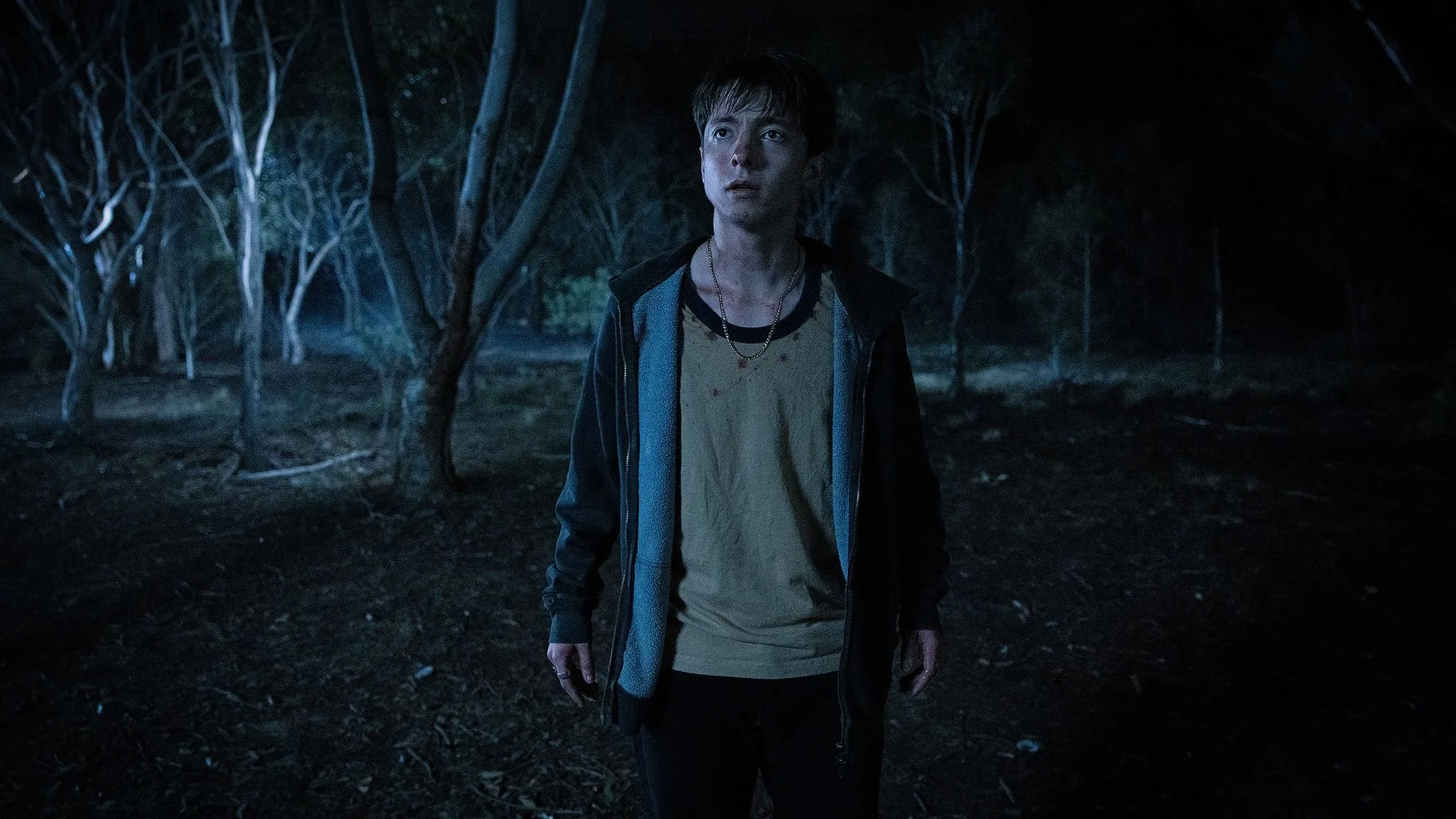
There’s a reason so many works of queer fiction gravitate toward the horror genre. At its core, the genre is founded on fear—something the queer community is all too familiar with: the fear of not fitting in, of not being accepted, of being ostracized or forced to stifle the most authentic version of yourself. Even homophobia is driven by fear, as its etymology suggests, positioning horror as a particularly fitting lens through which queer experiences can be explored. With his directorial debut, Leviticus, Adrian Chiarella channels these fears—both internalized and externalized—into something tangible, revealing that the true monster is not a creature, but anxiety and social rejection rooted in homophobia.
The film takes place in a conservative Christian community in Victoria, Australia. It feels like the type of isolated town that once thrived, but now subsists on outdated ideologies, clinging to them under the guise of tradition. Two teenage boys, Naim (Joe Bird) and Ryan (Stacy Clausen), begin exploring their budding sexual attraction. One afternoon, Naim catches Ryan kissing Hunter (Jeremy Blewitt). Feeling betrayed and consumed by jealousy and hurt, Naim informs Hunter’s parents.
Source: Neon
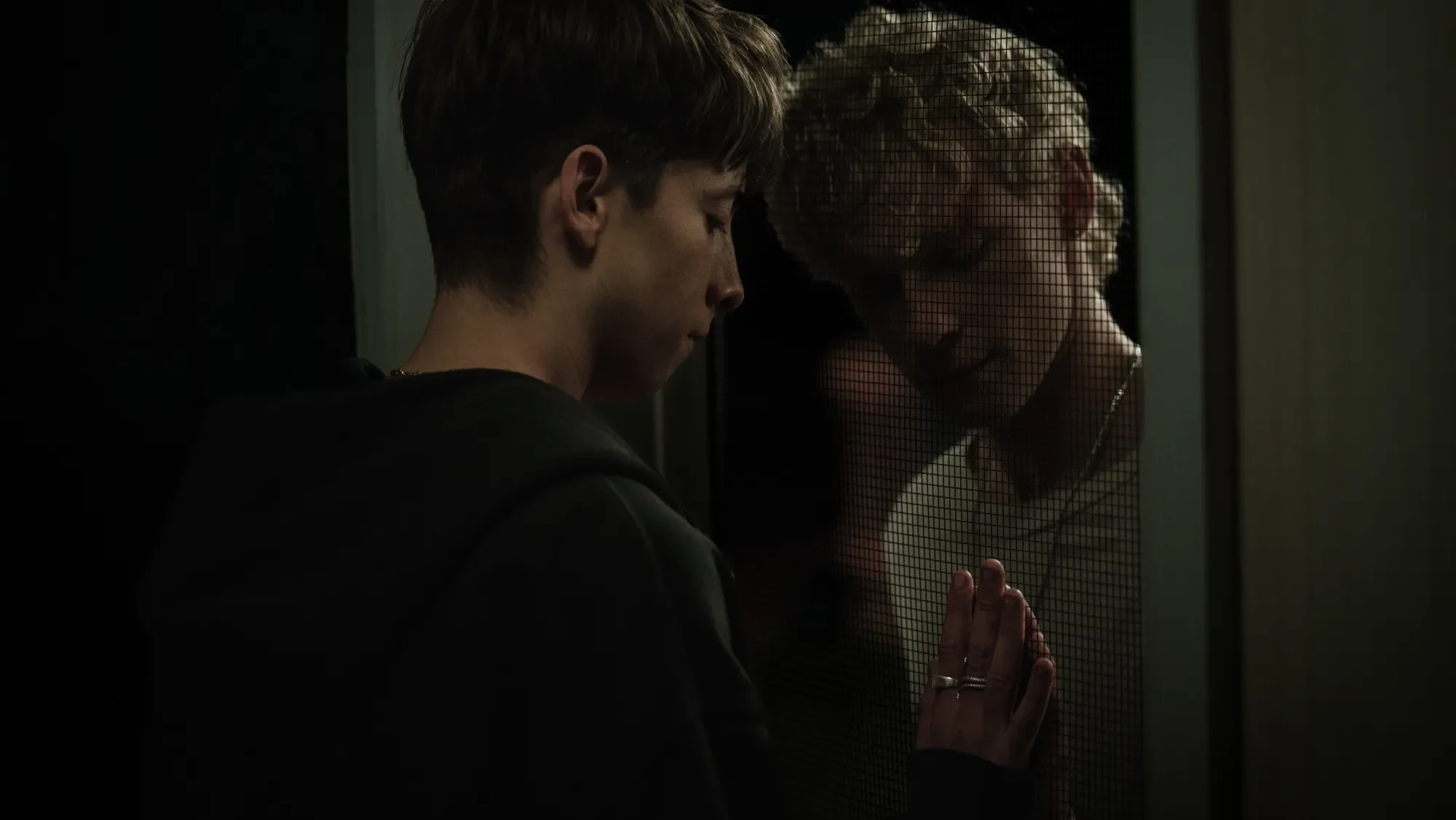
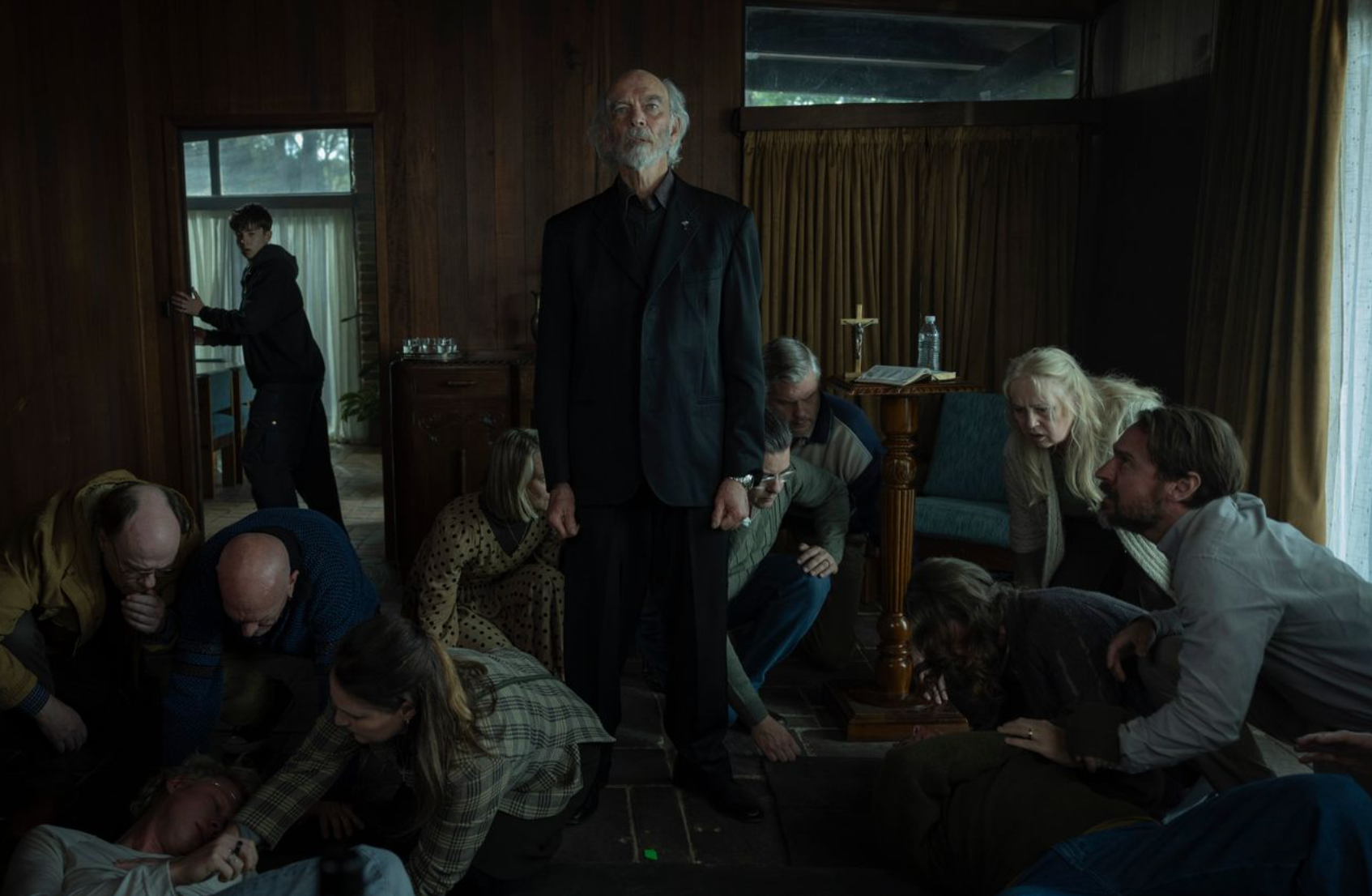
In this community, when someone is outed as queer, they are subjected to a ritual performed by a “deliverance healer” (Nicholas Hope). Rather than “curing” them, the ritual unleashes a violent entity that takes the form of the person they desire most. Leviticus will likely draw comparisons to David Robert Mitchell’s It Follows (2014), as the entity is visible only to its victim. Like It Follows, much of the terror in Leviticus stems from the paranoia of being perpetually pursued by what appears to be an ordinary person. However, Leviticus takes things a step further. While the entity in It Follows can occasionally resemble people the victim knows, the entity in Leviticus preys on the victim’s innermost desires, manifesting as the person they are most attracted to. This intensifies the horror by merging desire and danger, adding a deeper layer of psychological subtext.
The cinematography, production design, and Jed Kurzel’s ominous score establish an atmosphere brimming with unease and dread. The film employs a few jump scares—one in particular is especially effective—but Chiarella is deliberate and restrained in his use, careful to avoid an overreliance on them. Instead, much of the horror is psychological. Leviticus gets under your skin not only through its haunting visuals, but through the thought-provoking questions it raises: who can you trust when the entity appears as someone you love, and when your family and community have endorsed the ritual that released it? How do you survive in a society that frames your identity as something that needs fixing? How do you distinguish protection from persecution in a place that enforces this kind of “healing”? What happens when the person you desire most becomes the one who hunts you?
Source: Neon
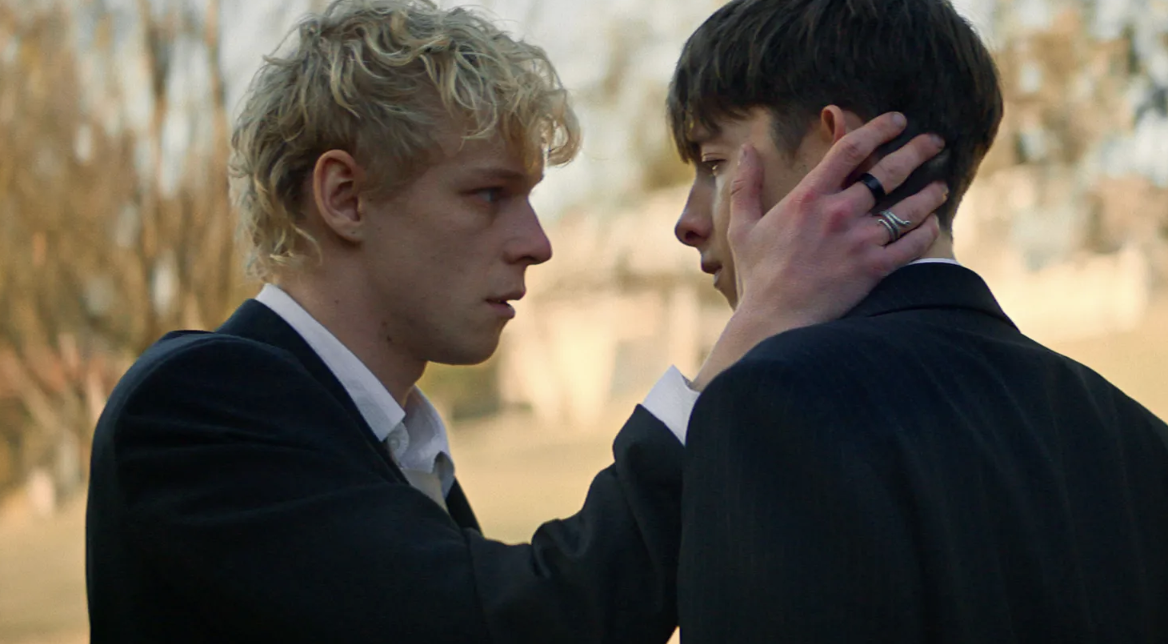
Between Talk to Me (2022) and Leviticus, Joe Bird is well on his way to becoming the face of Australian horror, delivering thoughtful performances that embody the genre’s emotional and psychological intensity. His chemistry with Stacy Clausen is strong. The screenplay relies more on mood and images than dialogue, so most of the story is conveyed through their facial expressions and body language. Clausen also faces the added challenge of playing dual roles: the real Ryan and the entity that assumes his appearance. He tackles the distinction tremendously, at times clearly embodying the entity through a more rigid, predatory physicality. However, there are moments where, just like Naim, it becomes nearly impossible to distinguish between the two.
Mia Wasikowska plays Naim’s mother, a woman fervently devoted to her religion. She acts as though she wants what is best for her son, yet she refuses to listen to him, believe him, or show him any compassion. Wasikowska portrays her with a restrained, composed exterior, making her emotional rigidity all the more unnerving. Her cruelty is subtle, expressed through cold certainty rather than overt hostility. It poses difficult questions: how can someone who claims to love you refuse to accept you as you are? How can someone who is supposed to love you allow you to endure this kind of suffering?
Leviticus boasts a clever, deceptively simple premise that conceals a more complex exploration of fear, desire, and identity. The concept behind Leviticus is truly terrifying, as it transforms desire into a threat. What should be a source of intimacy and connection becomes something perilous instead. The screenplay starts to falter ever so slightly in the third act, as Naim’s struggles begin to feel repetitive. However, the brief runtime prevents the film from growing tiresome.
Source: Neon
Chiarella’s film evokes a feeling that will unfortunately resonate with many members of the queer community: the sense that desire must be kept secret, that self-expression carries risk, and that identity itself can be weaponized against you. The film externalizes this experience, turning that internalized fear into something literal and inescapable. In doing so, Leviticus exposes that the true source of terror is not something supernatural. The real monster is mob mentality, ignorance, and hatred—the forces that enable this fear to flourish and render people perpetually unsafe simply for being themselves. It is the psychological burden of living under constant self-surveillance.
The most striking aspect of Adrian Chiarella’s debut is its ability to give abstract fear a tactile form. In Leviticus, queer anxieties manifest as a physical, predatory presence. By having the entity resemble the person the victim desires most, the film blurs the boundary between love and danger while raising thought-provoking questions about identity, sexuality, fear, and desire. Confidently directed by Chiarella and bolstered by compelling performances from Joe Bird and Stacy Clausen, it succeeds as both a psychological horror story and a sharp social allegory. Ultimately, Leviticus leaves a lasting impression as a welcome addition to contemporary queer horror.
Leviticus premiered in the Midnight section of the 2026 Sundance Film Festival on January 23rd. It had its New York premiere on April 8, 2026 as the opening night film of the New Directors/New Films Festival. It will be released theatrically on June 19, 2026.
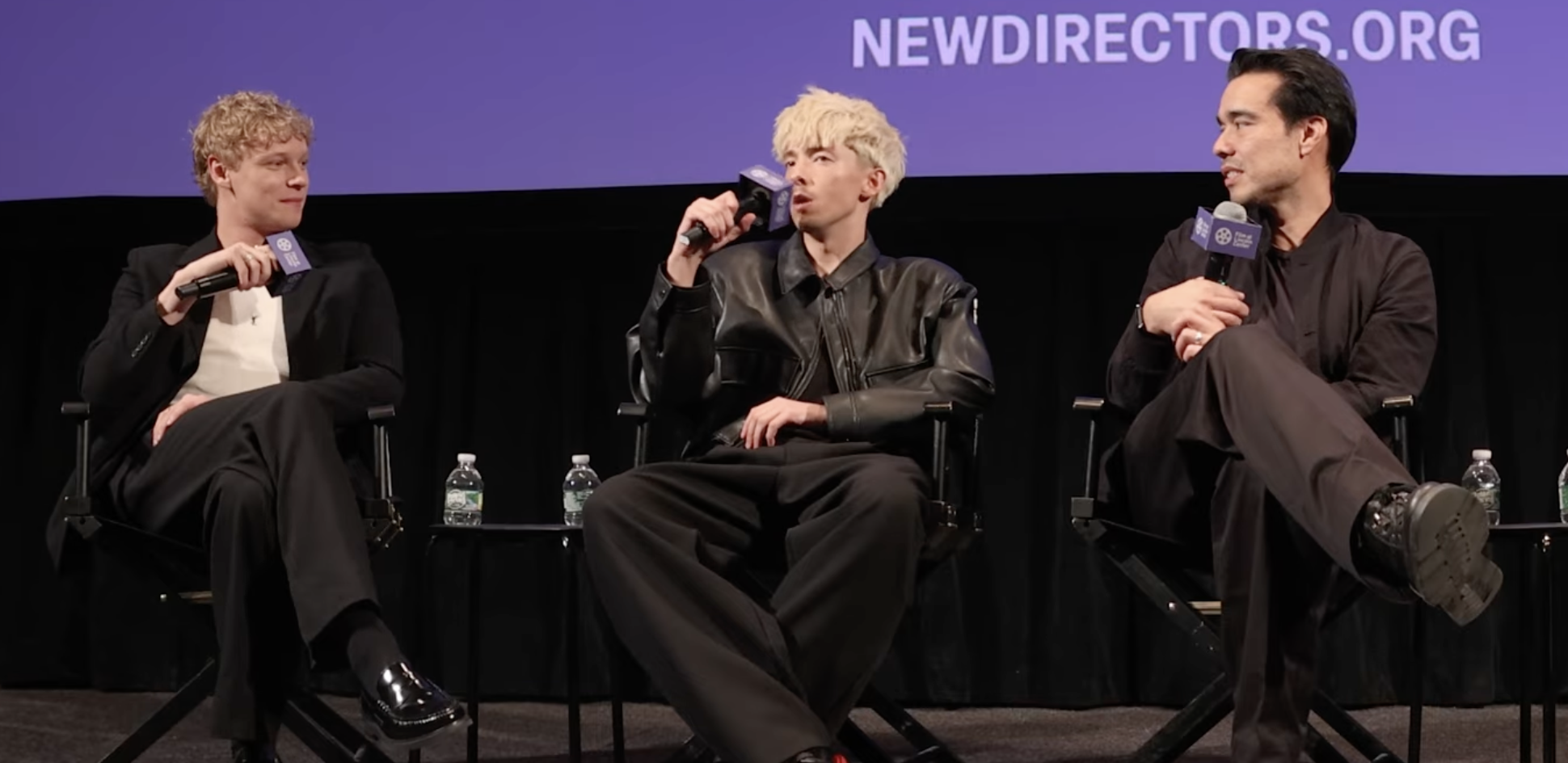
Stacy Clausen, Joe Bird, and Adrian Chiarella at a New Directors/New Films screening of Leviticus at the Walter Reade Theater in NYC on April 9, 2026.