Fjord — NYFF Review
Source: Neon
Cristian Mungiu's Palme d'Or-winning Fjord is the type of movie that will likely inspire conversations that are ultimately more compelling than the film itself. That’s not to say it’s a bad film by any means. It’s a thoughtful, meticulously observed drama that raises difficult and thought-provoking questions about religion, parenting, and cultural differences. However, its measured, deliberately restrained approach often makes it feel emotionally distant and painstakingly slow.
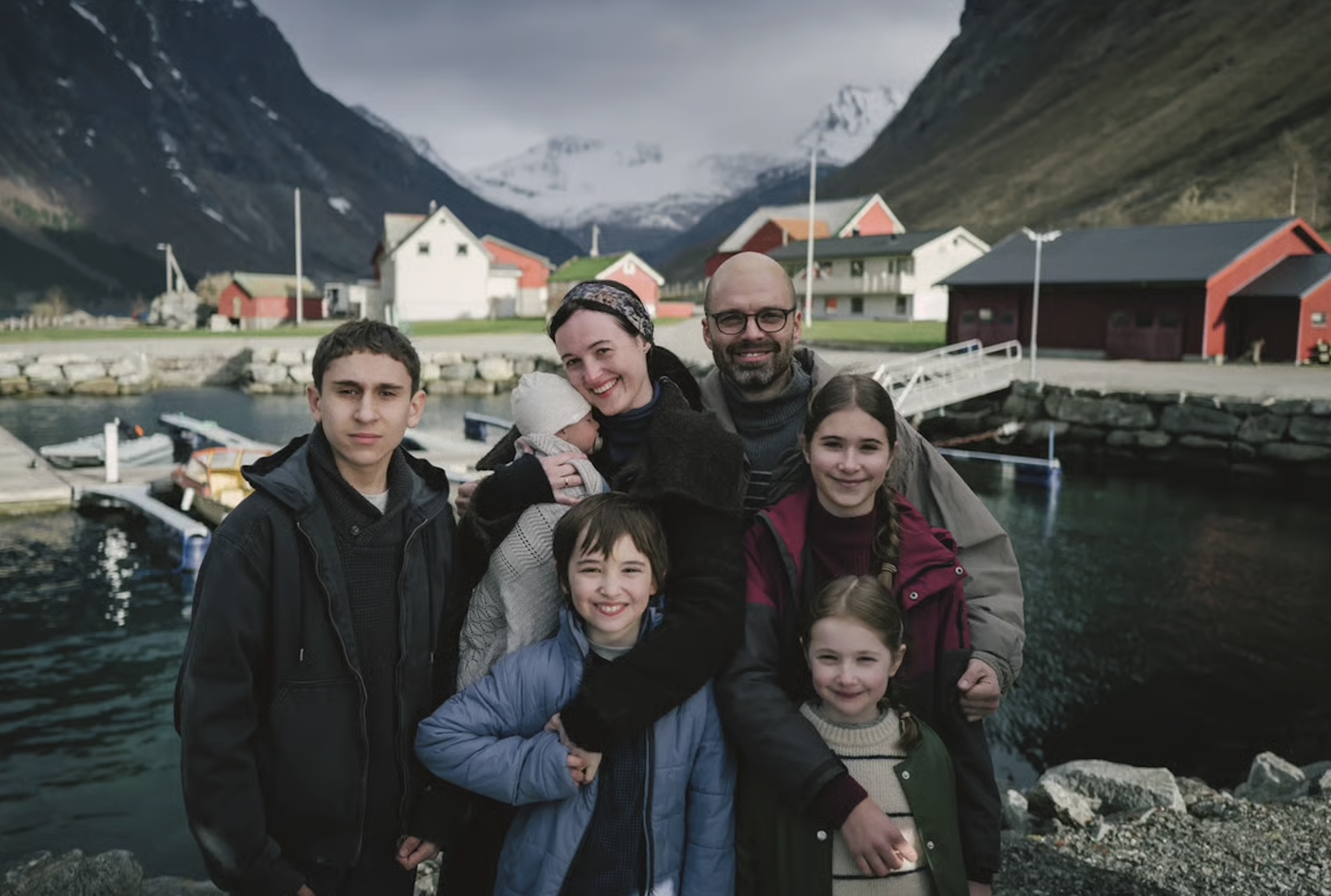
The film follows Romanian Mihai Gheorghiu (Sebastian Stan) and his Norwegian wife, Lisbet (Renate Reinsve), as they relocate from Romania to the remote Norwegian village where Lisbet was born. The Gheorghius have five children: an infant, an elementary school-aged son and daughter, and two teenagers, Elia (Vanessa Ceban) and Emmanuel (Jonathan Ciprian Breazu). As they settle into their new surroundings, they befriend their neighbors, lawyer Mia (Lisa Carlehed), her husband Mats Halberg (Markus Tønseth), the local school principal, and their daughter, Noora (Henrikke Lund-Olsen). Noora takes an immediate liking to Elia, and the two rapidly develop a close friendship.
Source: Neon
However, the Gheorghius’ devout Christian beliefs and traditional parenting techniques gradually become a point of contention, conflicting with the values and institutions of the local community. Their children are expected to pray and study the Bible every day and are prohibited from having cell phones, listening to secular music, or watching YouTube. When a gym teacher notices bruises on the back of Elia's neck and a bus driver reports overhearing Elia and Emmanuel discussing being hit by their mother, school officials launch an investigation and notify child protective services. Given Norway's strict child welfare policies, the parents lose custody of their children while the investigation is ongoing. What follows is a tense legal battle that transforms a private family crisis into a larger debate over parenting, culture, religion, and the role institutions play in protecting children.
By introducing the Gheorghius before the investigation unfolds, and by deliberately refusing to show the parents physically abusing their children, Mungiu aligns the audience with the family's perspective, making it easy to empathize with them even if we don't necessarily share their beliefs or values. When asked whether her parents hit her, Elia hesitates, wondering aloud whether being spanked counts. This makes it clear that Mihai and Lisbet believe in physical discipline, but the film never depicts it. Instead, Mungiu leaves viewers wrestling with the same ambiguity that drives the investigation, forcing us to question where the line between discipline and abuse should be drawn.
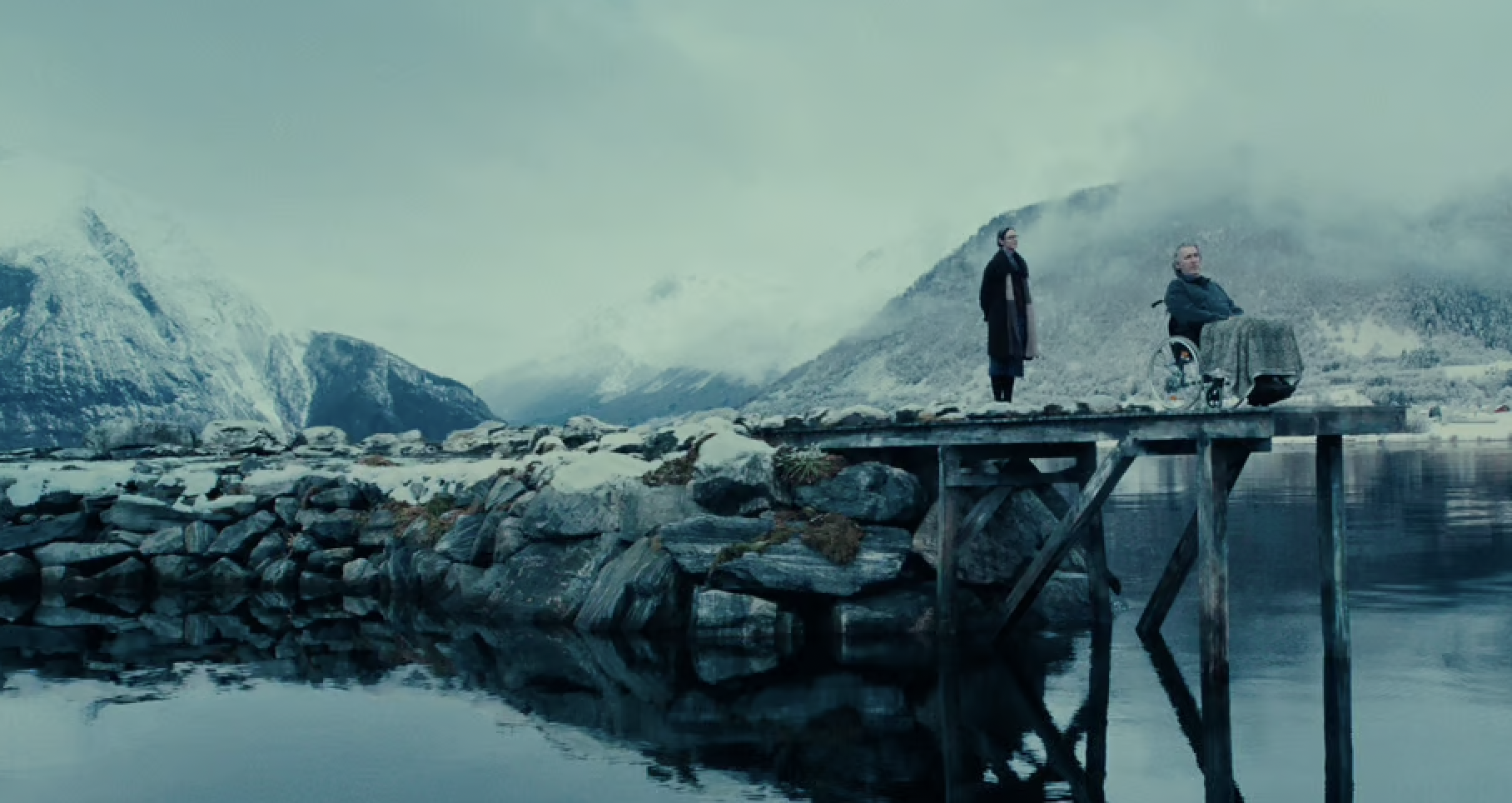
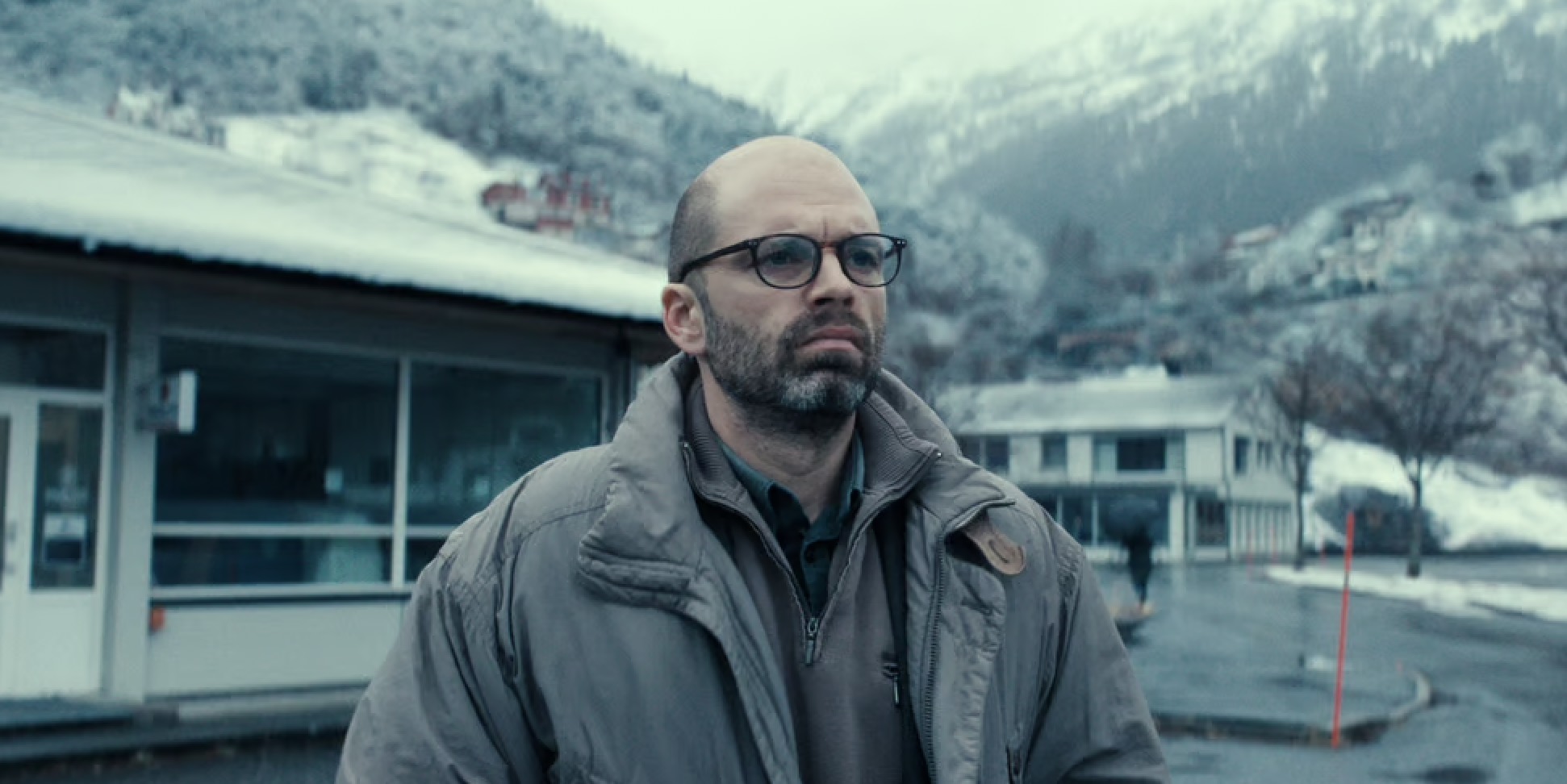
The film's technical elements reinforce that sense of uncertainty. Through Tudor Vladimir Panduru's understated cinematography, Kaspar Kaae's chilling score, and Mircea Olteanu's restrained editing, Fjord creates an atmosphere of emotional detachment and quiet unease. The film feels as cold and unforgiving as the icy landscape surrounding the Norwegian village, where the constant threat of avalanches mirrors the family's fragile sense of security.
Source: Neon
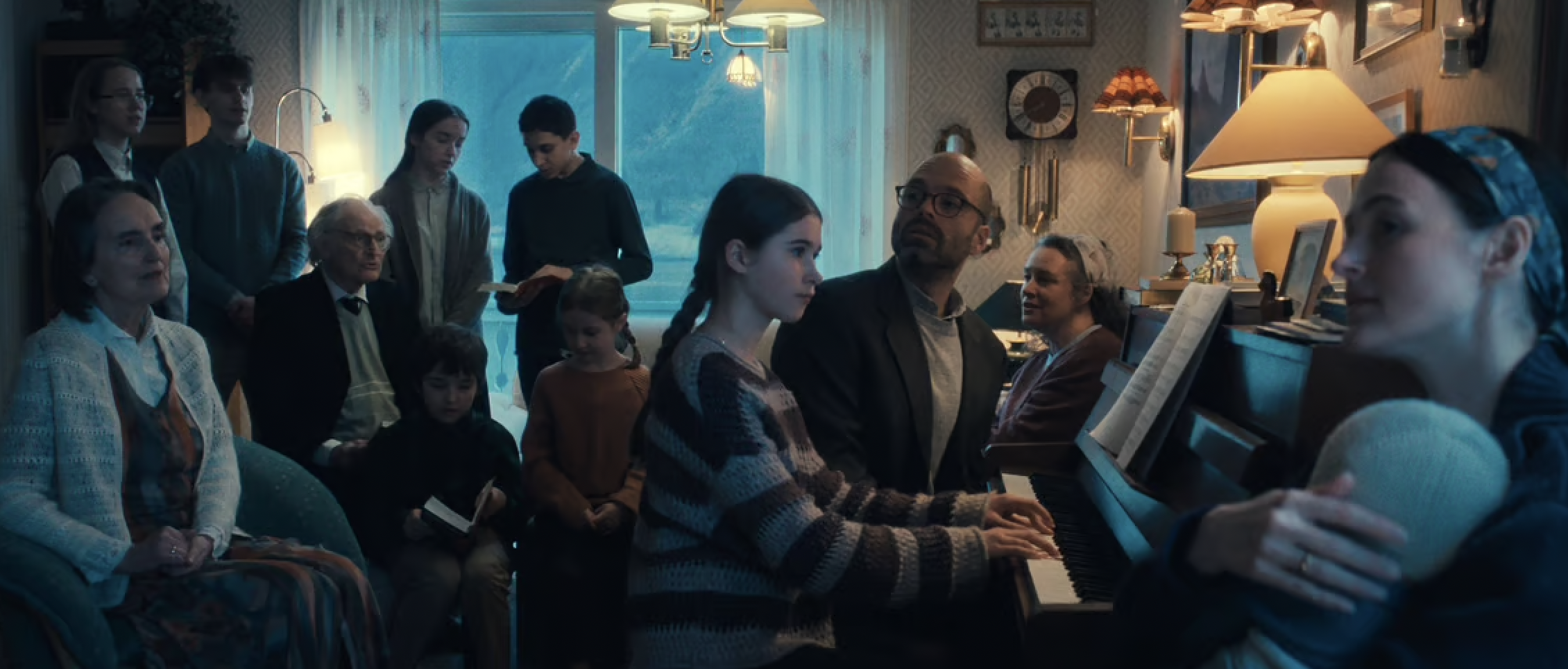
Sebastian Stan is nearly unrecognizable in the role of Mihai. It’s easy to forget that he and Renate Reinsve are the same actors who appeared together in Aaron Schimberg’s A Different Man (2024), where they portrayed characters who feel worlds apart from the ones they inhabit here. Stan delivers a layered performance, capturing both Mihai’s desperation to be reunited with his children and his unwavering commitment to his religious beliefs. The complexity of his portrayal makes it difficult to categorize Mihai as either a villain or a victim.
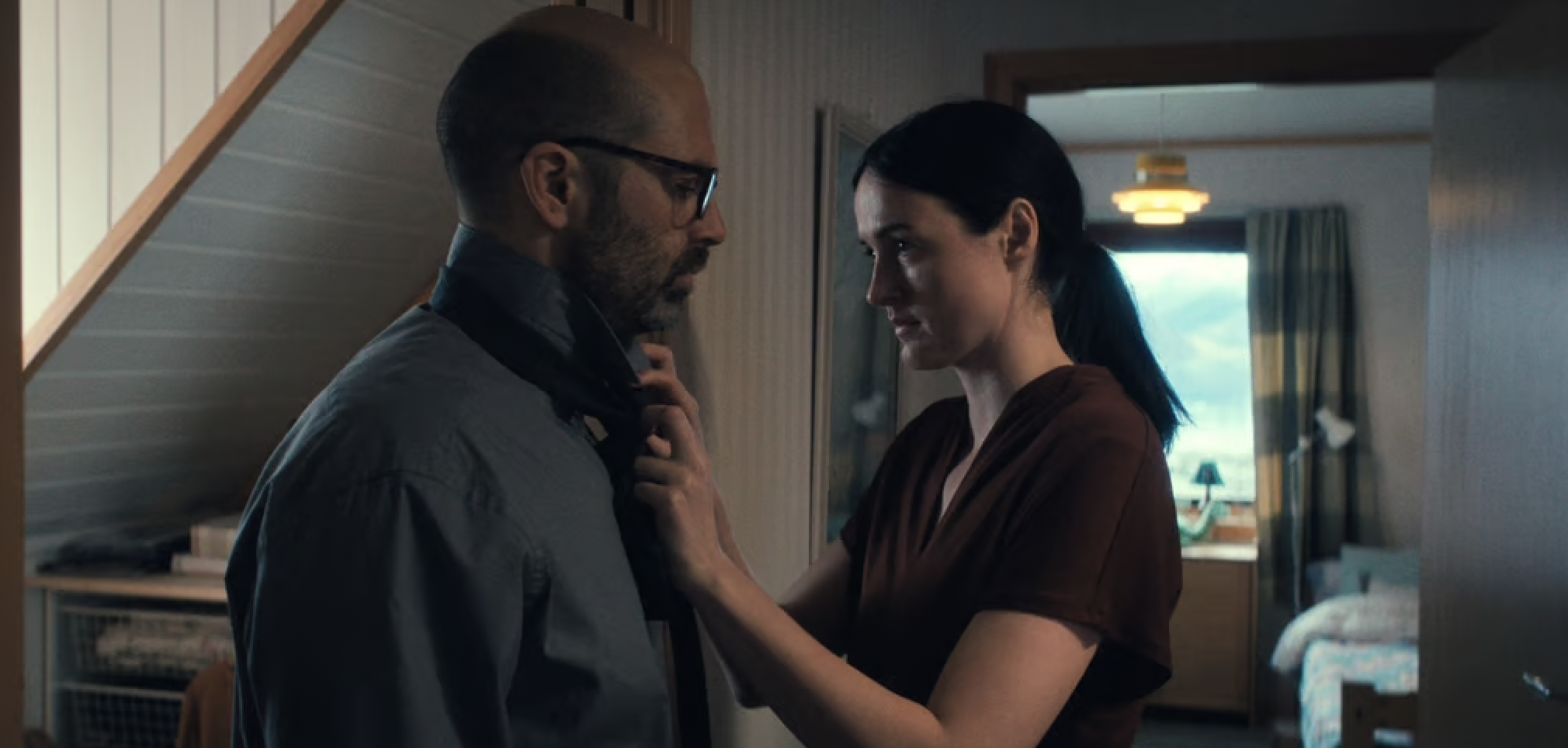
In contrast to Stan’s Mihai, Reinsve brings a more fragile quality to Lisbet. She captures the contradictions of a mother who wants to preserve her family’s values while also struggling with the consequences of those beliefs. Reinsve’s performance is vulnerable without reducing Lisbet to a passive victim. She portrays a woman with a genuine love for her children, even as the film around her beckons us to question her intentions and maternal instincts.
Source: Neon
Henrikke Lund-Olsen’s performance is one of the standouts, as Noora is one of the few emotionally open characters in contrast to the film’s otherwise detached approach. She brings some much-needed warmth and sincerity to the film. Unfortunately, many of the other characters feel underwritten. Noora’s friendship with Elia never fully reaches its emotional potential because Elia herself remains such an underdeveloped character. Despite being central to the conflict driving the film’s narrative, the Gheorghiu children often feel more like symbols within the story than fully realized individuals. However, this feels like an intentional choice on Mungiu’s part. By keeping the children’s perspectives at a distance, Mungiu shifts the focus away from a straightforward debate over whether the parents or authorities are right and instead invites viewers to consider more nuanced questions about cultural differences, parental responsibility, and who has the authority to decide what is best for a child.
Source: Neon
Ultimately, Fjord is more successful as a conversation starter than as a film. Mungiu refuses to provide easy answers, and that ambiguity is what makes the film’s questions about parenting, religion, and cultural differences so compelling. Yet the same restraint that allows these questions to linger also keeps the film at an emotional distance. There is plenty here to debate and dissect, but the film’s deliberately measured pace and underdeveloped characters make that discussion feel more rewarding than the experience of watching the film itself.
Fjord will have its New York premiere at the 64th New York Film Festival on Sunday, October 4, 2026.