Forgotten Island — Review
Source: Universal Pictures
Imagine a film that blends the best-friend dynamic of Superbad (2007) with the can’t-remember-what-we-did-last-night setup of The Hangover (2009), plus a dash of Eternal Sunshine of the Spotless Mind (2004). Now imagine that formula infused with a vibrant celebration of Filipino culture, and rendered as a family-friendly animated adventure in the visually kinetic style of Spider-Man: Into the Spider-Verse (2018) or KPop Demon Hunters (2025). That’s essentially the recipe for Joel Crawford and Januel Mercado's Forgotten Island.
Source: Universal Pictures
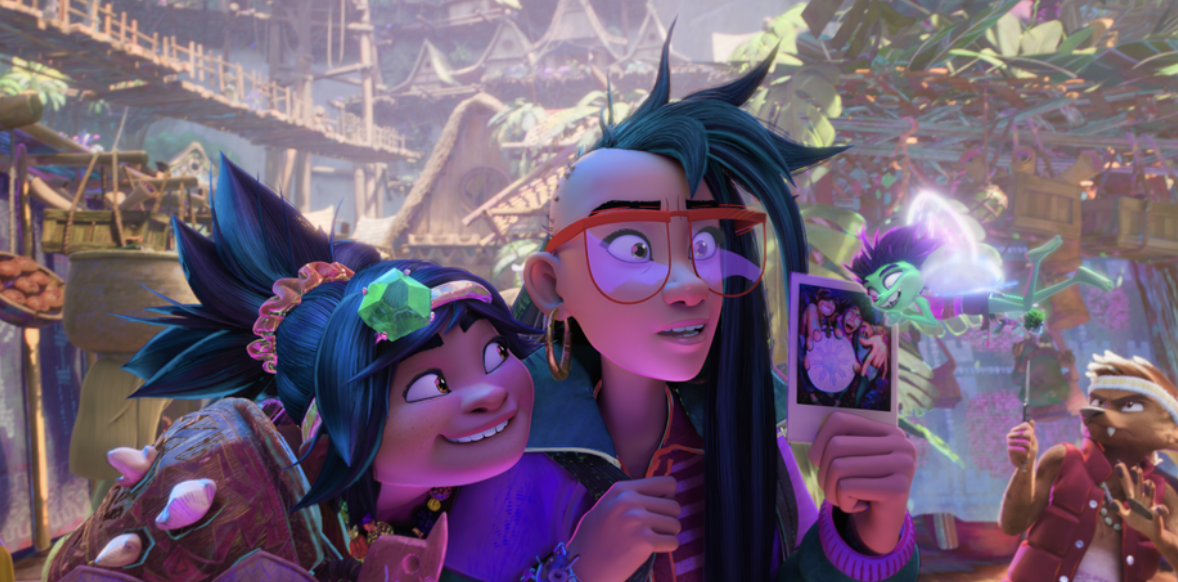
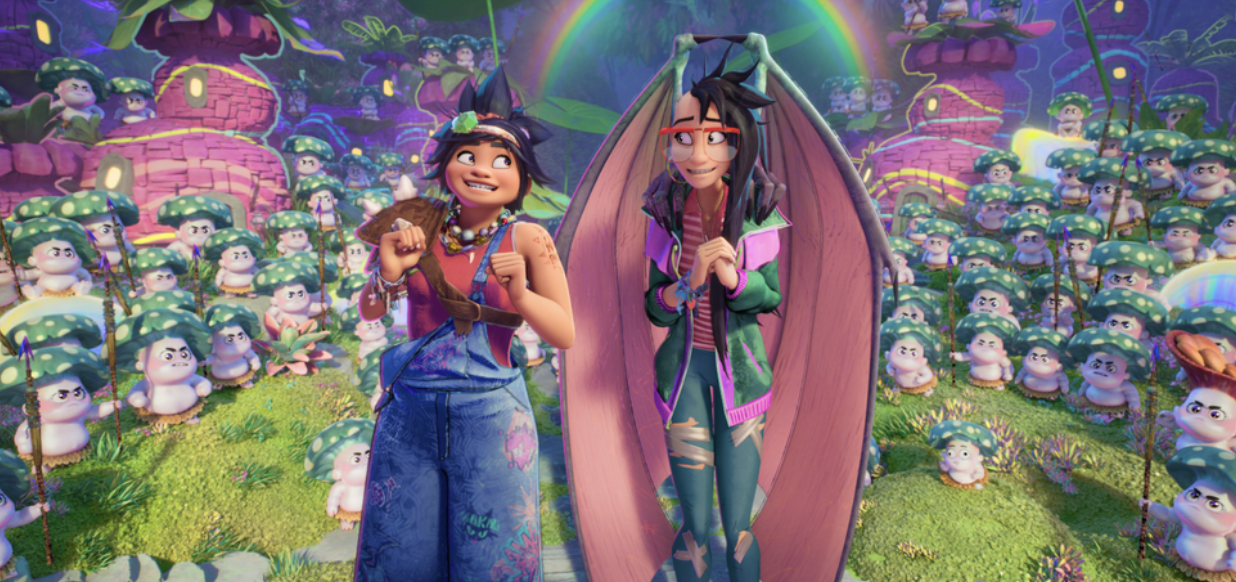
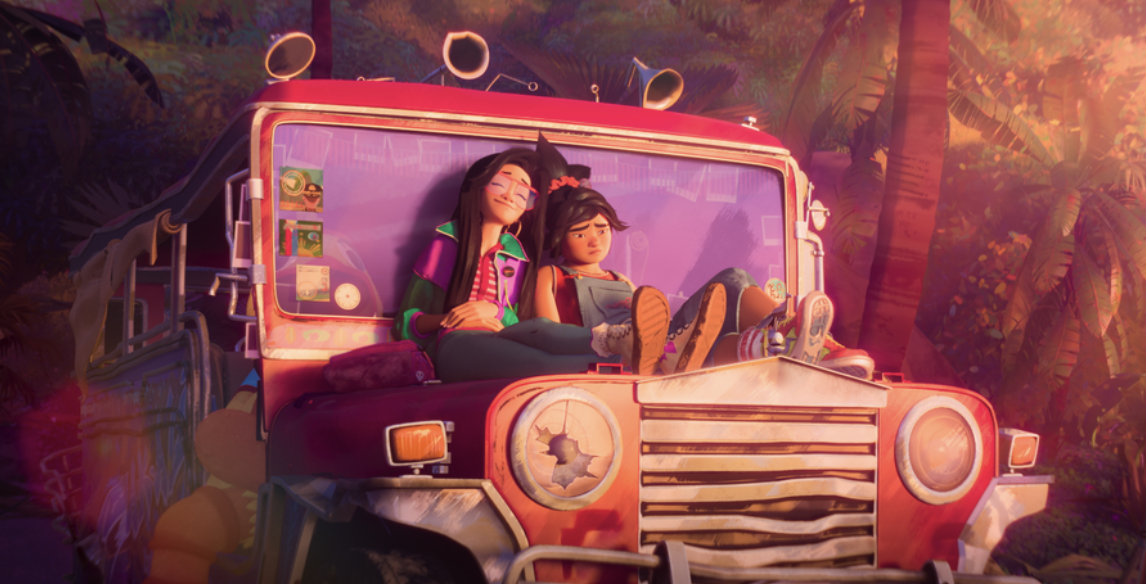
The film opens in the Philippines in the 1990s, where young girls Jo and Raissa bond over their mutual fascination with Philippine folklore, particularly the mysterious Nakali Island and the mythological creature said to inhabit it, the Manananggal. The two promise to be best friends forever, adding charms to their matching friendship bracelets along the way. Years later, after high school graduation, Jo (H.E.R.) is working at a fast-food restaurant while Raissa (Liza Soberano) prepares to move to America to attend Caltech. This is where the Superbad comparison comes in, as Jo and Raissa’s friendship is reminiscent of the bond between Seth and Evan. Like the Superbad duo, one friend focuses on college and building a future, while the other is more of a slacker and troublemaker. Much like Superbad, the friends must come to terms with the possibility that their paths are about to diverge.
Source: Universal Pictures
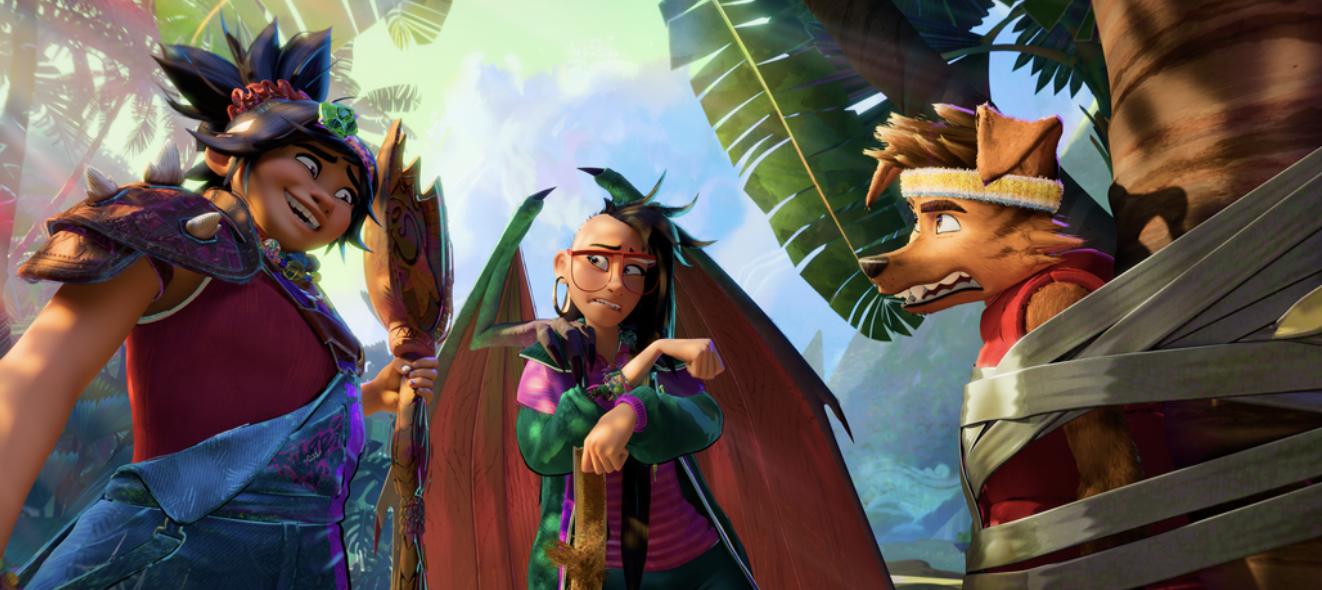
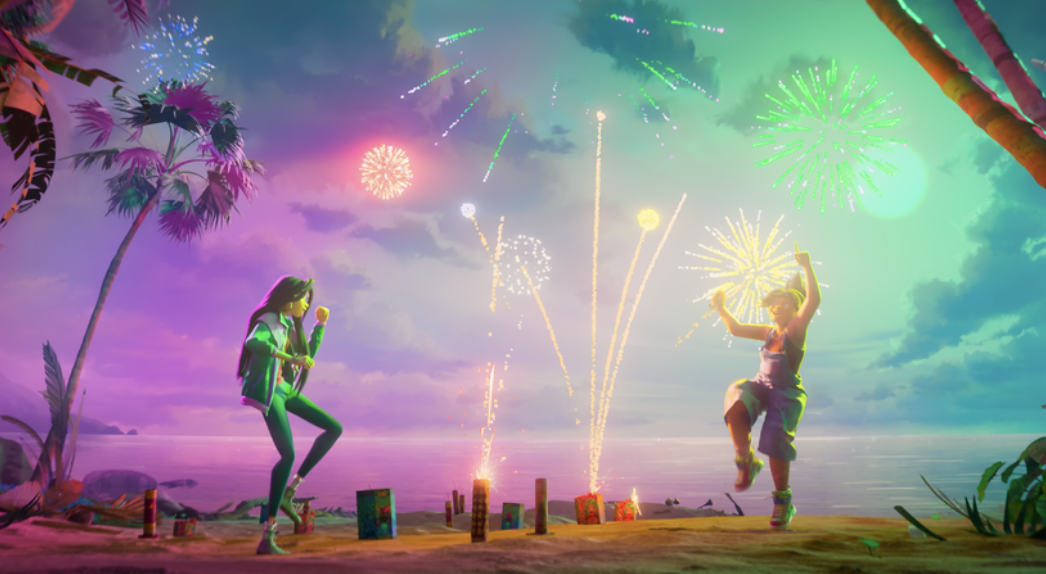
While celebrating their last night together, Jo and Raissa stumble upon the key to a magical portal that transports them to the island of Nakali. Only, much like in The Hangover, they wake up with absolutely no memory of the previous night’s shenanigans. Thus begins their adventure as they attempt to piece together what happened and figure out how to get back home before Raissa misses her flight to California.
The story often feels derivative, not only of its inspirations but of buddy comedies in general. There are even moments that call to mind Nirvanna the Band the Show the Movie. It leans heavily on familiar tropes and hits nearly every expected narrative beat, making the story feel predictable even when the film’s colorful animation and Filipino cultural influences give it a personality all its own. The film also feels longer than necessary, though that may be more a consequence of its predictability than its actual runtime. Jo and Raissa encounter plenty of kooky characters along their journey, but not all of their individual detours feel worthwhile.
Source: Universal Pictures
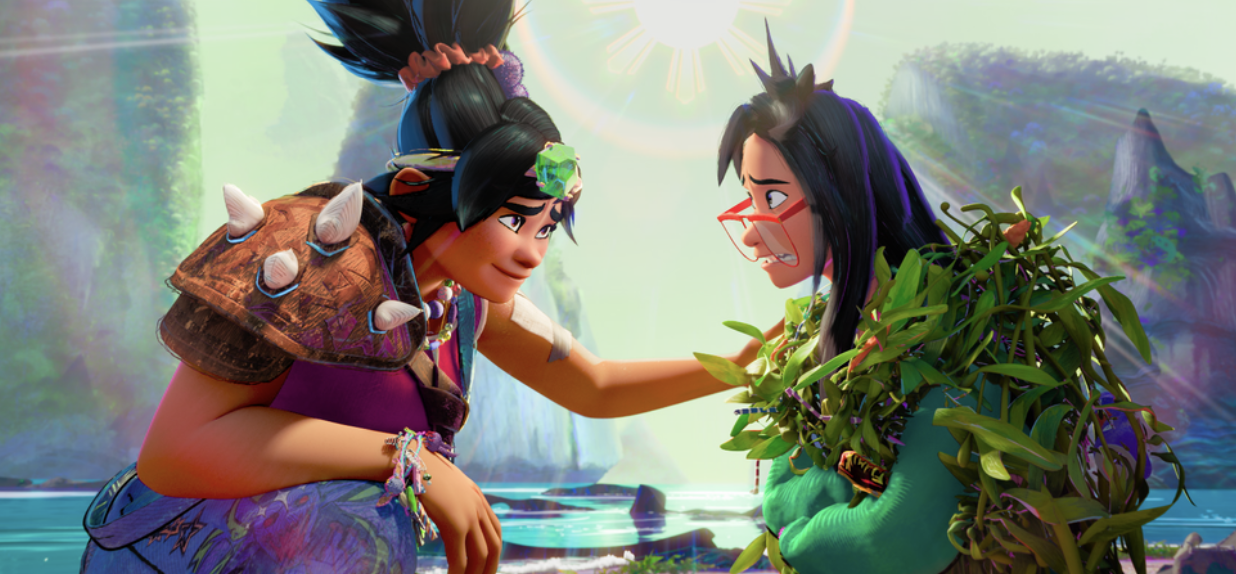
What makes Forgotten Island stand out, beyond its distinct celebration of Filipino culture, is its humor. I’ll admit that I laughed out loud multiple times, but there’s something peculiar about the humor in this film. This is a PG, family-friendly animated movie, yet the humor seems geared toward an older audience. Children may enjoy the silly characters and colorful visuals, but the jokes themselves don’t seem intended for them. Somehow, the jokes feel simultaneously too mature for children yet too immature for adults. It almost feels like the film is primarily targeting tweens. However, what makes that confusing is that the humor also feels oddly Millennial-coded. A lot of the jokes evoke the kind of absurd, meme-driven humor that was prevalent on the internet in the early 2010s. While some of the jokes are effective, this approach makes the film feel more dated than timeless.
Despite my criticisms, I wouldn’t call Forgotten Island a bad film. There’s a lot to admire here. Its zany, chaotic energy and vibrant animation make it an easy film to have fun with, even when its story beats feel far too familiar. Its colorful style and the way it merges Filipino culture with a fantastical world give the film a unique personality that will likely make it worthwhile for many viewers. The narrative starts off strong, drawing us into Jo and Raissa’s quirky friendship. The final act is equally compelling, nailing those expected emotional moments. However, the middle portion prevents the film from truly soaring.
Source: Universal Pictures
There’s a segment that feels reminiscent of Eternal Sunshine of the Spotless Mind, where we see memories being erased and collapsing. It’s easily the highlight of the film and makes full use of animation as a medium, transforming the process of losing memories into something visually inventive and deeply emotional. I wish more of the film had been like that. Beneath its eccentric characters and silly humor, there’s a touching story about the magic of memories and the power of friendship. Had the film devoted more time to that idea and spent less time exploring the characters on the island, it probably would have won me over more.
H.E.R. delivers a wonderful vocal performance as Jo. She brings plenty of personality to the character, balancing Jo’s goofy, rebellious side with her more vulnerable and emotional moments. Liza Soberano is equally charming as Raissa, and the two have convincing chemistry that makes their friendship feel genuine.
Source: Universal Pictures
Forgotten Island is a fun yet uneven, candy-colored adventure. Its storyline feels all too familiar, and its humor won’t work for everyone, but its vibrant animation, Filipino cultural influences, and heartfelt story of friendship provide the film with plenty of charm. At its best, it balances its goofy sense of humor with a surprisingly moving story about memory and friendship. It may be messy and predictable, but for all its flaws, it has enough heart, creativity, and personality to make it a journey worth remembering.
Forgotten Island hits theaters on September 25, 2026.