Once Upon a Time in Harlem — NYFF Review
Source: Neon
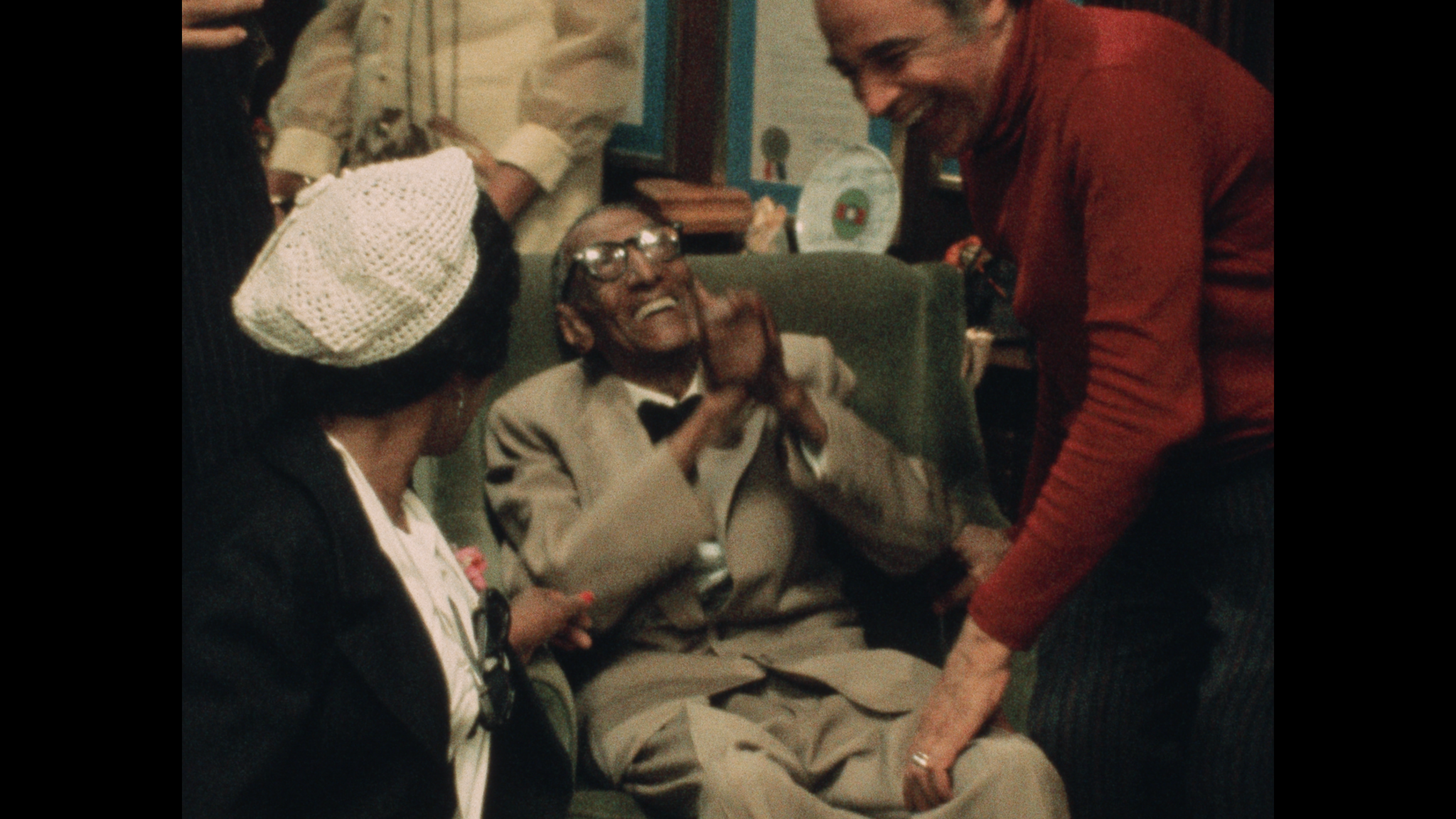
William and David Greaves’s Once Upon a Time in Harlem feels like more than a documentary. It feels like traveling back in time and conversing with some of the greatest creative minds of a generation. This may be the quintessential Harlem Renaissance documentary—a rare opportunity to witness these artists and intellectuals reflecting on their lives and work. The film was shot in 1972 at a gathering attended by surviving members of the Harlem Renaissance, but it remained unfinished for half a century. Following his father’s death in 2014, David Greaves revisited the footage and finally brought the film to completion.
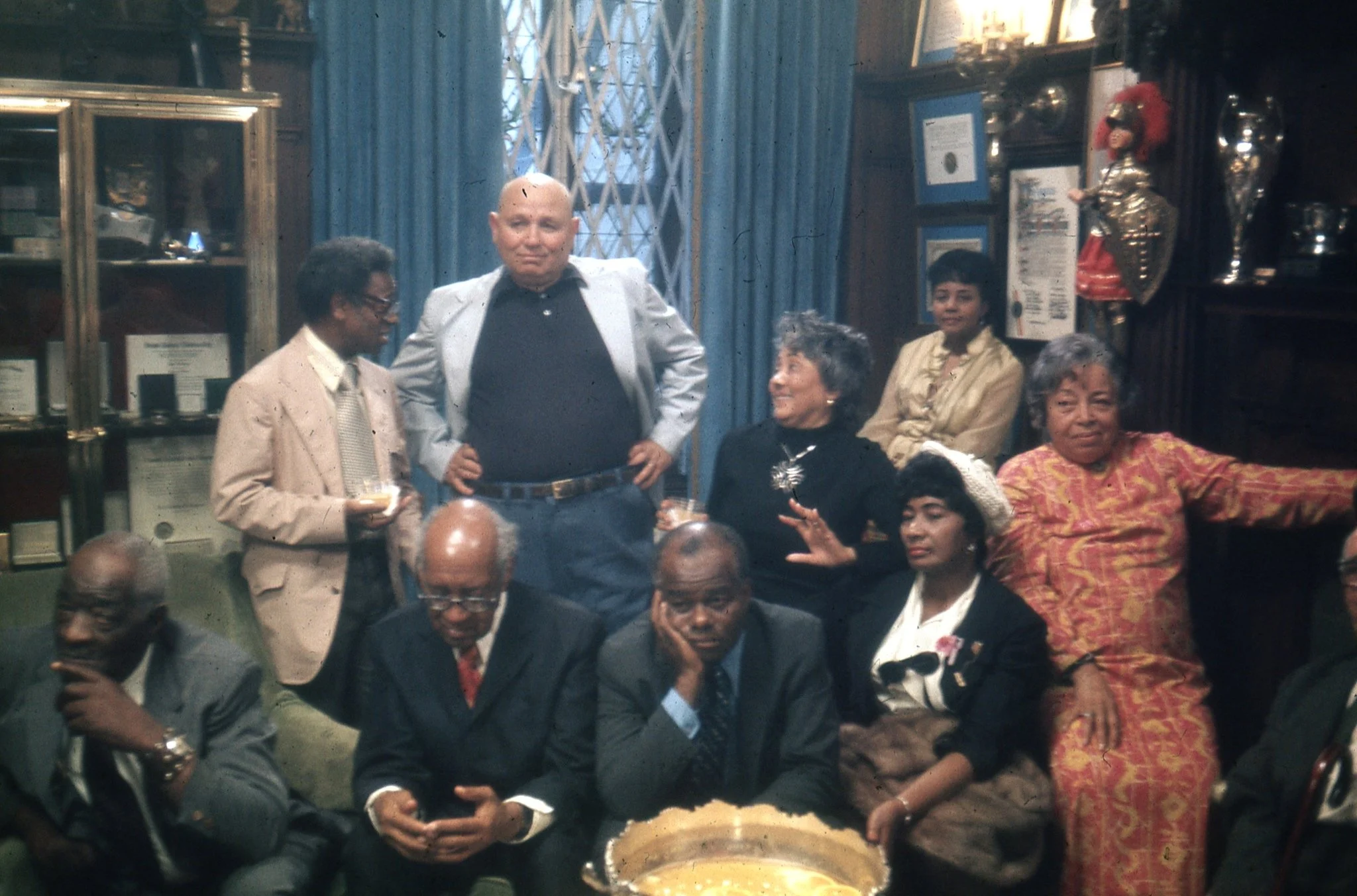
The documentary takes place at a party held at Duke Ellington’s townhouse in Harlem. William Greaves invited every surviving participant of the Harlem Renaissance he could locate, many of whom had not seen one another in decades. Among those featured are painter Aaron Douglas, artist and writer Richard Bruce Nugent, and photographer James Van Der Zee. Countless other names come up throughout their conversations, including actress and activist Fredi Washington, whose name I was particularly looking forward to hearing because I find her story both inspiring and fascinating. I also rarely see her discussed when people talk about film history or the civil rights movement, so hearing her name mentioned here was especially meaningful to me.
Source: Neon
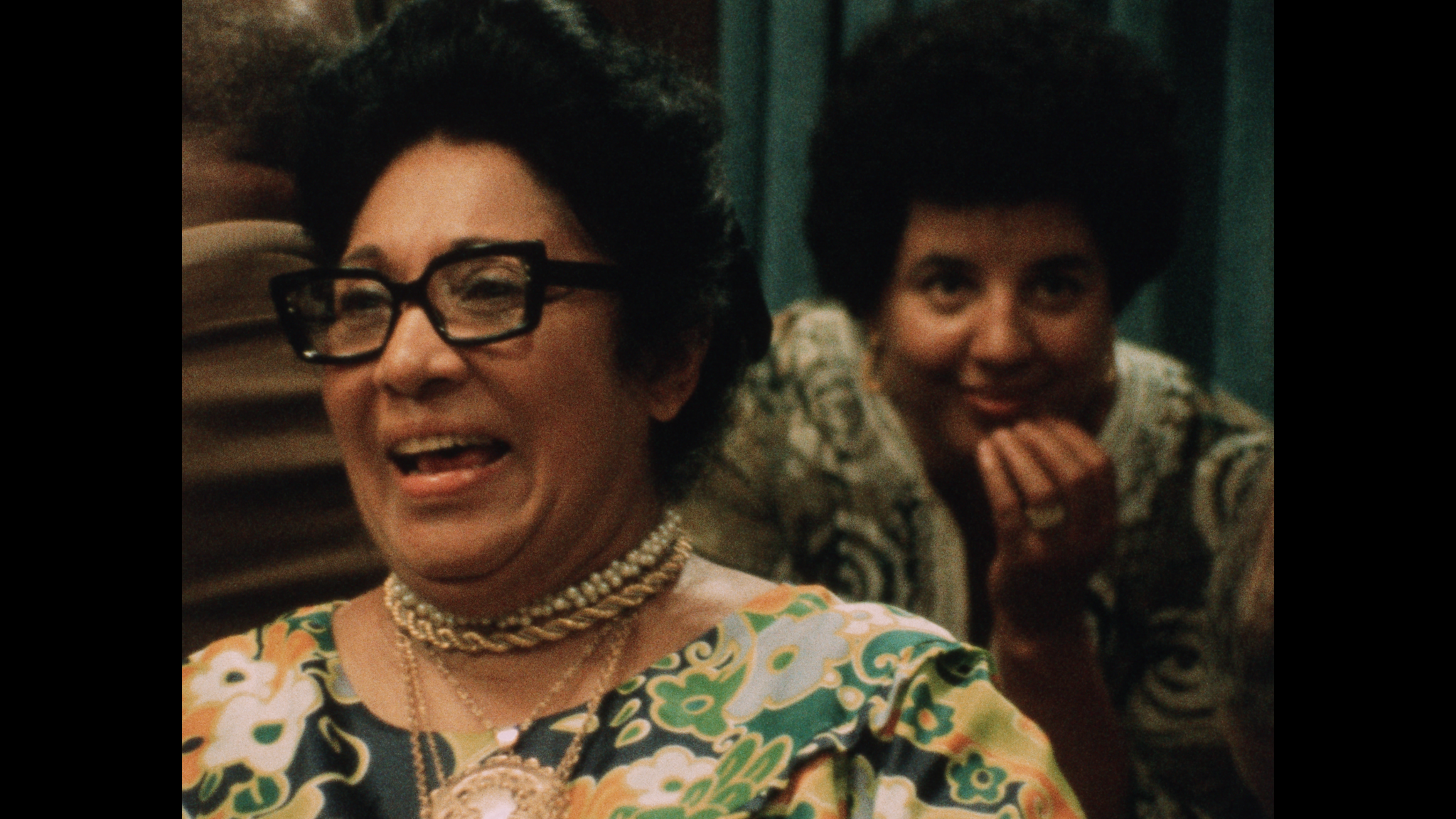
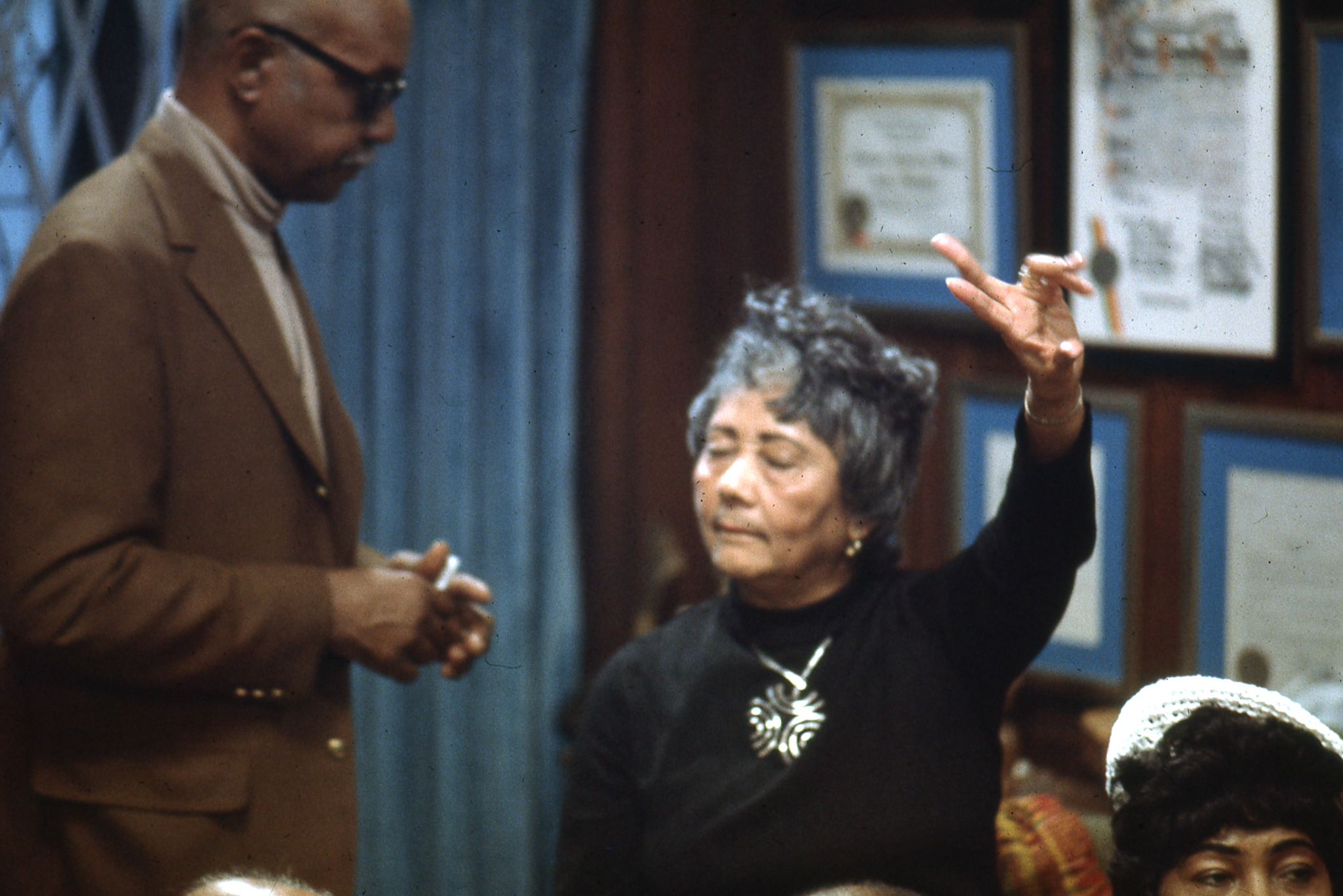
The way the camera floats around the party makes it feel as though we, the audience, are actually there, standing in the middle of the room and catching up with old friends. Yet these luminaries are so brilliant that even the most casual conversations become incredibly enlightening. There are so many thought-provoking discussions throughout Once Upon a Time in Harlem. It truly feels like a gift to experience a film like this and to witness these dialogues firsthand. At one point, someone declares, “The critics of today ought to learn the first lesson of a critic, which is appreciation.” Not only is that a vital lesson that I think many modern critics could stand to learn, but it also feels like a key to understanding the documentary itself. Greaves invites us to sit back and appreciate the profound observations these brilliant artists make. The film feels like an act of preservation, preserving these important historical figures’ voices, ideas, and personalities.
Source: Neon
That statement about how the first lesson of being a critic is appreciation also reminded me of how easy it is for film critics to overlook the importance of revisiting film history. There is so much pressure to constantly keep up with new releases that many modern film critics tend to neglect older films. However, in order to fully appreciate the art being made now, it is crucial to understand where that art came from, the long history that led us here. A documentary like Once Upon a Time in Harlem demonstrates why looking back matters. These artists and thinkers shaped American culture, and their stories deserve to remain part of the conversation. Films like this ensure that crucial figures in history are not forgotten, but continue to be appreciated and celebrated.
Source: Neon
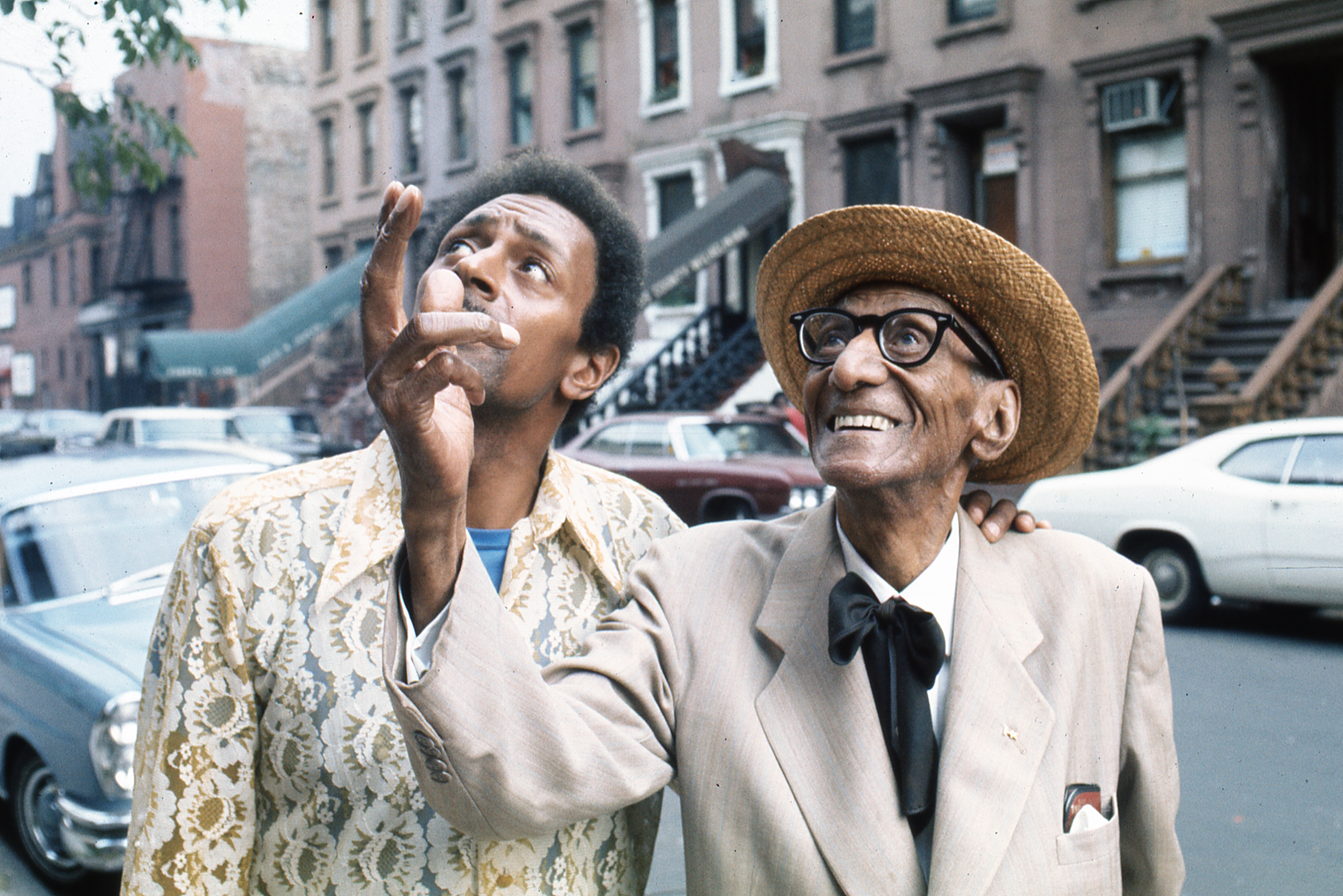
The Harlem Renaissance is typically considered to have spanned the 1920s and ’30s, yet Once Upon a Time in Harlem thoughtfully demonstrates how its influence extended far beyond that period. At one point, someone at the party remarks, “I think this idea that the Harlem Renaissance was just a flash in the pan is false.” The participants discuss how some of the movement’s activities were disrupted by the economic plight of the Great Depression, but they also emphasize that the artists and thinkers who emerged from the Harlem Renaissance continued to grow, create, and provide inspiration and instruction to those who came after them. The Harlem Renaissance was more than a brief moment in history; it was a cultural legacy whose influence continues to be felt in the art being created today.
Source: Neon
Ultimately, I think Once Upon a Time in Harlem should be deemed essential viewing for anyone interested in learning more about the Harlem Renaissance, and even for those who have little interest in the subject. It is an incredibly illuminating experience, offering something that a textbook simply cannot. This is more than a documentary about the Harlem Renaissance; it feels like history is being brought to life right before our very eyes. Not many people have the opportunity to sit in the same room as some of the greatest Black artists and thinkers in American history, yet Greaves provides filmgoers with this rare and extraordinary opportunity. The conversations are candid and deeply insightful, and Greaves makes it feel like we are right there in the room with them. It is as though they are speaking directly to us, reminding us where we came from and why their voices still matter—and why they always will.
Once Upon a Time in Harlem will screen at the 64th New York Film Festival on September 29, 2026. It is scheduled to be released in the United States on October 16th.