Godzilla Minus Zero — NYFF Review
Source: GKIDS Films
When it was announced that Takashi Yamazaki’s follow-up to Godzilla Minus One (2023) would have its world premiere at the New York Film Festival, it felt like a bold, unexpected choice. After watching the film, that choice feels even more audacious. Much like its predecessor, Godzilla Minus Zero is equal parts rip-roaring kaiju spectacle and heartfelt, intimate family drama, but this time the stakes are higher, the action is bigger, and the story is even more meaningful.
One of my biggest complaints about monster movies in general is that they rarely do enough to make me care about the human characters, so I end up rooting for the monster instead. Godzilla Minus One subverted my expectations in that regard. It quickly became one of my all-time favorite Godzilla films because I cared deeply about its characters and found myself genuinely emotional throughout. My personal favorite, however, is probably Shusuke Kaneko’s 2001 film Godzilla, Mothra and King Ghidorah: Giant Monsters All-Out Attack (GMK), so I was delighted to find that Godzilla Minus Zero feels almost like an amalgamation of those two films. It has the emotional punch that made me fall in love with Godzilla Minus One, while also delivering the larger-than-life monster spectacle that made GMK such a blast.
Source: GKIDS Films
Godzilla Minus Zero picks up two years after the events of the first film, in 1949. As Japan recovers from the damage and trauma of Godzilla’s rampage and finally begins returning to a sense of normalcy, a new threat emerges. That’s all I’m going to say about the plot, because the less you know going in, the better the experience will be. That’s exactly what this movie is: an experience. It’s one of the most immersive Godzilla films I’ve ever seen.
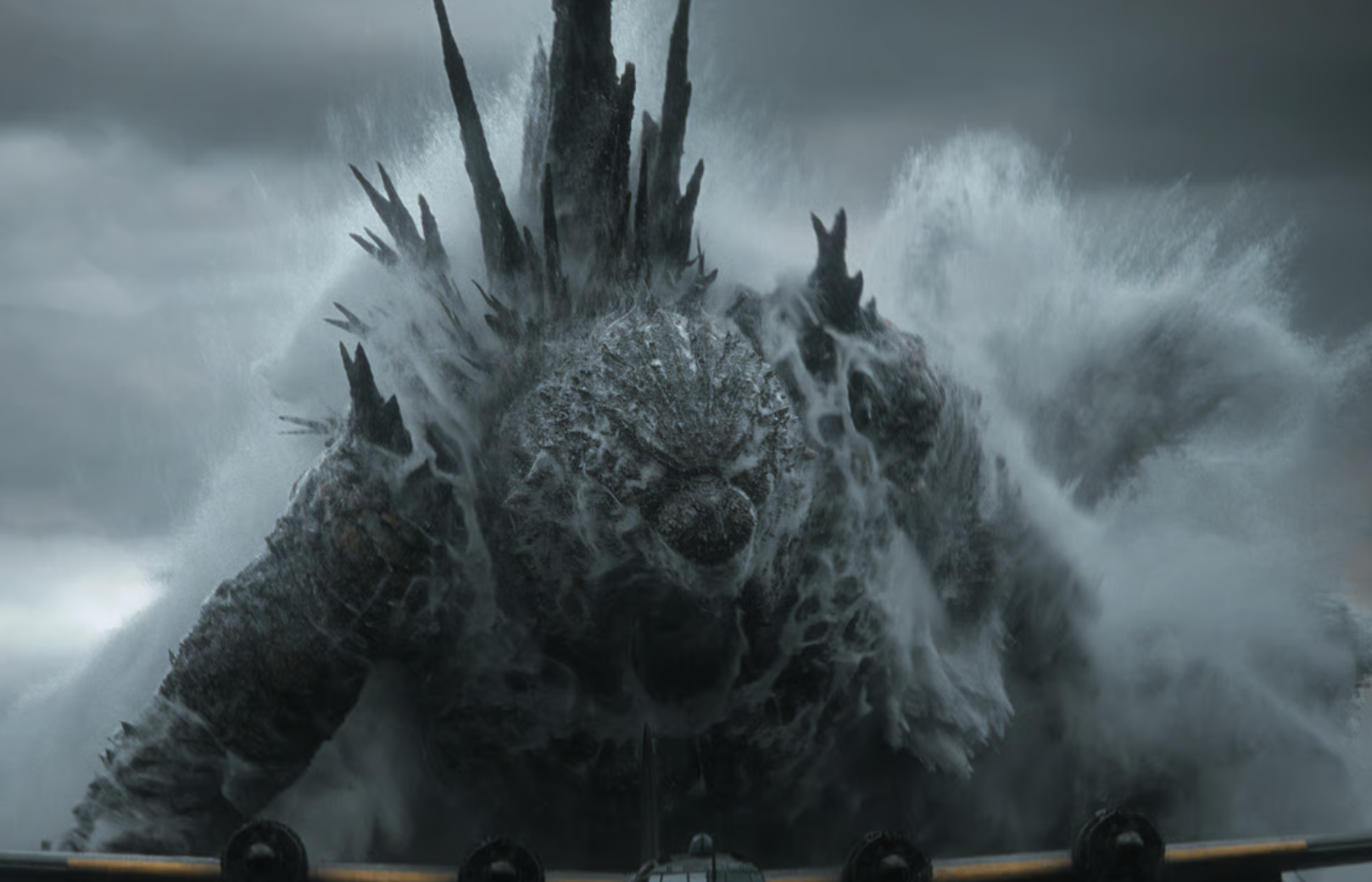
Between the production design, costume design, and the nostalgic glow of the warm lighting, it truly transports the audience to the 1940s. The film’s impressive visual effects add to the immersion. The first film won the Academy Award for Best Visual Effects, but here, the effects are even better. So much detail has gone into the visuals to make the monsters feel believable, like they’re actually living, breathing organisms that pose a massive threat to the planet. This is the first Godzilla movie to earn an R rating. I wouldn’t say it’s more violent than any other Godzilla film, but it’s the way that violence is depicted and the level of detail in the visual effects that make it feel so realistic that the R rating seems justified. It’s also the first Japanese production filmed for IMAX, and it’s the perfect film for the format. The enormous scale of Godzilla Minus Zero is already astounding on a regular movie screen, but the IMAX format will emphasize that even further, highlighting the sheer size of the monsters, the amount of the destruction, and the incredible detail packed into every frame.
Source: GKIDS Films
However, the aspect of the film that truly blew me away was the sound design—and I mean that literally. I was wearing a hat during the movie, and the sound was so powerful that every time Godzilla roared, it genuinely felt like my hat was going to fly right off my head. The sound design is so mind-blowing that you don’t just see and hear Godzilla; you can actually feel his presence looming over you. Between his booming roar and thunderous stomps, it feels like the entire theater shakes with every move he makes. The sound design amplifies the threats in the film, making them feel all the more imposing, as if these monsters are more than just creatures on a screen.
Source: GKIDS Films
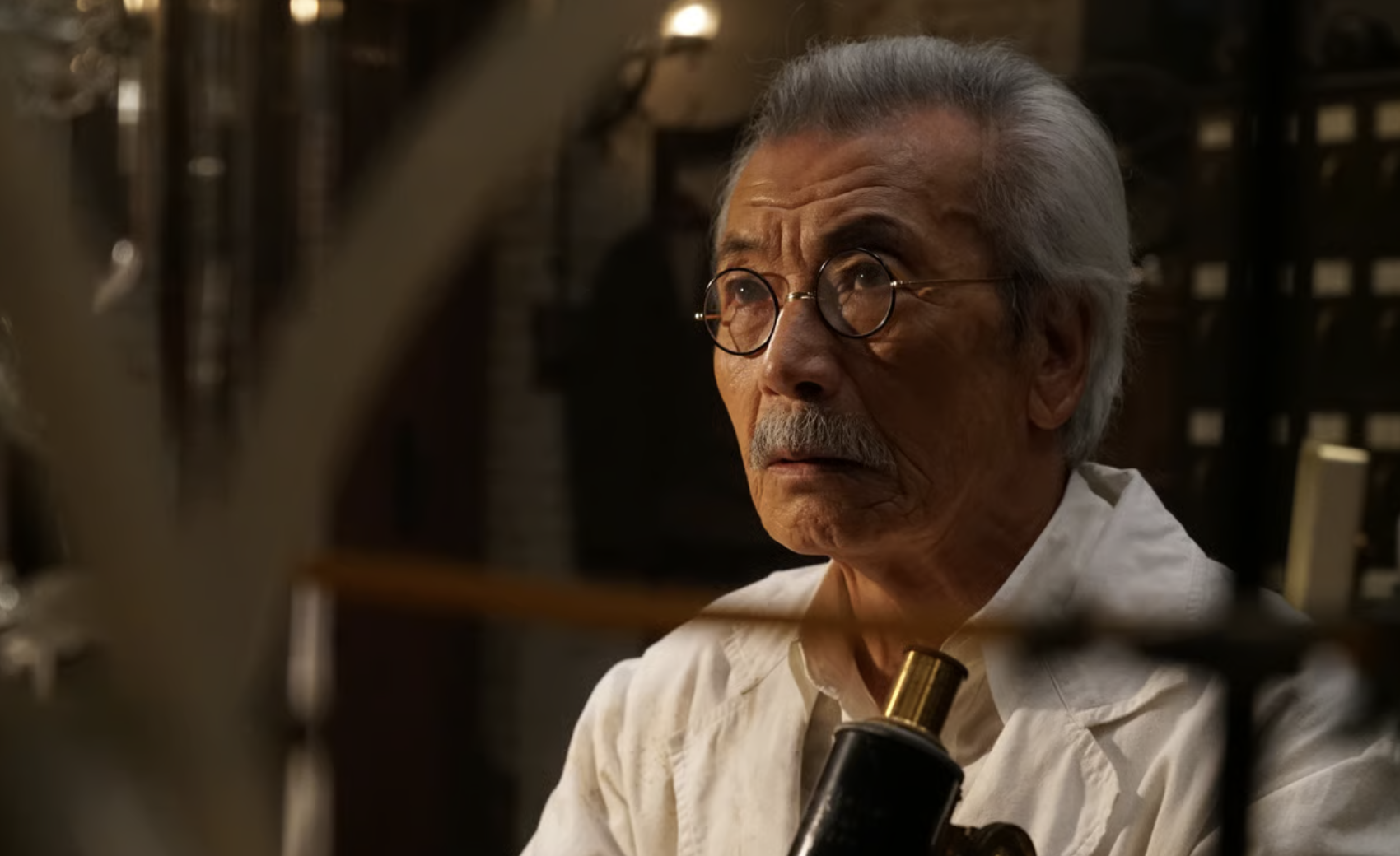
Kōzō Shibasaki’s cinematography is equally stunning. There are some breathtaking aerial shots that really capture the tremendous scale of the monster wreaking havoc on the city, as well as the devastation left in its wake. He also incorporates a few instances of black-and-white photography, which gives certain moments an almost dreamlike or archival quality. The warm color palette makes the postwar setting feel even more authentic, as if we’re looking back on a moment in history. That golden hue also contrasts with the blue glow of Godzilla’s atomic breath. Throughout film history, Godzilla has often represented nuclear warfare and the devastation it causes. The warm, golden colors evoke the idyllic life that existed before the war, the way of life that these characters are trying to rebuild, while the cold blue radiating from Godzilla serves as a stark reminder of the destruction that shattered it.
Source: GKIDS Films
Naoki Satō’s score is masterful and epic. It always feels like it’s building toward something impactful. At one point, an alarm sound transitions seamlessly into a melody. At times, it feels foreboding, ominous, and haunting, reflecting the ever-present threat of attack. Yet during the smaller moments between the Shikishima family, it becomes much more gentle and tender. The music for Godzilla’s theme feels just as massive as the titular character. The sheer power of all those instruments performing together adds to the feeling that we’re watching something larger than life.
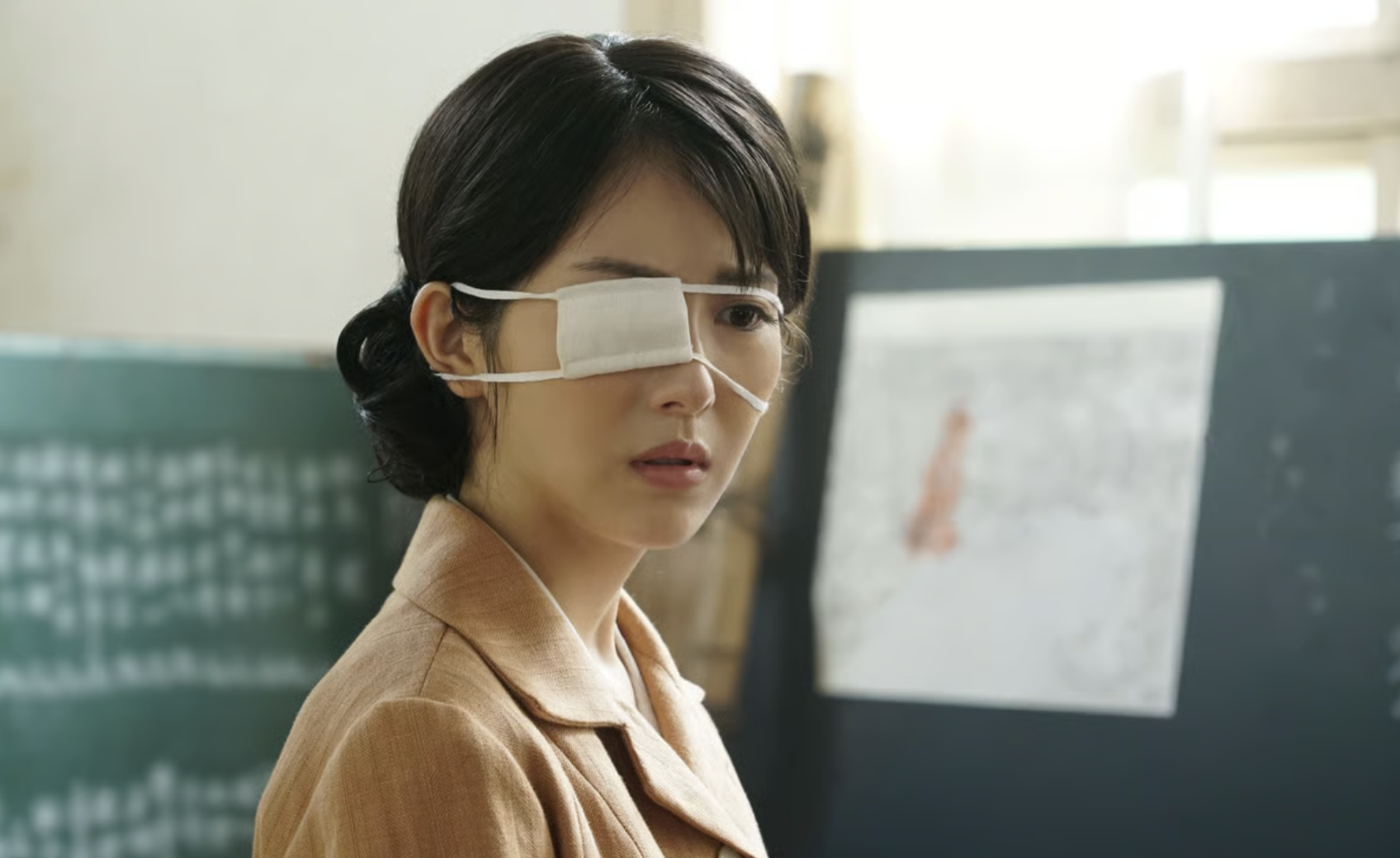
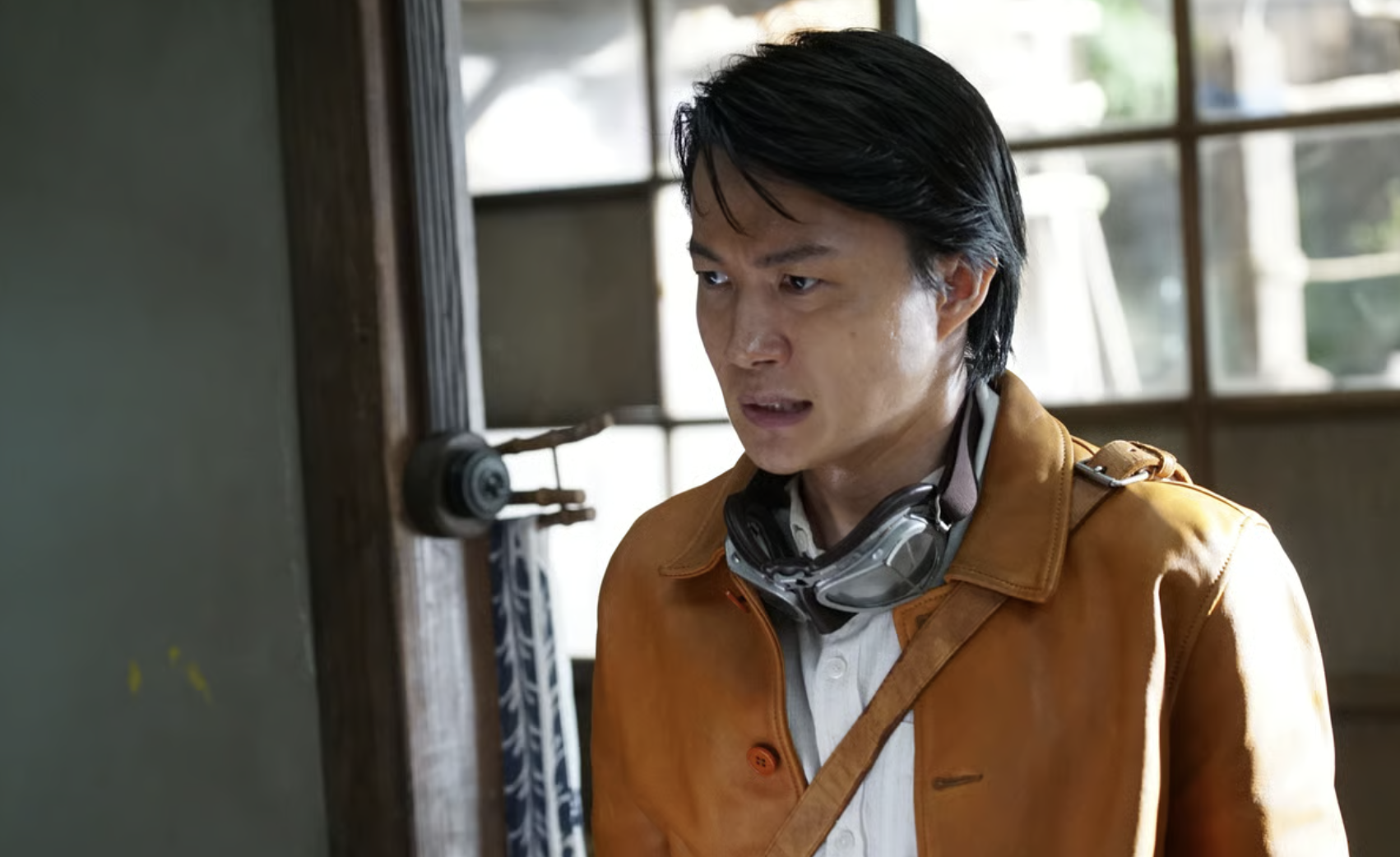
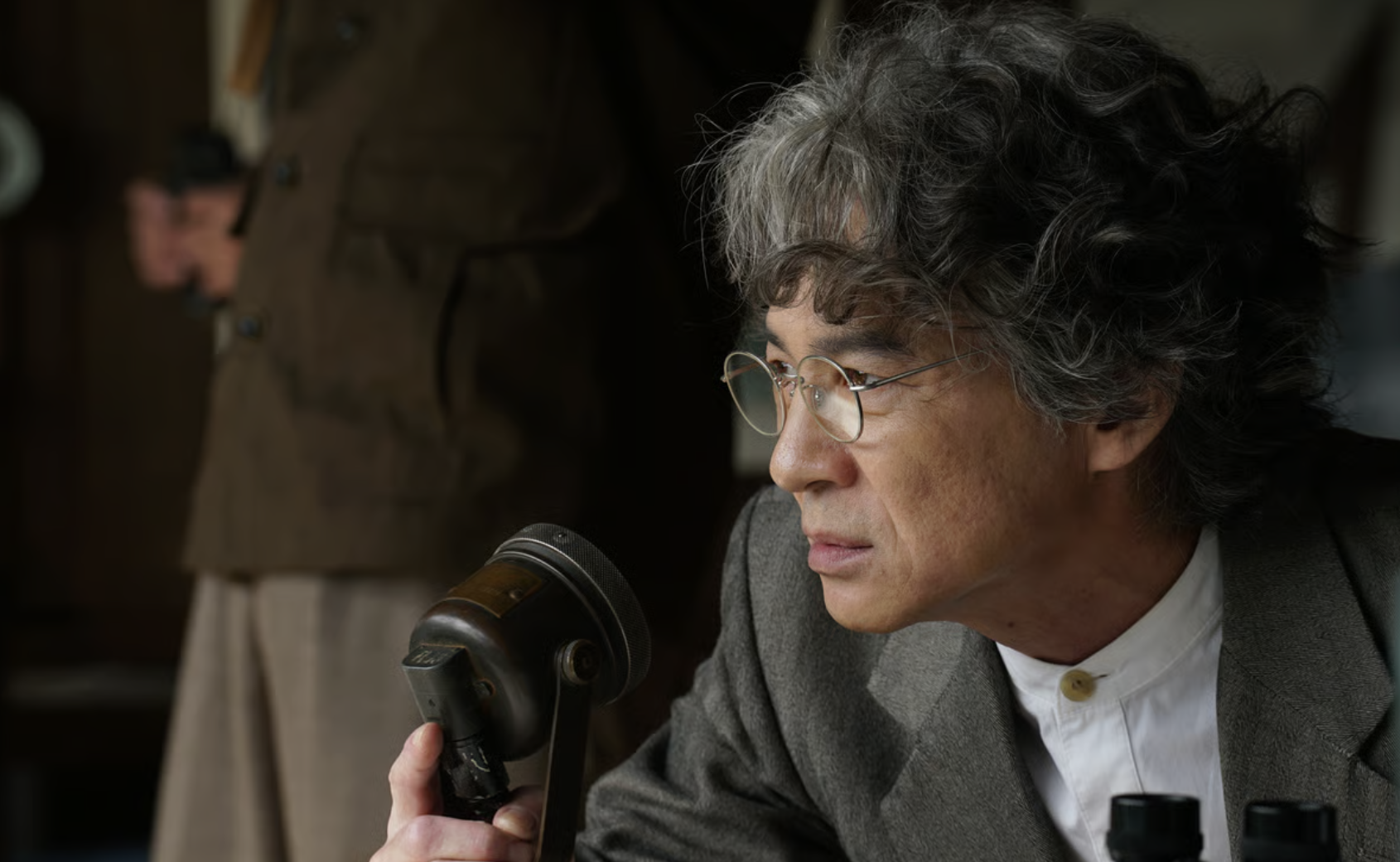
The performances from Ryunosuke Kamiki, Minami Hamabe, and Sae Nagatani as the Shikishima family are the heart of the film. They make it easy for the audience to care about these characters and feel invested in what happens to them. They already excelled at that in the previous film, but here, it’s clear that the family is still recovering from the trauma of those events, making their lives and emotions feel much more fragile. The new threats in this film raise the stakes even further, as if in an instant, they could lose everything they’ve worked so hard to rebuild. The combination of strong performances and a well-written screenplay allows us to feel the love between these characters. Kōichi and Noriko are deeply devoted to doing whatever they can to protect their daughter, while Akiko’s love for her parents is accompanied by an understandable fear of losing them. The little moments of affection, worry, and vulnerability make the family feel real, while the danger they face feels intensely personal.
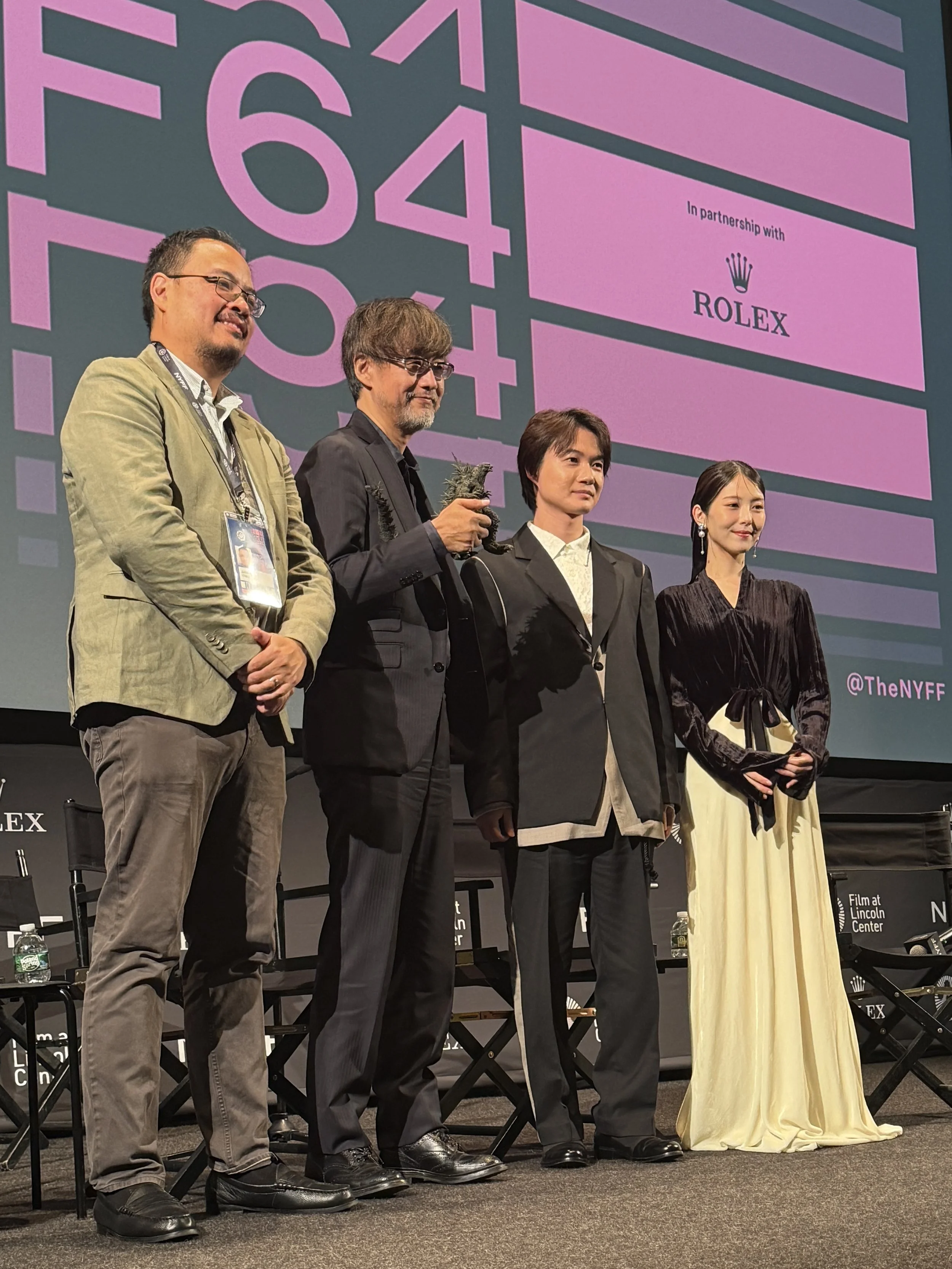
Takashi Yamazaki, Ryunosuke Kamiki, and Minami Hamabe at the New York Film Festival press conference
Without revealing too much, Godzilla Minus Zero introduces a new element to the Godzilla lore that I’ve never seen explored before, adding another layer of symbolism and subtext to the story. Most Godzilla sequels simply feel like they’re trying to up the ante from the previous film, but this one also deepens its meaning. By depicting these characters as they try to regain some semblance of normalcy, the film reflects how we cope with, process, and recover from trauma. It isn’t something that ever fully goes away, but rather becomes a fundamental part of who we are, something we learn to adapt to as we try to rebuild our lives.
In the end, Godzilla Minus Zero is everything I could have wanted from a follow-up to Godzilla Minus One. It manages to be bigger and more high-stakes without losing sight of the family at its center or the emotional core that made the first film so special. It builds on the strengths of its predecessor while introducing new ideas that give the story even more depth. Takashi Yamazaki once again proves that he knows how to strike the perfect balance between action-packed monster-movie spectacle and emotional family drama.
Godzilla Minus Zero had its world premiere at the 64th New York Film Festival on September 26, 2026. It will be released in Japan on Godzilla Day, November 3rd, and will be released theatrically in the United States on November 6th.
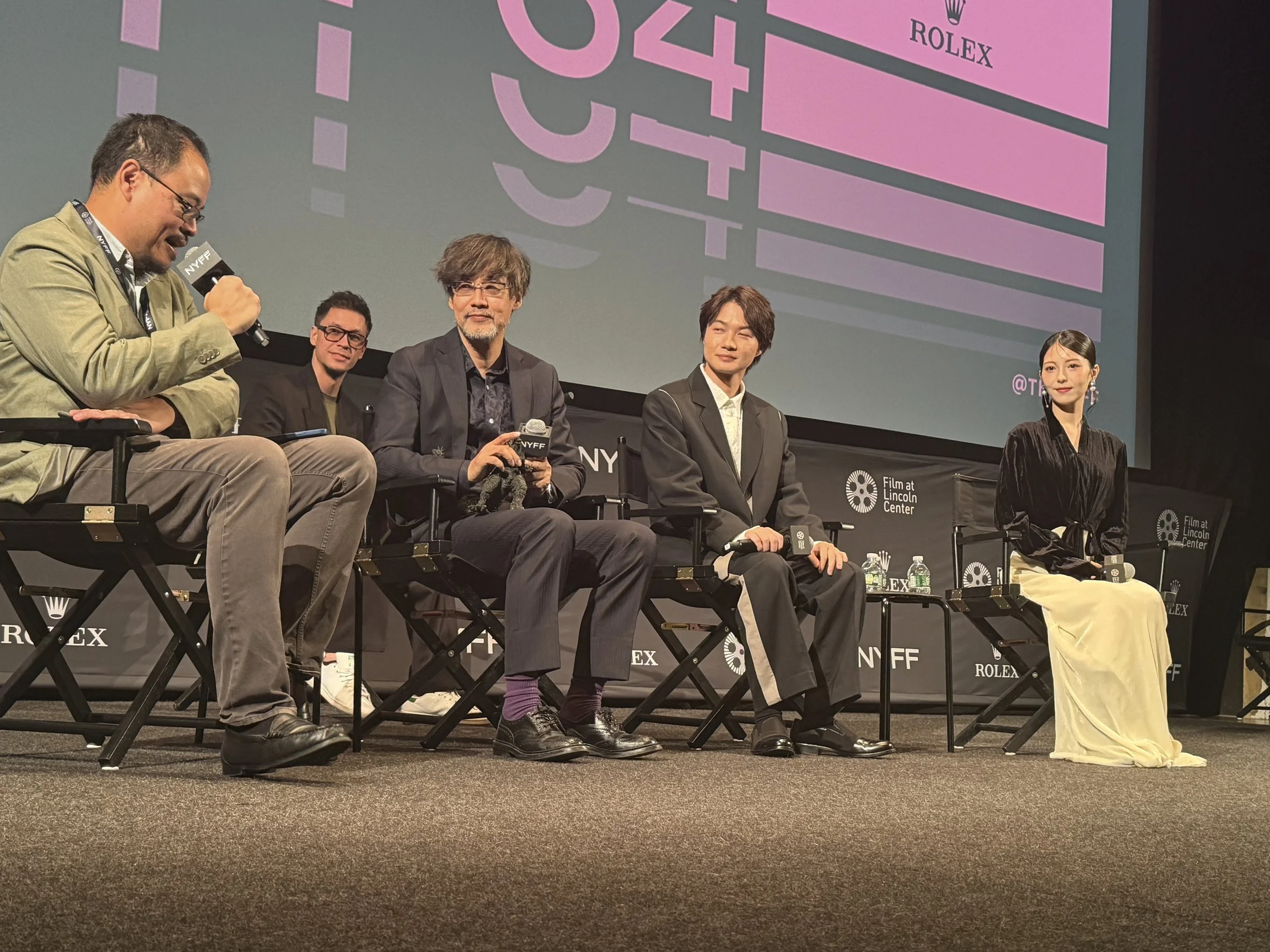
Takashi Yamazaki, Ryunosuke Kamiki, and Minami Hamabe at the New York Film Festival press conference