Rock Springs — Sundance Review
Source: Sundance
With her feature debut, Rock Springs, Vera Miao demonstrates a perceptive understanding that human history is a lot scarier than any monster. The ghosts that really haunt us are the atrocious acts of racial violence committed throughout human history. Rock Springs presents a bold, admirable vision, but the idea is far stronger than the execution.
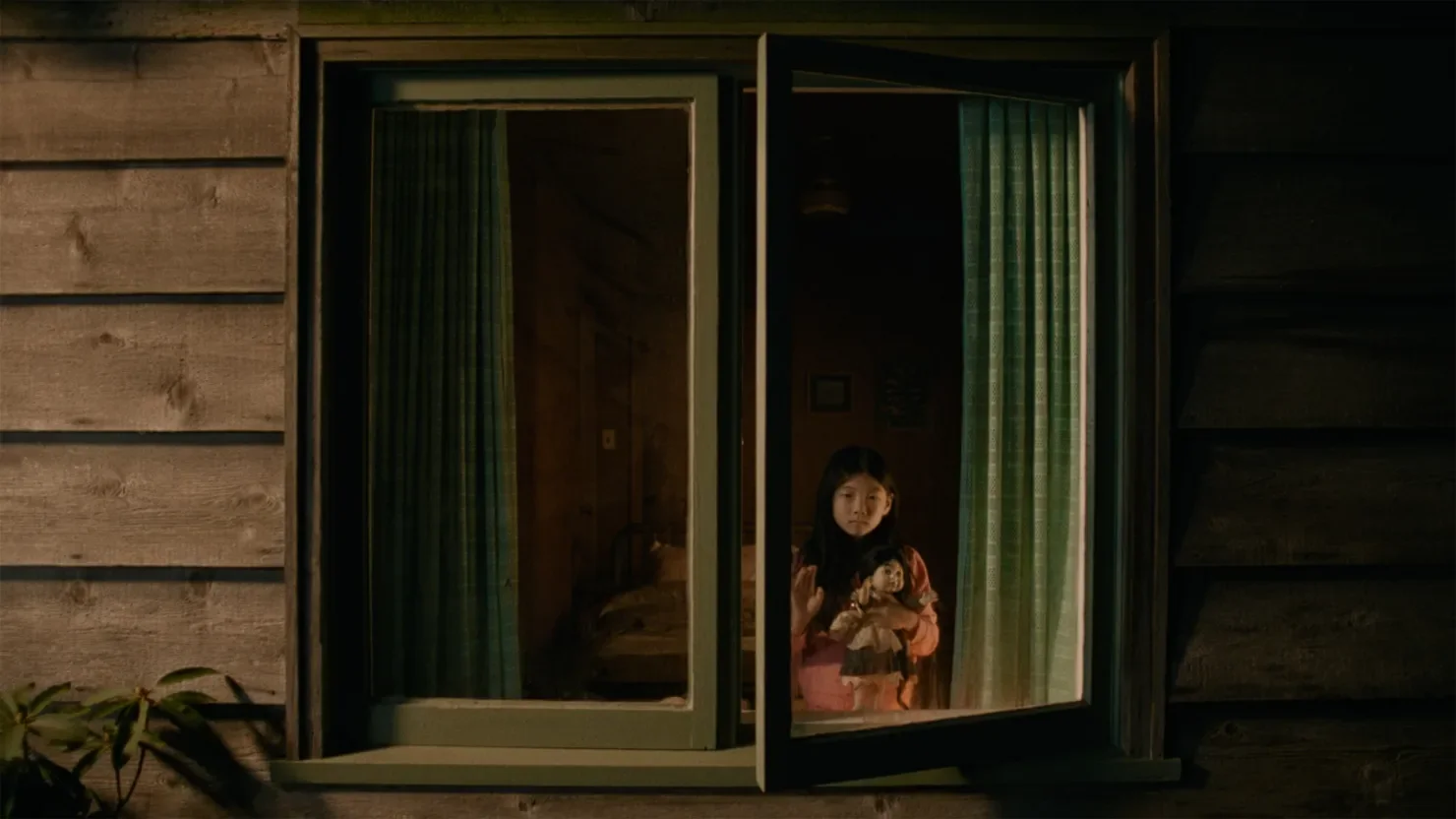
The film follows the recently-widowed Emily (Kelly Marie Tran) as she moves with her young daughter Gracie (Aria Kim) and her mother-in-law (Fiona Fu) following the death of her husband. Their new home is located in the eponymous Rock Springs, Wyoming. The production design and cinematography make the town feel drab and gray, establishing a sense of foreboding and creating an atmosphere of dread. It seems as though it’s shaping up to be a conventional horror film when Gracie starts playing with a creepy antique doll and gets pulled into the woods by a mysterious creature, but that’s the precise moment that the film shifts in a whole new direction.
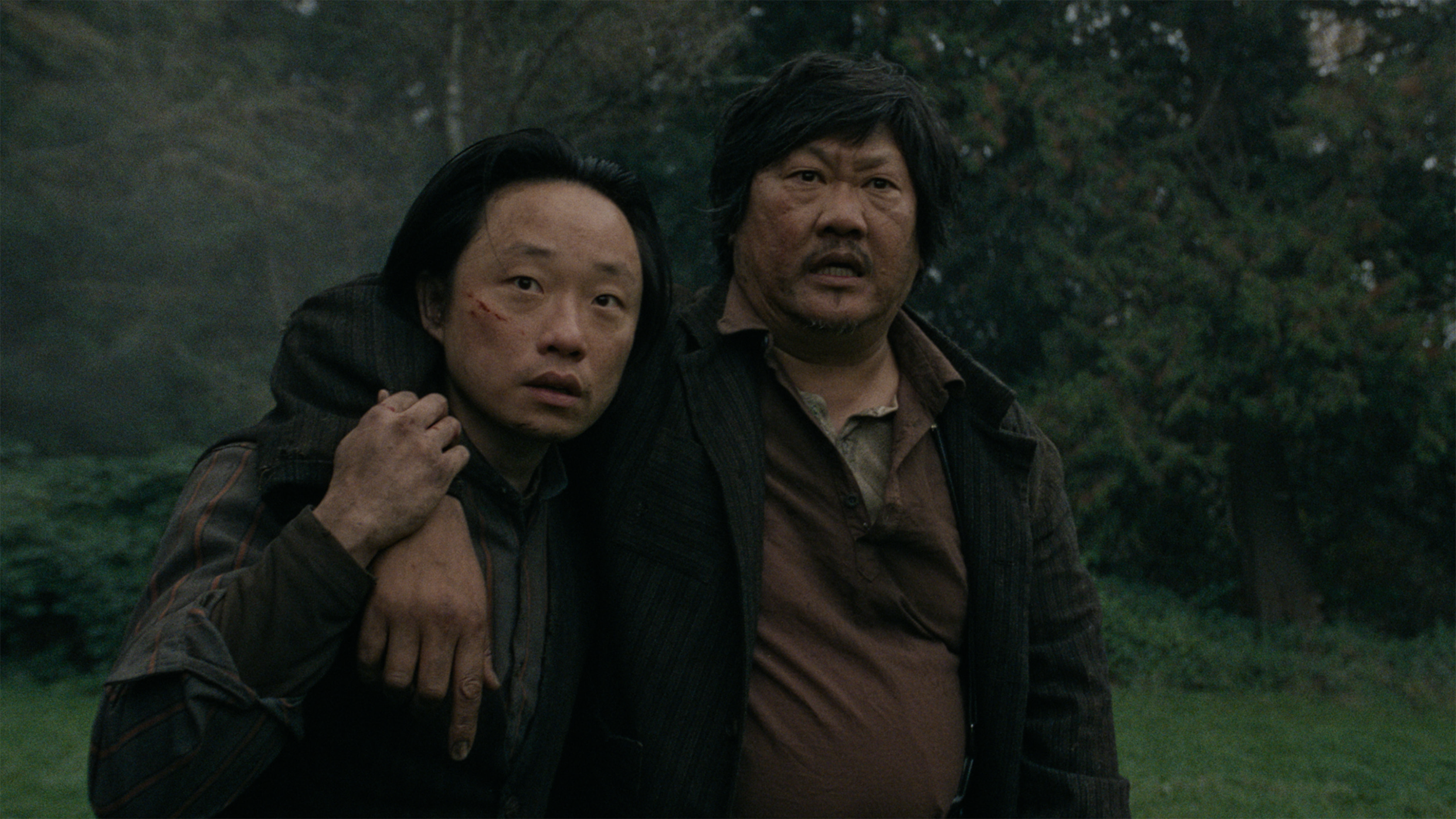
Just as Gracie appears to go missing, the film cuts to a new chapter and jumps back in time to depict the Rock Springs massacre of 1885. On September 2nd that year, a group of white coal miners and townspeople brutally attacked and murdered immigrant Chinese miners. This sequence of the film is anchored by an emotional performance from Benedict Wong. The decision to shift the film’s focus to historical violence is what makes Rock Springs stand out from the myriad of horror films and results in the most impactful segment of the film.
Source: Sundance
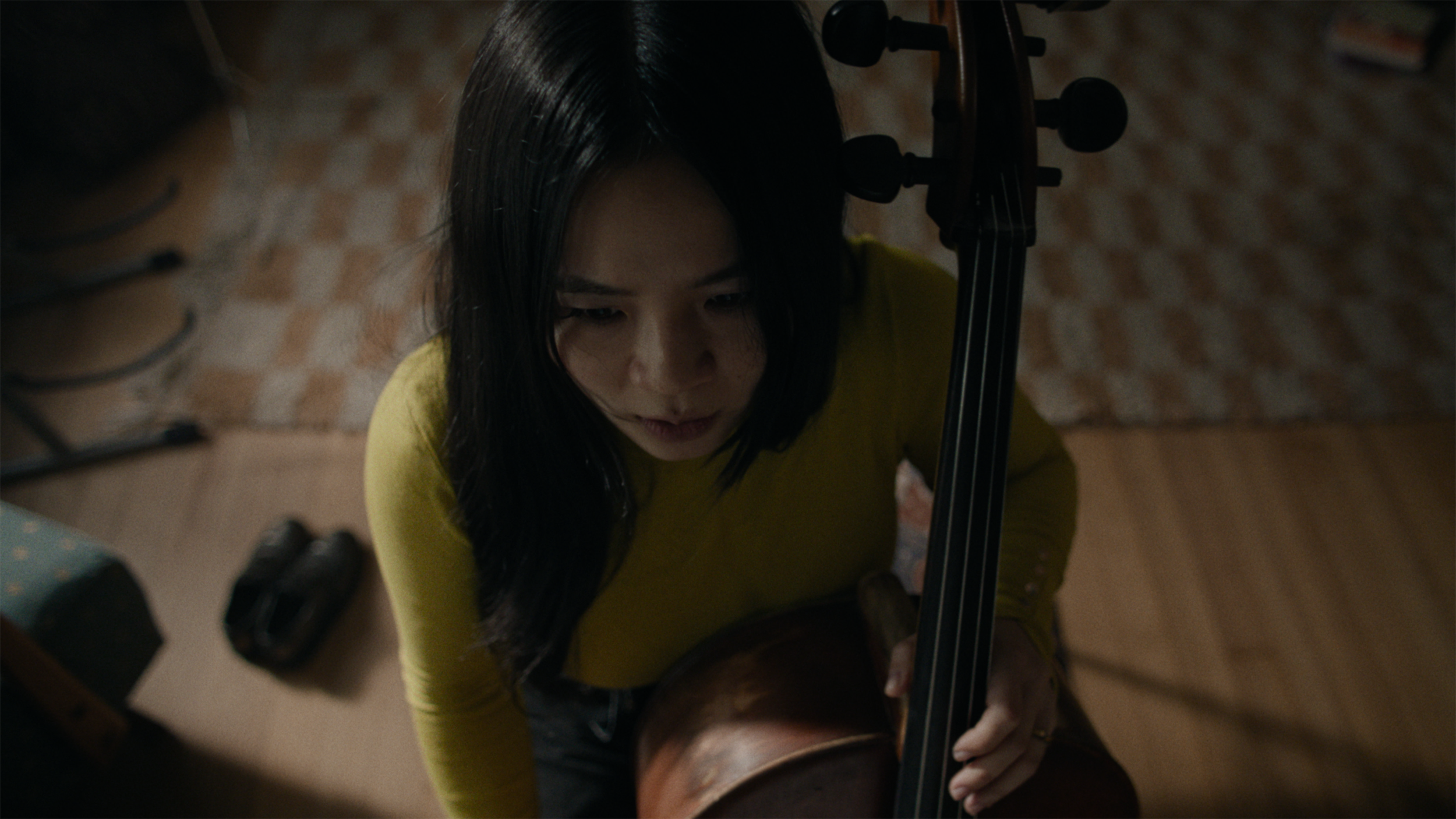
Vera Miao successfully creates a horror film that’s atmospheric and eerie. Heyjin Jun’s cinematography often implements fisheye or wide-angle lenses to generate a feeling of unease and apprehension. Robert Aiki Aubrey Lowe’s score adds to the tension and mirrors Emily’s cello playing. Ominous whistling can also frequently be heard throughout the film, which not only enhances the eerie atmosphere but serves a narrative function as well.
Structuring the story into three chapters causes the film to feel fractured. Despite the obvious connections between them, the ideas presented never fully homogenize. There’s a potent statement lurking beneath the surface about the painful ways the past seeps into the present, but it’s overshadowed by attempts to perpetuate traditional horror tropes, from monsters to ghosts. Those attempts fail to scare as much as the historical violence represented in the second chapter.
Source: Sundance
In the end, Rock Springs is an ambitious feature debut from Vera Miao—a ghost story about grief and inherited trauma. The film stands out for the way it utilizes the horror genre to shed light on one of the most horrifying acts in American history: the Rock Springs massacre. It delivers a powerful statement about racial violence and reminds us that human beings are far scarier than any monster, and that racial violence will haunt us far more than ghosts ever could. Unfortunately, the film feels too disjointed to be truly effective.
Rock Springs premiered at the Sundance Film Festival on January 25, 2026.