The Devil Wears Prada 2 — Review
Source: 20th Century Studios
As someone who’s spent most of her career working as a writer and is obsessed with movies, I couldn’t help but notice a recurring trend throughout the 2000s: the protagonists of so many movies—especially rom-coms—were writers, journalists, or worked for magazines. These characters did work they were proud of and somehow managed to afford lavish apartments in New York City, making journalism seem like the dream job. Even when The Devil Wears Prada (2006) pulled back the curtain on how exhausting and demanding that world could be beneath all the glamour, it still made surviving in the Big Apple on an assistant’s salary at a fashion magazine seem plausible. But perhaps times were different then.
I’ve discussed at length my own experiences with the current job market and how companies are constantly downsizing and conducting layoffs. So when I rewatched The Devil Wears Prada in anticipation of its sequel, it reminded me of a simpler time—back when a career as a writer seemed sustainable. I found myself wondering how this movie could possibly work today. Hardly anyone reads magazines anymore, and most publications have pivoted to digital, which means fewer jobs. Moreover, in a city like New York, rent prices continue to skyrocket while salaries seem to be plummeting. All of which raises the question of what a modern version of this story could realistically look like.

Source: 20th Century Studios
When the sequel was first announced, many were quick to label it a cash grab or nostalgia bait—an understandable reaction, given how often sequels, remakes, and reboots simply rehash the original story. However, a straightforward retelling of the first film’s narrative was never really an option for The Devil Wears Prada 2, in light of how much the industry has changed over the last two decades. So I was relieved to discover that David Frankel’s film doesn’t take the easy way out. Aline Brosh McKenna’s screenplay addresses the current state of journalism, and that’s precisely what makes this one a story worth telling.
Source: 20th Century Studios
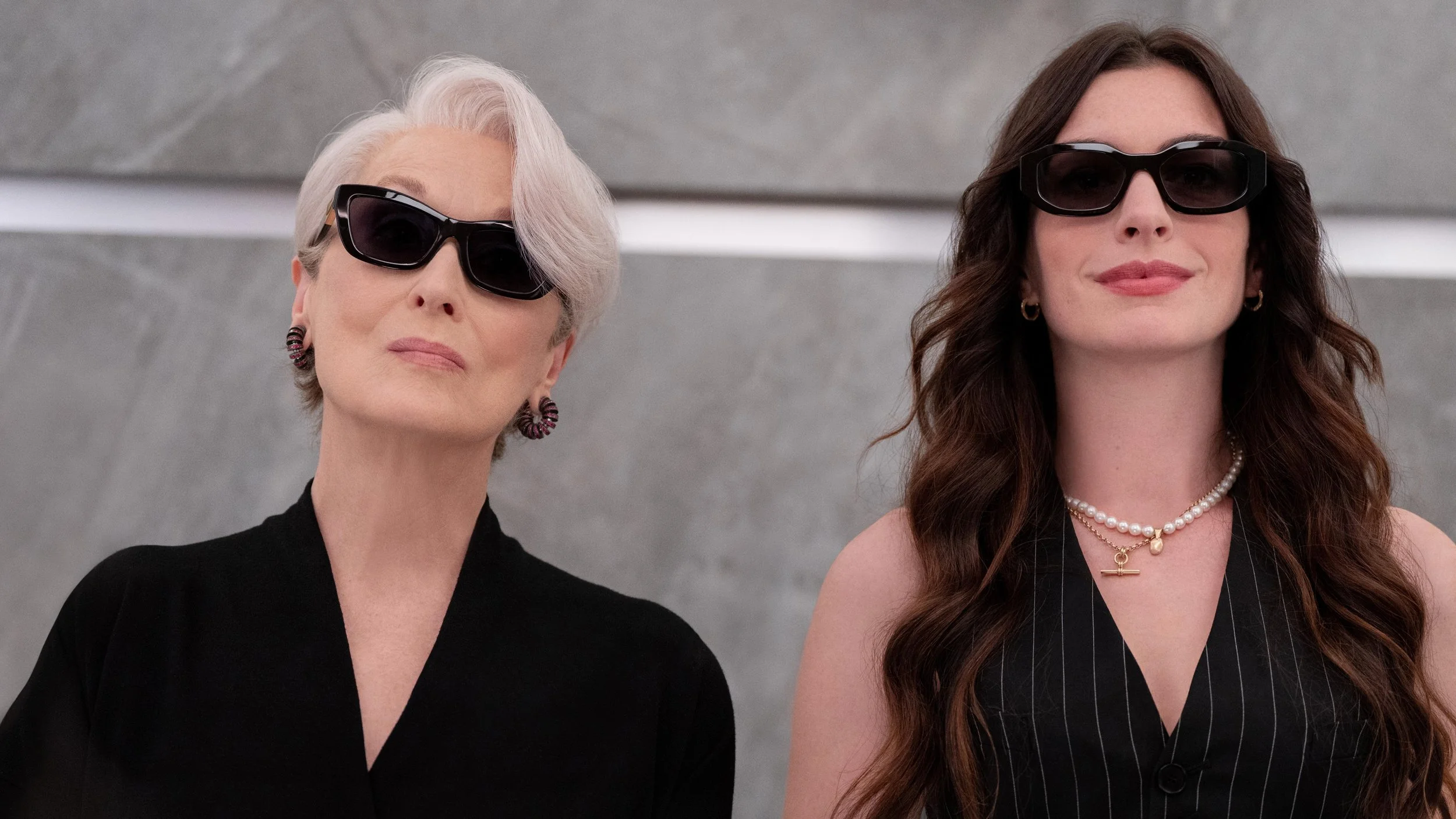
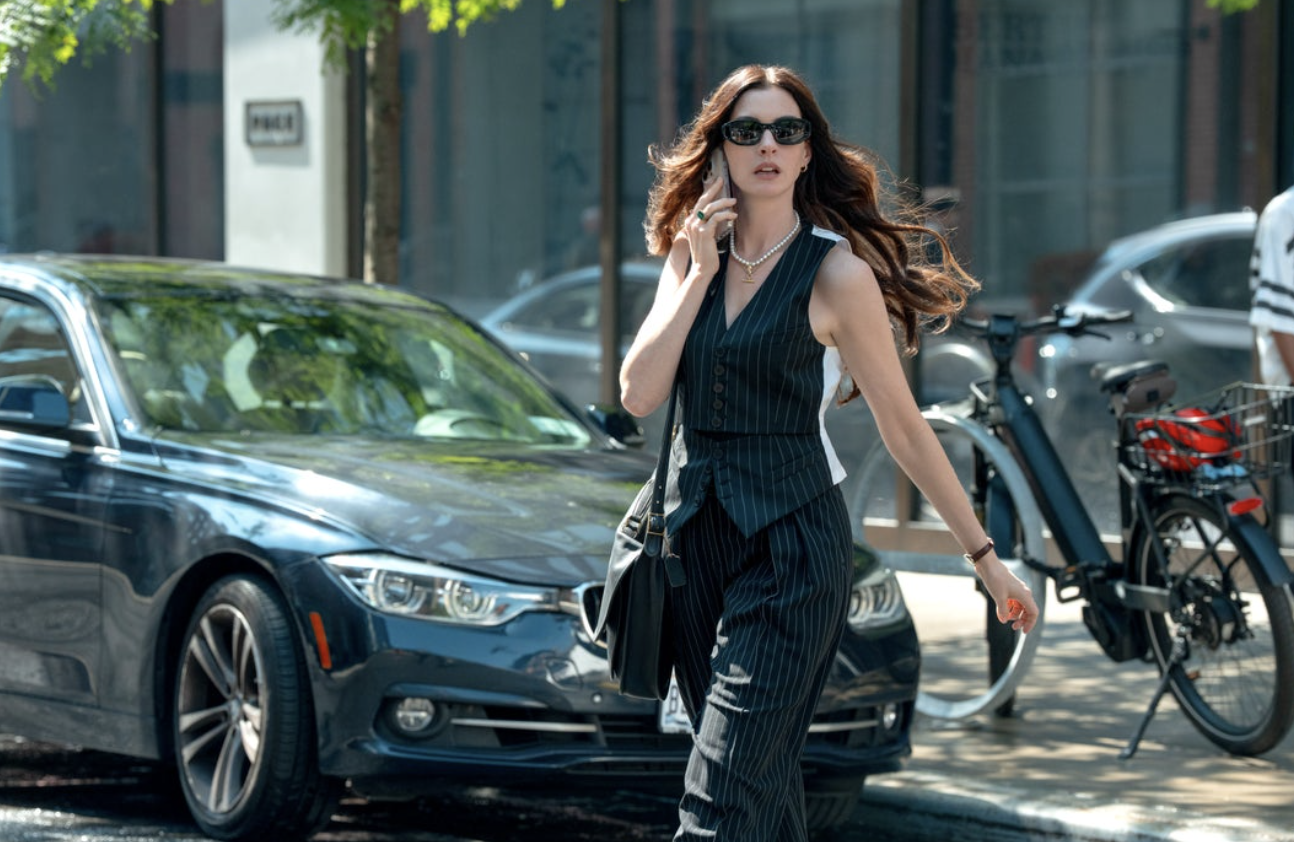
The Devil Wears Prada 2 picks up in real time, 20 years after the first film, with Andy Sachs (Anne Hathaway) now working as a successful journalist. Now, if you’re like me, you’re probably already thinking that a “successful journalist” in 2026 feels, at best, slightly improbable. In fact, even Andy’s supposedly rundown apartment—where she has to repeatedly hit the faucet just to get clear running water—feels surprisingly generous for someone on a journalist’s salary. Nonetheless, the film fully leans into the precariousness of modern journalism. In the opening scene, just as Andy is about to receive an award for her work, she and her coworkers are informed via text message that they’ve been laid off. Andy subsequently delivers a heartfelt speech about how journalism still fucking matters—making full use of the film’s single PG-13–permitted F-bomb.
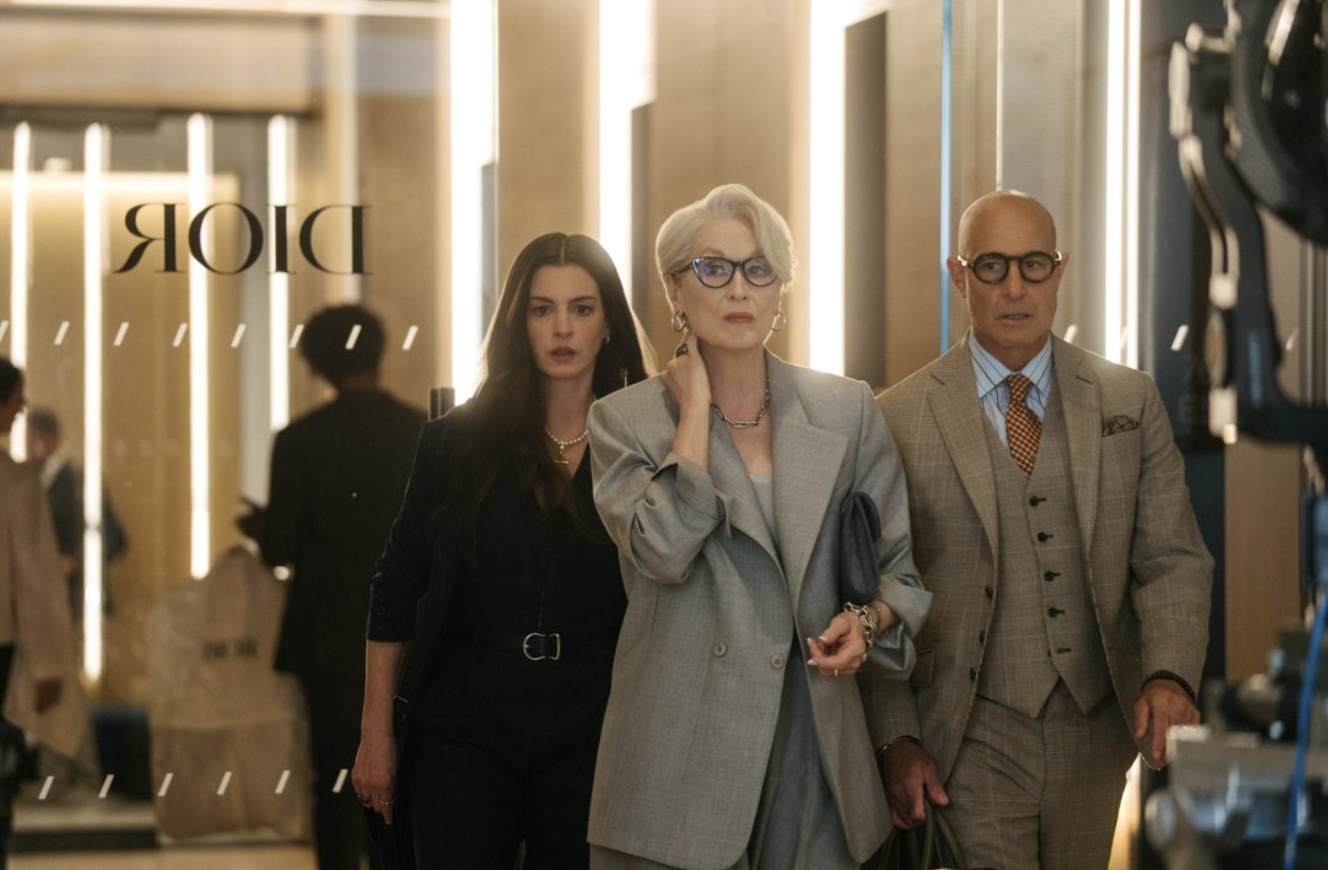
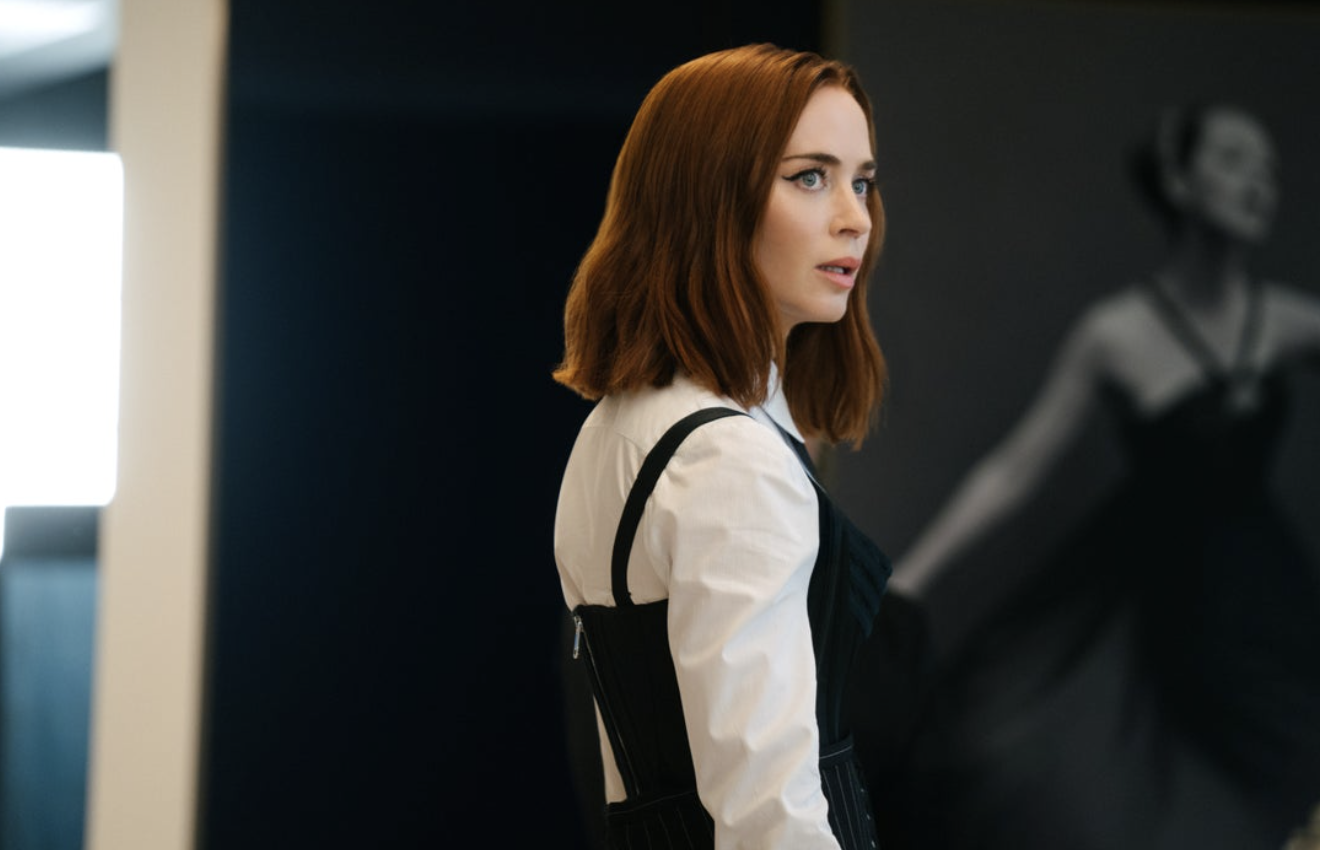
Meanwhile, Miranda Priestly (Meryl Streep) finds herself in hot water after unintentionally endorsing an unethical clothing brand. In an effort to salvage Runway’s reputation, the magazine’s chairman, Irv (Tibor Feldman), comes across Andy’s viral speech and offers her a new position as editor of the Features department. This brings Andy back into Miranda’s orbit, reuniting her with Nigel (Stanley Tucci) and Emily (Emily Blunt), who now works as a senior executive at Dior.
Source: 20th Century Studios
Even with Andy accepting a new job offer and making twice her previous salary, The Devil Wears Prada 2 still doesn’t shy away from portraying how volatile the publishing industry is today. Miranda notes that everything is online now—or “in the ether,” as she puts it—and that a successful article is measured in clicks. Runway now relies heavily on its advertisers, a shift that brings Emily’s role at Dior directly into play.
It’s refreshing to see the film acknowledge the current state of journalism and its impact on jobs. It almost induces the hope that maybe there are people out there who will still fight to keep modern media alive. Still, there’s an unshakable irony in the fact that this message is being delivered by The Devil Wears Prada 2, a film distributed by 20th Century Studios, a subsidiary of Disney—considering that Disney laid off 1,000 employees just two weeks ago.
Source: 20th Century Studios
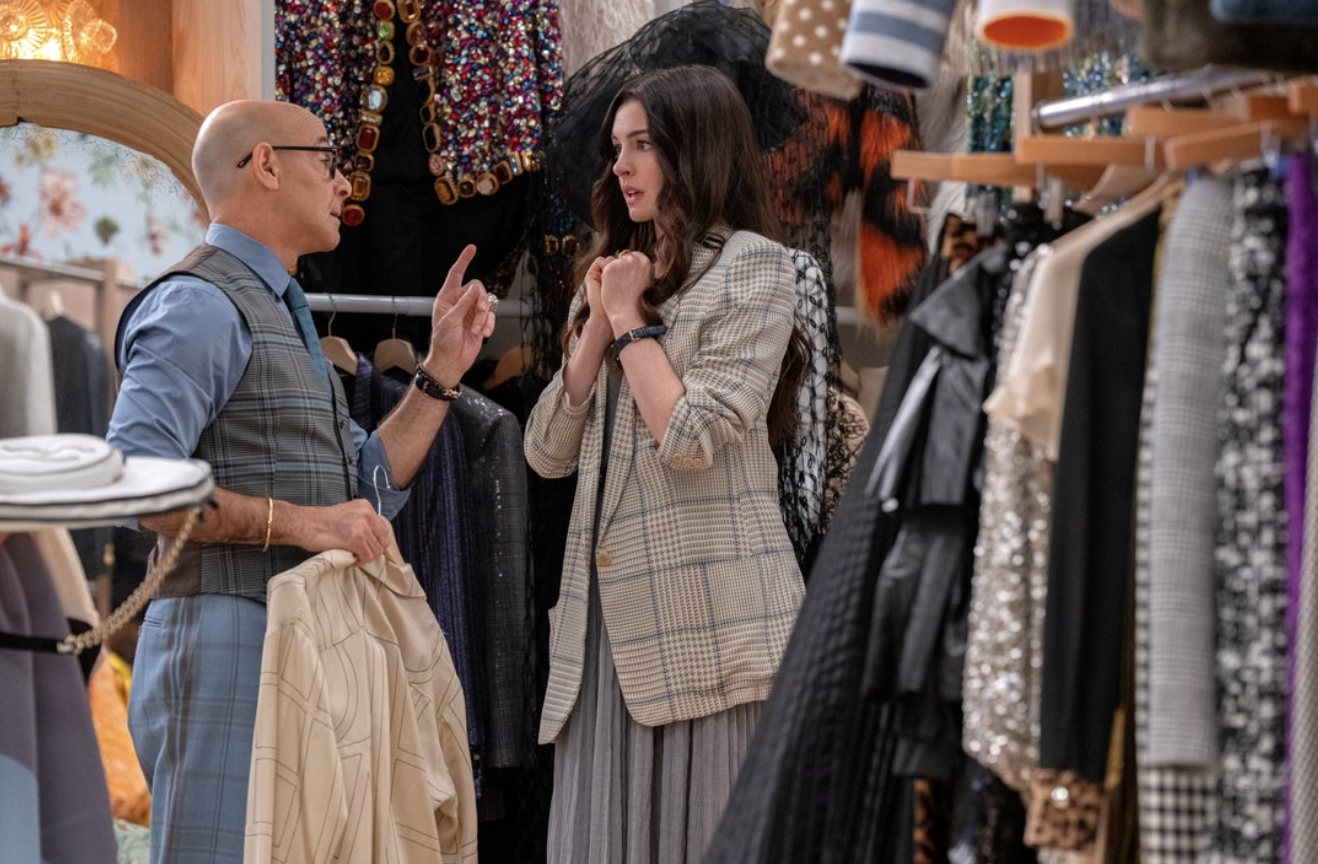
That tension between idealism and instability is reflected in both the film’s message and how its characters are written and performed. The four lead actors return to their roles with ease, preserving the defining traits of their original characters while subtly reflecting how they’ve changed over time. Andy’s work as a journalist has instilled in her a noticeable confidence compared to the first film, while Miranda seems ever so slightly less assertive after navigating an increasingly unstable industry that no longer bends as easily to her control. The new cast members also integrate seamlessly into this world, especially Simone Ashley as Miranda’s first assistant, Amari.
Source: 20th Century Studios
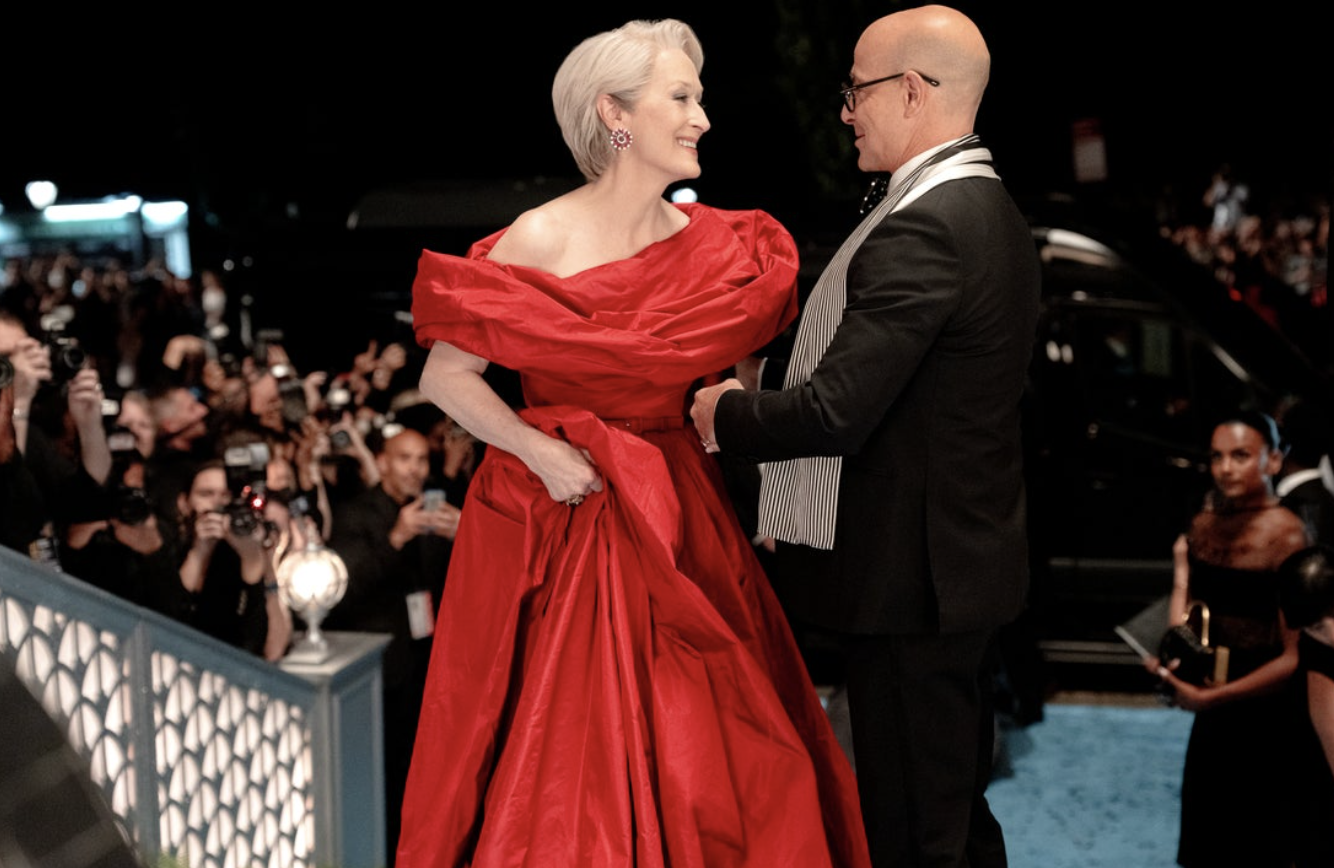
The cinematography and editing are weaker than in the first film, but The Devil Wears Prada was never defined by those elements, so it’s not a dealbreaker. There are a few scenes where the frequent cameos can feel excessive, though this arguably makes sense given Miranda’s extensive network of famous connections. The Devil Wears Prada 2 strikes the right balance between old and new, and the music is a clear example of that. Theodore Shapiro’s score and the film’s needle drops are delightfully nostalgic, while also incorporating new original tracks, such as Lady Gaga and Doechii’s “RUNWAY.”
The writing can be a bit cheesy at times, but some of those moments are comforting and carry sentimental value for diehard fans of the first film. Still, a few narrative beats are painfully predictable or feel overly contrived. Regardless, its flaws aren’t enough to detract from the film’s crowd-pleasing potential. The Devil Wears Prada 2 balances nostalgia with new ideas, familiar characters with fresh dynamics, and delivers a steady mix of humor and heart.
Source: 20th Century Studios
Overall, The Devil Wears Prada 2 succeeds because the screenplay focuses on how the characters have grown and how the industry itself has evolved, rather than simply replicating the original film’s storyline. Instead of pretending we’re still living in the same media landscape as 2006, it recognizes that the reality of the industry is a lot less glamorous and much more unstable than it once was. It isn’t as rewatchable or as quotable as its predecessor, but The Devil Wears Prada fans will likely walk away happy, basking in the opportunity to revisit these cherished characters. The sequel is messier and more uncertain, but that feels appropriate for a story set in an industry defined by the same qualities. It may not fully recapture the spark of the first film, but it feels both timely and satisfying, which is ultimately what makes The Devil Wears Prada 2 work.
The Devil Wears Prada 2 hits theaters on May 1, 2026.