Bucking Fastard — NYFF Review
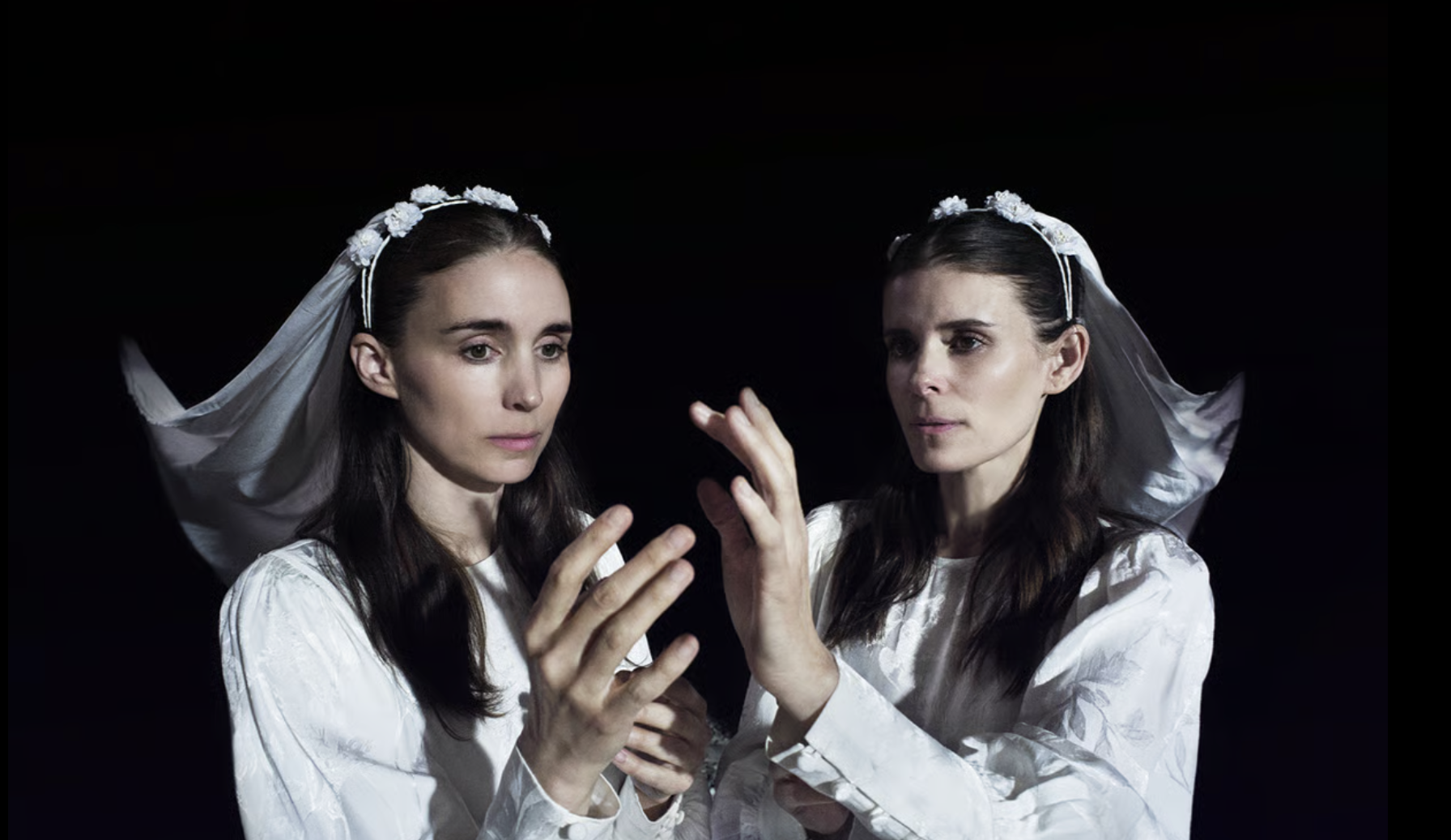
Bucking Fastard is one of the most unique films of the year and marks Werner Herzog’s first fiction film in seven years. It’s also destined to be divisive, as it follows a pair of sisters who walk, talk, and act in unison, which may be grating for some viewers. Yet beneath its awkward, absurd humor lies a touching story about love and empathy. At one point, a character remarks, “Everything in this world confuses me,” and audiences may leave with the same reaction to the film itself. However, much of the film follows the sisters as they dig a tunnel in search of a place where they can finally feel like they belong, and if audiences are willing to dig below the surface of the film itself, there’s a deeper, rewarding meaning to uncover.
The film begins with a dedication to David Lynch, but Herzog has stated that people “shouldn’t read too much into it.” Fans expecting something comparable to a David Lynch film should temper their expectations. However, as a huge fan of Lynch’s work, I genuinely believe he would have loved Bucking Fastard. The film tackles many themes that are prevalent in his work, including doppelgängers, duality, and identity. Yet while Lynch often uses surrealism to create a sense of dread and mystery, Herzog uses it to explore the strange ways people search for connection. Of Lynch’s films, Bucking Fastard is closest to Wild at Heart for its tenderness, and The Elephant Man for the way it explores empathy and how people treat those who appear different from them or whom they do not understand.
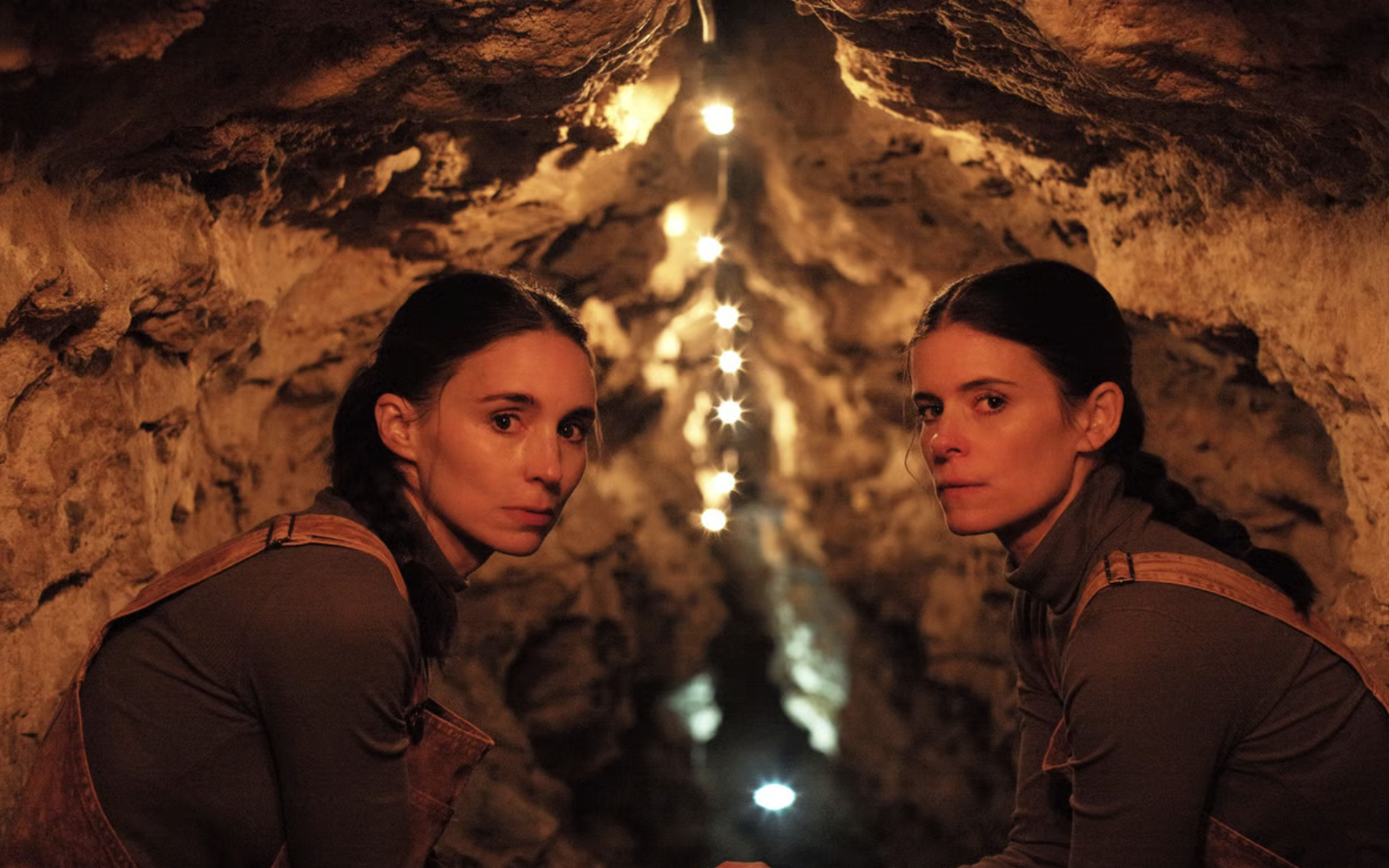
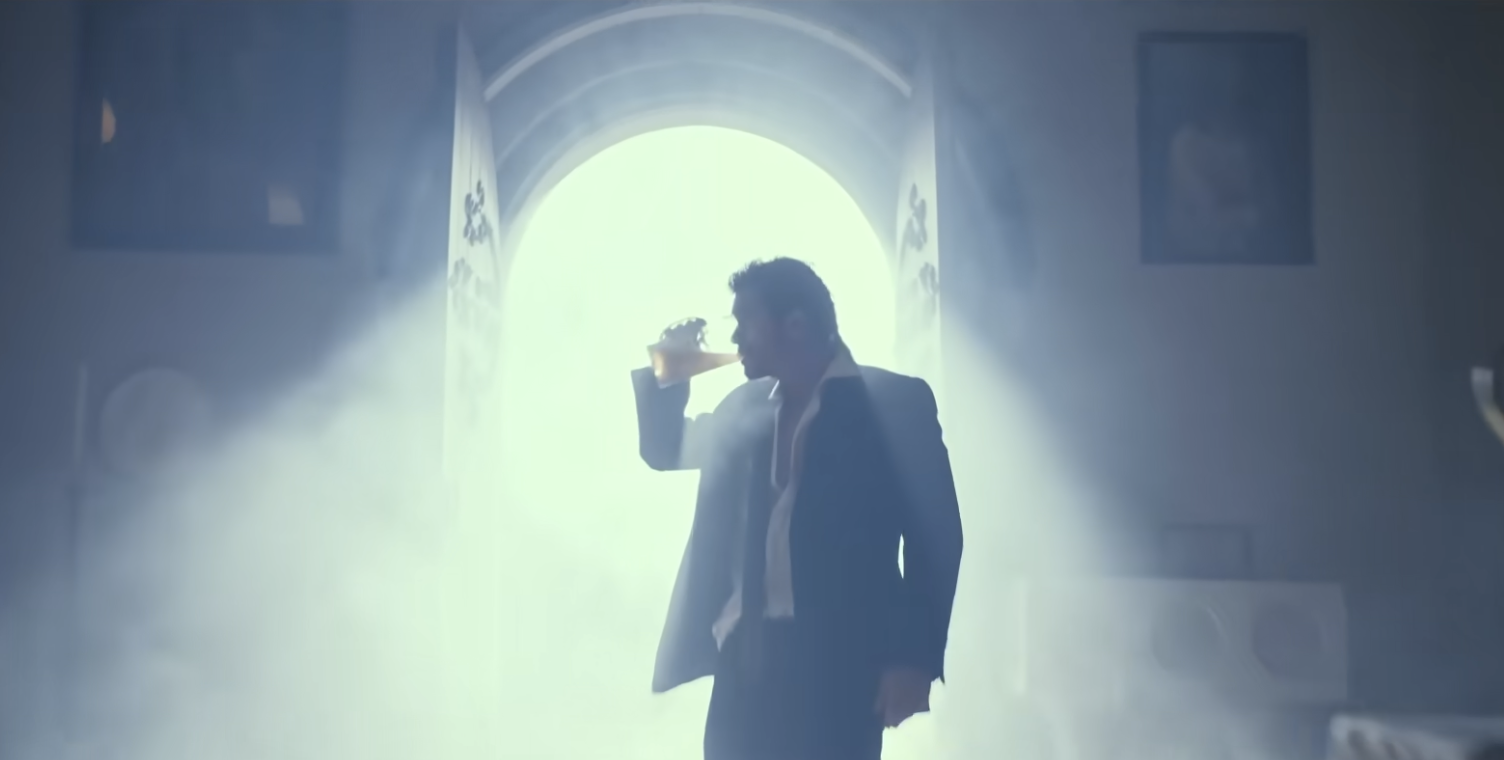
Loosely based on the lives of Freda and Greta Chaplin, the film centers on eccentric sisters Jean and Joan Holbrooke, played by real-life sisters Kate and Rooney Mara. They essentially act like one person rather than two separate individuals, much to the confusion of those around them. The title is even derived from a synchronized verbal slip the pair made in court. More than simply speaking in unison, they share the same dreams and even the same love interest, their neighbor Gareth (a hilarious Orlando Bloom). While Gareth is initially interested in the sisters for sex, he eventually decides to marry a woman named Gladys. Jean and Joan retaliate, prompting Gareth to take them to court to seek a restraining order.
On the surface, Bucking Fastard is amusing for its unique premise, peculiar humor, and phenomenally synchronized performances from the Mara sisters. Their deadpan line deliveries evoke Yorgos Lanthimos’s Dogtooth, while the echoing of lines calls to mind his short film, Nimic. Much of the humor comes from how committed Kate and Rooney Mara are to the sisters’ unusual mannerisms. Their bizarre behavior is funniest when contrasted with the increasingly bewildered reactions of those around them. Yet they also manage to convey a deep sadness and sense of loneliness lurking beneath their quirks as they ponder, “There must be a place for us somewhere.”
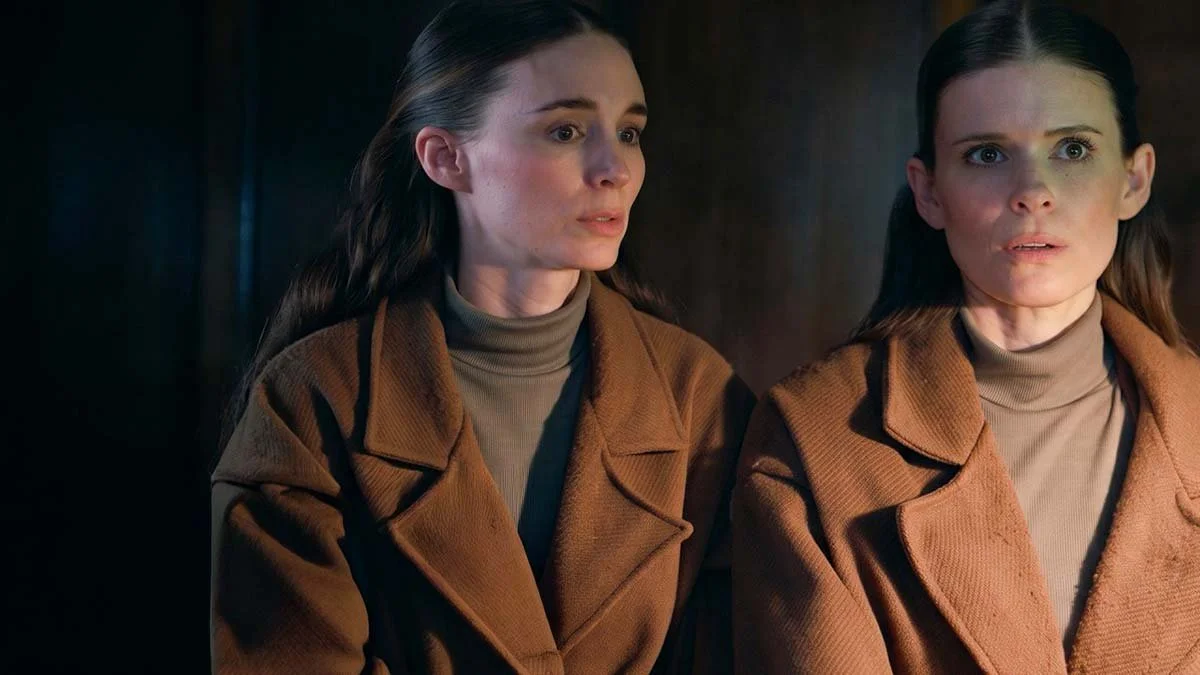
Initially, Bucking Fastard seems like a simple story about codependency, identity, and the desire to love and be loved. However, this is a film brimming with metaphors. The opening scene offers a major clue as the sisters discuss a shared dream involving birds screeching with cages scattered left and right. The sisters themselves are essentially birds in a cage. The entire film captures how people react to these women whom they do not understand. Some characters sexualize them or try to take advantage of them. Others, such as Timothy (Domhnall Gleeson), try to help them learn how to be independent. Meanwhile, the media treats them like a spectacle. Everyone wants them to be a certain way, to fit a certain mold. People don’t like what they cannot understand, so they want to be able to neatly define these women and shove them into a category that makes sense to them. They want to keep them contained, like birds in a cage.
Herzog once again collaborates with composer Ernst Reijseger, whose elegant score beautifully complements the film’s whimsical tone. The varied instrumentation makes the film feel almost like a fairytale, with melodies that are sometimes dreamy and playful and other times more melancholic. Another frequent Herzog collaborator, cinematographer Peter Zeitlinger, shot the film. His cinematography highlights the sisters’ similar mannerisms through tightly framed shots. His landscape photography captures the beauty of the Irish countryside, further adding to the film’s fairytale-like atmosphere.
Bucking Fastard is a wonderfully weird entry to Werner Herzog’s filmography and a comical showcase for the Mara sisters’ talents. It’s one of the year’s most original films, blending awkward humor, hints of surrealism, and surprising emotional depth to tell this story of two unconventional women looking for a place where they belong. Like the sisters themselves, the film refuses to fit neatly into any one category. It’s absurd, funny, sweet, delightful, and oddly devastating. It’s an endearingly eccentric film about empathy and learning to embrace the things—or people—that we don’t understand. Bucking Fastard definitely won’t work for everyone, but there’s a lot going on beneath the surface for viewers willing to dig deep enough. As the sisters themselves say, “Everybody should dig a tunnel through a mountain.”
Bucking Fastard will screen at the 64th New York Film Festival on September 30, 2026.