Paper Tiger — NYFF Review
Source: Neon
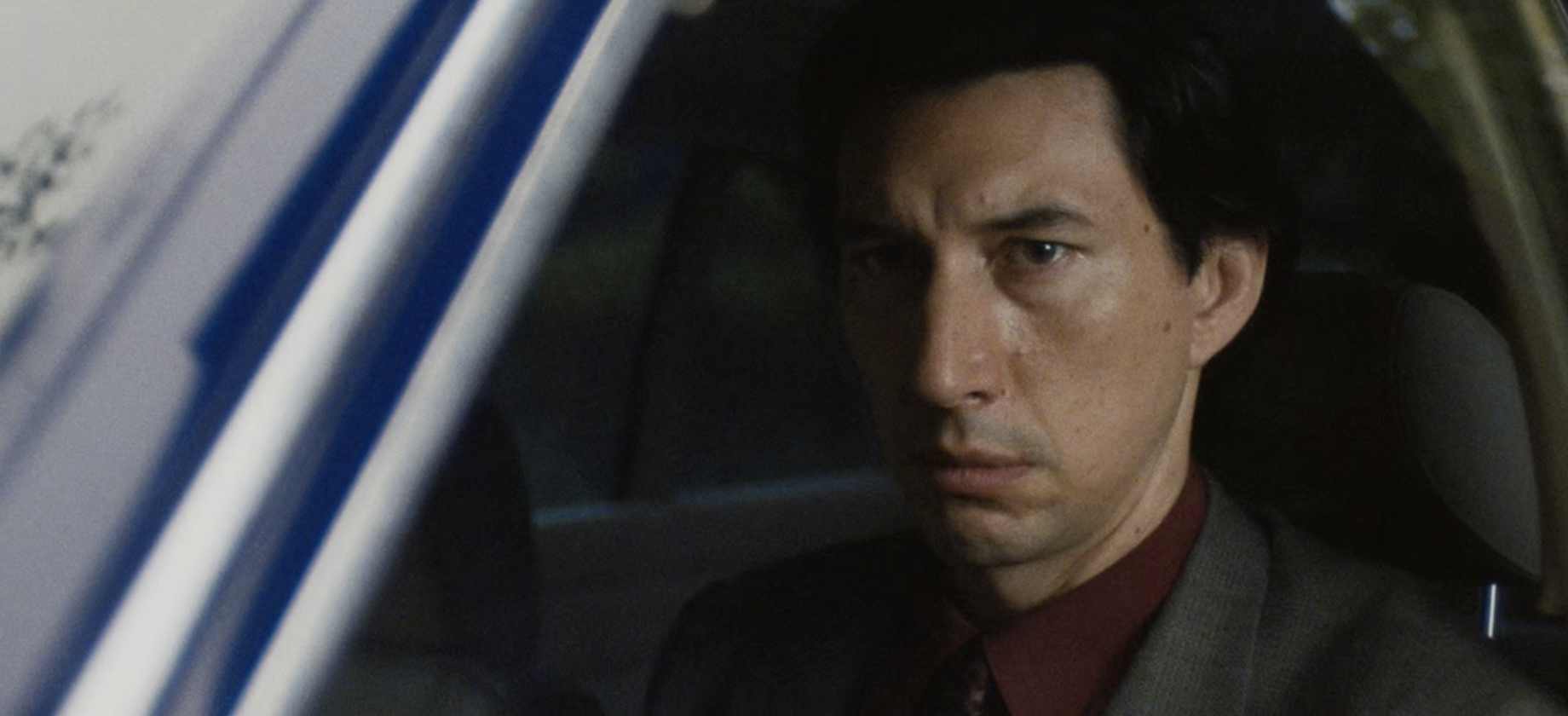
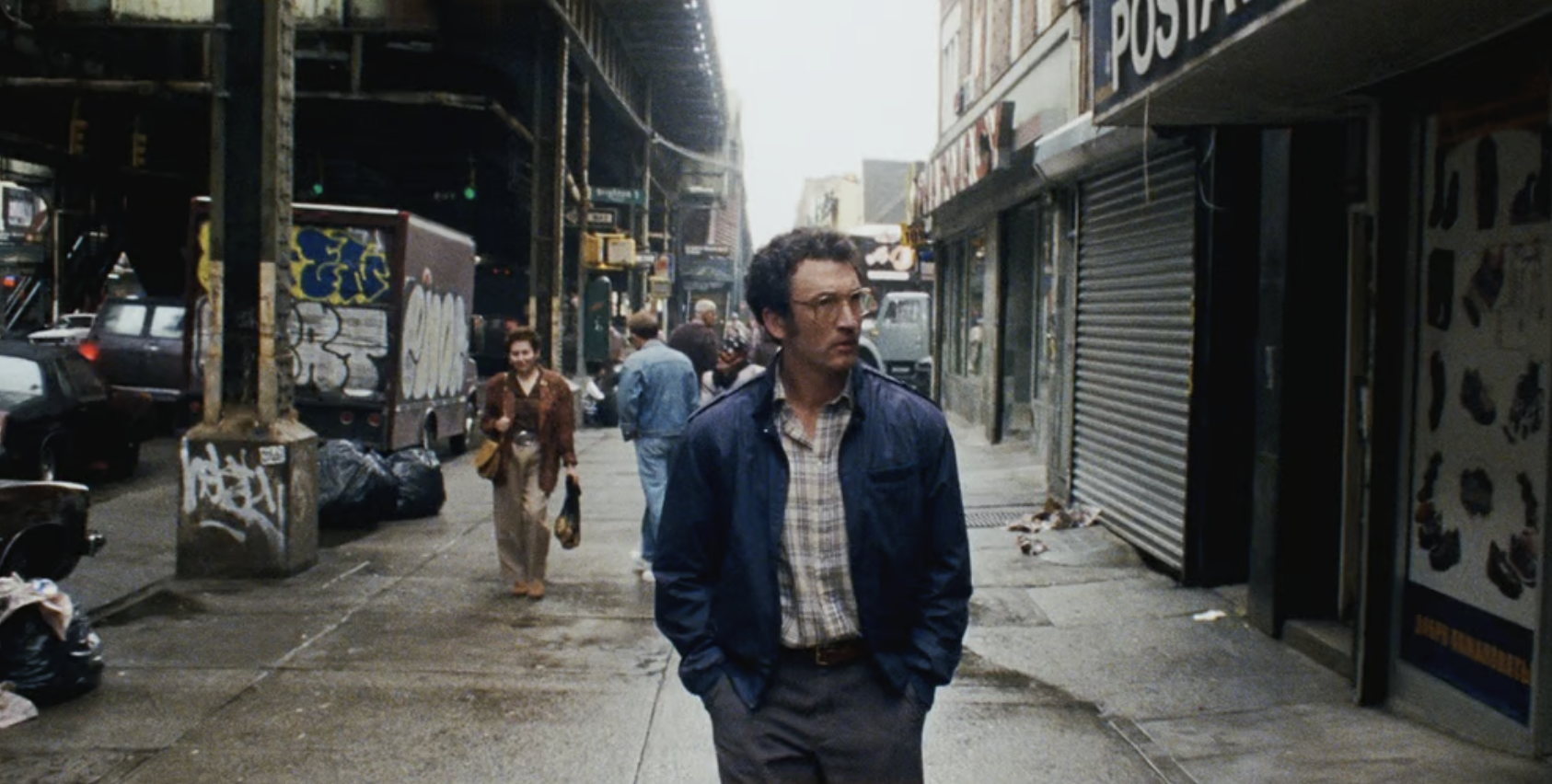
James Gray’s latest film, Paper Tiger, opened the 64th New York Film Festival. Like his previous film, 2022’s Armageddon Time, it’s another immensely personal story, drawing from fragments of the director’s own childhood. Set in New York City in 1986, the film feels particularly at home at NYFF, capturing the look, texture, and atmosphere of the city during that time period.
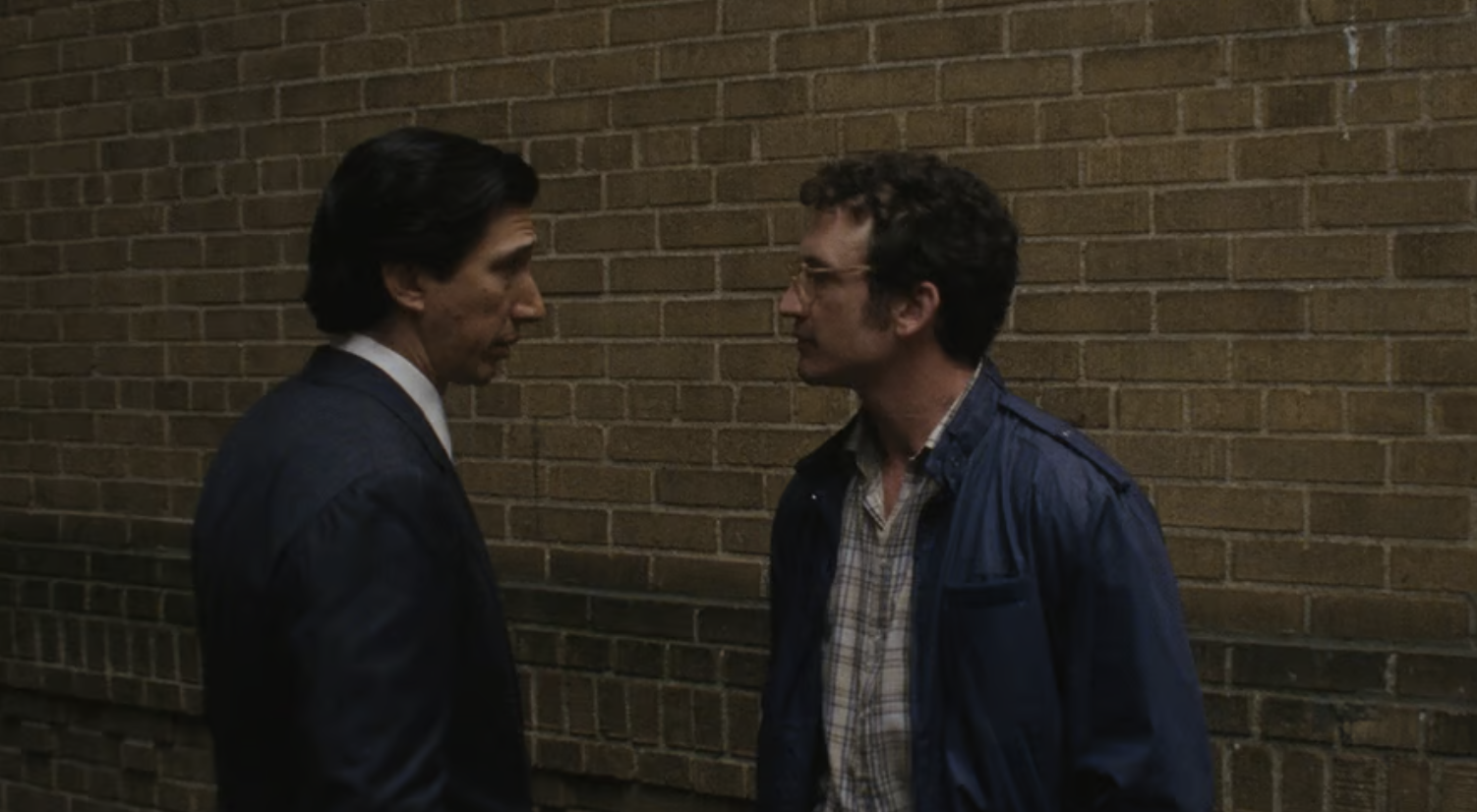
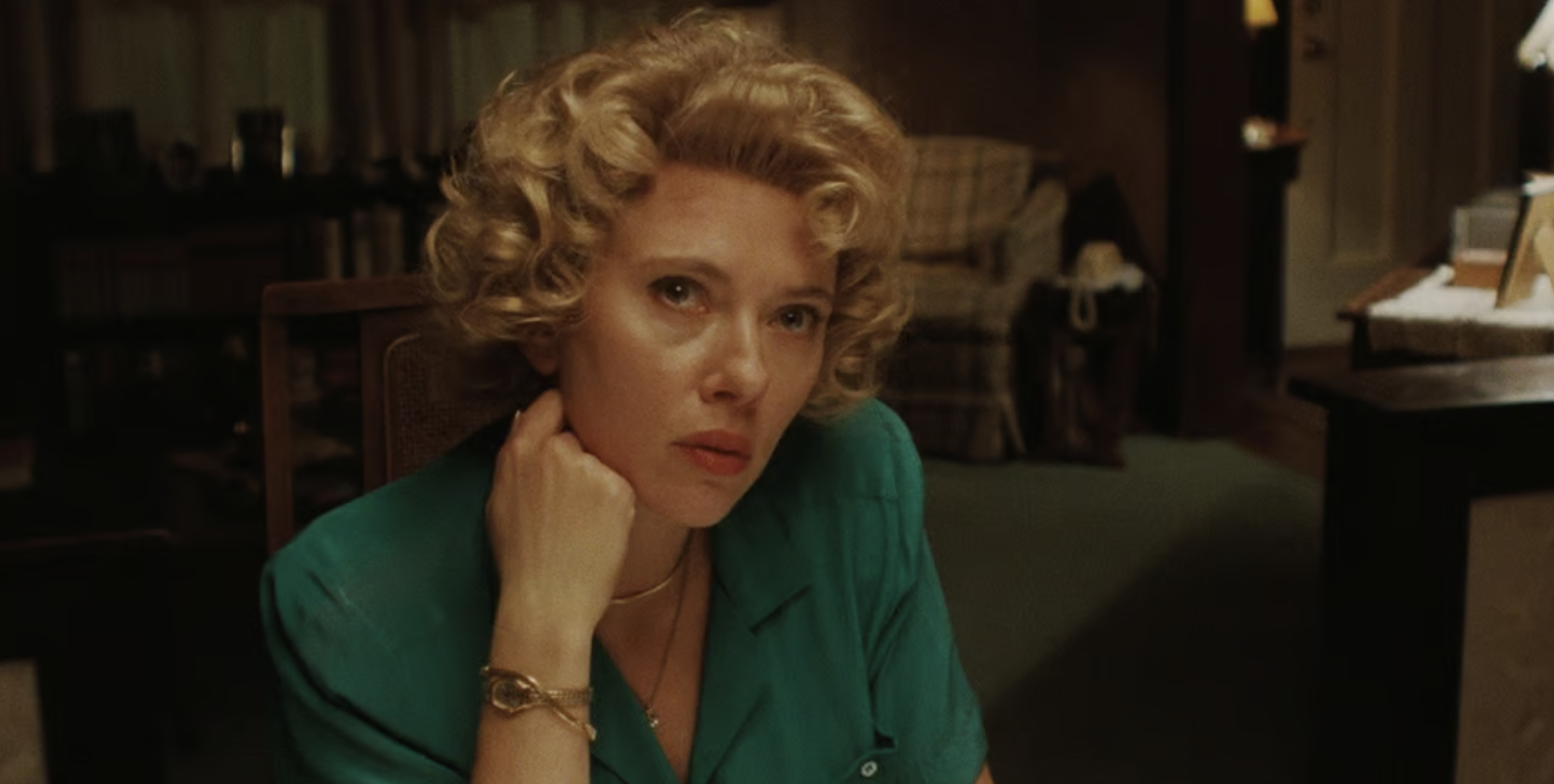
The film follows Irwin (Miles Teller), a family man and engineer who gets embroiled in a shady situation involving his brother, Gary (Adam Driver), a former NYPD cop. Gary lives a more lavish lifestyle than Irwin, his wife Hester (Scarlett Johansson), and their two sons, Scott (Gavin Goudey) and Ben (Roman Engel). Paper Tiger is a foreboding tale of the American dream and the pursuit of more money, as Irwin believes working with his brother will allow him to provide a better life for his family. However, Gary is involved with Russian criminals who are dumping oil in the Gowanus Canal. Despite Irwin’s good intentions, he unknowingly puts his family in extreme danger. Thus begins a gripping, paranoid thriller.
Source: Neon
Paper Tiger is about pollution on multiple levels. In the literal sense, it depicts the pollution of the Gowanus Canal with oil. Yet the film is rich with subtext, and this idea of pollution extends beyond the physical environment, showing how greed, corruption, and desperation can seep into a family and contaminate everything around it. The pollution of the Gowanus Canal mirrors how Gary’s influence pollutes the lives of those around him, as his brother becomes entangled in his shady business and, in the process, puts his wife and children in danger.
Source: Neon
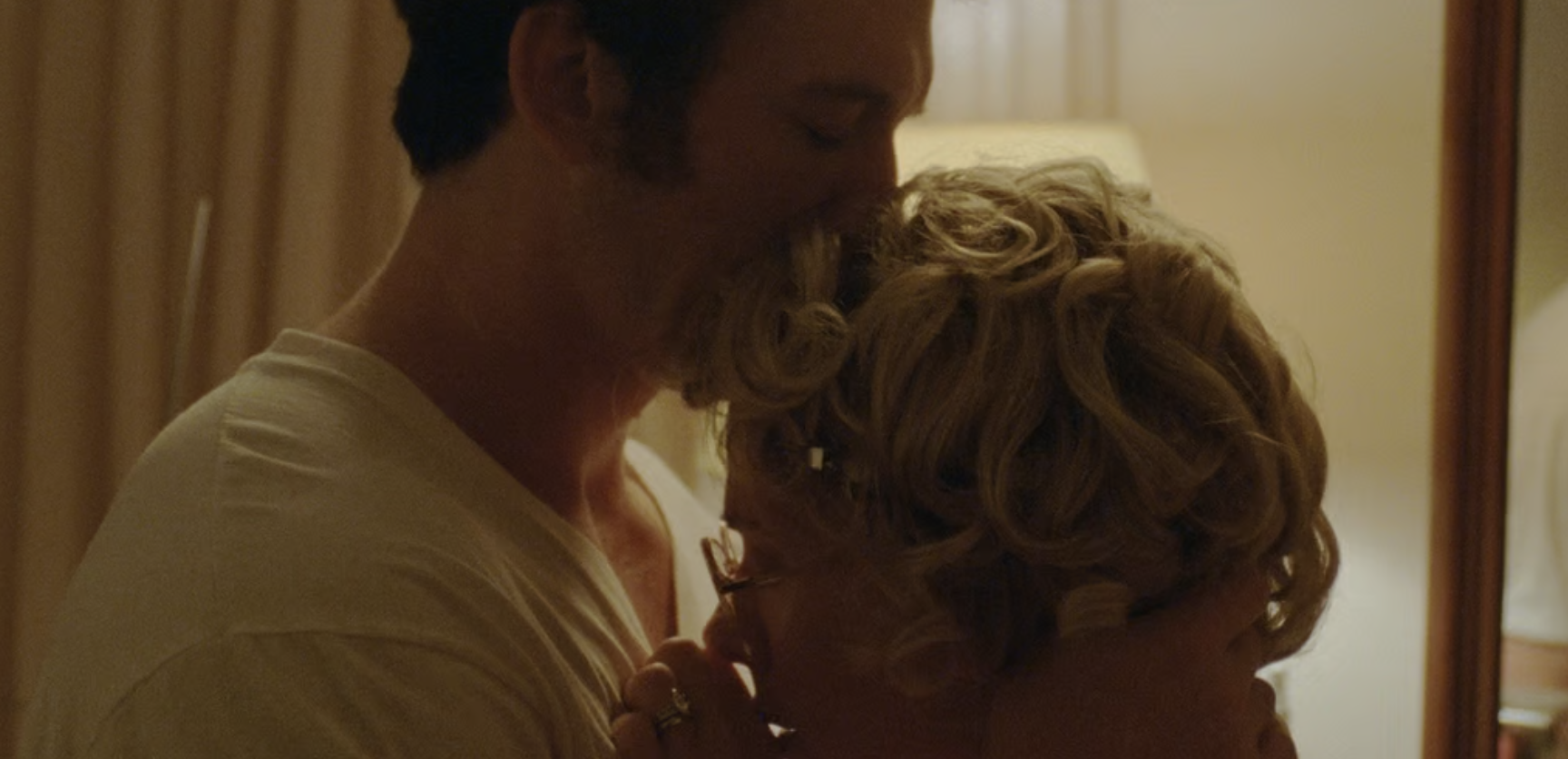
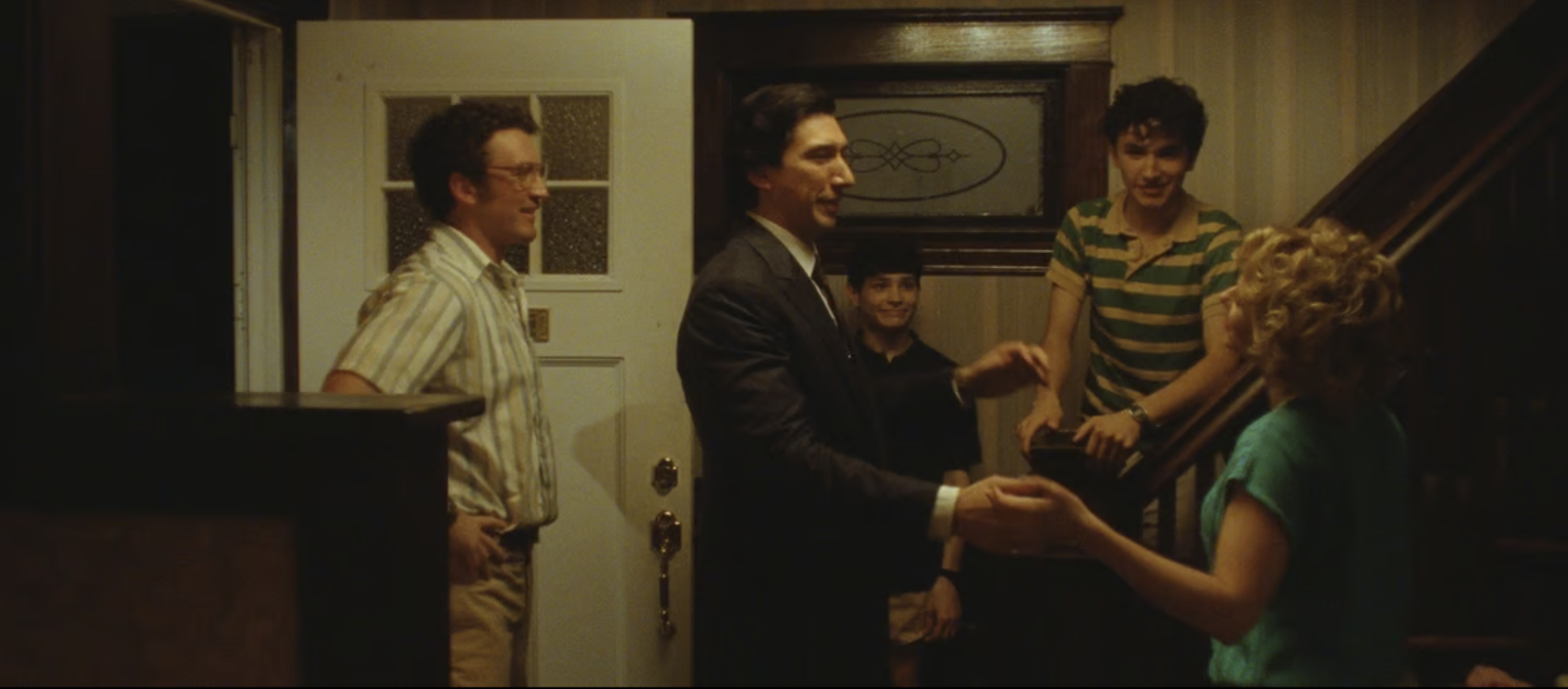
The costume design, production design, and hair and makeup all help transport us to New York City in 1986. Gray understands how to make a period piece feel authentic without becoming phony or veering into parody. There’s a lived-in quality to the film’s recreation of the era that immerses us in its setting without ever feeling excessive. Joaquín Baca-Asay’s cinematography further enhances this sense of time and place. Shot on 35mm, the grainy texture gives the images the quality of photographs from the 1980s, while the use of tungsten lighting bathes the film in a warm, nostalgic glow. However, the film is often so dark that its images become murky, occasionally making it difficult to fully appreciate the careful work that went into the shot compositions.
Source: Neon
Not only is the film a throwback in its recreation of the 1980s, but it also harkens back to the crime films of an earlier era. At times, it’s reminiscent of Michael Mann’s Heat (1995); at others, it feels almost Hitchcockian in its approach to suspense. There are two sequences in particular that stand out as absolute masterclasses in building tension. The cinematography in both scenes heightens that feeling of unease, whether it’s through the use of shadows on a staircase or point-of-view shots moving through a field of tall grass.
The screenplay follows a classical narrative structure, making the story easy to follow. Gray’s dialogue never feels sententious. His characters speak and interact like real people, with their body language often revealing emotions that go unspoken. They frequently make morally questionable decisions, but the film never feels as though it is judging them. No one is made out to be either the hero or the villain. Gray allows them to exist in the gray areas of morality, where their actions are driven not simply by greed, but by loyalty, desperation, and, above all, love. That’s ultimately what the film is really about: how we can make poor decisions despite our best intentions when we’re trying to do what we believe is best for the people we love. It’s about the sacrifices we make for those closest to us, and how even the most well-intentioned actions can have unintended consequences.
Source: Neon
Gray gives his actors the freedom to portray their characters in the way they see fit, but this approach has its drawbacks. Teller, Johansson, and Driver all deliver solid performances, yet it often feels as though they are acting in completely different movies. The distinct sensibilities they bring to their roles don’t always feel as though they belong to the same world. As a result, I found it difficult to become invested in the characters or connect with them emotionally, which is especially unfortunate given how personal the story is for Gray.
Source: Neon
Ultimately, Paper Tiger is a solid throwback to the crime films of a bygone era, and James Gray excels at recreating the look and feel of 1980s New York. However, narratively, it doesn’t do enough to distinguish itself from the many exceptional crime films that preceded it. While the film as a whole may not leave a lasting impression, there are two phenomenal sequences that are unforgettable. Although I found myself emotionally detached from the characters, the story is deeply personal without ever becoming overly sentimental. Paper Tiger may not reinvent the crime genre, but it’s still a riveting, albeit uneven, thriller with plenty to say about family and a sharp critique of the American dream.
Paper Tiger had its North American premiere at the 64th New York Film Festival on September 25, 2026. It will receive a limited theatrical release on November 13th.