The Devils 4K Restoration — NYFF Review
Source: Warner Bros. Clockwork
Good art should make you uncomfortable. It should push boundaries and make you question everything you thought you knew. If there’s one filmmaker whose work feels synonymous with the phrase “pushing boundaries,” it’s Ken Russell. His 1971 film, The Devils, is arguably the most boundary-pushing film of his entire career. It may have been one of the most popular films at the British box office in 1972, but it received negative reactions from critics. Roger Ebert gave it zero stars. Tony Mastroianni of the Cleveland Press said Ken Russell directs movies “with all the delicacy of Jack-the-Ripper and even less restraint,” going on to argue that The Devils has little substance and that “most of it is lurid for the sake of being lurid.” Beyond its poor critical reception, the film was also censored and banned in some countries. However, in recent years, the film has experienced a critical re-evaluation. With dozens of sold-out screenings of the 4K restoration of the director’s cut, it feels as though the film and Ken Russell are finally getting the respect that they deserve.
Source: Warner Bros. Clockwork
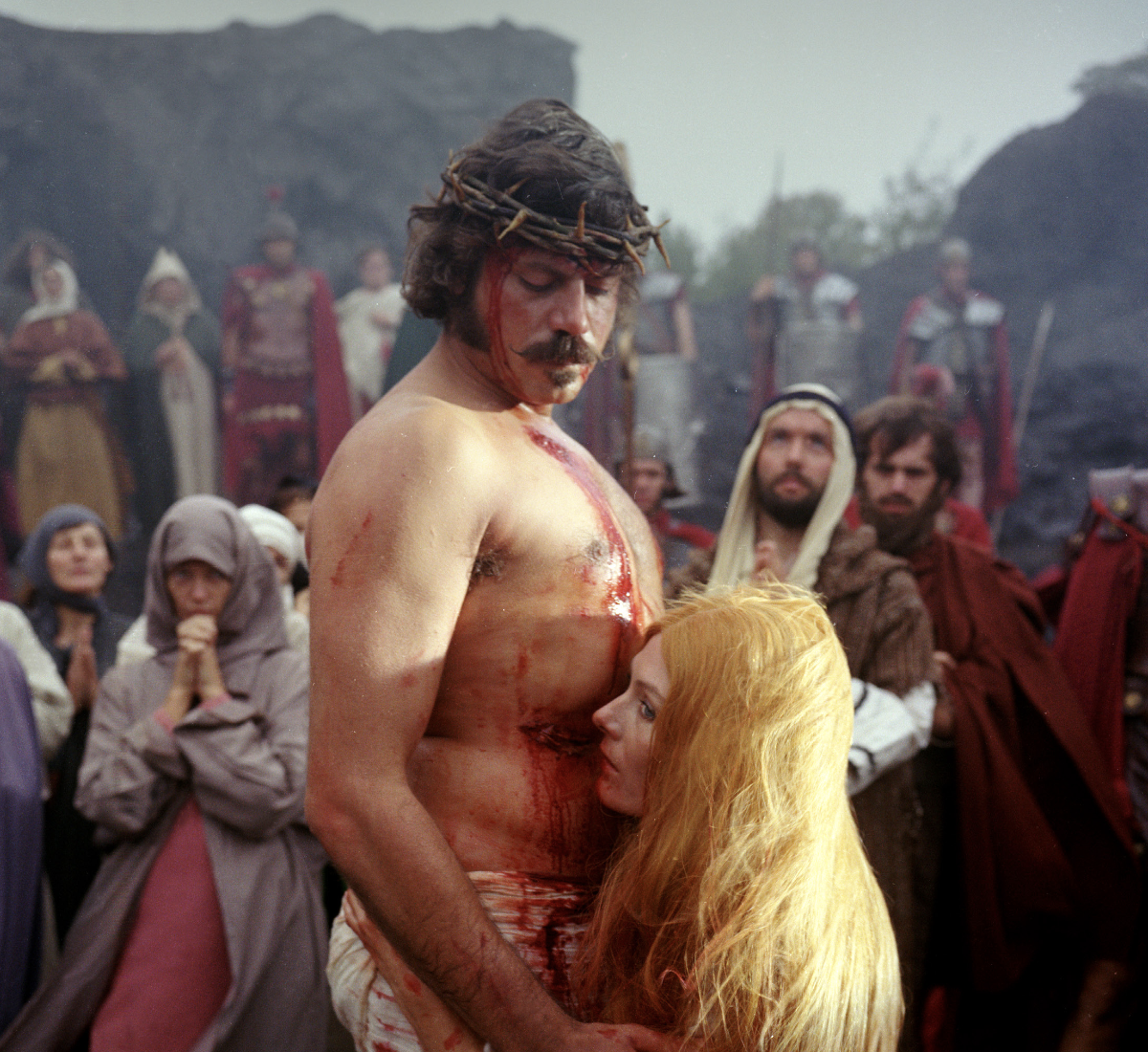
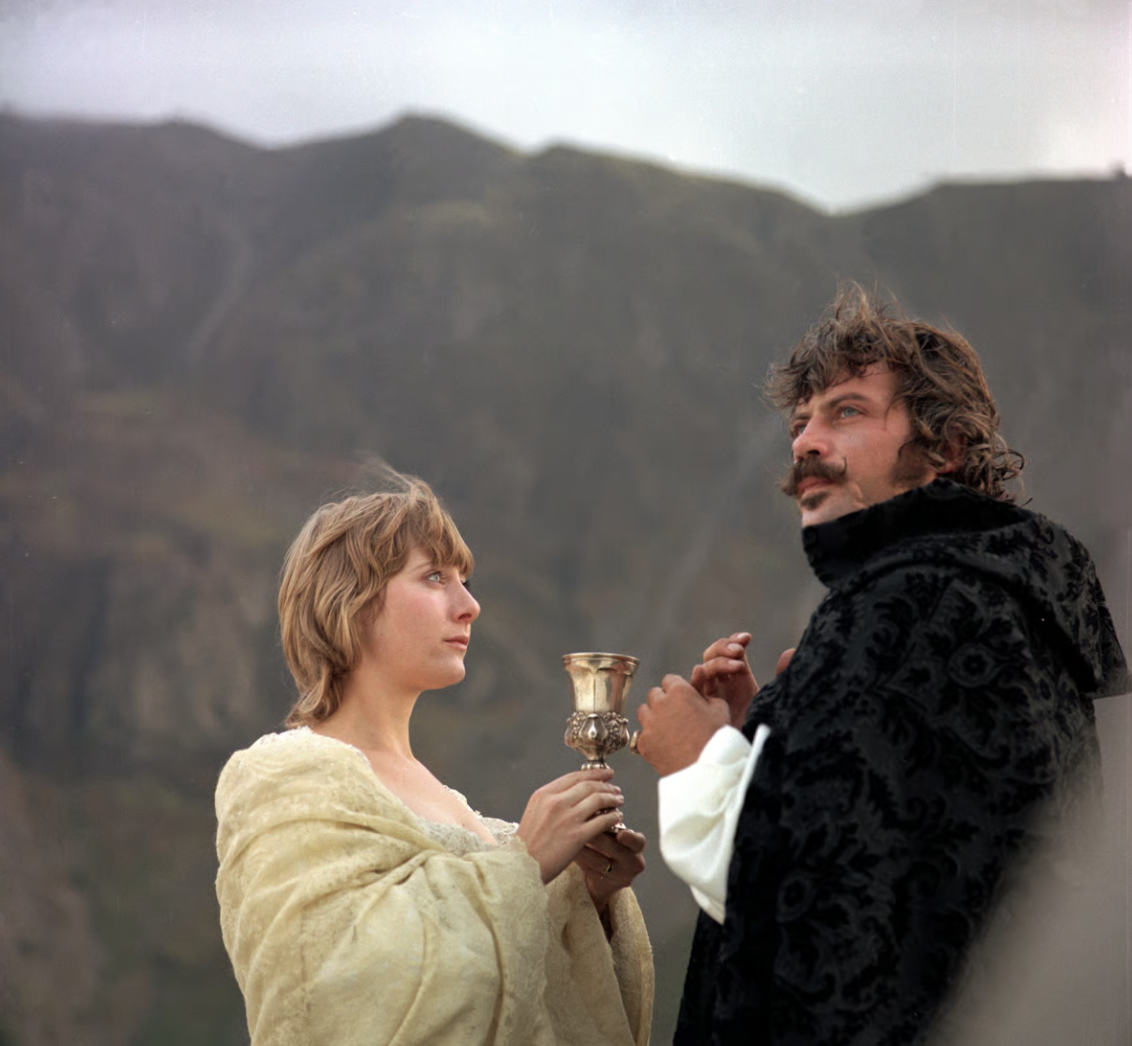
The Devils is based on both Aldous Huxley’s 1952 nonfiction book, The Devils of Loudun, and John Whiting’s 1960 play, The Devils. While Russell’s film has often been labeled obscene for the way it merges religion with graphic sexuality and violence, it’s important to note that the book is equally graphic. More importantly, it’s based on real events. Set in 1634, the story follows Urbain Grandier (Oliver Reed), a priest who’s left in charge of the town of Loudun after the governor dies. Despite his religious role, Grandier frequently sleeps with women, including fellow priest Canon Mignon’s (Murray Melvin) daughter, whom he has impregnated. The hunchbacked Sister Jeanne des Anges (Vanessa Redgrave) of the Ursuline convent starts having sexual fantasies about Grandier and lashes out when she learns that he has married Madeleine De Brou (Gemma Jones). When Canon Mignon informs Jeanne that he will be their new confessor, much to her dismay, she inadvertently accuses Grandier of witchcraft and of possessing her, as she had previously written a letter inviting Grandier to take over the position. Chaos and hysteria ensue as word spreads that Grandier has possessed the convent and made a deal with the devil.
Source: Warner Bros. Clockwork
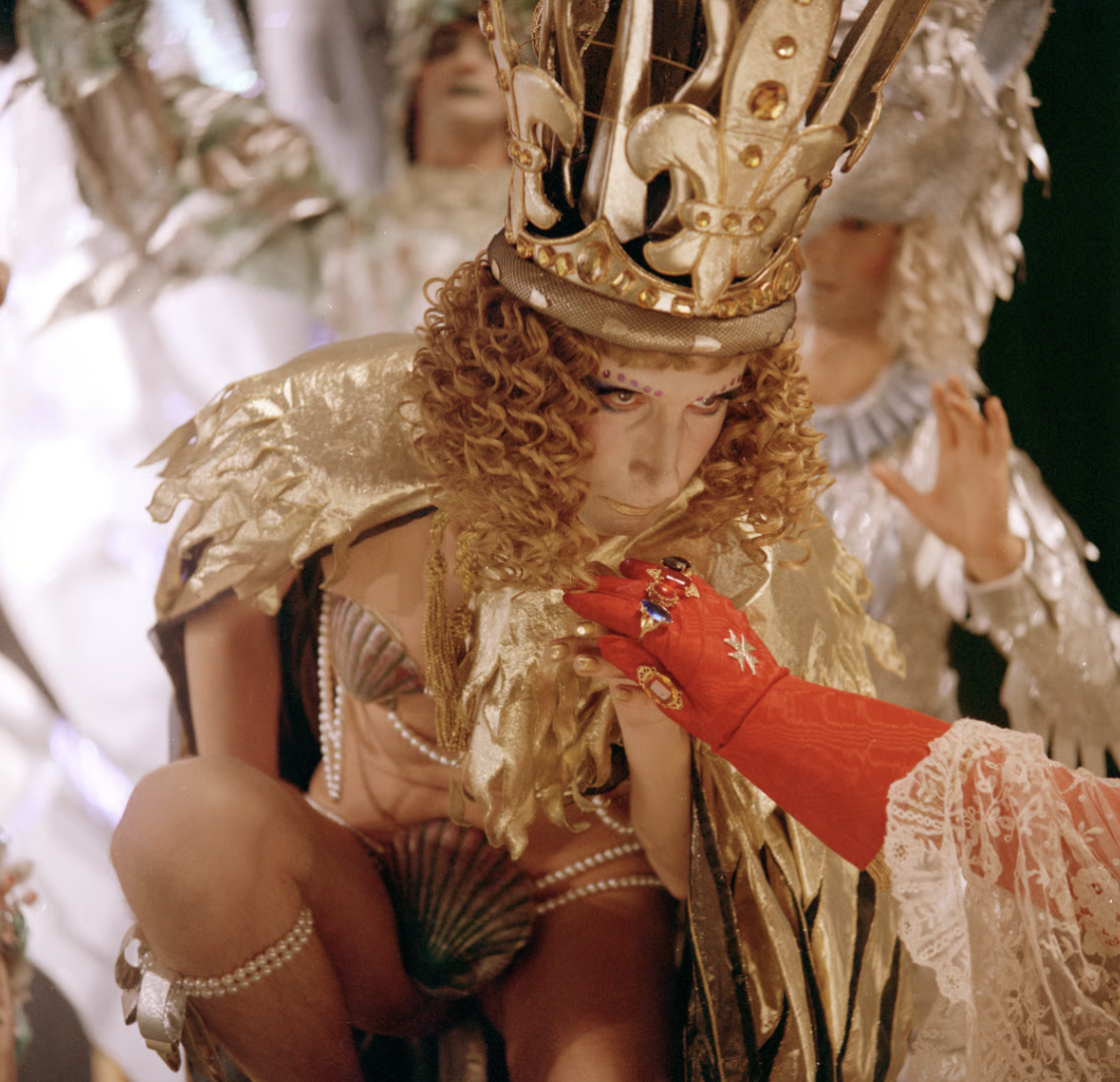
Russell described The Devils as his “most political film,” and it’s easy to see why. It’s a work that is likely to still offend highly religious moviegoers even to this day. This is the type of audacious, fearless film that could never be made today, although the same could be said about most of Russell’s filmography. While some critics deemed the film blasphemous, it’s more interested in depicting blasphemy than being blasphemous itself. Rather, Russell uses religion, sexual repression, and hysteria to expose the corruption and contradictions committed by people in positions of power, whether political or religious in nature. Beneath all of its outrageous imagery, The Devils is a thought-provoking exploration of corruption and abuse of power.
Source: Warner Bros. Clockwork
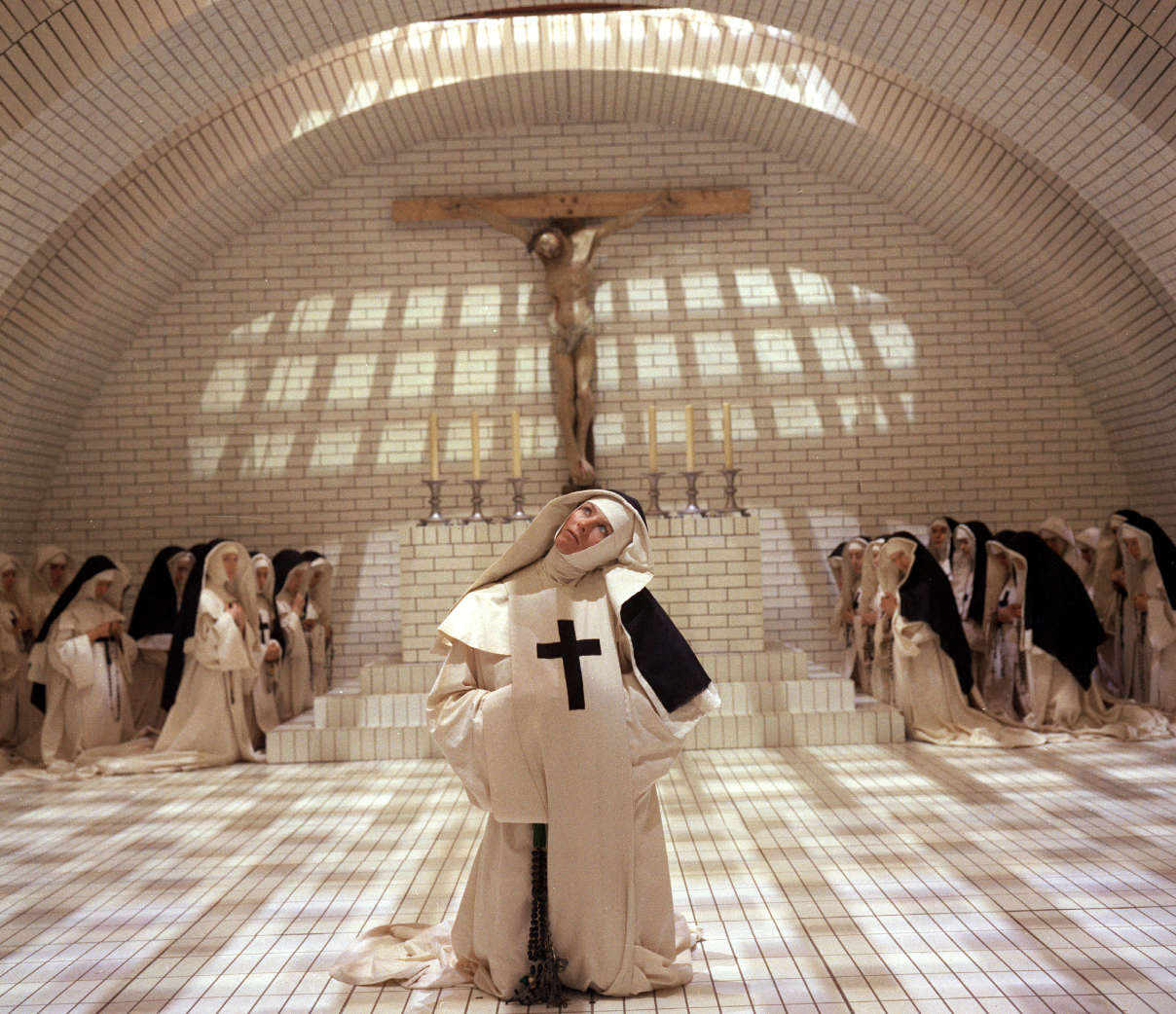
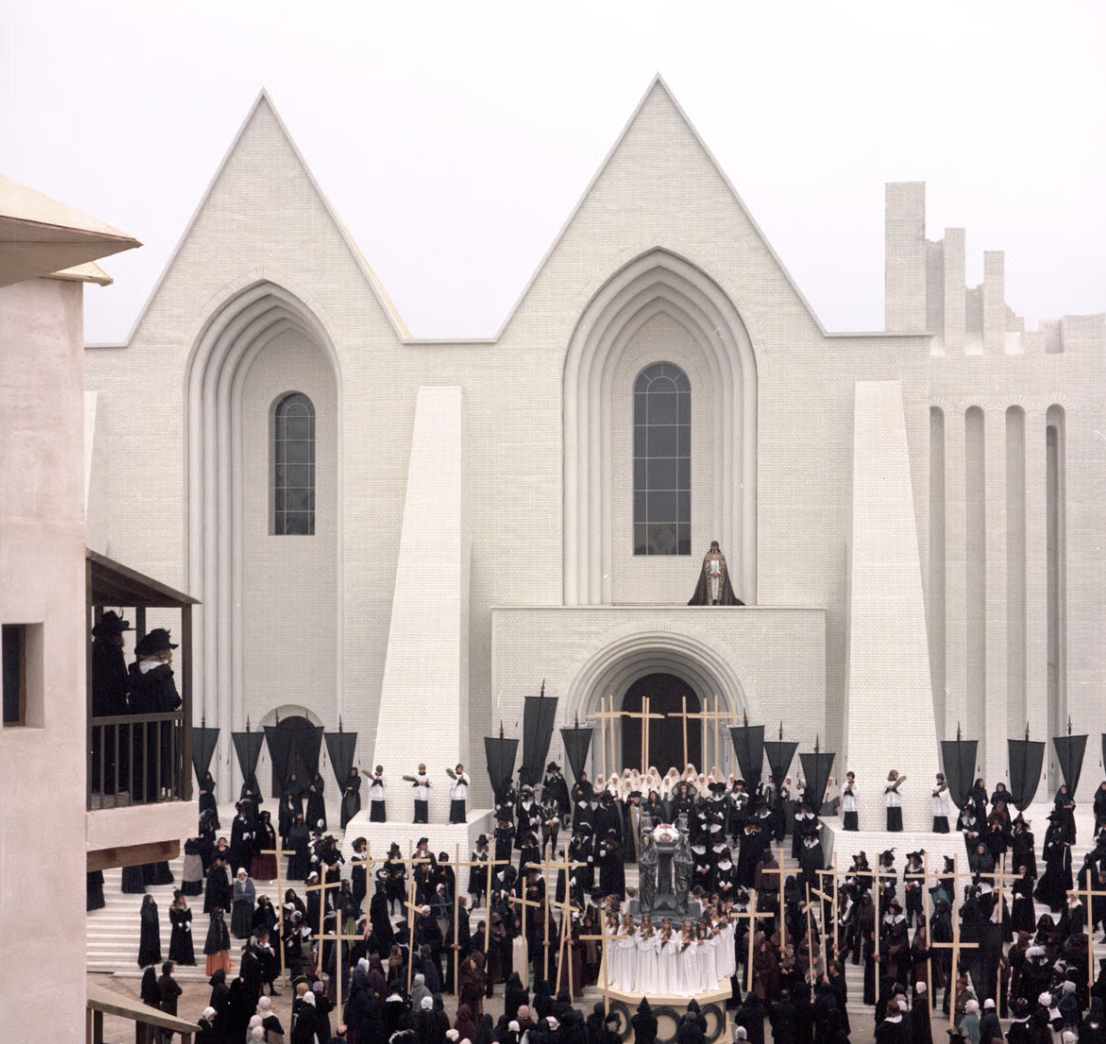
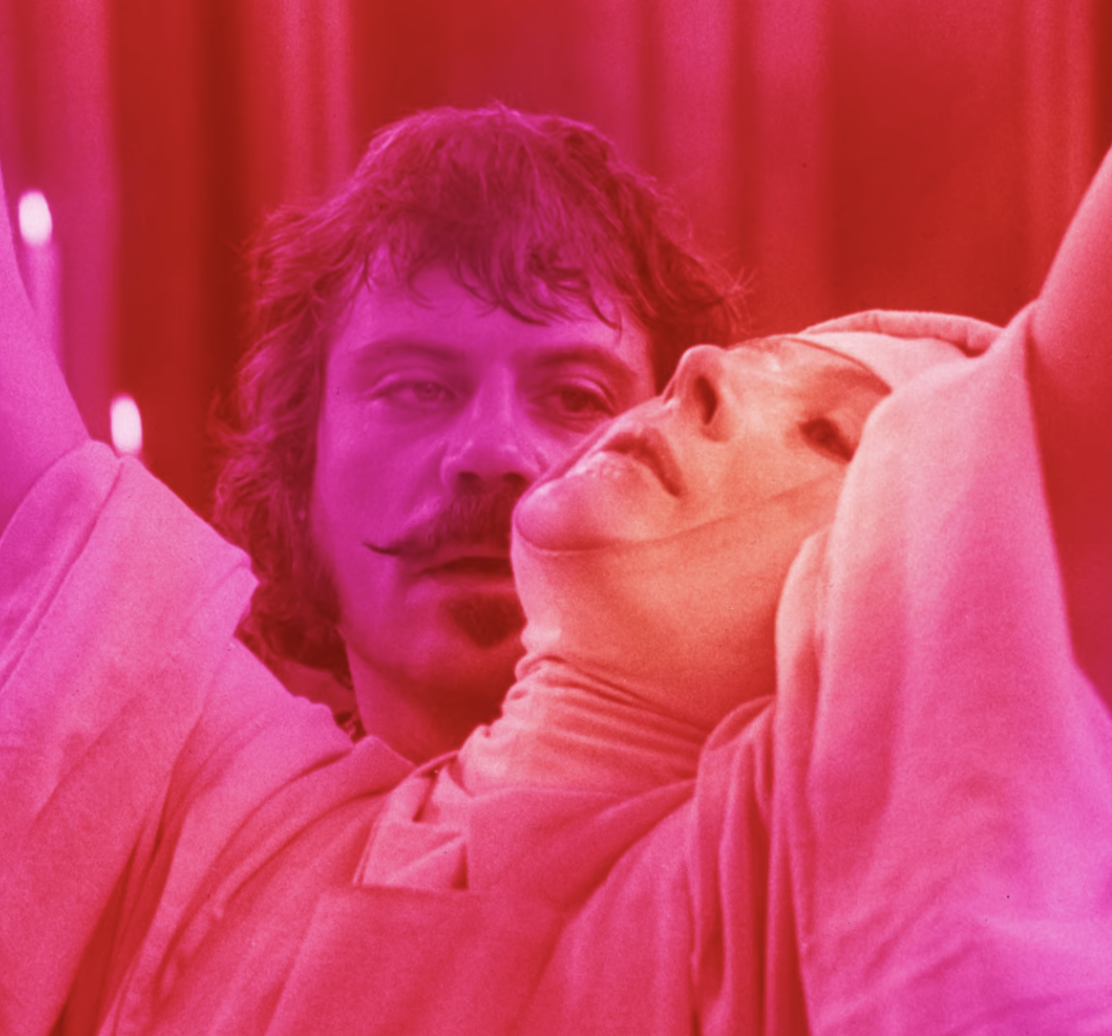
Oliver Reed delivers a commanding performance. His stature is intimidating, and everything he does just oozes charisma. It makes it all the more believable that these nuns would fantasize about him and accuse him of bewitching them. He’s charming, powerful, and proud, which makes him intriguing to watch. Vanessa Redgrave’s equally captivating depiction of rage and lust deserves to be mentioned in the same conversations as Isabelle Adjani’s performance in Possession (1981) or Glenda Jackson’s performance in one of Ken Russell’s other 1971 releases, The Music Lovers. Her stern, enraged, and libidinous expressions, coupled with her hunchbacked posture, make for some of the film’s most iconic imagery, especially against the black-and-white backdrop of Derek Jarman’s sets.
Source: Warner Bros. Clockwork
The set designs are astounding. Jarman’s production design is one of the film’s greatest achievements, while David Watkin’s carefully composed cinematography beautifully captures the immense, intricate structures. Everything feels deliberately artificial and theatrical, yet somehow completely believable within the world Russell creates. All of the actors embrace Russell’s signature heightened sense of reality and melodrama without ever sacrificing the feeling of realism that makes their characters feel like genuine people expressing authentic emotions. Likewise, Peter Maxwell Davies’ score lends the film an operatic quality that perfectly complements its larger-than-life aesthetic.
The scenes that were initially cut from censored versions of the film had previously been restored decades ago, so the restoration doesn’t include any footage that fans of the film have never seen before. However, it’s startling to think that there are people who had seen the censored version of the film, as the scenes that were cut are pivotal to the story. The new 4K restoration, which was assembled from the original camera negatives, is pristine. I had already seen the film before, but seeing it on a 35mm print made it feel as though I was seeing it for the very first time all over again.
Source: Warner Bros. Clockwork
Russell’s films were often criticized for being too excessive, flamboyant, or over-the-top, and in the case of his biopics about famous composers, they were bashed for taking too many creative liberties and spreading misinformation. But at a time when it feels like too many filmmakers are playing it safe and are afraid to do something big and bold, we need filmmakers like Russell now more than ever. Hopefully The Devils’ return to theaters will inspire future generations of filmmakers to take more creative risks and never compromise their artistic vision, even at the risk of alienating or offending their audience.
The North American premiere of the newly restored 35mm print of The Devils will occur at the 64th New York Film Festival on September 26, 2026 followed by a Q&A with Mark Kermode.