Tender Loving Care — NYFF Review
Source: Bleecker Street
One of filmmaker Mike Leigh’s greatest talents is his ability to make his characters feel like real people, and his latest film—and possibly his last—Tender Loving Care is no exception. Due to his battle with myositis, Leigh has stated that this will likely be his final film, and that confrontation with aging and mortality feels reflected in the film itself. The result is a film that slowly sneaks up on you but is as poignant, powerful, and delightfully hilarious as anything he’s made before.
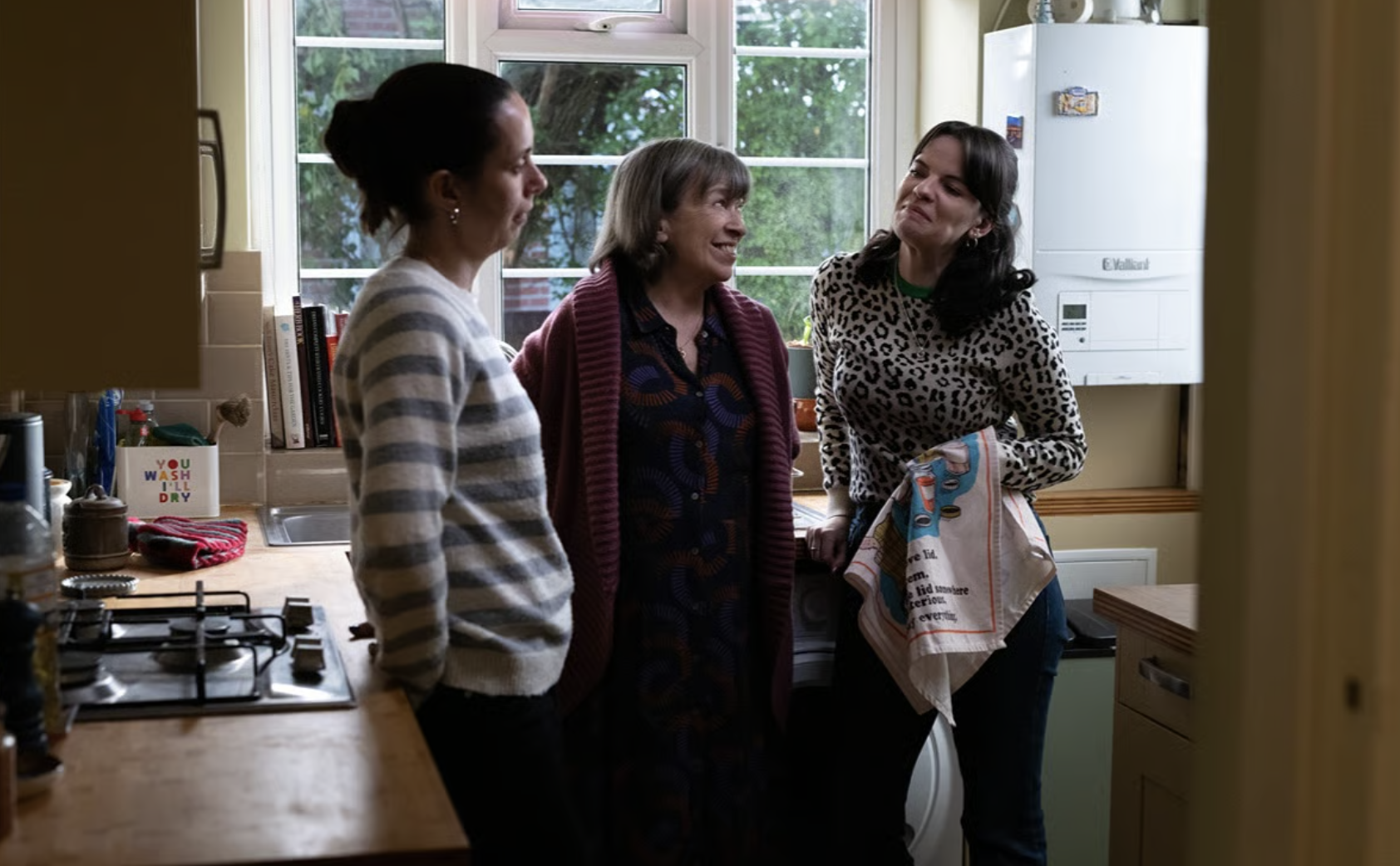
Fresh off her Emmy win for Widow's Bay, Kate O’Flynn stars as Amy, a social worker helping young people. Her lifelong best friend, Rosie (Alice Bailey Johnson), is also a social worker, but specializes in helping the elderly. Their jobs put them on opposite ends of the age spectrum, but the work itself has a lot in common: both require patience, empathy, and a willingness to help people who don’t want to be helped. There’s a subtle profundity in watching one woman work with the young and the other with the elderly, as if we’re watching life itself come full circle.
Source: Bleecker Street
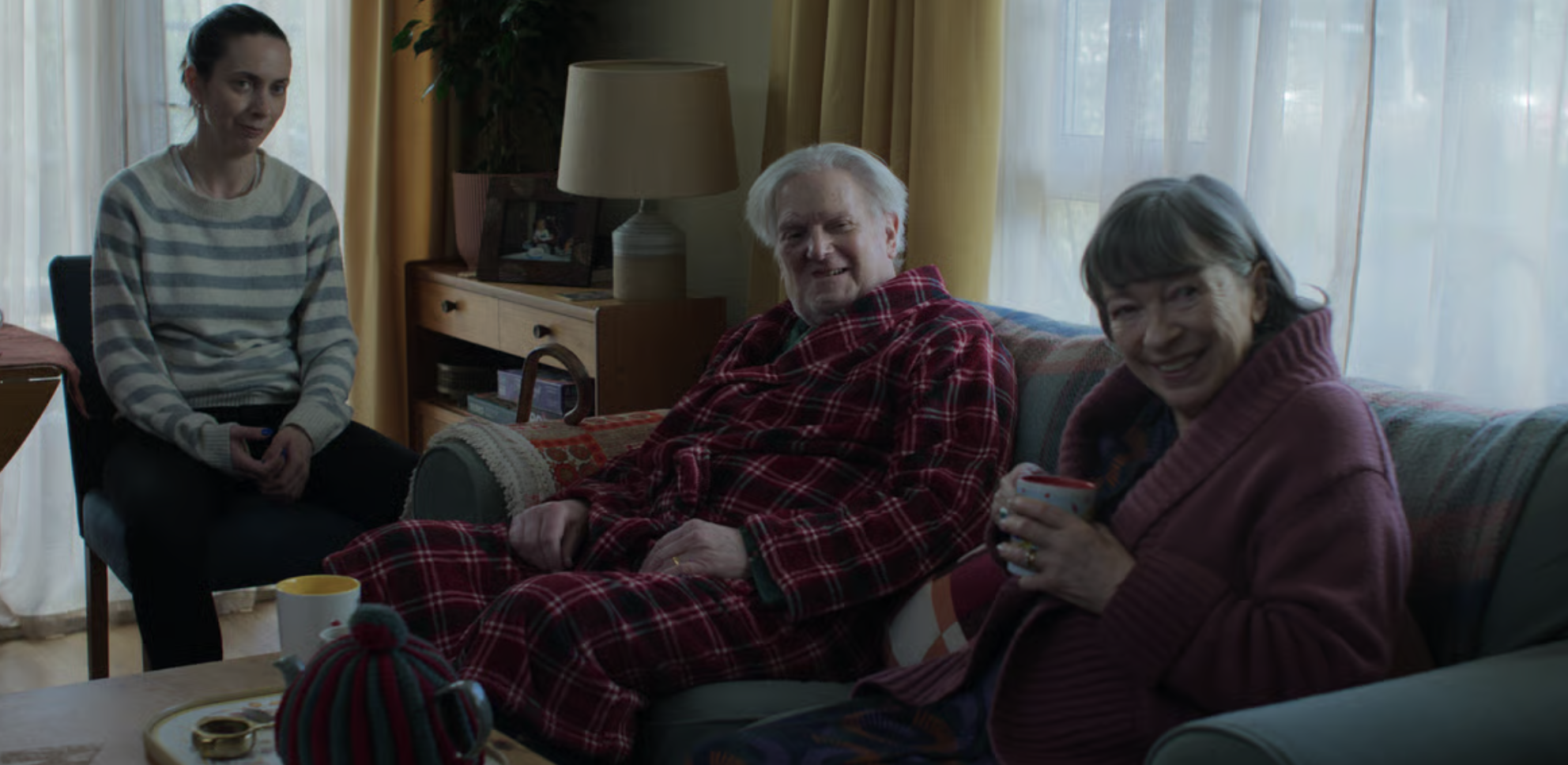
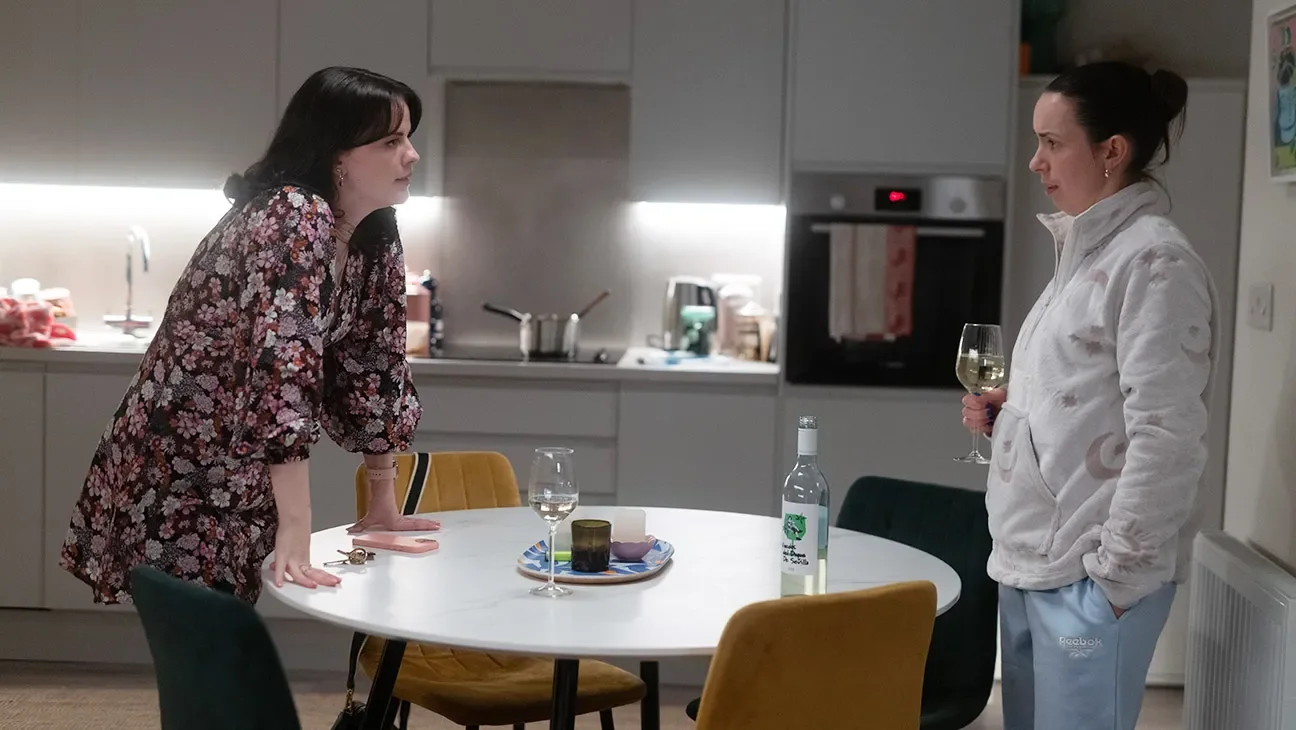
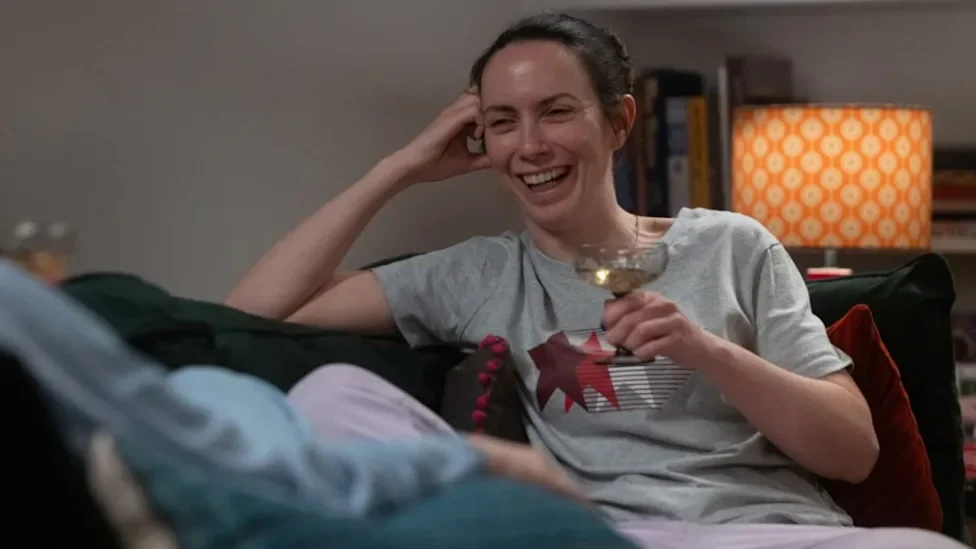
At the same time, Amy must face the fact that her beloved father, Geoff (Paul Jesson), has started displaying early signs of dementia, which will drastically change her and her mother Birdie’s (Marion Bailey) lives. After getting out of an unpleasant relationship, Amy moves back in with Rosie, and the two vent about their days and laugh over glasses of wine. It’s in these small moments that Leigh beautifully balances the film’s tragedy with its comedy, finding room for genuine humor and warmth even in the most heartbreaking circumstances.
The characters often bond by singing together, whether it’s Amy and Rosie drunkenly dancing around or singing “The Great Pretender” with Amy’s parents. Tender Loving Care depicts how singing can bring people together in a way that’s almost reminiscent of Terence Davies’ Distant Voices, Still Lives (1988). Sometimes the singing is light-hearted and silly; other times, it becomes a way of masking deeper emotional pain, like forcing a smile through the tears.
Source: Bleecker Street
Mike Leigh knows how to give his actors the space they need to shine, allowing their performances to really breathe. Tender Loving Care has a loose, freewheeling energy rather than a firm narrative structure. This atmosphere, along with the strong performances from the four main stars, helps bring these characters to life. They genuinely feel like real people with a shared history and an immense amount of love for each other. Moviegoers who prefer more conflict, melodrama, or action may find themselves bored by the film, but the characters are so lived-in and their interactions so sweet and endearing that it’s easy to get swept up in their world. Watching Amy and Rosie crack jokes while splitting a bottle of wine evokes the ease and comfort of catching up with a close friend as if no time has passed at all. Meanwhile, witnessing Amy interacting with her parents feels a lot like paying your parents a surprise visit and seeing how delighted they are by your presence, while also trying to soak up the time you have left with them as you realize that time is slowly starting to slip through your fingers. The film embodies this feeling of warmth, comfort, and catharsis.
Source: Bleecker Street
Lucy Bristow’s cinematography adds to the film’s sense of naturalism. Not only do the characters and production design make this world feel authentic, but the understated imagery makes everything feel grounded and real. Nothing feels overly polished or cinematic, which only amplifies the feeling that we’re watching real people going about their lives. Without spoiling anything, the final shot is a haunting one that will likely linger in viewers’ minds long after the film is over. Gary Yershon’s score lends the film a wistful quality with a repeated xylophone refrain. The film could have easily felt too melancholic, but the music and humor infuse the story with a feeling of hope. Despite the way it deals with aging and mortality, it feels more like a celebration of life than a meditation on death.
Tender Loving Care is a gentle, beautifully observed slice-of-life film that finds meaning in the small, everyday moments we share with the people we love. It may not have much of a traditional narrative, but there’s something deeply moving about the way Leigh allows us to simply spend time with these characters and watch them as they live their lives. Ultimately, it feels like a bittersweet yet hopeful celebration of life, the connections we make, and the support systems we turn to when life gets rough. It’s a poignant reminder to appreciate the people around us and cherish the time we have with them. If Tender Loving Care turns out to be Leigh’s final film, it’s a fitting note to go out on.
Tender Loving Care will have its New York premiere at the 64th New York Film Festival on September 28, 2026.