


Union County — Sundance Review
Addiction is a common theme in cinema, but it’s a topic that’s often sensationalized and depicted in ways that veer toward melodrama with big, over-the-top meltdowns. Addiction dramas often lean more toward being overdramatic than truthful for the sake of entertainment value. Adam Meeks’ Union County deviates from this trope—for better and for worse. It’s a portrait of addiction that’s achingly honest, but that doesn’t always make for the most compelling viewing experience.
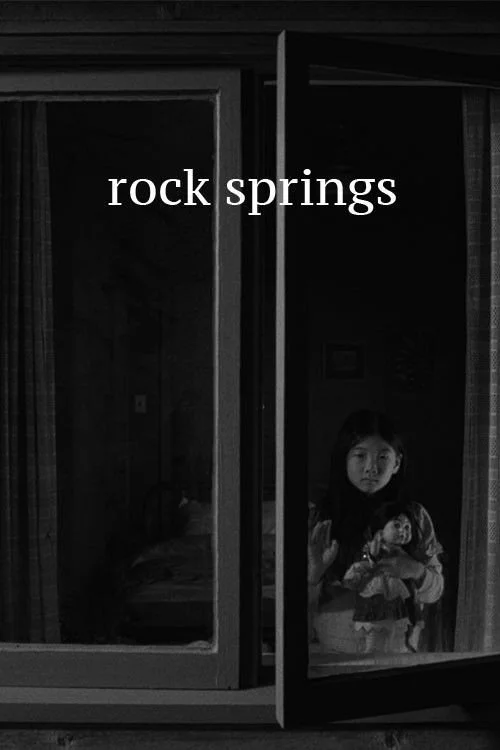
Rock Springs — Sundance Review
With her feature debut, Rock Springs, Vera Miao demonstrates a perceptive understanding that human history is a lot scarier than any monster. The ghosts that really haunt us are the atrocious acts of racial violence committed throughout human history. Rock Springs presents a bold, admirable vision, but the idea is far stronger than the execution.
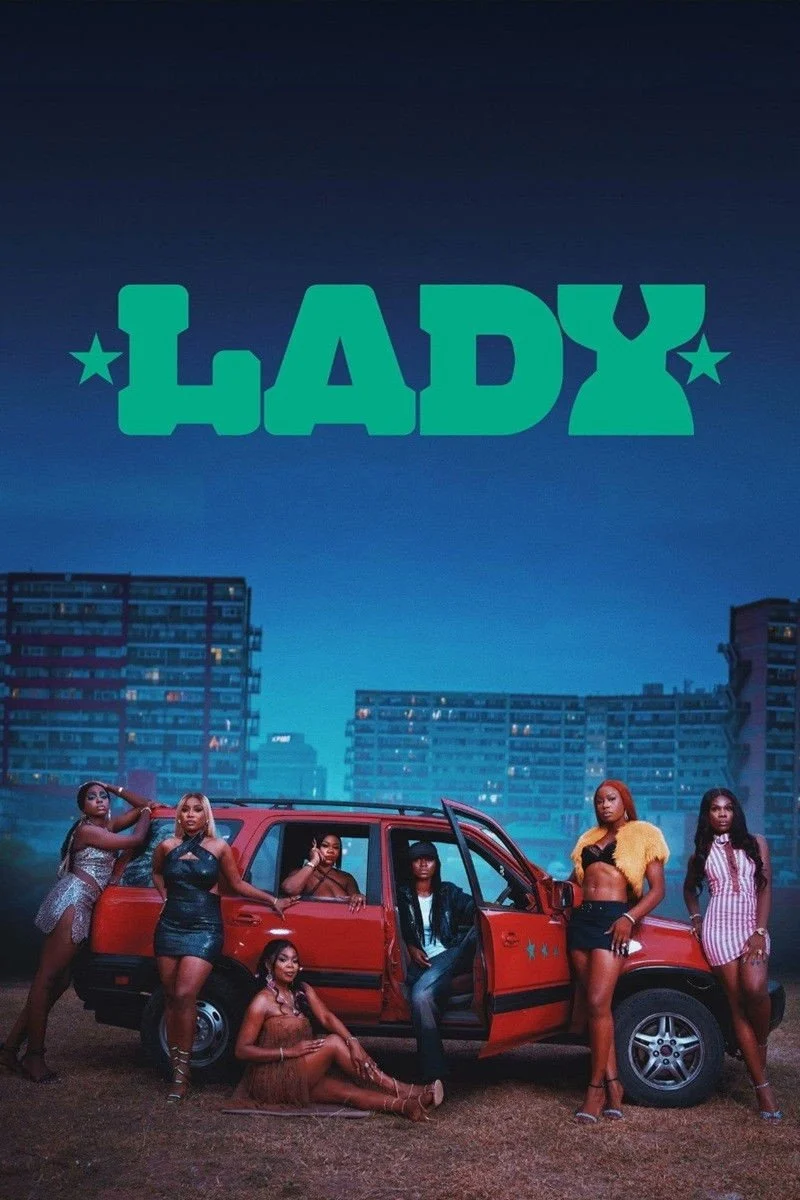
Lady — Sundance Review
The opening frame of Olive Nwosu’s feature debut, Lady, is upside down—a visual choice that makes sense from both a literal and metaphorical standpoint. The next frame reveals two young girls, their heads hanging back over a jetty, so they are quite literally seeing the world upside down in that moment. Metaphorically speaking, it’s fitting to introduce Lagos to the audience with an upside-down image. It’s almost reminiscent of the iconic shot of the Statue of Liberty in The Brutalist (2024) that inverted the symbol of the American Dream. The more one seeks out international cinema, the more one recognizes the struggles that other countries face, and America is far from the only country where the dream of financial freedom and stability feels precarious and unattainable.
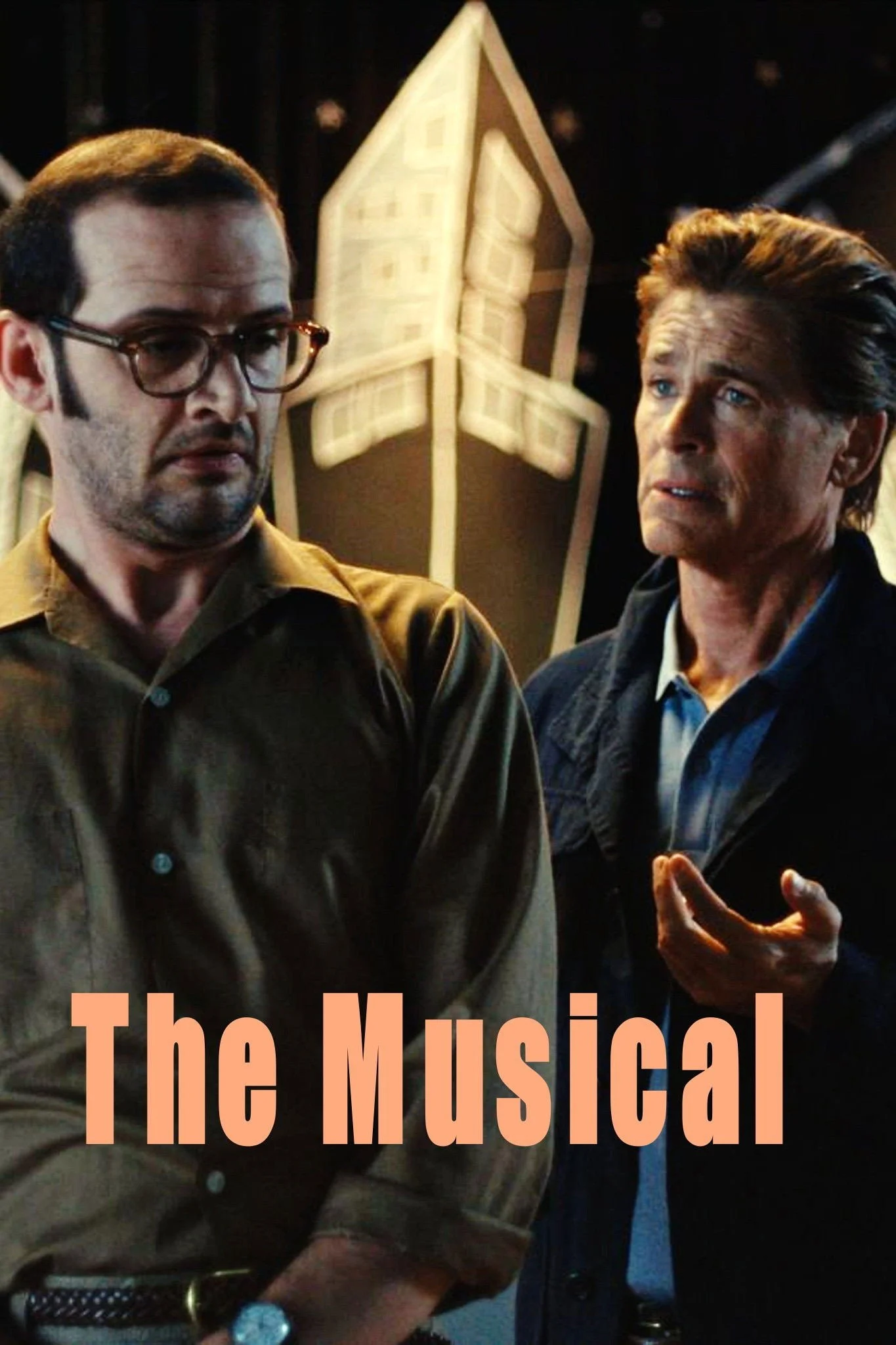
The Musical — Sundance Review
Imagine Hamlet 2 (2008) in the style of an I Think You Should Leave sketch, and that’s essentially Giselle Bonilla’s new film, The Musical. Much like Hamlet 2, The Musical follows a failed artist-turned-teacher as he stages a politically incorrect musical. However, in Bonilla’s film, the protagonist is a playwright instead of an actor, he teaches middle school instead of high school, and most important of all, the musical he’s staging isn’t a sequel to a Shakespeare play. There are hints scattered throughout the film as to what the musical is about, so it doesn’t come as a complete shock. But as the characters proclaim, “The super power of the theatre is the element of surprise,” so it’s better to walk into the film without knowing that aspect of the plot ahead of time.
Josephine — Sundance Review
What if your child witnessed a horrible act of violence at a young age? How would you answer their questions, help them process it, help them cope? Those questions lie at the heart of Beth de Araújo’s Josephine, one of the most celebrated films out of this year’s Sundance Film Festival. It’s a difficult watch, which is fitting because it’s also difficult for the parents to have those conversations with their child.
Chasing Summer — Sundance Review
Josephine Decker’s Chasing Summer is steeped in indie coming-of-age movie clichés and millennial nostalgia, from its throwback soundtrack to its familiar arc of reluctant homecoming. For a filmmaker once celebrated for her emotional and visual risk-taking, the film’s conventionality comes as a bit of a surprise. It’s both a romantic comedy and a coming-of-age story, yet it fails to generate much romance or laughs, and it hits all the familiar beats with far too much predictability.
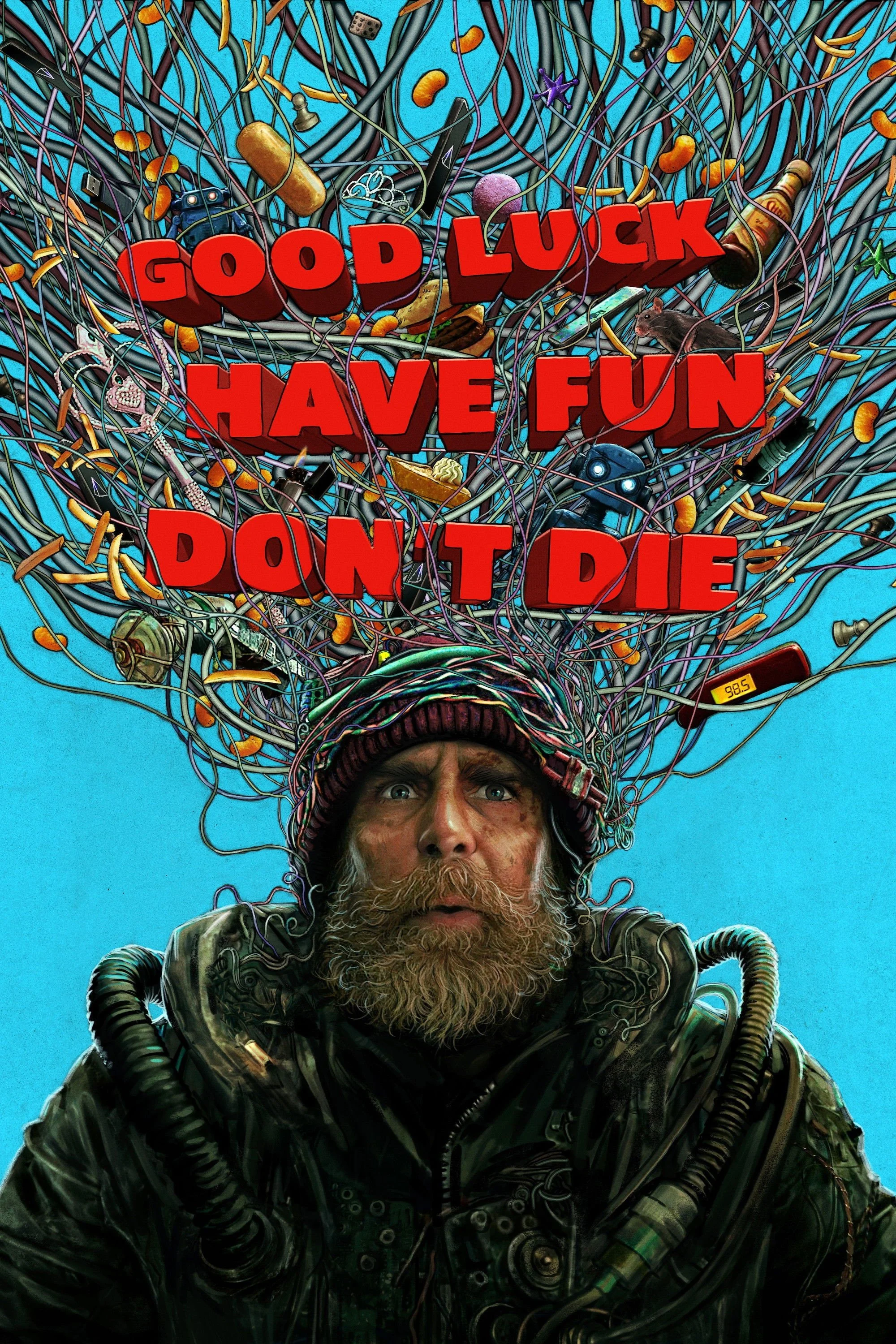
Good Luck, Have Fun, Don’t Die — Review
Gore Verbinski's Good Luck, Have Fun, Don't Die is so ambitious, audacious, and unconcerned with being accessible or appealing to mainstream audiences that I can't help but admire it, even if it ultimately collapses under the weight of its own ambitions. Matthew Robinson's screenplay attempts to do so much in a single film that the final product is more than a mixed bag, it's a piñata—but instead of just candy inside, occasionally you'll find random objects like a rubber duck, a paper clip, maybe some money scattered in there, and every once in a while you'll stumble upon a dead rat or two. It’s a chaotic, kooky, madcap adventure full of relevant social commentary.
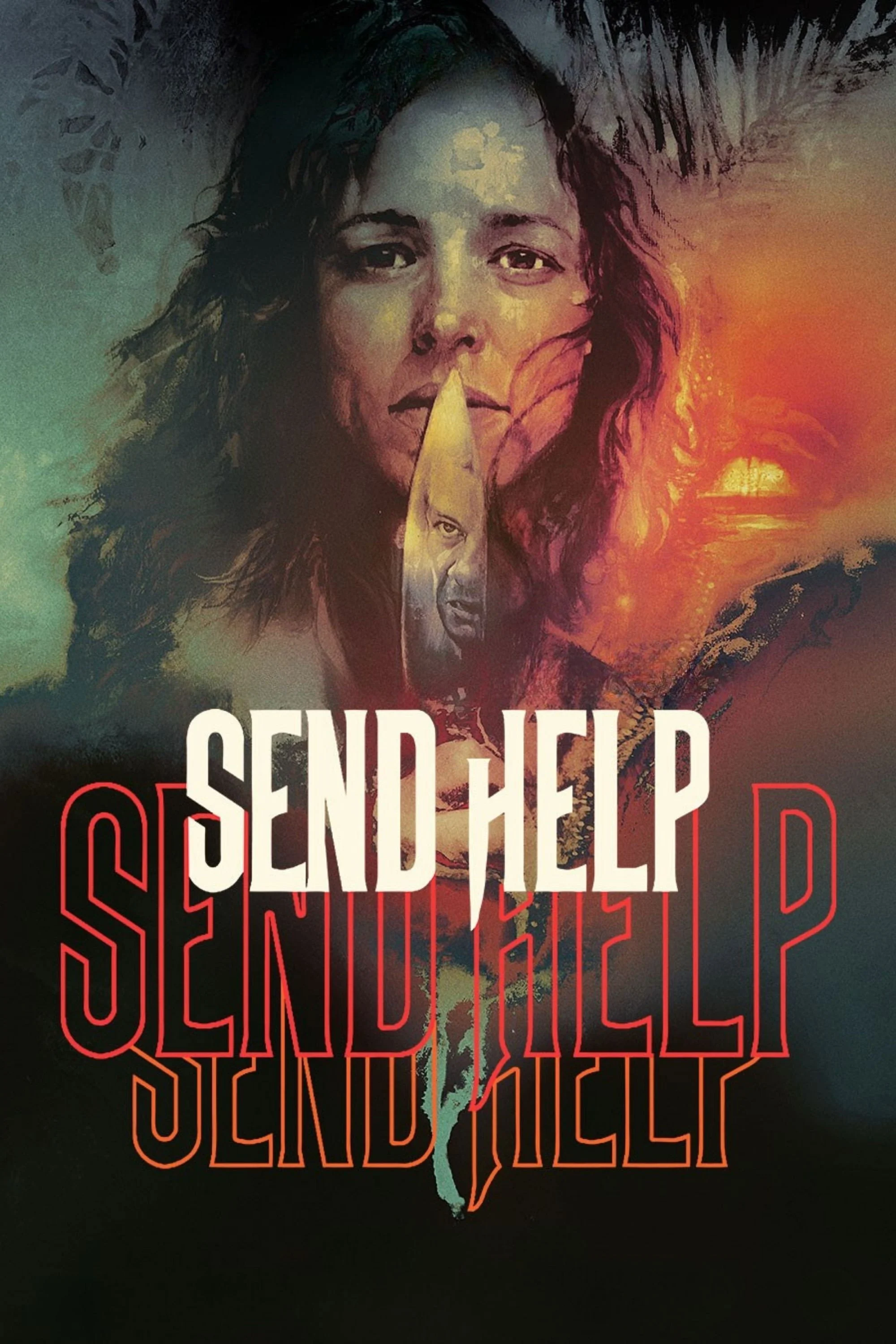
Send Help — Review
Send Help is a return to form for Sam Raimi, making for a nostalgic, bloody, fun time at the movies. It’s arguably his best film since 2009’s Drag Me to Hell and probably the most comparable in tone and style out of all the films in his filmography. It’s messy, predictable, and runs a bit too long, but despite its flaws, fans of Raimi’s signature over-the-top blend of gore and absurdity are in for a good time with this one.
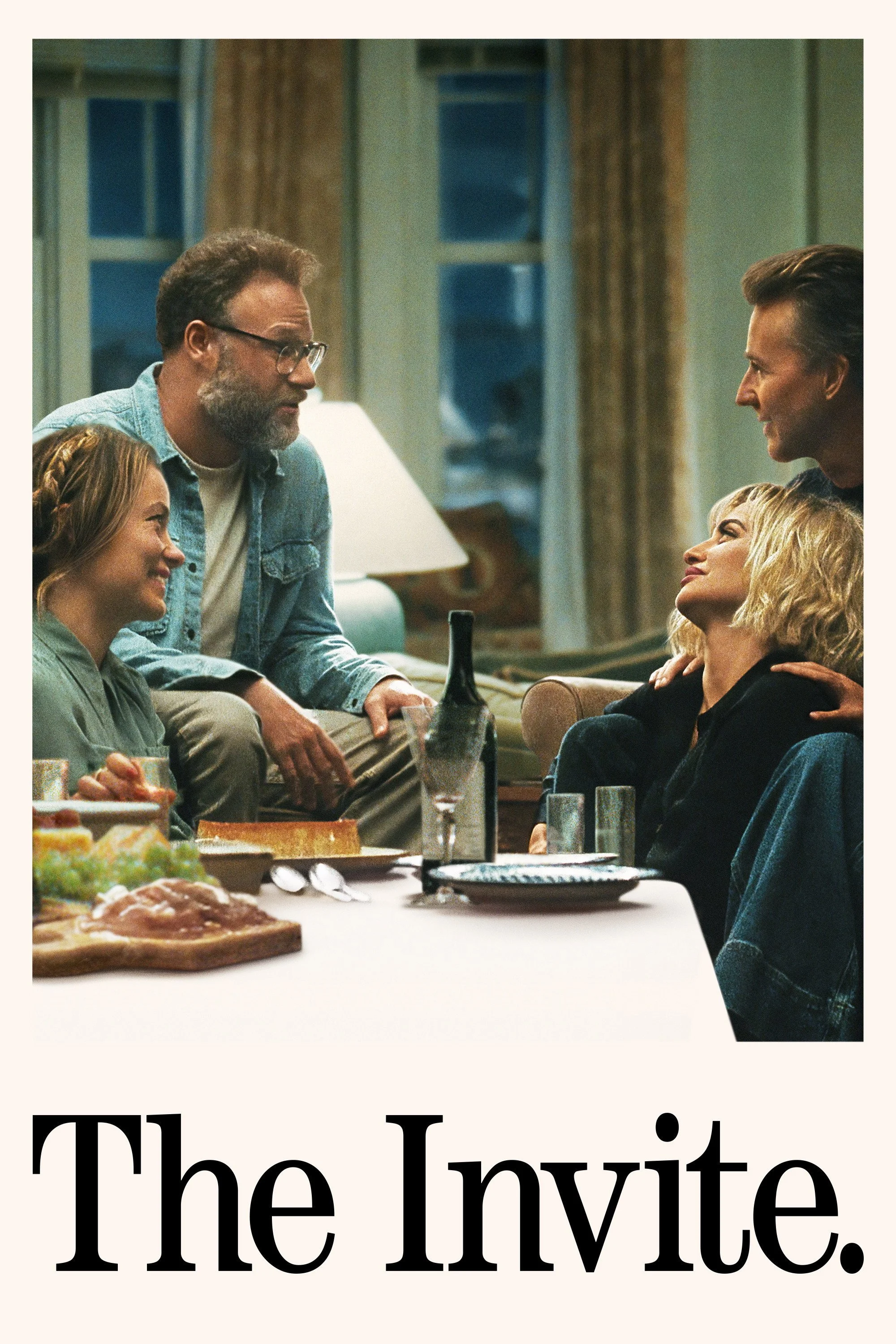
The Invite — Sundance Review
Olivia Wilde’s The Invite is the type of film Sundance seems designed to champion: an intimate, character-driven dramedy that feels small in scale but big in emotional honesty, a film that will likely be one of this year’s hidden gems. This remake of Cesc Gay's The People Upstairs leans less on punchlines and more on meaningful conversations about sex and marriage. With a sharp, perceptive script from Reshida Jones and Will McCormack, The Invite is the type of thought-provoking, uncomfortably relatable film that holds a mirror up to the audience, gently pushing viewers to reflect on their own relationships.
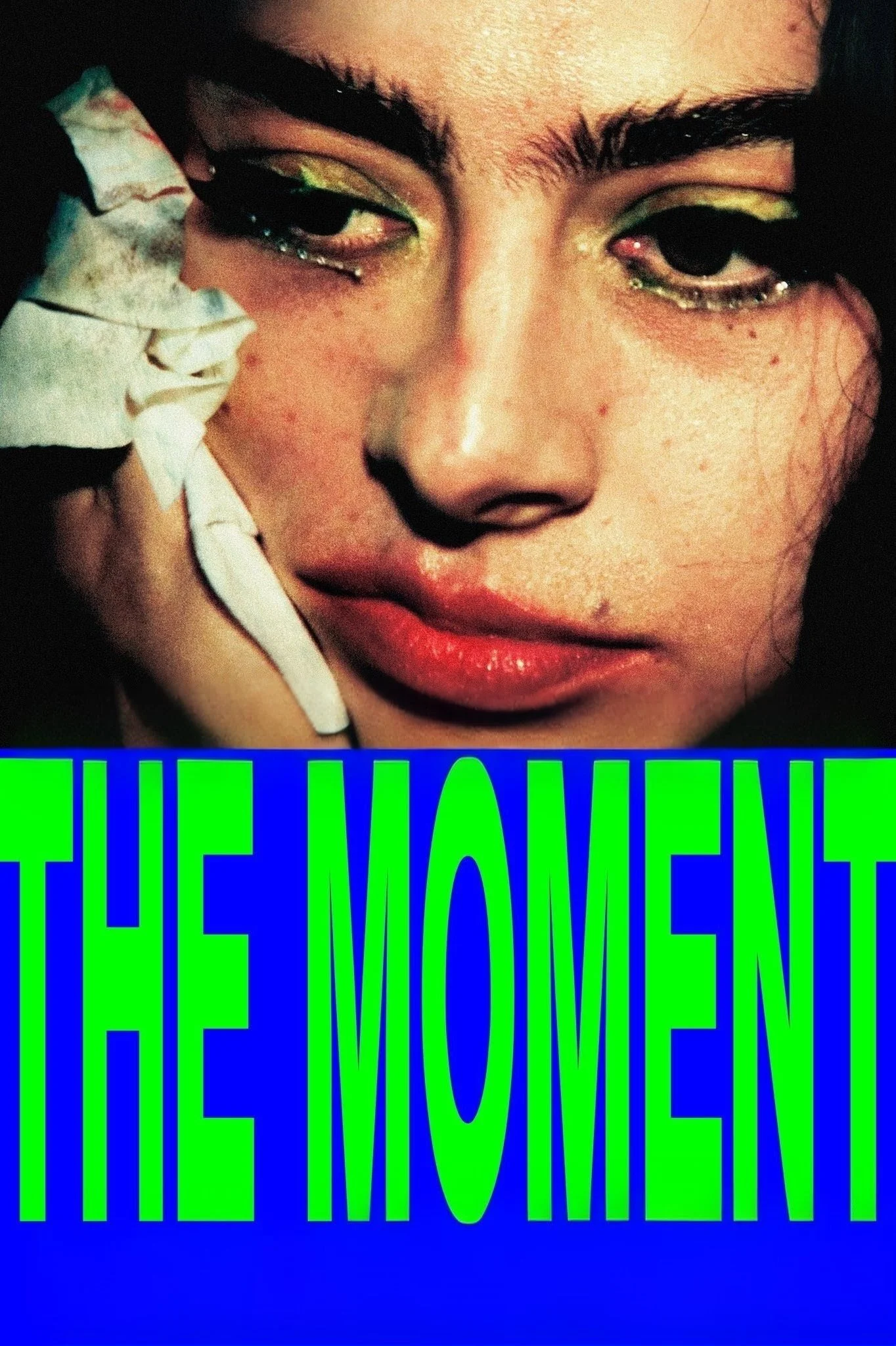
The Moment — Sundance Review
Over the past year, Charli xcx has started to dabble in acting, with performances in Julia Jackman’s 100 Nights of Hero, Pete Ohs’ Erupcja, and Romain Gavras’ The Sacrifice. She has two films premiering at this year’s Sundance Film Festival: Gregg Araki’s I Want Your Sex and Aidan Zamiri’s The Moment. So far, she’s made some incredibly inspired choices with the films she’s been in. What makes The Moment different from her previous roles is that this time she’s playing a fictionalized version of herself. But that doesn’t make it any less inspired. What’s so fascinating about The Moment is that while other popstars have capitalized on their tours with concert films or behind-the-scenes documentaries, Charli opted for something entirely different after the success of brat summer: a mockumentary.
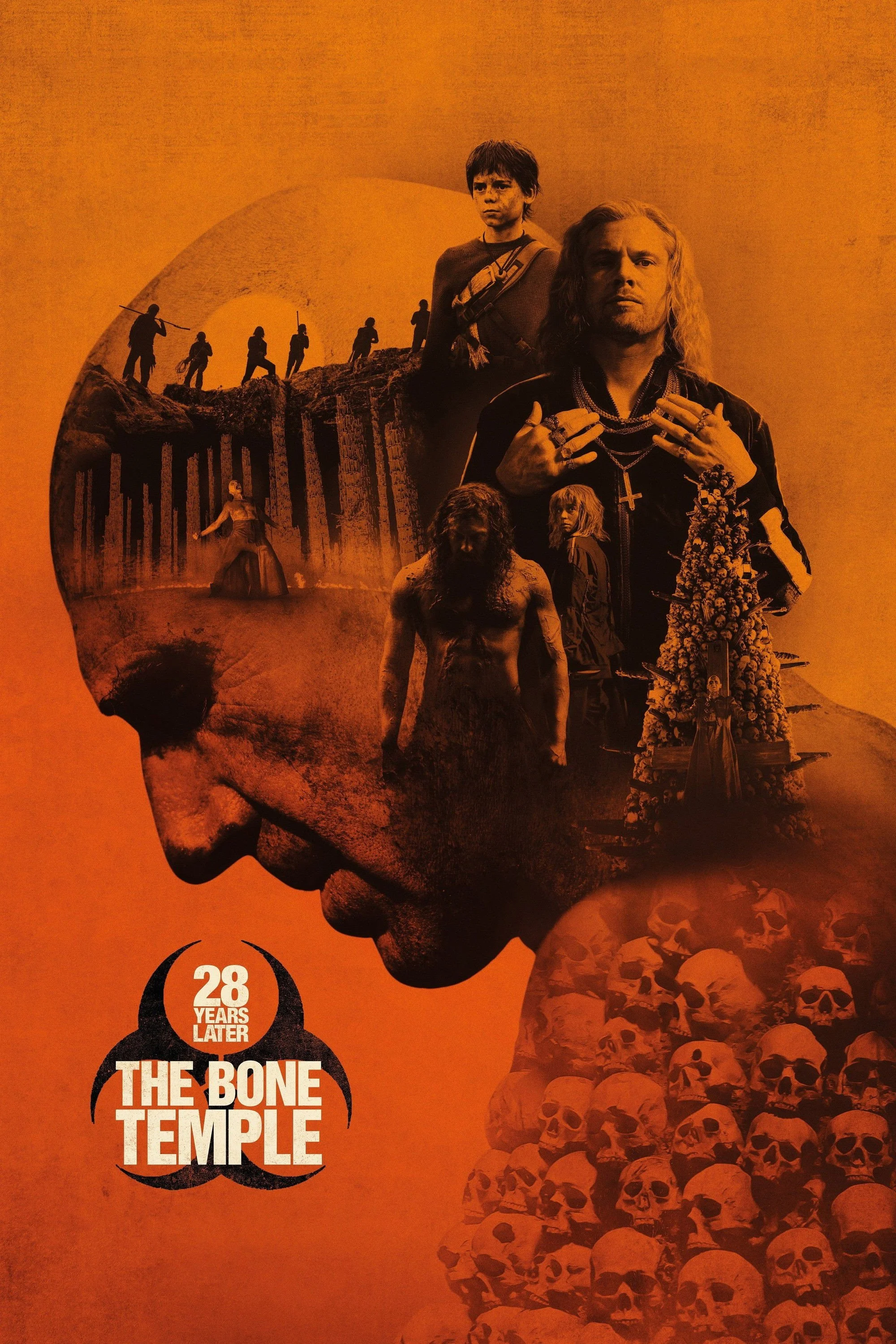
28 Years Later: The Bone Temple — Video Review
Spoiler-free video review of 28 Years Later: The Bone Temple directed by Nia DaCosta starring Ralph Fiennes, Jack O’Connell, Alfie Williams, Erin Kellyman, and Chi Lewis-Parry.
Primate — Video Review
Spoiler-free video review of Johannes Roberts’ movie Primate, starring Johnny Sequoyah, Jessica Alexander, and Troy Kotsur.
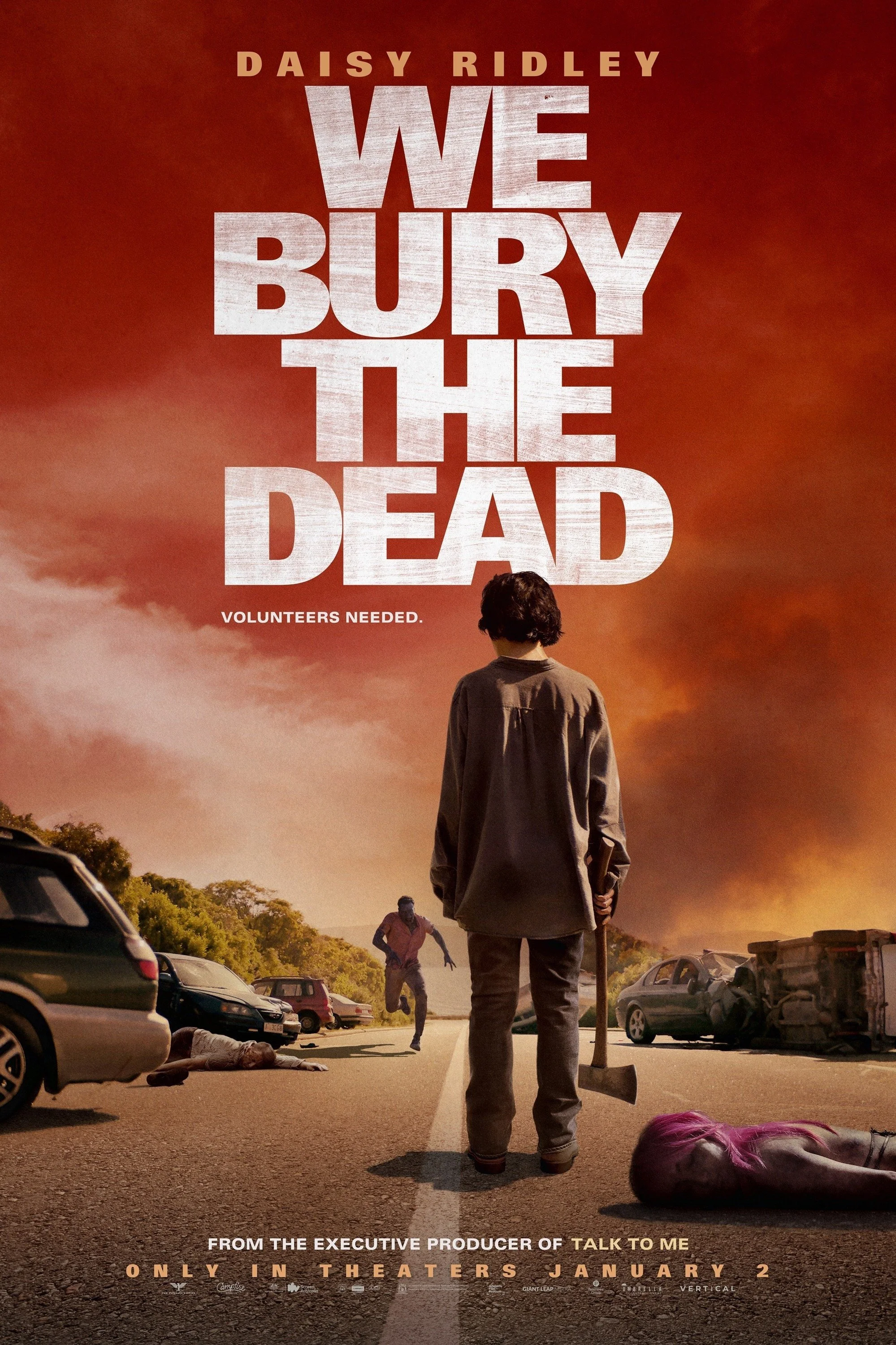
We Bury the Dead — Review
In recent years, grief seems to be one of the most prevalent themes in genre films, especially of the horror persuasion. What makes Zak Hilditch’s We Bury the Dead stand out amongst the ever-expanding pack of zombie films is that it plays out more like a drama than an action-packed survival thriller. Resting on the shoulders of a strong, poignant performance from Daisy Ridley, We Bury the Dead is a zombie film that doubles as a moving meditation on grief. It’s a film that’s more concerned with how to survive the loss of a loved one under tragic circumstances than how to survive the zombie apocalypse.

Avatar: Fire and Ash — Review
Before stepping into the theater to see James Cameron’s Avatar: Fire and Ash, I joked that the movie would be “just like the last one but with fire instead of water,” and that the next installment would simply rotate in another element. And, truth be told, I wasn’t that far off. How much you love the previous Avatar movies will probably determine how much you enjoy this one. So, full disclosure: I’m a fan of James Cameron, and I trust his vision, but the Avatar films have always been my least favorite of his works. That said, Fire and Ash possessed the potential to be my favorite entry so far.
It Ends — Review
I know the Sisyphean metaphor at the heart of It Ends is an obvious one that will resonate with the vast majority of people, but this movie hit especially hard for me at this juncture. Lately, I’ve been incessantly thinking to myself, “What’s the point?” and fantasizing about just disappearing into the middle of nowhere and screaming as loud as humanly possible. It feels like I’m trapped on a carousel, going around in circles over and over again, and I just desperately want to get off the ride.
The Plague — Review
As anyone who’s ever been the victim of adolescent bullying will tell you, kids can be ruthless and relentless. For decades, the male “bully” in film and television was a stereotype: the burly jock who’d toss the scrawny nerd into a locker, give them a wedgie, or inflict some other form of physical abuse. But as most of us who’ve been bullied know, real bullies often wield a different kind of power. They don’t need to harm you physically when they can turn everyone against you, destroying you mentally and emotionally instead. Their cruelty knows no bounds. And if your friends are bullying someone, it feels as though you have to join in. Otherwise, they’ll kick you out of the group and target you as well. It’s malicious, sickening, and Charlie Polinger’s film The Plague captures it all too well.
Marty Supreme — Review
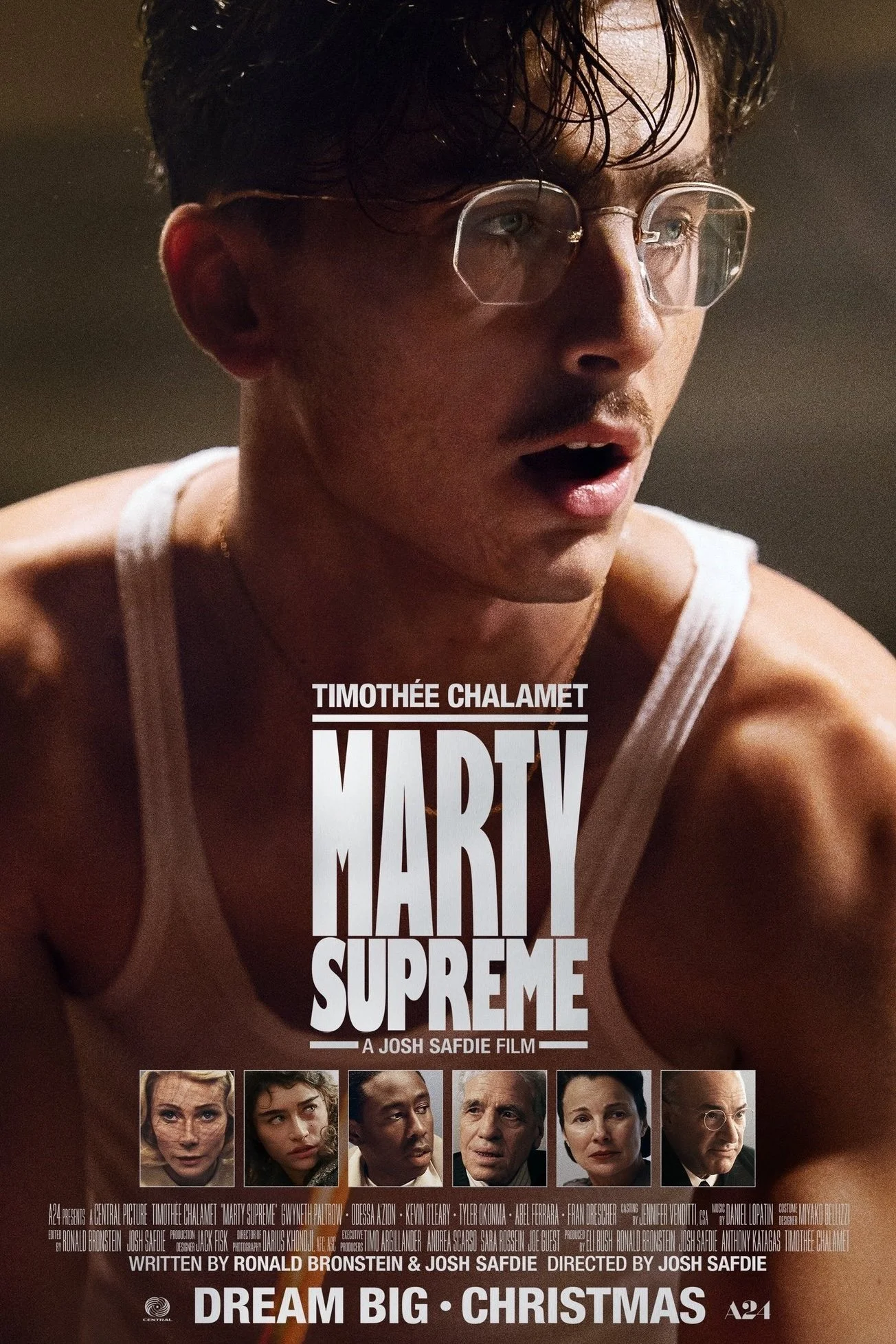
Josh Safdie’s Marty Supreme fuses the relentless intensity of Uncut Gems with the Kafkaesque absurdity of After Hours, transforming the sports film into something fresh, audacious, and unapologetically original. It’s a funny, stressful, and wildly unpredictable odyssey. The runtime flies by in a frenzy of ambition, ego, and escalating disaster, chronicling one man’s quest to become the world’s greatest table tennis player, which spirals into a series of startling misadventures.
Long-time collaborators Josh Safdie and Ronald Bronstein have once again proven that they’ve mastered the art of constructing protagonists who are deeply reprehensible yet impossible to look away from, characters so volatile that watching them is like witnessing a train wreck in real time. Their latest antihero, Marty Mauser (Timothée Chalamet), is very loosely based on professional table tennis player Marty Reisman. He’s a man in pursuit of greatness and a whirlwind of charm and arrogance, driven by unchecked ambition and bravado. Safdie and Bronstein wrote the role specifically for Chalamet, and it shows. No one else could have made such an egotistical character so enticing to watch. Chalamet brings the character to life with gusto and magnetism, making his every scheme and self-inflicted catastrophe both horrifying and hilarious. He oozes charm, but he’s also a tornado destroying everything in its path. Marty Supreme boasts some of the most hysterical line deliveries of Chalamet’s career thus far.
Right from the start, Safdie expertly establishes the film’s tone. We’re first introduced to Marty as he’s working in a shoe store. His married neighbor Rachel (Odessa A’zion) stops in, and the pair have sex in the back, but not before Marty’s boss discusses promoting him to manager. Marty scoffs at the idea, believing he has a purpose and is destined for something bigger. The delightfully off-kilter title sequence begins when the film transitions from the sex scene to footage of sperm swimming toward an egg. The egg transforms into a ping pong ball, presenting us with the film’s title and then landing us smack dab in the middle of a table tennis tournament. The title sequence perfectly captures the film’s sense of humor and liveliness, signaling to the audience that they’re in for an offbeat and uninhibited thrill ride.
Marty Supreme features an eclectic ensemble cast and a foray of fascinating characters. Odessa A’zion proves she has all the makings of a star, perfectly matching Chalamet’s energy. Tyler Okonma shines in his first true big-screen performance as Marty’s best friend, Wally, who accompanies Marty on many of his hijinks but also brings a sense of level-headedness and rationality. In addition to Rachel, another potential love interest for Marty emerges in the form of retired movie star Kay (Gwyneth Paltrow), who’s stuck in a loveless marriage to wealthy entrepreneur Milton Rockwell (Kevin O’Leary). Paltrow plays Kay with a mix of wry detachment and curiosity. Abel Ferrara is a scene-stealer in his small role as Ezra, a dog owner who happens to cross paths with Marty in the most unfortunate manner. These are just a few of the interesting characters who end up entangled in Marty’s messes or bear witness to his shenanigans.
However, the true stars of the film are the screenplay, editing, and score. Safdie and Bronstein’s script masterfully ratchets up the tension, keeping us on the edge of our seats. It’s impossible to predict where the plot is headed from one minute to the next. Yet, somehow, the ridiculous situations Marty finds himself in never feel totally out of touch with reality. What sets Marty Supreme apart from other sports films is Safdie and Bronstein’s deliberate rejection of the formula. This isn’t a conventional underdog story or a stereotypical tale of redemption. Instead, it traces a ping pong prodigy’s fall from grace as he digs himself deeper and deeper into a hole he’s desperately trying to claw his way out of. Safdie subverts expectations and injects the sports genre with some much-needed life and personality.
The editing is exceptional, amplifying the film’s frenetic energy and maintaining a taut pace from start to finish. Each scene surges with turbulent momentum and rarely lets up off the gas. For a film that’s two and a half hours long, it feels shockingly succinct and never overstays its welcome. Daniel Lopatin’s pulsing score is his best work to date. It almost feels akin to the music he composed for Benny and Josh Safdie’s Good Time, permeating the film with an unshakeable feeling of anxiety and an endless rush of adrenaline. The music adds a heart-pounding rhythm, infusing each scene with a raw, electrifying intensity that propels the story forward. Darius Khondji’s cinematography is breathtaking. The project was shot on 35mm, giving it a grainy, raw texture reminiscent of a gritty, lost New York drama from a bygone era. The combination of the meticulous shot composition, galvanizing score, and kinetic editing makes the tournament sequences thrilling; ping pong has never felt so riveting.
Despite being a Josh Safdie film, Marty Supreme feels like it would fit right in alongside Martin Scorsese’s filmography. Marty’s haughtiness and drive for success evoke The Wolf of Wall Street, as our protagonist is charming yet detestable. The film has echoes of The Aviator because it’s a period piece inspired by a real person who becomes involved with a Hollywood actress and whose life spirals out of control. But above all, it feels like After Hours for the way things go wrong for our protagonist in the most outrageously hilarious and unexpected ways. Yet, at its core, Marty Supreme is unmistakably a Safdie film, with its heart-pumping, panic-attack-inducing narrative that’s simultaneously a love letter to New York City.
Marty Supreme is a triumph of controlled chaos, an adrenaline rush disguised as a sports movie. Safdie channels the anxiety and absurdity of ambition into something exhilarating, unnerving, and hilarious. If Uncut Gems is a panic attack, Marty Supreme is a manic joyride. It overwhelms the senses with its breathless pacing, razor-sharp storytelling, and electrifying score. It’s a wildly unforgettable journey that not only made my heart race and my jaw drop, but it also made me hold my breath, burst out laughing, cringe, wince, gasp, and everything in between. By the time the credits roll, you’re left unsure whether to laugh, exhale, or pop a Xanax. Yet, one thing is certain: Marty Supreme is a sports film unlike any other.
Dust Bunny — Video Review
Spoiler-free video review of Bryan Fuller’s film Dust Bunny starring Mads Mikkelsen, Sophie Sloan, and Sigourney Weaver.

The Running Man — Review
Between No Other Choice, Roofman, The Long Walk, Rent Free, Good Fortune, and now The Running Man, one of the prevalent themes in 2025’s new releases seems to be stories about ordinary people who are desperate to make ends meet financially, whether it’s based on a true story, grounded in present-day reality, set in a sci-fi dystopia, or a full-blown fantasy. Coincidentally, both Francis Lawrence’s The Long Walk and Edgar Wright’s The Running Man are based on Stephen King novels about people who enter deadly competitions for a chance at financial salvation, where the only way to survive is to keep moving. Despite their similarities, these two films could not be more different in terms of tone or style. The Long Walk is bleak, slow-burning, and introspective, while The Running Man is lighter, kinetic, and action-packed. Although King’s The Running Man was first adapted for the screen in 1987 by Paul Michael Glaser, Wright’s version proves the story is more than worthy of a revisit. His adaptation is both a more faithful retelling of King’s novel and a spirited homage to the campy, over-the-top energy audiences loved in the 1987 film.

Eternity — Review
David Freyne’s Eternity is one of the most creative and thought-provoking romance films in recent memory. It boasts an inventive premise involving the afterlife that feels evocative of films such as Michael Powell and Emeric Pressburger’s A Matter of Life and Death (1946), Albert Brooks’ Defending Your Life (1991), and Hirokazu Kore-eda’s After Life (1998), yet Freyne and co-writer Pat Cunnane’s screenplay still feels refreshingly original.